Montana will soon test whether cash-strapped and strained state health departments can carry out federal Medicaid work requirements without ending coverage for eligible adults.
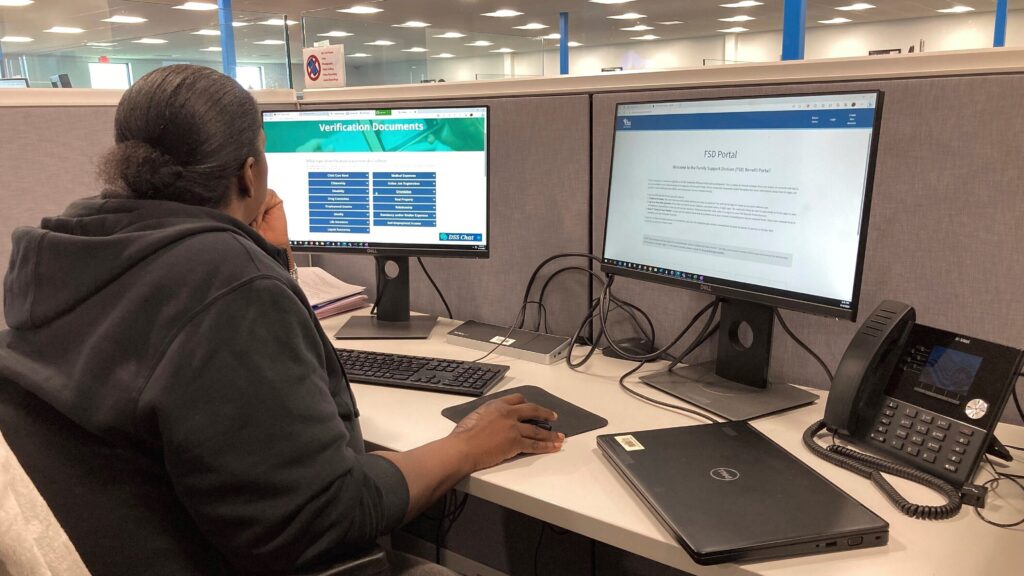
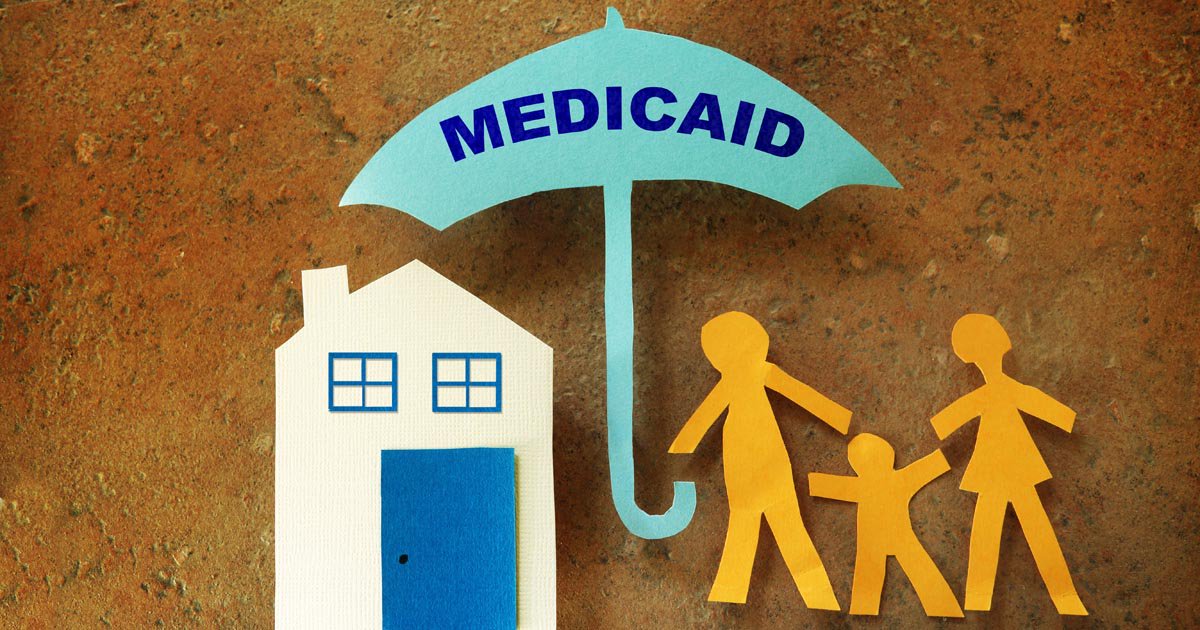
On July 1, Montana plans to become the second state after Nebraska to make Medicaid enrollees prove they’re working to keep their coverage. That’s six months ahead of the federal deadline for states to implement Medicaid work rules for millions of enrollees.
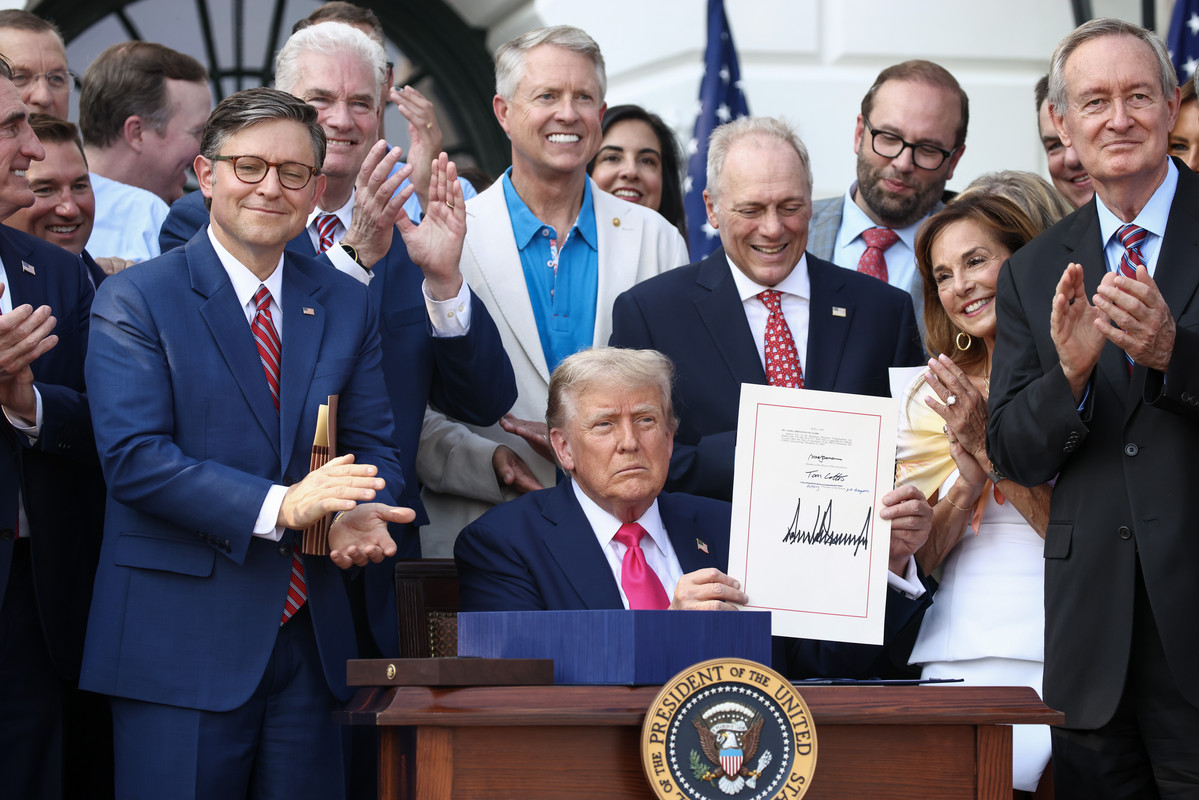
That date is also the start of a new state budget year, as well as the deadline for Montana health officials to climb out of a previous Medicaid-driven spending deficit. Montana lawmakers underfunded the health agency when they set the state budget last year — before congressional Republicans passed President Donald Trump’s One Big Beautiful Bill Act. Health policy analysts say the state’s budget crunch is a hint of the challenges to come nationwide.
That’s because the federal spending law requires states to check every six months whether millions of Medicaid enrollees work, go to school, or volunteer at least 80 hours a month, or qualify for an exemption. Those checks will take time and money. Simultaneously, the law is expected to reduce federal Medicaid spending — the largest pool of federal funding for states — by nearly $1 trillion over 10 years, shift more food assistance costs to states, and add tax breaks that could hit state budgets.