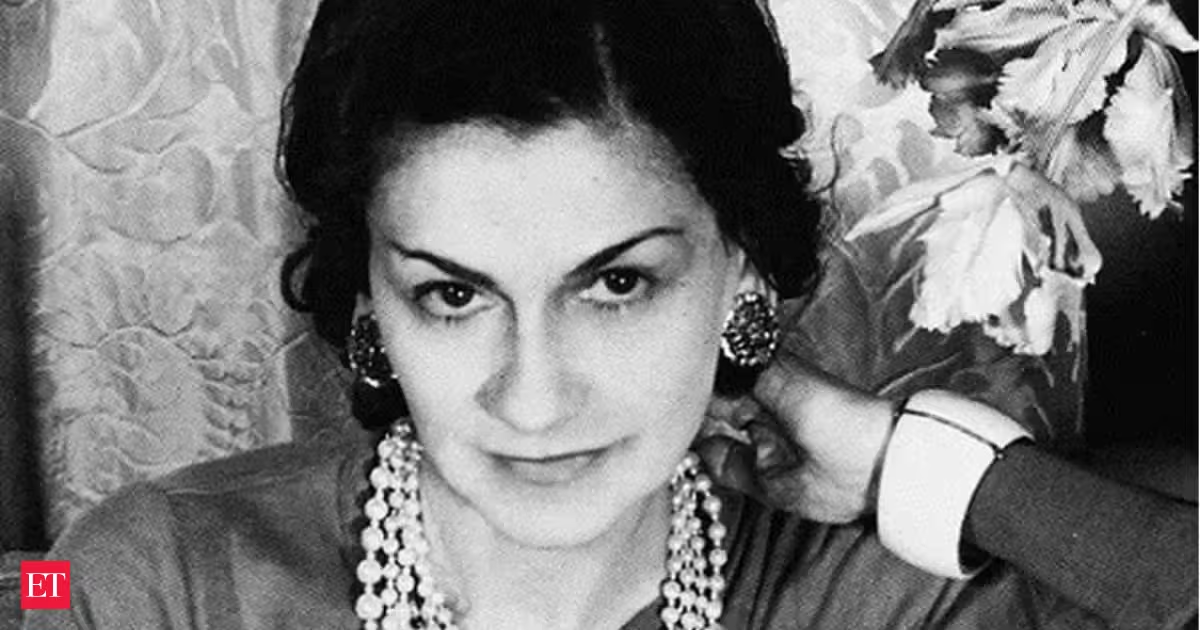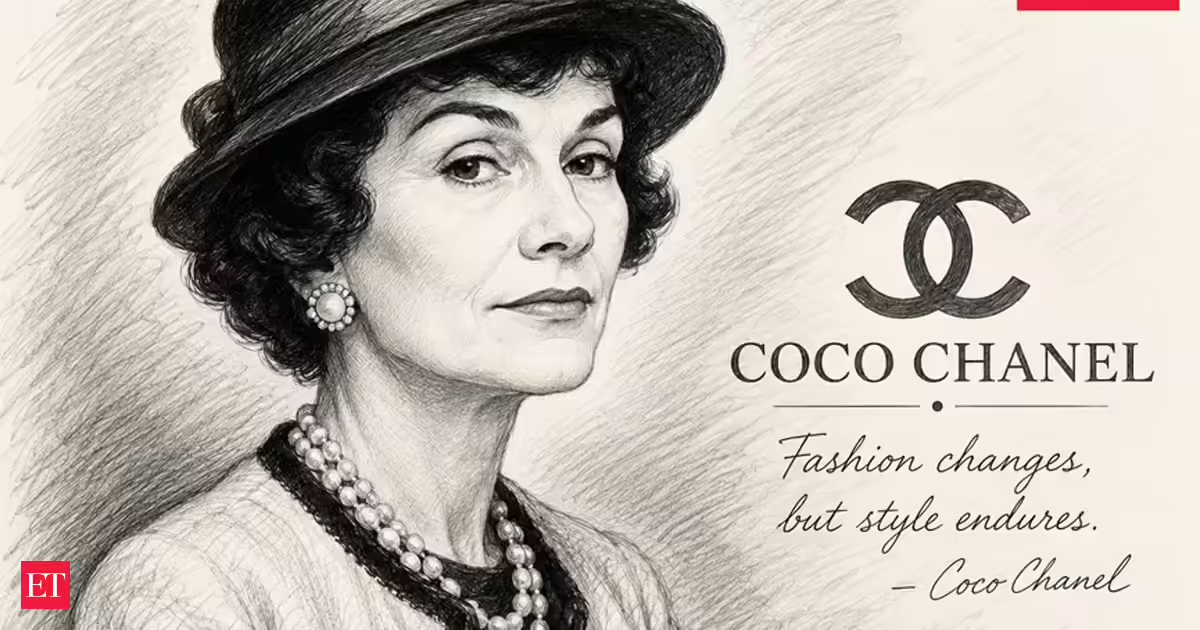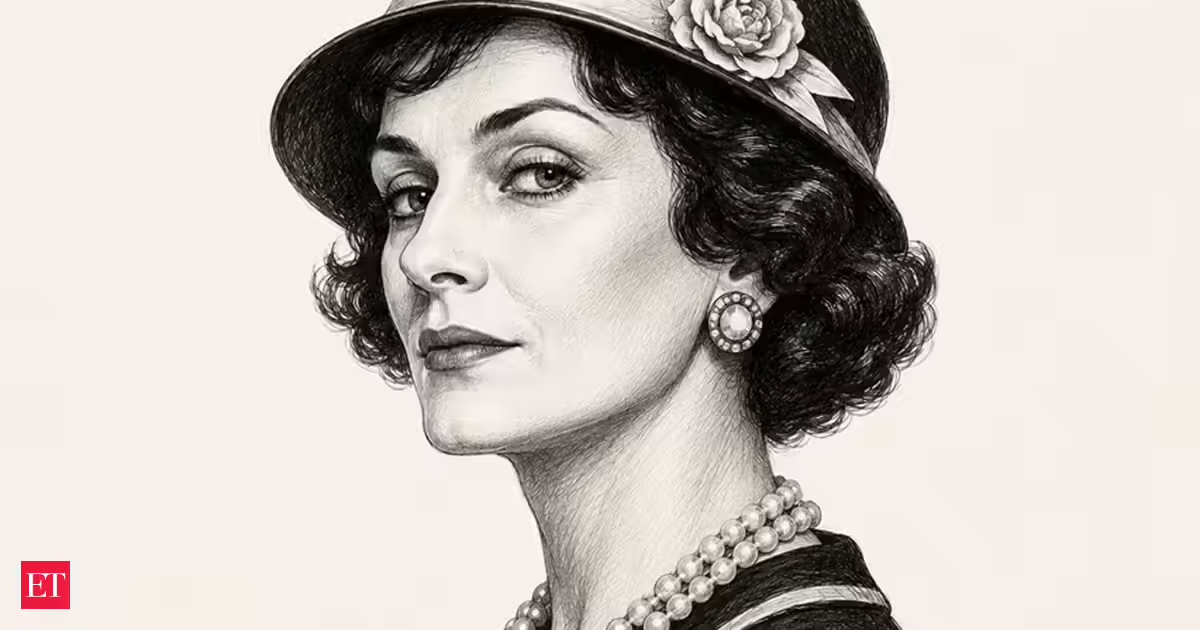
Quote of the Day by Coco Chanel: Society has long debated the roles of men and women, especially when it comes to power, independence, ambition, and identity. Over time, conversations about equality and individuality have evolved, yet questions about what truly defines confidence and influence continue to remain relevant in modern life.Her famous quote, “I don't know why women want any of the things men have when one of the things that women have is men,” reflects Coco Chanel’s bold, witty, and provocative perspective on femininity and relationships. The quote suggests that women already possess their own unique influence and value without needing to imitate men or compete for the same things. In today’s world of changing gender roles, personal empowerment, and social independence, the quote continues to spark debate and discussion. Some interpret it as a playful celebration of feminine confidence, while others view it through the lens of equality and modern ambition. Chanel’s words remain significant because they encourage reflection on self-worth, identity, relationships, and the evolving meaning of empowerment in contemporary society.Quote of the Day Today: Coco Chanel on relationships, empowerment and confidence Quote of the Day by Coco Chanel: “I don't know why women want any of the things men have when one of the things that women have is men” Meaning of Coco Chanel’s Quote About Women and PowerCoco Chanel’s quote, “I don't know why women want any of the things men have when one of the things that women have is men,” reflects her bold perspective on femininity, relationships, and influence. The quote suggests that women already possess their own unique power and value without needing to compete directly with men for status, possessions, or authority. Chanel uses humor and wit to highlight the idea that feminine influence can be just as powerful as traditional forms of success associated with men.However, the deeper meaning of the quote lies in its discussion of identity, confidence, and gender roles. Chanel believed women should embrace their individuality and strengths rather than define success solely through comparison with men. While some interpret the statement as playful and empowering, others view it as controversial in the context of modern equality and independence. Even today, the quote continues to spark conversations about self-worth, ambition, empowerment, and how society views gender and success.Why You Should Stop Comparing Yourself With Others Comparing yourself with others can quietly damage confidence, self-esteem, and emotional well-being. In a world driven by social media, achievements, and constant visibility, it is easy to feel less successful or less valuable when measuring your life against someone else’s. However, every individual has a different journey, background, timing, and set of opportunities. What you see in others is often only a highlight, not their full reality. Constant comparison shifts focus away from personal growth and creates unnecessary pressure, stress, and self-doubt. Instead of measuring yourself against others, focusing on self-improvement helps build real confidence and inner peace. True success comes from progress, not comparison. When you learn to value your own path, strengths, and efforts, you develop a healthier mindset that supports long-term happiness, motivation, and emotional balance in both personal and professional life.Early Life of Coco ChanelCoco Chanel was born as Gabrielle Bonheur Chanel on August 19, 1883, in Saumur, France. Her childhood was marked by hardship and poverty after the death of her mother when Chanel was still young. Her father, unable to care for all his children, placed her in an orphanage run by Catholic nuns. It was there that Chanel learned sewing skills, which later became the foundation of her fashion career. Despite facing a difficult upbringing, she developed resilience, independence, and ambition that shaped her future success.Education and Early CareerUnlike many famous designers of her time, Coco Chanel did not receive formal higher education. Instead, she learned practical skills through her experiences in the convent orphanage and later worked as a seamstress. During her youth, she also performed as a singer in cafés, where she earned the nickname “Coco.” Her exposure to wealthy social circles through influential friendships allowed her to explore fashion and business opportunities. Chanel gradually began designing hats and clothing that challenged the restrictive fashion standards of the early twentieth century.Rise in the Fashion IndustryCoco Chanel rose to prominence by revolutionizing women’s fashion with simpler, elegant, and more comfortable designs. At a time when women’s clothing was dominated by corsets and heavy fabrics, Chanel introduced practical yet stylish outfits that emphasized freedom and sophistication. Her fashion houses in Paris became symbols of luxury and modernity. Chanel also introduced iconic products such as the Chanel suit, little black dress, and the famous perfume Chanel No. 5. Her innovative approach transformed fashion and made her one of the most influential designers in history.Fame, Influence, and ControversyAs her fame grew, Chanel became one of the most recognized figures in global fashion and high society. She was admired for her creativity, confidence, and business success in a male-dominated industry. However, her life also included controversy, especially during World War II due to allegations surrounding her associations during the German occupation of France. Despite criticism and periods away from the fashion industry, Chanel made a remarkable comeback in the 1950s and regained international success. Her ability to reinvent herself strengthened her reputation as a determined and influential figure.Legacy and Lasting InfluenceCoco Chanel passed away on January 10, 1971, in Paris, France, but her influence on fashion and culture remains extraordinary. She is remembered as a pioneer who transformed women’s fashion by combining elegance with comfort and simplicity. Her ideas about style, confidence, and independence continue to inspire designers, artists, and entrepreneurs around the world. Today, the Chanel brand remains one of the most recognized luxury fashion houses globally, while Coco Chanel herself is celebrated as a symbol of innovation, individuality, and timeless style.Life Lessons from Coco Chanel’s Famous QuoteCoco Chanel’s quote teaches that confidence and influence do not always come from possessing the same things as others, but from recognizing one’s own unique strengths and identity. The quote highlights the importance of self-worth, individuality, and understanding the different forms of power that exist in society and relationships. Chanel’s words encourage women to value their own qualities instead of constantly comparing themselves with men or measuring success through competition alone. In modern life, this lesson remains meaningful because true confidence often comes from embracing individuality, personal strengths, and emotional intelligence rather than seeking validation through comparison.Why This Quote Still Matters TodayCoco Chanel’s quote remains relevant today because discussions about gender roles, equality, ambition, and empowerment continue across the world. In modern society, many people debate whether success should be defined by achieving the same goals, positions, or symbols traditionally associated with men. Chanel’s statement offers a different perspective by suggesting that women already possess their own unique influence and strengths. While some people interpret the quote as empowering and playful, others see it as controversial in the context of modern equality. Its lasting significance comes from its ability to spark conversations about identity, self-confidence, independence, and the evolving meaning of empowerment in contemporary society.Wisdom About Confidence and IdentityCoco Chanel’s quote, “I don't know why women want any of the things men have when one of the things that women have is men,” reflects a broader message about confidence, femininity, and individuality. The quote suggests that people should recognize and appreciate their own strengths rather than constantly defining success through comparison with others. True confidence comes from self-awareness, personal value, and the ability to embrace individuality without insecurity. This wisdom continues to resonate because it reminds people that influence and success can take many different forms. Chanel’s words encourage reflection on identity, relationships, ambition, and the importance of valuing one’s unique qualities in an ever-changing world.
Quote of the Day by Coco Chanel: “I don't know why women want...– Inspiring lessons on confidence, femininity, relationships, empowerment and why confidence is the best outfit by the founder of Chanel known for transforming modern style and redefining women’s power
Quote of the Day by Coco Chanel: Coco Chanels quote, “I don't know why women want any of the things men have when one of the things that women have is men,” reflects her bold and witty perspective on gender, femininity, and relationships. The quote suggests that women already possess their own form of influence, value, and power without needing to imitate men or compete for the same roles and possessions.
1,287 words~6 min read