Dozens of doctors are routinely performing risky vascular procedures in medical offices, generating tens of millions of dollars in Medicare payments for potentially unnecessary procedures, according to a federal report released earlier this month.
The review, completed by the Office of the Inspector General (OIG) at HHS, flagged nearly 140 doctors across the country as having "concerning" billing patterns.
The analysis parallels a 2023 ProPublica investigation that revealed how high Medicare reimbursements for office-based vascular treatments had fueled a surge of unnecessary procedures, putting patients at risk of amputation or even death. The inspector general's study, which began in April 2024, cited ProPublica's reporting and broadly confirmed its findings.
Millions of Americans have peripheral artery disease, a vascular disorder in which the buildup of plaque narrows arteries and blocks blood flow in the legs. While most treatments are safe, ProPublica's investigation found that there has been widespread concern among medical experts that some doctors are overusing procedures on patients who may not need them.
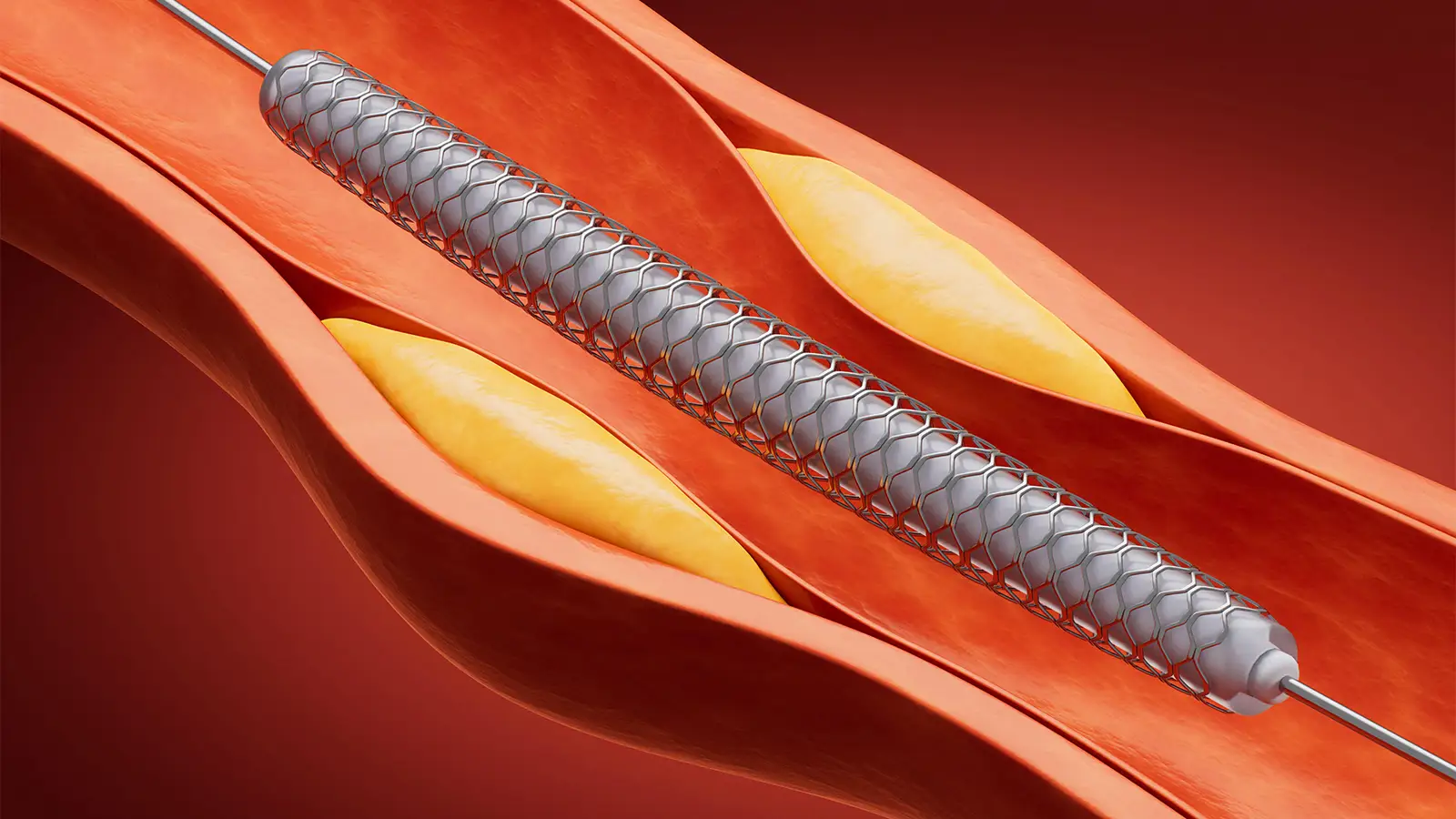
The Centers for Medicare & Medicaid Services (CMS) laid the foundation for the problem nearly 20 years ago, when it tried to rein in growing hospital costs by diverting certain common, minimally invasive procedures to outpatient facilities. These treatments may include the placement of stents in blood vessels or the removal of plaque with a bladed catheter, also known as an atherectomy.