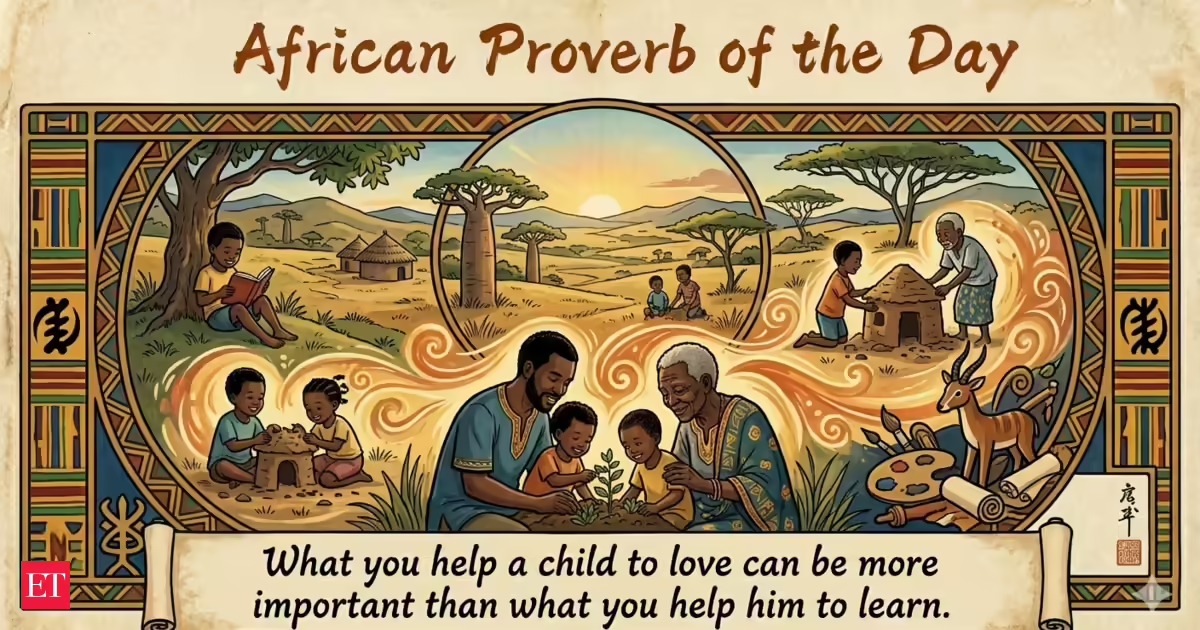
African proverbs are admired across the world for their emotional depth, wisdom, and powerful understanding of family, community, and human life. Passed down through generations, these sayings often use simple language to express profound truths about relationships, responsibility, and personal growth. Many African proverbs place special importance on children because they are seen not only as individuals but also as the future carriers of culture, values, and hope. “We desire to bequeath two things to our children; the first one is roots, the other one is wings.”This beautiful proverb captures the delicate balance every parent, family, and society must try to achieve. Children need “roots” to feel grounded in love, values, identity, and tradition. At the same time, they need “wings” to explore the world, pursue dreams, think independently, and become their own people.In today’s rapidly changing world, where families face pressures from technology, globalization, and shifting social values, this proverb feels deeply relevant and timeless.The Meaning of the African ProverbYou Might Also Like:At its core, the proverb teaches that raising children involves two equally important responsibilities. The first is giving them “roots.” Roots symbolize stability, culture, moral values, emotional security, family connection, and a sense of belonging. Children who grow up with strong roots often feel more confident about who they are and where they come from.The second responsibility is giving them “wings.” Wings symbolize freedom, independence, courage, ambition, creativity, and the ability to explore life beyond familiar surroundings.The proverb warns against imbalance. Children who only receive roots may become overly dependent or afraid to grow independently. On the other hand, children given only wings without roots may feel lost, disconnected, or emotionally unstable. The saying therefore teaches that true parenting combines guidance with freedom.You Might Also Like:The Cultural and Philosophical ContextAfrican cultures have traditionally emphasized both community and personal growth. Families are often viewed as deeply connected networks where elders pass down wisdom, traditions, and values to younger generations.This proverb reflects that philosophy beautifully. In many African societies, children are raised not only by parents but also through the influence of extended families and communities. Respect for heritage, identity, and ancestry is highly valued.At the same time, African oral traditions also celebrate resilience, courage, exploration, and adaptability. The proverb recognizes that children must eventually leave comfort zones and discover their own paths.You Might Also Like:The imagery of “roots” and “wings” is universal, making the lesson emotionally powerful across cultures and generations.How This Proverb Applies in Everyday LifeThe wisdom of this proverb appears constantly in modern family life. Parents naturally want to protect children, but they also want them to become capable, independent adults. The challenge is knowing when to guide and when to let go.“Roots” apply through teaching children kindness, honesty, discipline, empathy, cultural identity, and emotional security. These values often shape how children navigate life long after childhood ends.“Wings” appear when parents encourage creativity, education, independence, travel, ambition, and self-expression.The proverb also applies strongly in education. Schools should not only teach knowledge but also help students develop confidence, critical thinking, and emotional resilience.In relationships, the saying reminds families to support rather than control. Love becomes healthier when it empowers growth instead of creating fear or dependency.The proverb even applies socially. Communities thrive when younger generations are connected to their heritage while also encouraged to innovate and adapt to changing times.The Deeper Meaning Behind the WordsBeyond parenting, the proverb contains deeper emotional and philosophical lessons. One important message is that identity and freedom must coexist. Human beings need both belonging and independence to thrive emotionally.The proverb also teaches that love is not possession. Truly caring for children means preparing them to succeed beyond the protection of home.Another deeper layer involves trust. Giving children “wings” requires courage from parents because it means accepting uncertainty and allowing mistakes, growth, and personal discovery.The saying further reflects the idea that tradition and progress do not need to oppose each other. Strong roots can actually make exploration safer and more meaningful.The proverb also highlights emotional balance. Children raised with emotional security are often better equipped to face challenges confidently.Ultimately, the saying teaches that the goal of parenting is not control, but preparation.Why This Proverb Is Still Relevant TodayThis African proverb feels especially relevant in modern society. Today’s children are growing up in a fast-changing world shaped by technology, social media, global culture, and increasing uncertainty. Many families struggle to balance protection with independence.Some parents become overly controlling out of fear, while others provide freedom without enough guidance or emotional support.The proverb offers a balanced perspective. It reminds parents and society that children need values and stability, but they also need room to discover their individuality and dreams.The saying is also highly relevant in discussions about mental health. Children who feel emotionally secure often develop stronger resilience and confidence.Cultural identity also makes this proverb important today. In a globalized world, many young people search for connection to heritage and family values while also building modern identities.The proverb encourages both continuity and growth.The Underlying Theme: Love Means Guiding Without LimitingThe central theme of this proverb is balanced nurturing. It teaches that true love involves giving children both emotional grounding and the freedom to become themselves.Another major theme is preparation. Parents and communities should equip children with wisdom, values, and confidence rather than simply controlling them.The proverb also highlights trust. Allowing children to spread their wings requires faith in the strength of the roots they have received.Most importantly, the saying emphasizes growth. Healthy parenting helps children develop into independent individuals while remaining connected to their identity and values.How the Proverb Applies to Personal GrowthThis proverb offers valuable lessons beyond parenting alone. Adults also need both “roots” and “wings” throughout life. Roots may represent personal values, emotional stability, family support, or cultural identity. Wings may represent ambition, change, creativity, and courage to pursue new opportunities.The proverb reminds individuals not to lose themselves while chasing success or change. It also encourages gratitude. Strong roots often come from people who invested love, wisdom, and care into someone’s life.The saying further teaches that growth often requires stepping beyond comfort zones while staying connected to meaningful values.The Emotional Power of the SayingPart of the proverb’s beauty comes from its emotional imagery. “Roots” and “wings” instantly create a picture of stability and freedom existing together. The contrast feels deeply human because nearly every family experiences this balance between holding on and letting go.The proverb speaks not only to parents but also to children who eventually understand the sacrifices, hopes, and love behind guidance and support. Its emotional power lies in its tenderness and wisdom.“We desire to bequeath two things to our children; the first one is roots, the other one is wings” is far more than an African proverb. It is a timeless lesson about parenting, love, identity, and growth.It reminds us that children need both strong foundations and the freedom to explore life independently.In a rapidly changing world, the proverb encourages families and societies to raise future generations with wisdom, compassion, confidence, and courage. The greatest gift we can give children is not merely protection, but the strength to know where they come from and the freedom to discover where they can go.You Might Also Like:
African Proverb of the Day: 'We desire to bequeath two things to our children...'-Inspiring lessons on parenting, identity, freedom, and why children need both strong values and the courage to fly
An African proverb emphasizes the dual necessity of providing children with strong roots in values and identity, alongside the wings of freedom and courage to explore their own paths. This balanced approach fosters confident, independent individuals prepared for a changing world. True parenting equips children with both grounding and the ability to fly.
1,195 words~5 min read