Every weekday morning, Blessing Ade leaves her house in Lagos, Nigeria, carrying her baby in a wrap. The first-time mother, who lives in a two-story building, only steps outside when her ride is already waiting at the gate.
"I book my ride before I step out of the house," she told DW. "The ride has to be in front of my gate, not that I'm outside and then standing under the sun." For her, public buses are not an option. "Right now, I'm not thinking bus. I don't even see it as an option. I've canceled it."
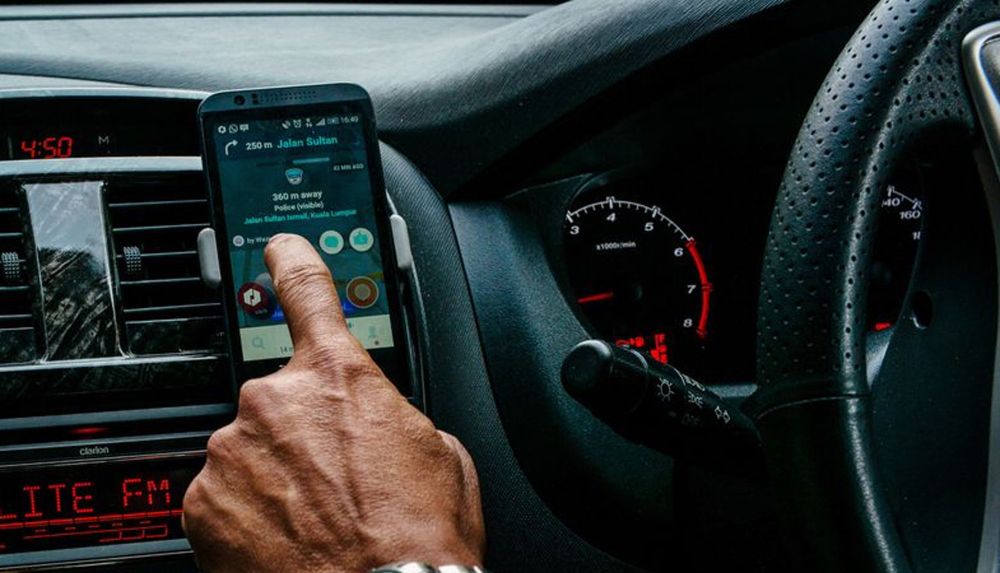
Rising fuel prices and fare surges are changing how ride‑hailing is used in Lagos. Some commuters say they rely on ride‑hailing more than ever, while others are cutting back, switching between apps or abandoning trips when prices rise.
Fuel prices in Nigeria began rising sharply after President Bola Ahmed Tinubuannounced theremoval of the long-standing petrol subsidy during his inauguration speech on May 29, 2023. The spike significantly affected transportation, food prices and the overall cost of livingin Africa's most populous nation.
Pemi Aderogba, 29, who also lives in Lagos, a city that is home to an estimated 20 million people according to the UN, says ride‑hailing remains central to how she gets around.