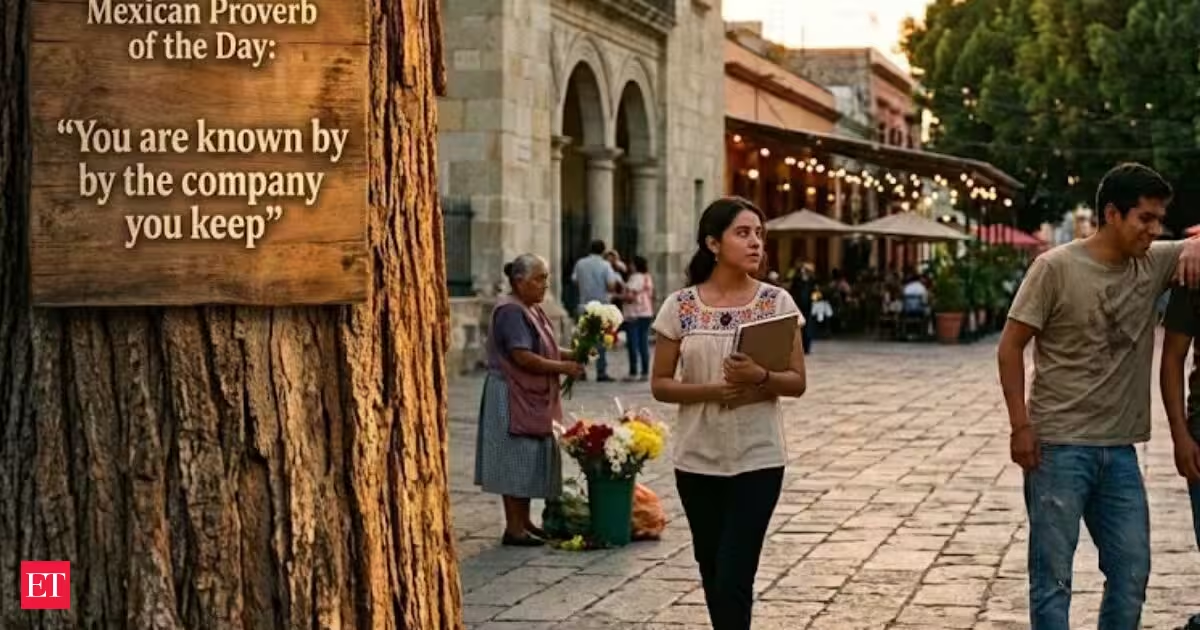
Spanish proverbs are admired across cultures for their sharp observations about human behavior, relationships, and everyday life. Passed down through generations, these sayings often contain simple yet powerful truths about character, society, and personal choices. Many Spanish proverbs focus on relationships because human beings are deeply shaped by the company they keep. One of the most famous and timeless Spanish sayings declares:“Tell me who your friends are, and I will tell you who you are.”This proverb highlights the strong connection between personal identity and social influence. It suggests that the people a person chooses to spend time with reveal important truths about their values, habits, priorities, and character. Friendships are rarely neutral. The attitudes, ambitions, morals, and behaviors of those around us often shape our own decisions and outlook on life.You Might Also Like:In today’s world, where social circles extend both offline and online, this proverb remains incredibly relevant.The Meaning of the Spanish ProverbAt its core, the proverb teaches that human beings are influenced by the company they keep. Friends often reflect shared values, interests, attitudes, and lifestyles. If someone consistently surrounds themselves with kind, honest, hardworking, and supportive individuals, it usually says something positive about their own character. On the other hand, constantly associating with negative, dishonest, or destructive influences may reveal similar tendencies or vulnerabilities.The proverb does not mean that people are identical to their friends. Instead, it emphasizes that close relationships strongly affect behavior, mindset, and reputation.You Might Also Like:The saying also reminds us that friendships are choices. The people individuals allow into their lives can either encourage growth or contribute to harmful habits and decisions.Ultimately, the proverb teaches that social environments shape identity more than many people realize.The Cultural and Historical ContextYou Might Also Like:Spanish culture has long placed great importance on family, community, loyalty, and social relationships. In traditional societies, reputation and character were often judged not only by personal actions but also by the people someone associated with. This proverb reflects that social understanding.Historically, communities were closely connected, and a person’s friendships could influence trust, opportunities, marriage prospects, and public perception. Good company was associated with wisdom and honor, while bad company was seen as dangerous to moral character.The proverb also reflects universal human psychology. Across cultures, people naturally observe social circles to understand someone’s values and personality.Its enduring popularity comes from how accurately it captures human behavior throughout history.How This Proverb Applies in Everyday LifeThe wisdom of this proverb appears constantly in modern life.In childhood and adolescence, friendships strongly influence behavior, confidence, language, ambitions, and emotional development. Parents and teachers often worry about peer influence because young people naturally absorb habits and attitudes from those around them.The proverb also applies in adulthood. Professional circles, social groups, and close friendships shape how people think, behave, and make decisions.In workplaces, being surrounded by motivated and ethical individuals can inspire productivity and growth. Toxic environments, however, often spread negativity, stress, and unhealthy habits.The saying is especially relevant in the digital age. Social media communities, influencers, and online friendships can deeply affect beliefs, self-esteem, and worldview. Even virtual company influences identity.The proverb also applies emotionally. Spending time with supportive and uplifting people often improves mental well-being, while constant exposure to negativity can drain confidence and peace.Relationships influence not only reputation but also mindset and future direction.The Deeper Meaning Behind the WordsBeyond friendship itself, the proverb contains deeper lessons about identity and personal responsibility.One major insight is that humans are social creatures. No one develops entirely alone. People are constantly shaped by conversations, environments, values, and emotional energy from those around them.The proverb also teaches self-awareness. Examining one’s friendships can reveal important truths about personal priorities and character.Another deeper layer involves influence. Friendships work both ways. Just as others shape us, we also shape them through our actions and attitudes.The saying further highlights the importance of intentional relationships. Not every friendship contributes positively to growth. Wise people carefully choose relationships that encourage integrity, kindness, ambition, and emotional health.The proverb also reflects the power of belonging. Human beings naturally adapt to the expectations and behaviors of groups they identify with.Ultimately, the saying teaches that relationships have the power to elevate or damage character over time.Why This Proverb Is Still Relevant TodayThis Spanish proverb feels especially important in modern society.Today’s world is highly connected, yet many people underestimate the influence of social environments. Constant exposure to negativity, gossip, unhealthy competition, or destructive behavior can gradually shape attitudes without people realizing it.Social media has intensified this effect. Online communities often influence political views, emotional well-being, self-image, and even personal values.The proverb reminds people to think carefully about the energy and values surrounding them.It is also highly relevant in discussions about mental health. Healthy friendships provide emotional support, encouragement, and belonging, while toxic relationships can create stress, anxiety, and self-doubt.In professional life, networking and social influence remain powerful factors in success and personal development.The proverb further applies to reputation. People are often judged partly by the company they keep because associations reveal patterns of values and priorities.The Underlying Theme: Relationships Shape IdentityThe central theme of this proverb is influence. It teaches that friendships and social circles play a major role in shaping identity, character, and behavior.Another major theme is responsibility. Individuals must choose carefully who they allow to influence their lives.The proverb also highlights self-reflection. Examining one’s closest relationships can reveal whether those connections support growth or encourage harmful habits.Most importantly, the saying emphasizes the importance of surrounding oneself with people who inspire honesty, kindness, wisdom, and ambition.How the Proverb Applies to Personal GrowthThis proverb offers valuable lessons for self-improvement.Personal growth becomes easier when surrounded by supportive and disciplined people. Positive environments encourage better habits, stronger confidence, and healthier emotional balance.The proverb also reminds people that friendships should involve mutual growth rather than constant negativity or emotional harm.It teaches the importance of boundaries. Not every relationship deserves permanent access to one’s time, energy, or emotional space.The saying further encourages people to become better influences themselves. Strong character attracts healthier relationships.Growth often depends not only on personal effort but also on the environment people create around themselves.The Emotional Power of the SayingPart of the proverb’s lasting impact comes from its simplicity and honesty. Nearly everyone has experienced how friendships affect behavior, emotions, and choices. The proverb expresses this universal truth in a direct and memorable way.Its emotional power lies in its realism. People often become more like those they spend the most time with, sometimes without even noticing. The saying encourages reflection without sounding overly complicated.“Tell me who your friends are, and I will tell you who you are” is far more than a Spanish proverb. It is a timeless lesson about influence, identity, and the hidden power of relationships.It reminds us that the people surrounding us shape our habits, attitudes, values, and future more than we often realize. In today’s world of constant social connection, the proverb encourages people to choose friendships wisely and build relationships that encourage growth, integrity, and emotional well-being. The company people keep often becomes the mirror reflecting who they are becoming.
Spanish Proverb of the Day: 'Tell me who your friends are, and I will tell...'-Life lessons from this famous Spanish saying on friendship, influence, character, and why the people around you shape who you become
Spanish proverbs highlight how companions profoundly shape us. Choosing friends wisely is crucial, as their values and habits influence our own decisions and character. This timeless wisdom remains vital today, reminding us that our social circles, both online and offline, significantly impact our identity and future direction, urging thoughtful selection of those we associate with.
TL;DRAI
The Spanish proverb "Tell me who your friends are, and I will tell you who you are" argues that close relationships reveal and shape character, values, and behavior over time. For managers, the same principle applies to team and network composition: peer environment directly influences individual standards, habits, and organizational culture.
1,174 words~5 min read