How a remote military range is becoming central to NATO innovation
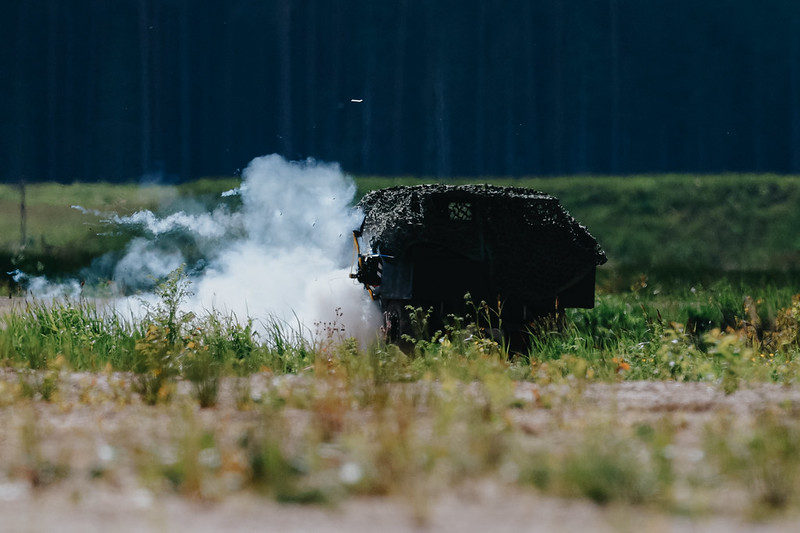
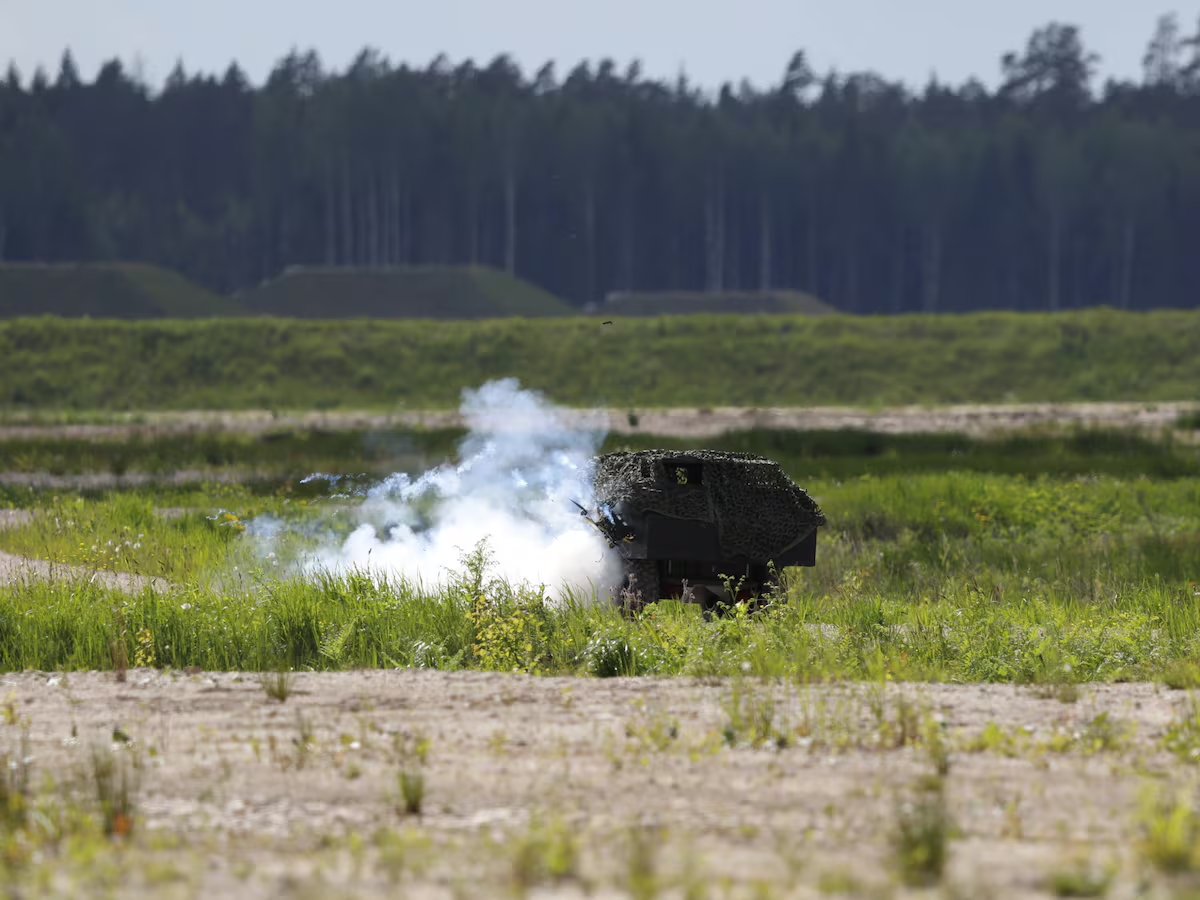
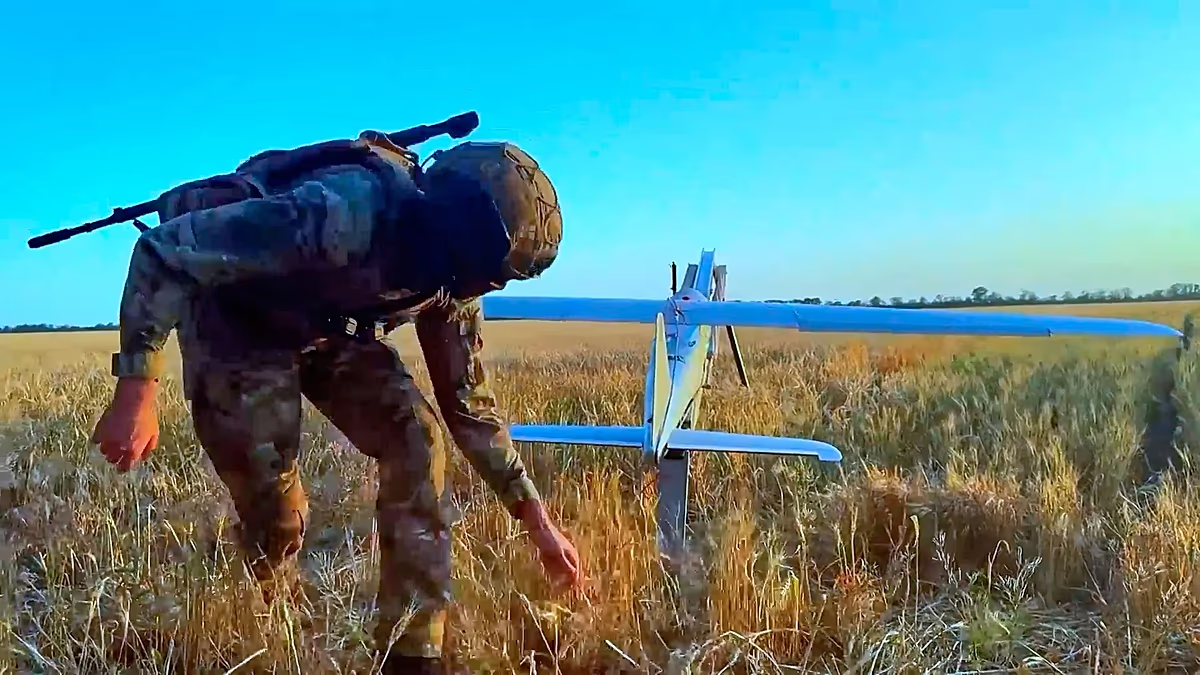
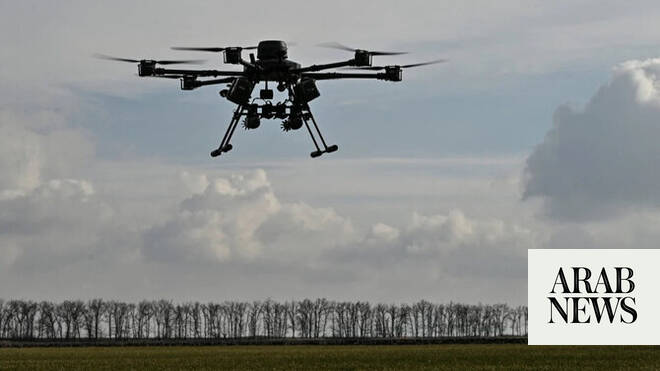
Like a bird of prey chasing its victim, the interceptor drone swoops in and neutralises its flying target. A few seconds later, a loud explosion rips through the air before the strong northern wind disperses the smoke.
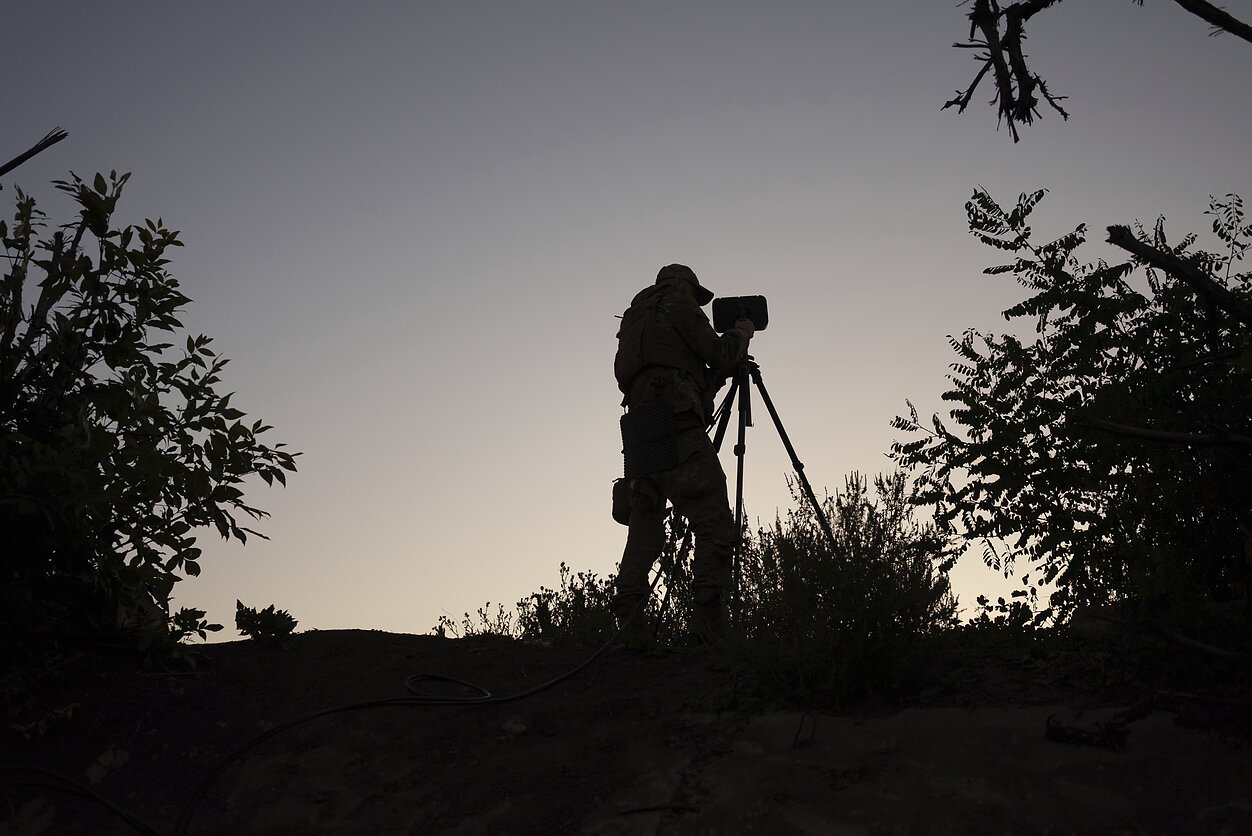
Applause ripples around the training range as military officers, engineers and defence executives, gathered earlier this week for live demonstrations of uncrewed systems and counter-drone technologies, take in the scene.
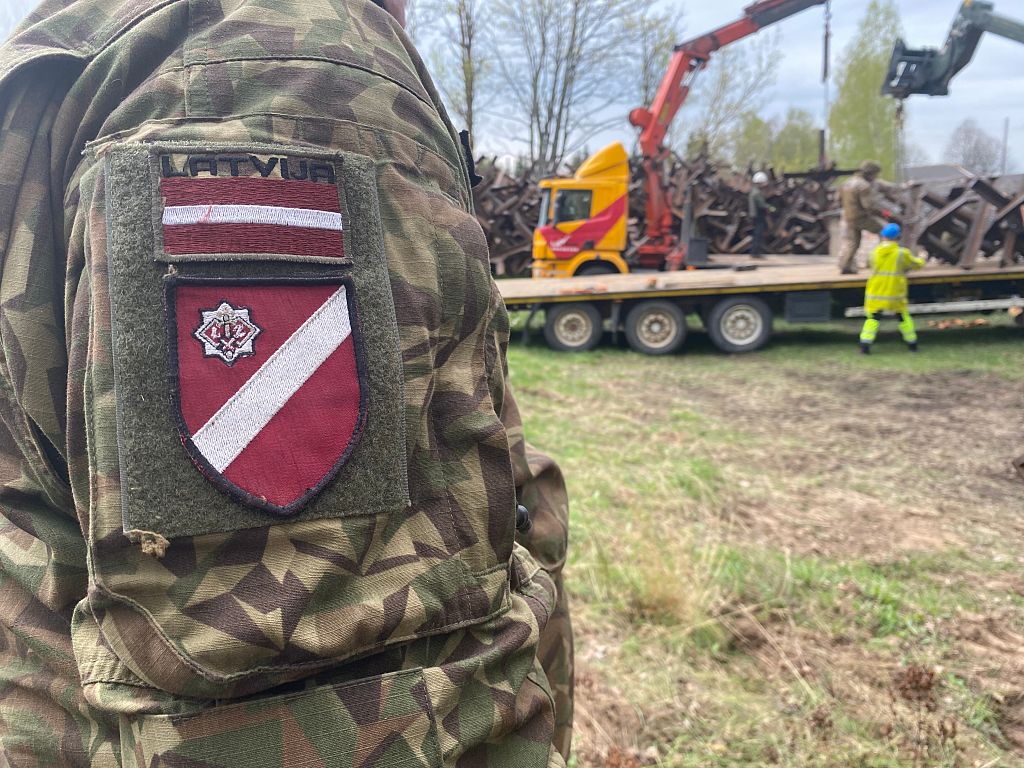
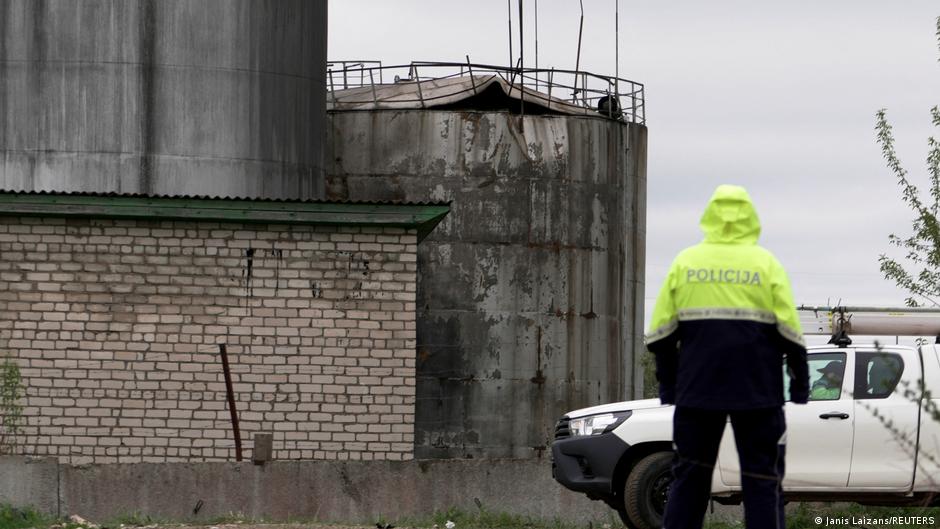
The Sēlija range, opened earlier this year after roughly two years of land clearing and construction, is located in dense forests of pine and silver birch, a two-hour drive southeast of Riga along dirt tracks that until recently led to nowhere of strategic significance.
It has now become NATO’s innovation range for uncrewed systems and counter-UAS technologies – one of five such facilities established under NATO’s Rapid Acceleration Action Plan, alongside sites in Estonia, Finland, Italy and the Netherlands – as allies race to test equipment under battlefield-like conditions and adapt to lessons from Ukraine.