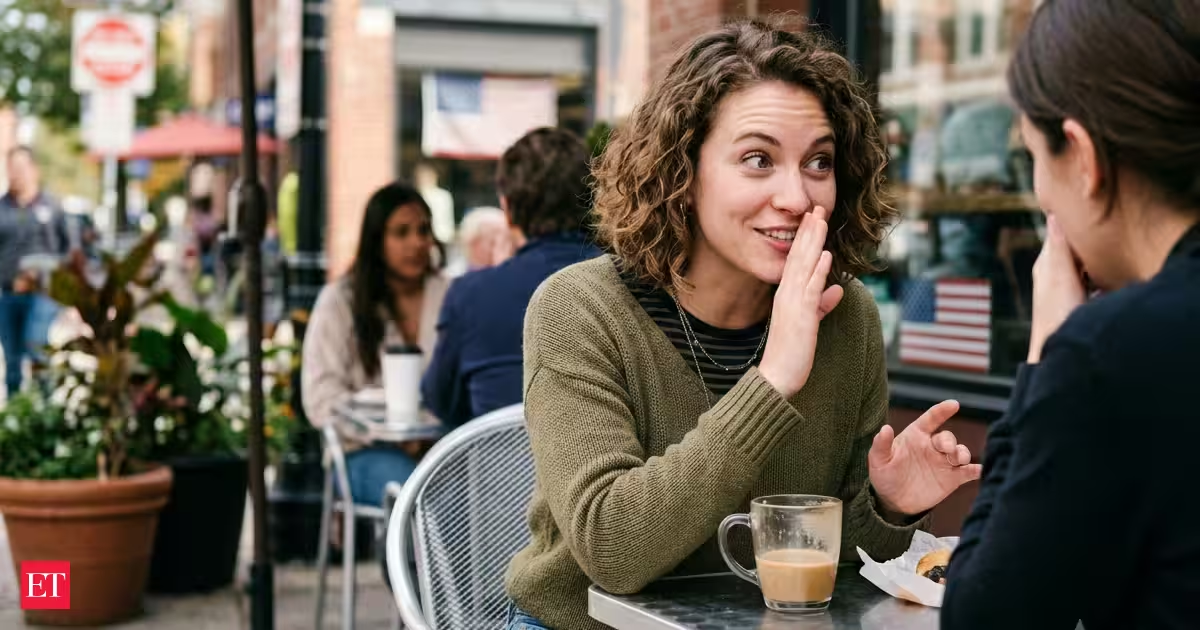
Almost everyone knows someone who trusts too quickly. They share personal details easily, believe promises, give second chances, and often assume others have good intentions, both in relationships and professional life. Yet these individuals are also the ones who frequently end up feeling betrayed, manipulated, disappointed, or emotionally hurt.People around them often ask: “How can they still trust people after everything?” Psychology says the answer is more complicated than simply being a “bad judge of character.”Experts believe people who trust easily are often driven by emotional wiring, attachment styles, optimism bias, empathy, and learned relationship patterns rather than ignorance or lack of intelligence.Trusting People Quickly Is Often Linked to Attachment StylePsychologists frequently connect high-trust personalities to Attachment Theory, developed by John Bowlby.You Might Also Like:People with secure or highly anxious attachment styles may naturally seek emotional closeness and connection faster than others.These individuals often:Want harmony quicklyAssume honesty from othersFeel emotionally openPrefer connection over suspicionPsychology says their brains prioritize bonding and emotional safety, sometimes at the cost of caution.Why Optimistic People Miss Red FlagsExperts say many trusting individuals experience something called optimism bias.You Might Also Like:This cognitive bias causes people to believe:“Things will work out.”“This person would never hurt me.”“They probably mean well.”As a result, they may ignore warning signs that more skeptical individuals notice earlier.Interestingly, psychology says optimism itself is not unhealthy. In fact, optimistic people often form stronger social relationships. The problem begins when trust is given without boundaries or verification.High Empathy Can Make People VulnerablePsychologists also connect excessive trust to high emotional empathy. Empathetic individuals often try to understand why someone behaves badly instead of immediately protecting themselves.You Might Also Like:For example, they may excuse harmful behavior by thinking:“Maybe they’re stressed.”“They had a difficult childhood.”“Everyone deserves another chance.”This emotional understanding can unintentionally weaken personal boundaries.The “Projection Effect” Makes Trust Feel NaturalOne important psychological concept here is Projection Bias. People often assume others think and behave the same way they do.Honest individuals may unconsciously believe:“If I wouldn’t betray someone, they probably won’t either.”This explains why kind, loyal people are sometimes shocked when others manipulate or deceive them. Psychology says trusting people are not always poor judges of character, they may simply project their own values onto others.Childhood Conditioning Plays a Big RoleExperts say family environments strongly shape how people approach trust later in life.Some individuals grow up learning:Trusting others is morally rightConflict should be avoidedDoubting people feels rudeBeing “nice” matters more than self-protectionThis conditioning can create adults who struggle to recognize manipulation early. In some cases, emotionally neglected children may also over-trust others because they deeply crave connection and validation.Why Betrayal Hurts These Individuals So DeeplyPsychology says highly trusting people often experience betrayal more intensely because they emotionally invest faster.This connects to Betrayal Trauma Theory, which explains how emotional pain becomes stronger when trust is broken by someone emotionally important. For trusting individuals, betrayal does not just feel disappointing, it feels like a collapse of emotional safety itself.Modern Examples Seen EverywhereThis pattern appears frequently today:Employees trusting manipulative bossesFriends oversharing personal informationRomantic partners ignoring cheating red flagsPeople falling for online emotional scamsWorkers taking verbal promises seriously without written agreementsSocial media has intensified this issue. Platforms like Instagram, LinkedIn, and TikTok often create false feelings of emotional familiarity and trust. Psychologists say people now mistake visibility and friendliness for genuine emotional reliability.Are They Really Bad Judges of Character?Not necessarily.Experts explain that manipulative individuals are often skilled at appearing trustworthy initially. Many deceptive people use: Charm, Emotional mirroring, Validation, Fast emotional bonding, False vulnerabilityEven emotionally intelligent people can miss these tactics. Psychology says repeated betrayal is not always proof of poor judgment. Sometimes it reflects emotional openness combined with weak boundaries.Healthy Trust Requires BoundariesPsychologists emphasize that emotional health is not about becoming suspicious of everyone. Instead, healthy trust involves: Gradual emotional openness, Consistent observation of behavior, Clear boundaries, Emotional self-protectionThis relates to Boundary Theory, where emotionally healthy individuals balance empathy with caution. Experts say emotionally mature people learn that kindness and discernment must coexist.Why Some People Still Keep Trusting After PainOne fascinating psychological insight is that many trusting individuals continue believing in people despite repeated hurt.Psychologists say this often reflects emotional resilience rather than stupidity. Some people would rather risk disappointment than become emotionally cold or disconnected from humanity entirely.Trusting Easily Is Often a Reflection of Emotional Openness, Not WeaknessThe psychology behind people who trust others too easily reveals a complex mix of empathy, attachment styles, optimism bias, projection, and emotional conditioning. Psychology says these individuals are not always poor judges of character, many simply approach relationships with openness, sincerity, and emotional hope. The real challenge is not learning to distrust everyone, but learning how to combine kindness with stronger emotional boundaries.FAQsWhy do some people trust others too easily?Psychology says empathy, optimism, attachment style, and emotional openness often make people naturally trusting.What psychological theory explains excessive trust?Experts often connect it to Attachment Theory, Optimism Bias, Projection Bias, and Boundary Theory.
Psychology says people who trust others too easily aren’t simply naive but their brains may be wired for emotional safety, making red flags harder to notice
The psychology behind people who trust others too easily reveals a complex blend of empathy, attachment styles, optimism bias, projection and emotional conditioning. Psychology suggests these individuals are not necessarily poor judges of character; many simply approach relationships with openness, sincerity and emotional optimism.
818 words~4 min read