May 29, 2026
5 min read
Add topic to email alerts
Receive an email when new articles are posted on
Please provide your email address to receive an email when new articles are posted on .
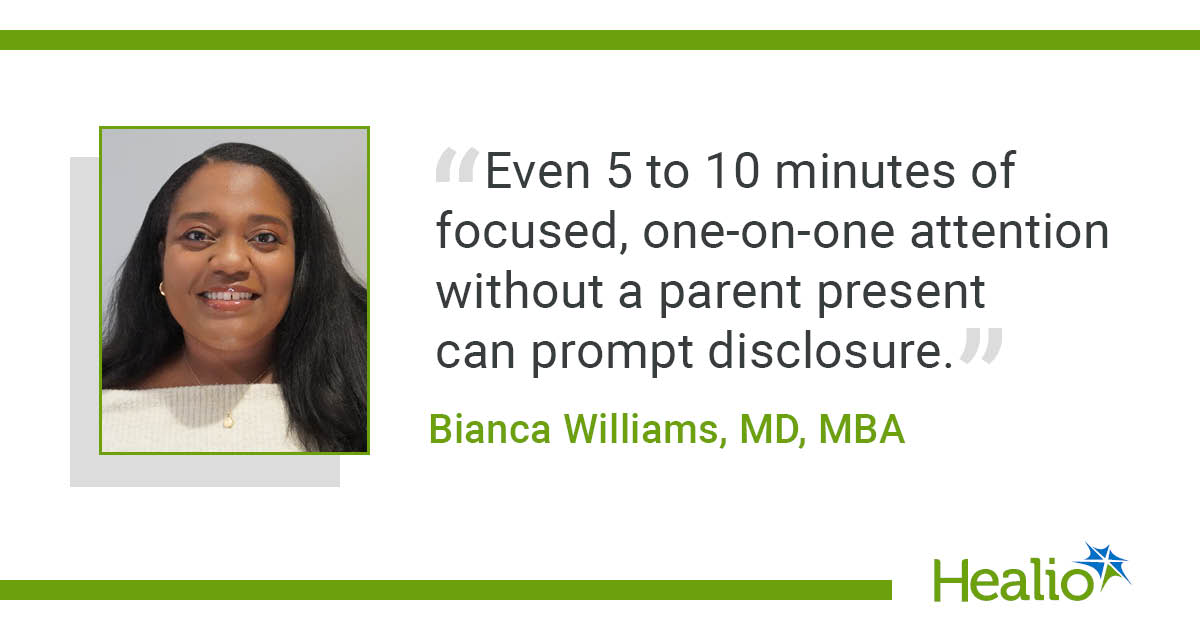
Pediatric physical health can’t be treated in a vacuum. External influences, such as social media, contribute to youth anxiety and depression. As a result, family practitioners must be sensitive to the masked behavioral issues of adolescents who may be reluctant to talk. In a trauma-informed approach, embedding behavioral support in the exam room is integral to treating communities under
May 29, 2026
5 min read
Add topic to email alerts
Receive an email when new articles are posted on
Please provide your email address to receive an email when new articles are posted on .
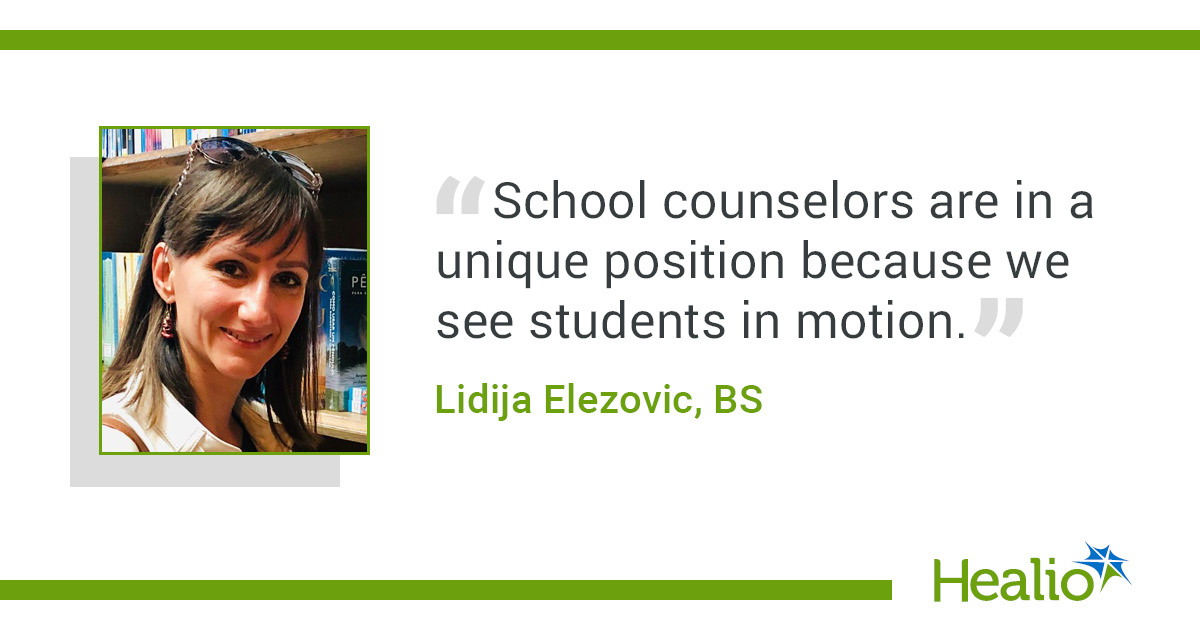
One of the hardest parts of working with adolescents is that they rarely tell their school counselors exactly what is wrong.A…

Jennifer Bickel, MD, had established herself as a nationally respected headache specialist by the time she assumed a new…
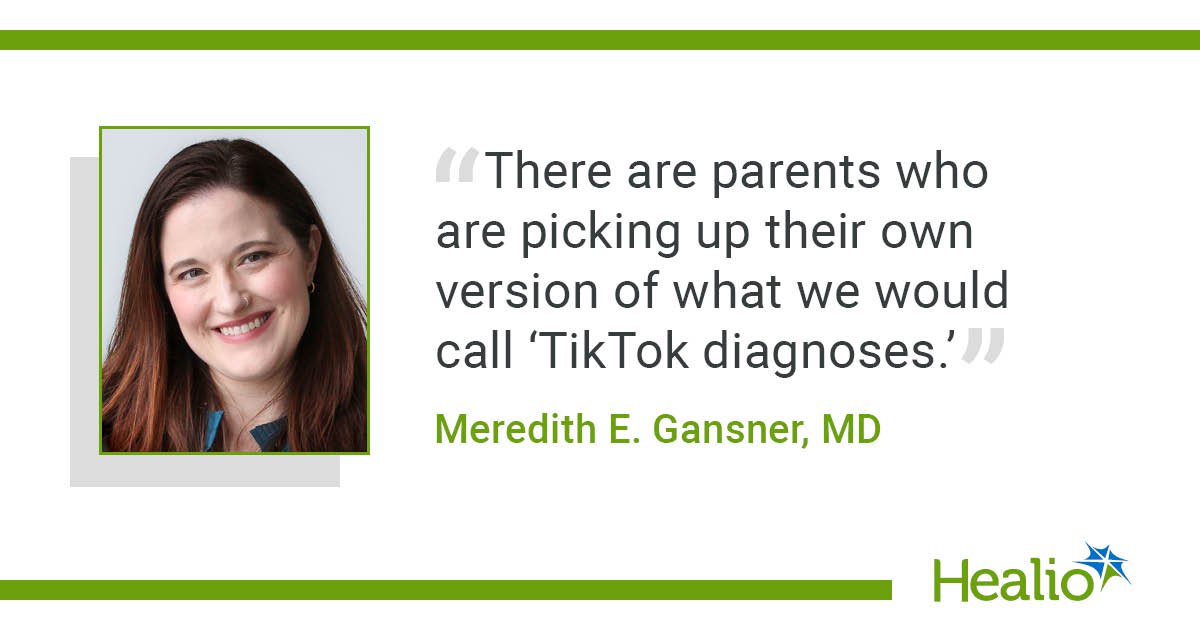
BOSTON — Parents often seek out social media content related to their children’s health, which can put them at risk for…

Social media fosters empathy and awareness, but cannot replace evidence-based treatment or formal psychological care.

Find the latest Adolescent Medicine and primary care news articles, videos, podcasts, and meeting coverage from medical experts…

Ashwini Nadkarni, MD, of Mass General Brigham, discusses how access to care can improve for patients with anxiety disorders.