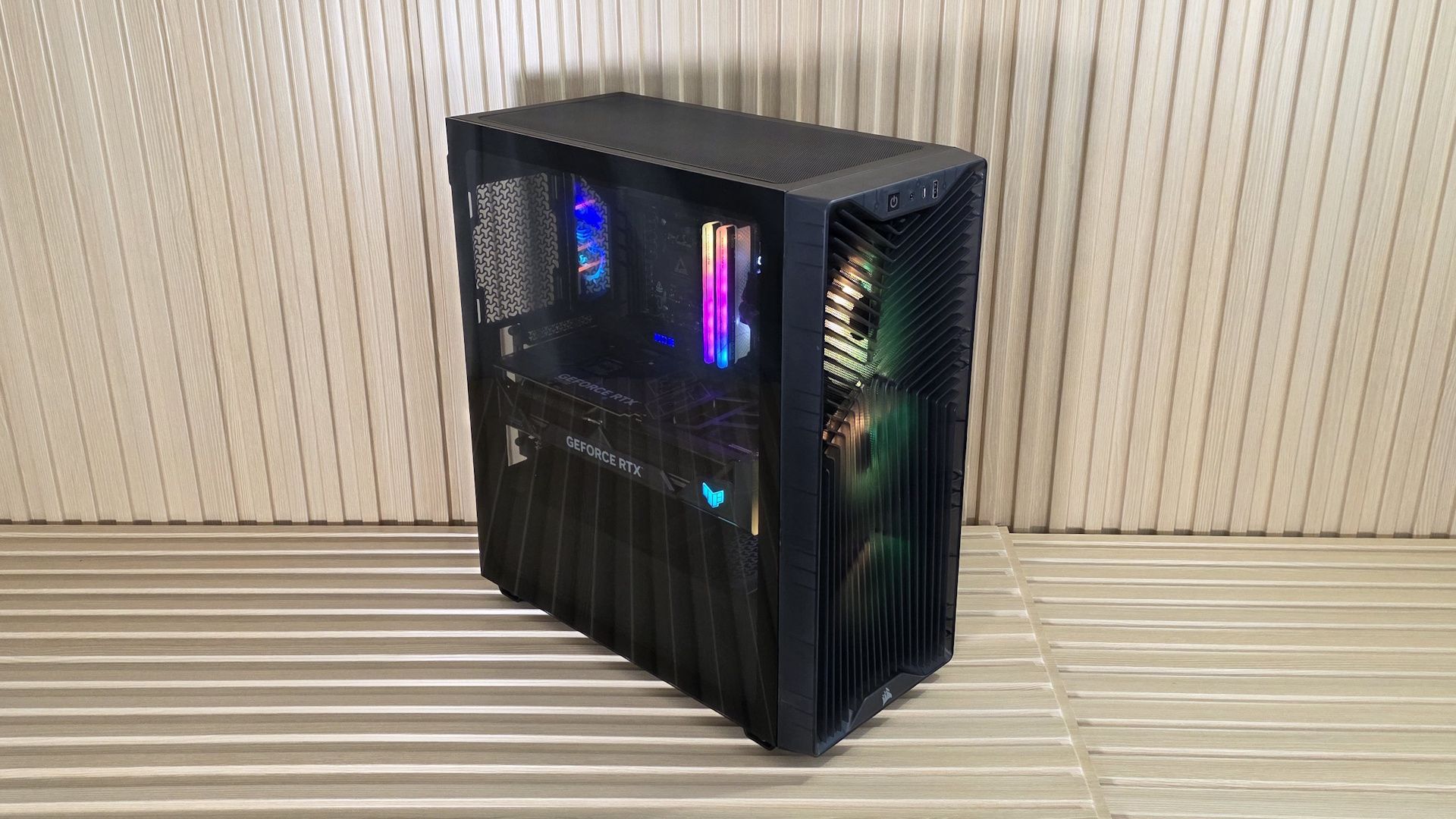
(Image credit: Tom's Hardware)
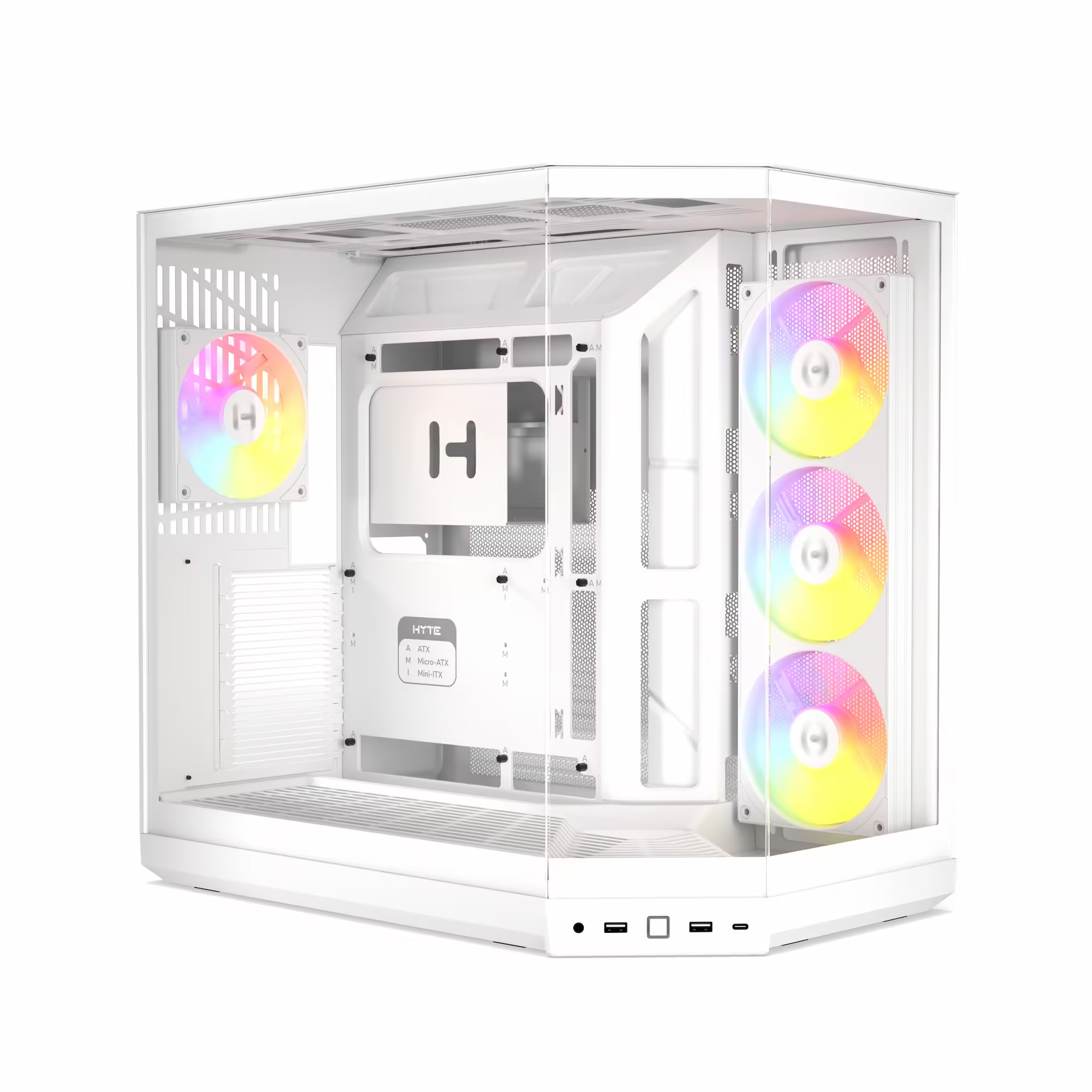
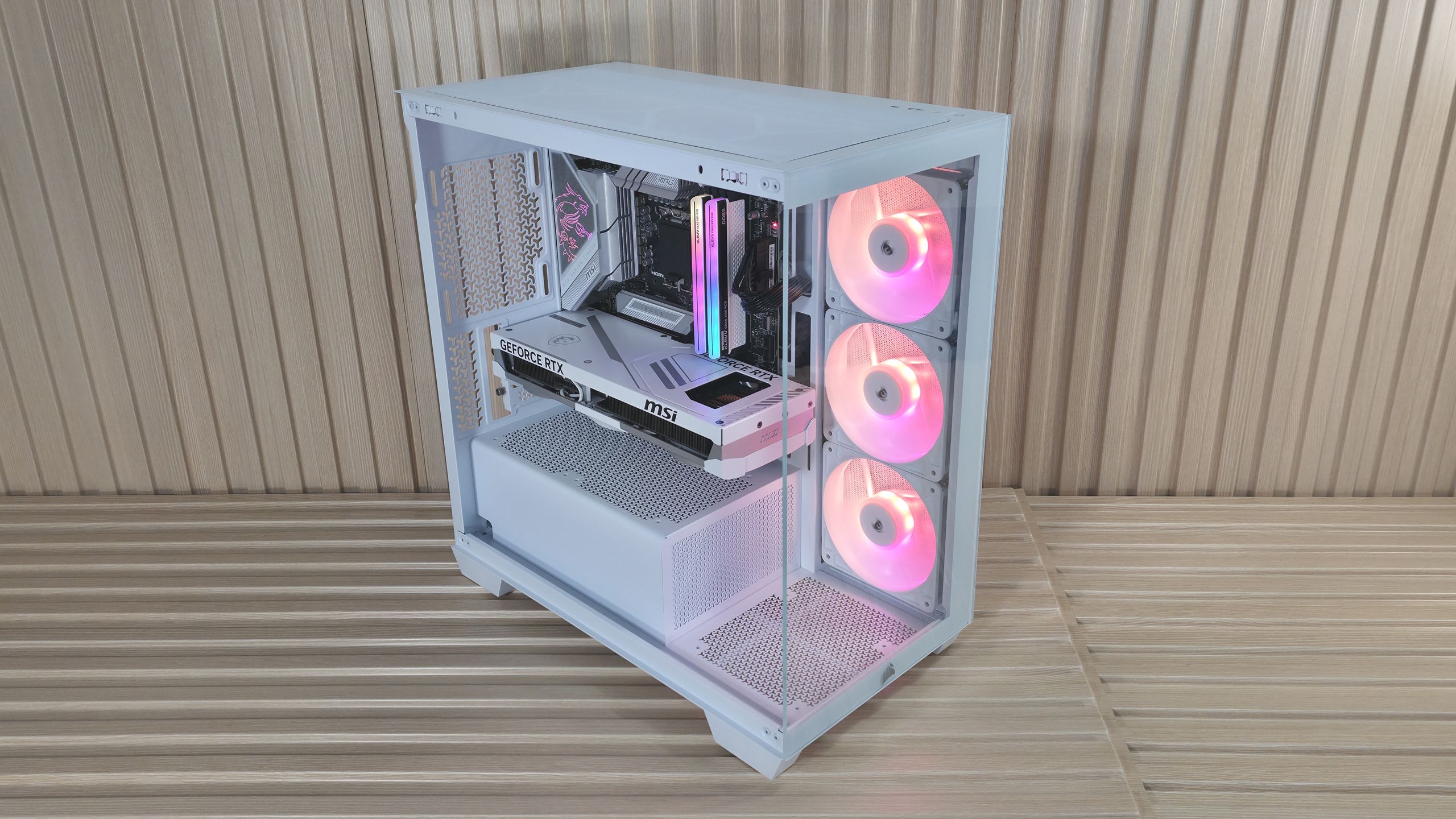
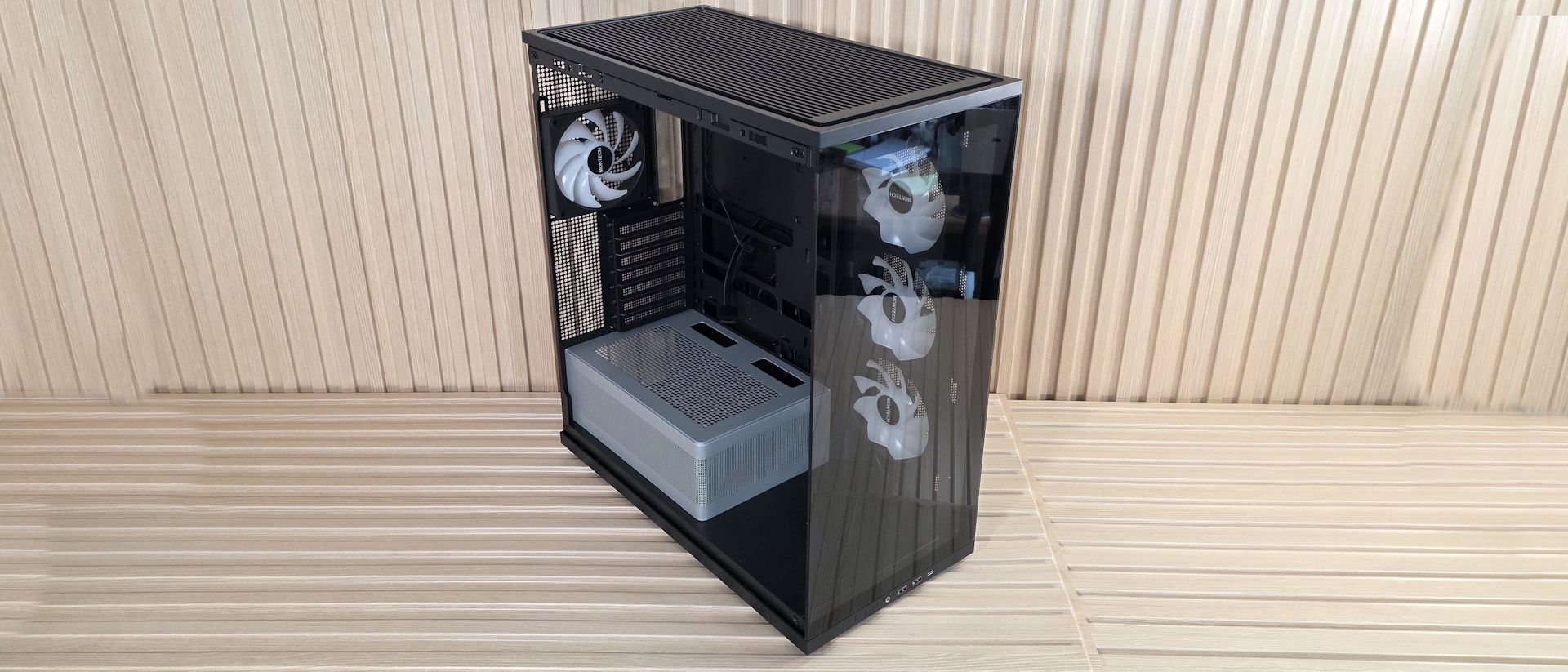
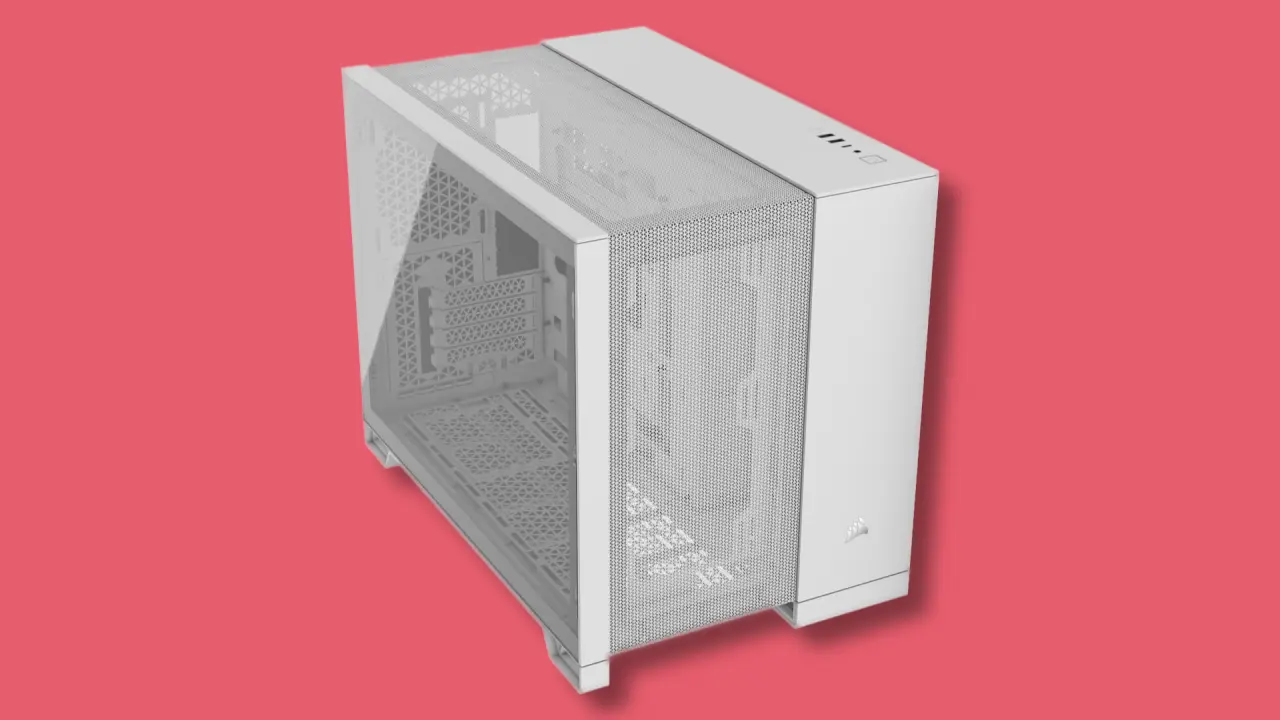
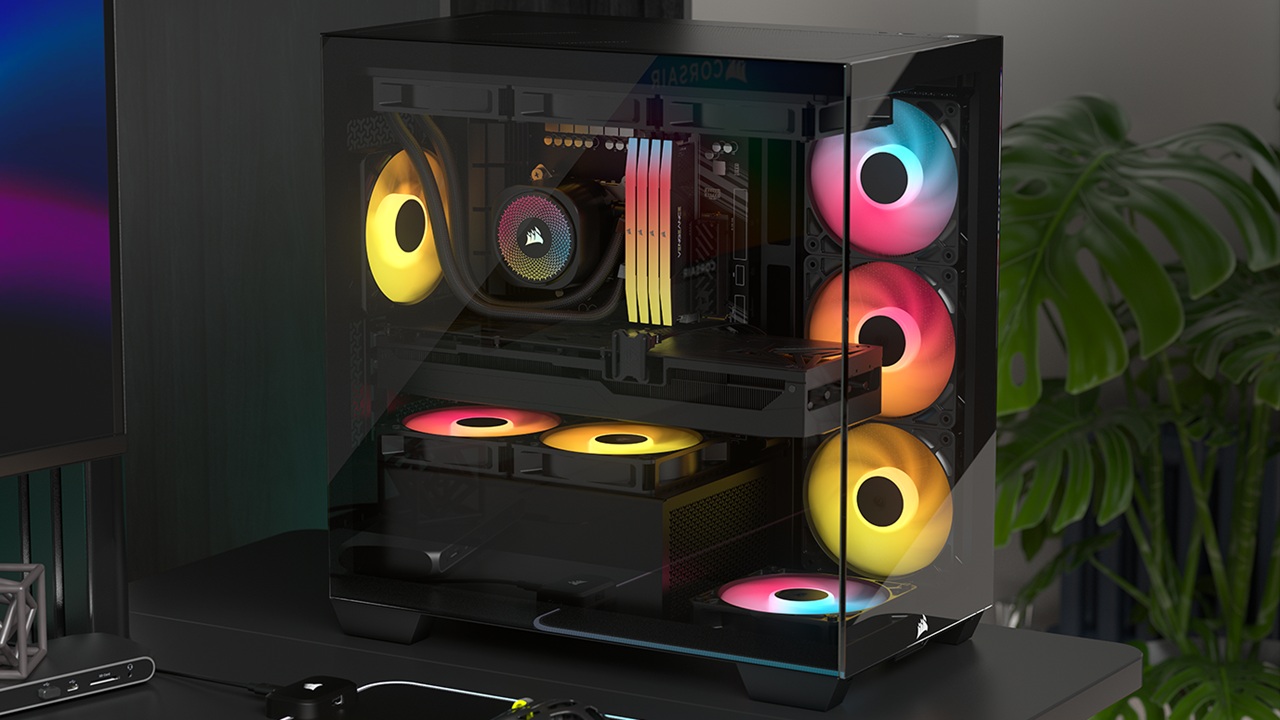
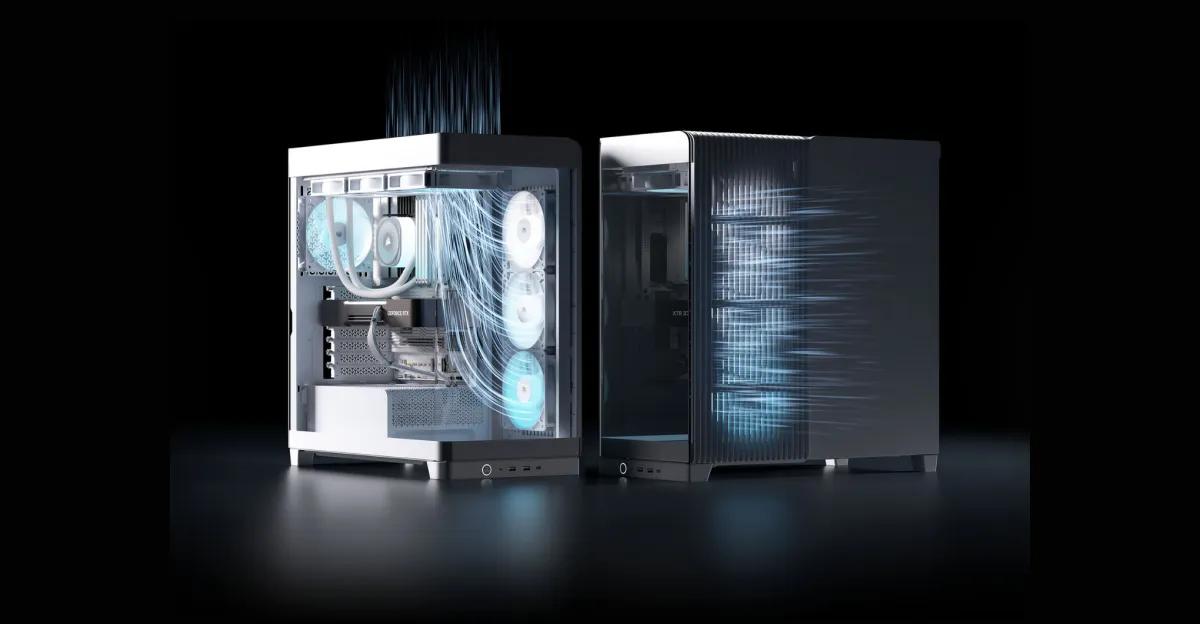
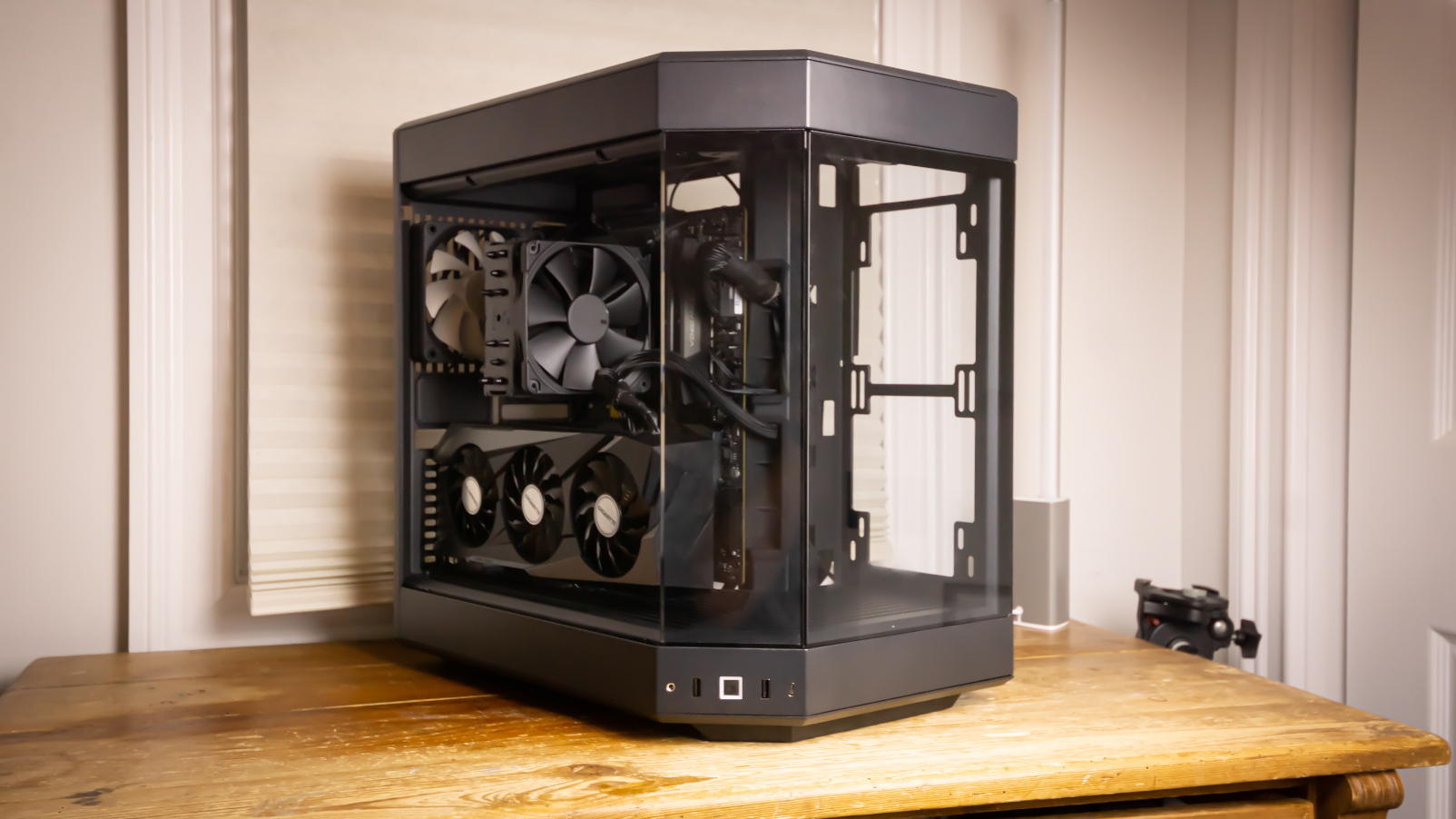
Corsair is well known for a wide range of computer products, including RAM, storage, CPU cooling, power supplies, gaming peripherals like keyboards and mice, and, of course, cases. Today, we have the Corsair 3200D RS ARGB in the lab, a budget offering by all definitions. Priced at $69.99 for the non-ARGB version and $79.99 for the ARGB version, it’s clear this high-airflow mid-tower chassis is aimed at the cost-conscious crowd. And to be frank, anyone buying a PC today needs a break from the RAM, storage, and video cards stuck in the land of ridiculous price points. If this isn’t the chassis for you, our Best PC Cases 2026 article can certainly help with your next build.The 3200D is shaped like a typical stand-up mid-tower, and features a smoked-glass side panel to showcase the internals. The front panel features a unique Y-pattern grille that provides ample airflow, with the three included RS120 ARGB fans (in our review model) partially hidden behind a dust-collecting mesh and grille. On the front face, at the top, is a simple I/O area with a power button, a 3.5mm audio jack, a USB Type-C port, and a USB 2.0 Type-A port for front-panel connectivity. It’s a good-looking case for the money, and for those concerned about a USB 2.0 (480 Mbps) port, keep an eye out for a refreshed version with a faster Type-A port.The mid-tower case supports a wide range of boards by specification, but E-ATX is not listed. It looks like you can shoehorn an E-ATX board in there, but you’d likely have to remove the GPU support strut attached to the frame. The 3200D RS also supports BTF (rear-connect) motherboards for a clean, connector-free appearance. Seven horizontal expansion slots allow for large video cards and another expansion card or two, depending on the motherboard’s PCIe slot configuration. Even a 3-slot card fits with room for another PCIe-based device. For cooling, you can install up to 360mm radiators on the top and front, with a 120mm radiator on the rear (or, just fans if you don’t have an AIO or custom water cooling). With a starting price under $80 and including three ARGB fans (or $70 with non-RGB fans), it offers a lot of value for the money for a budget PC case.Corsair 3200D RS ARGB SpecificationsSwipe to scroll horizontallyMotherboard SupportMini-ITX / Micro-ATX / ATXColorSmoke (Avail. In Black and White, also w/o RGB)TypeMid-towerCase Dimensions(H x D x W)495 x 458 x 219mm (19.4 x 18 x 8.6-inches)2.5/3.5-inch drive support1x 3.5-inch2x 2.5-inchI/O PanelPower button (white LED)(1) USB 3.2 Gen2x2 (20 Gbps) Type-C(1) USB 2.0 (480 Mbps)(1) 3.5mm audio jackPCIe expansion slots7Pre-installed fans3x 120x25mm RS Series RGBCPU cooler clearance165mm (6.4 inches)GPU clearance400mm (15.7 inches)PSU length180mm (7 inches)Vertical GPU supportNoRadiator supportUp to 3Top - 240/280/360mmFront - 240/280/360mmRear - 120mmBottom - NoneSide - NoneMSRP$79.99 ($69.99 for non RGB)Other FeaturesThree RS120 fans included, Rear-connec/BTF compatible, high-airflow front panel, angled bottom fan mount, integrated GPU strut External Design and IO PanelImage 1 of 6(Image credit: Future)Starting with the outside, the mid-tower chassis measures 19.4 x 18 x 8.6 inches, which is typical for this kind of case. The chassis is made of steel, tempered glass, and plastic, and feels lightweight yet sturdy as a whole. The smoked tempered-glass panel is dark enough to hide some unattractive internals, yet still light enough to show off what’s inside, especially with lighting. The open face on the front with the unique Y-pattern allows plenty of cool air to flow in, which should bode well for thermals, regardless of air or AIO / custom water cooling. The bottom has venting, and another simple dust filter/mesh (not magnetic) slides into its space for the power supply. The other side panel, secured with captive thumbscrews, features an indented design element that looks better than the boring flat panel, but can limit cable routing space.On top of the case is a simple mesh filter that prevents dust from coming into your case when it’s off. I do wish the magnet holding the mesh were a bit stronger, as it tends to move around and can get offset (this is my OCD talking). Looking at the rear of the case, we see room for the motherboard I/O and a 120mm fan, which you can adjust the height of. Below that are seven case expansion slots, which provide plenty of room for large graphics cards and add-in cards. Below that is the power supply, held in place by two captive thumbscrews. Vertical mounting of the video card is not possible.