Published May 29, 2026, 10:12 AM EDT
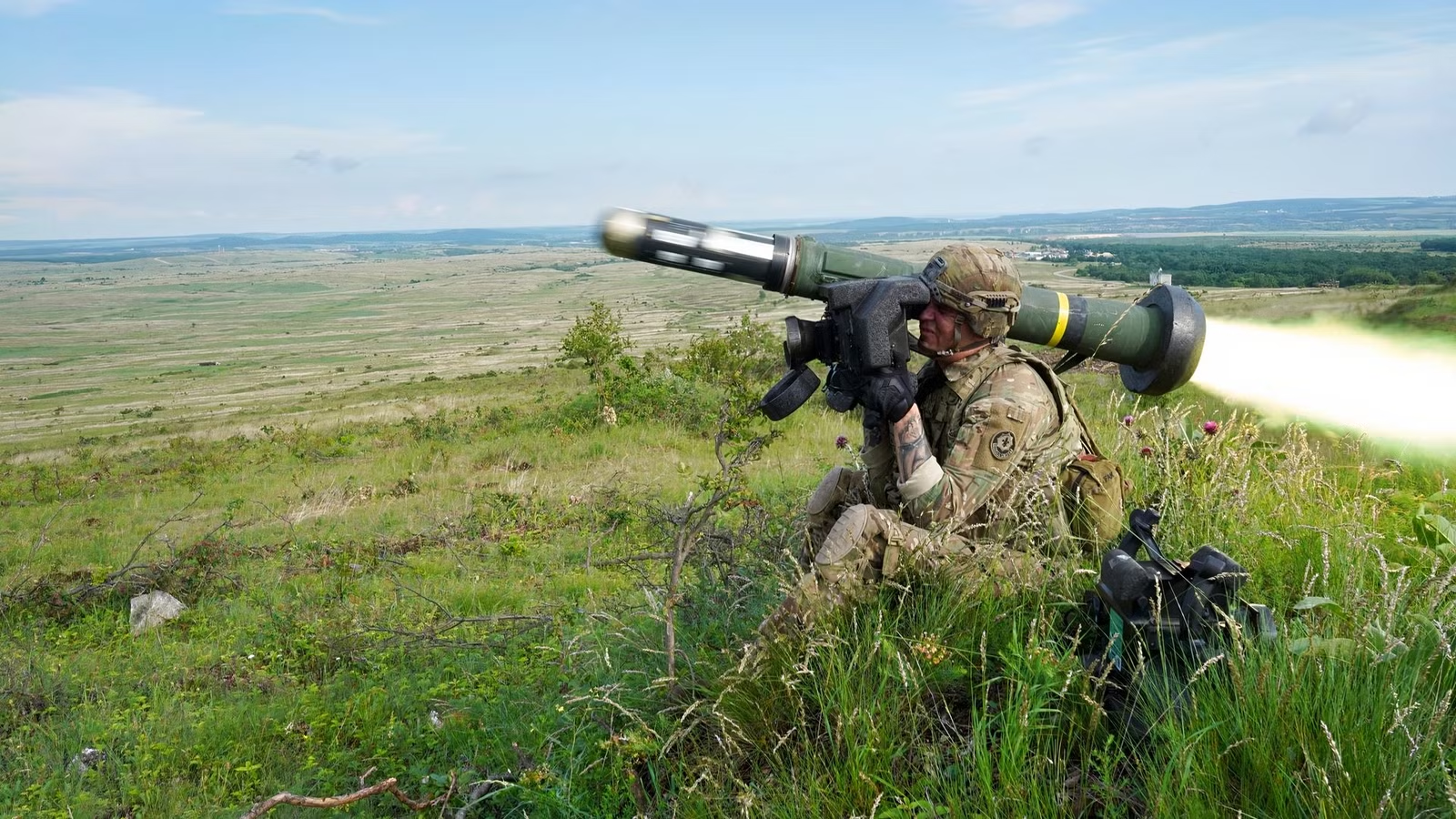
The new command launch unit cuts a quarter of the weight and a third of the size while doubling how far soldiers can spot targets day or night.
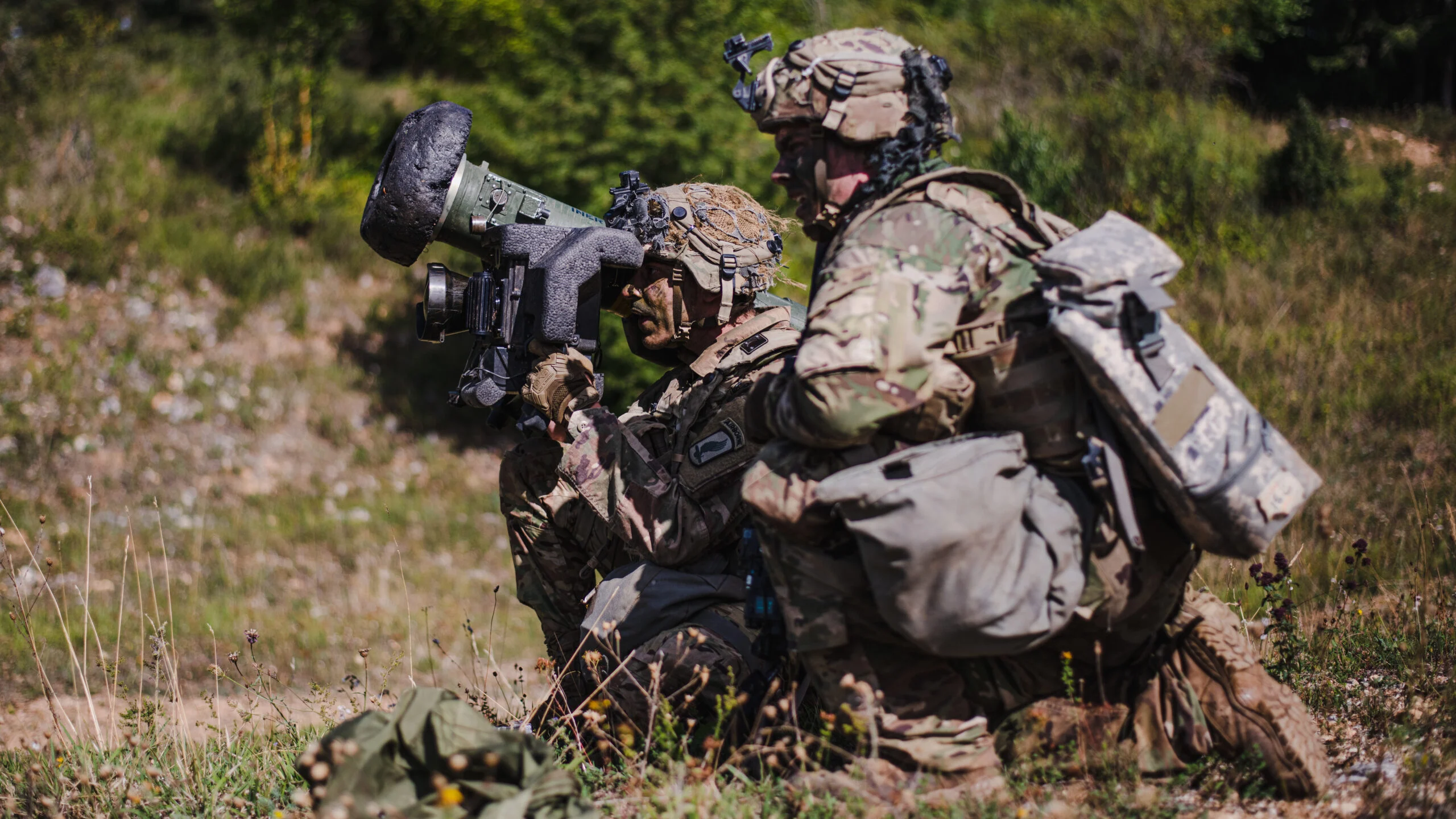
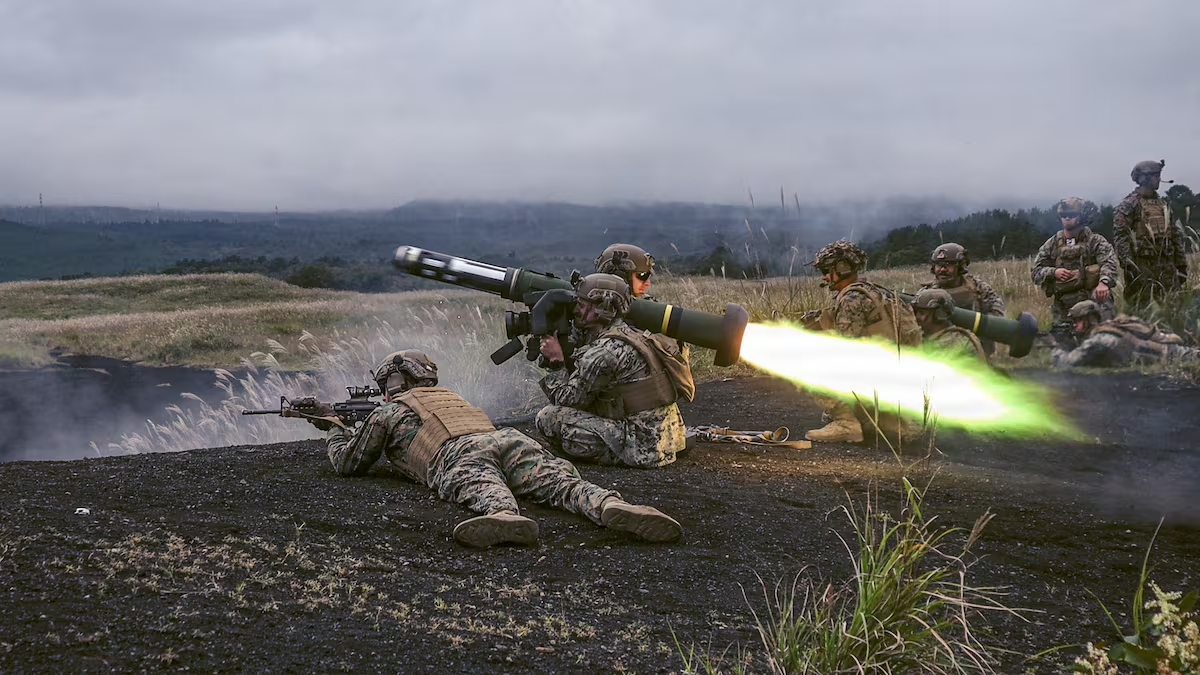
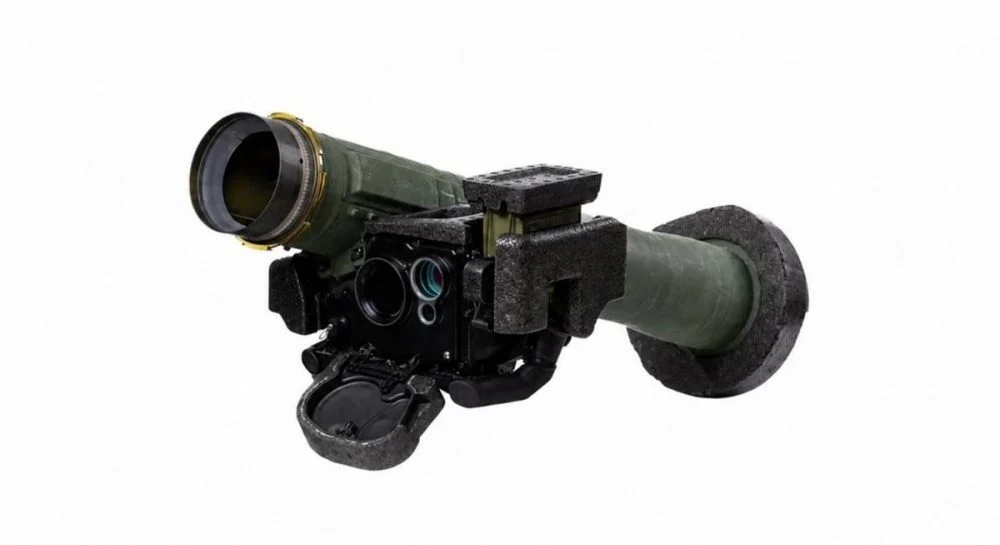
U.S. Army soldiers have begun fielding a new upgrade to the military's premier portable anti-tank missile. The Javelin Joint Venture (JJV), a partnership between Raytheon and Lockheed Martin, announced May 26 that it had turned over the first batch of Lightweight Command Launch Units (LWCLU) to the Army. The LWCLU takes over for the Block I command launch unit, the sighting and firing interface that soldiers use to lock on to enemy vehicles and positions before firing the Javelin. "The production and delivery of the LWCLU marks a pivotal step in modernizing the Javelin system for today's warfighter," said Rich Liccion, JJV vice president and Lockheed Martin Javelin program director, in a statement issued by RTX. "Its innovative design enhances mobility and survivability while preserving the precision firepower that users rely on." Troops have carried the Block I CLU since the Javelin first entered service in 1996. This is the first major overhaul of that hardware in the weapon system's entire three-decade history. Raytheon, an RTX business, built the new unit to be backward- and forward-compatible, meaning it can fire every Javelin missile variant the military has ever fielded or plans to produce. The company has put $22 million into retooling its assembly line in Tucson, Ariz., while working with the Army to scale up output. Military.com reached out to Lockheed Martin and Raytheon for comment.