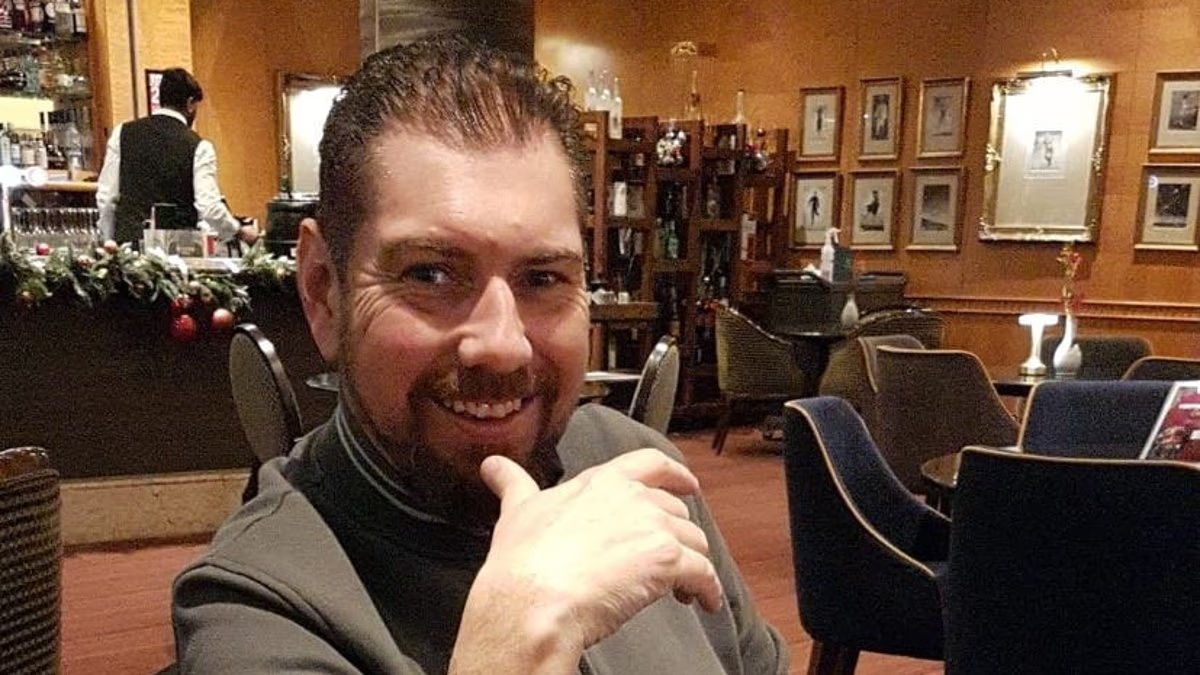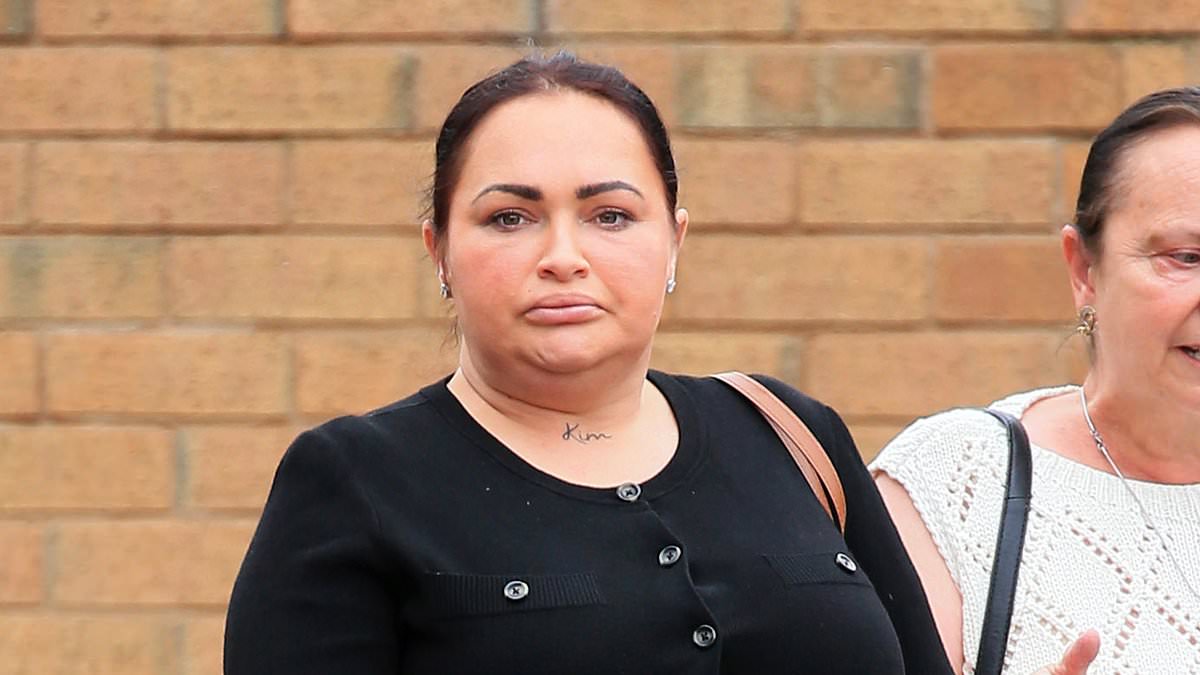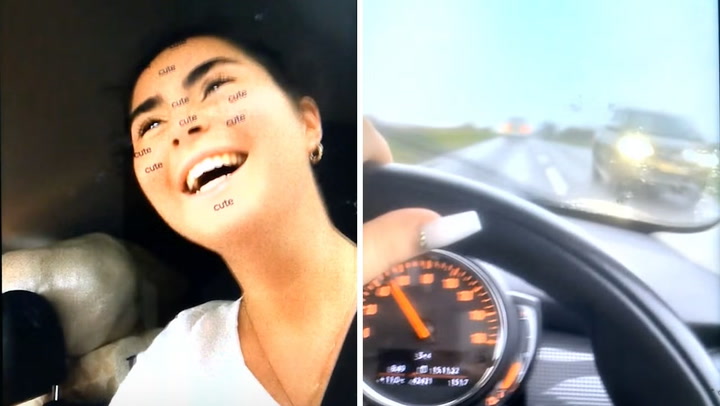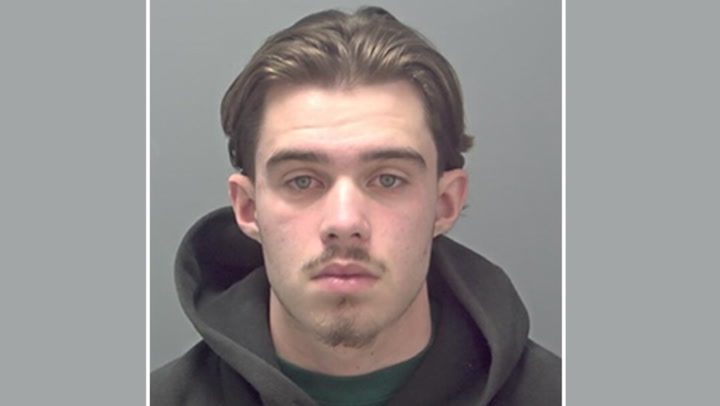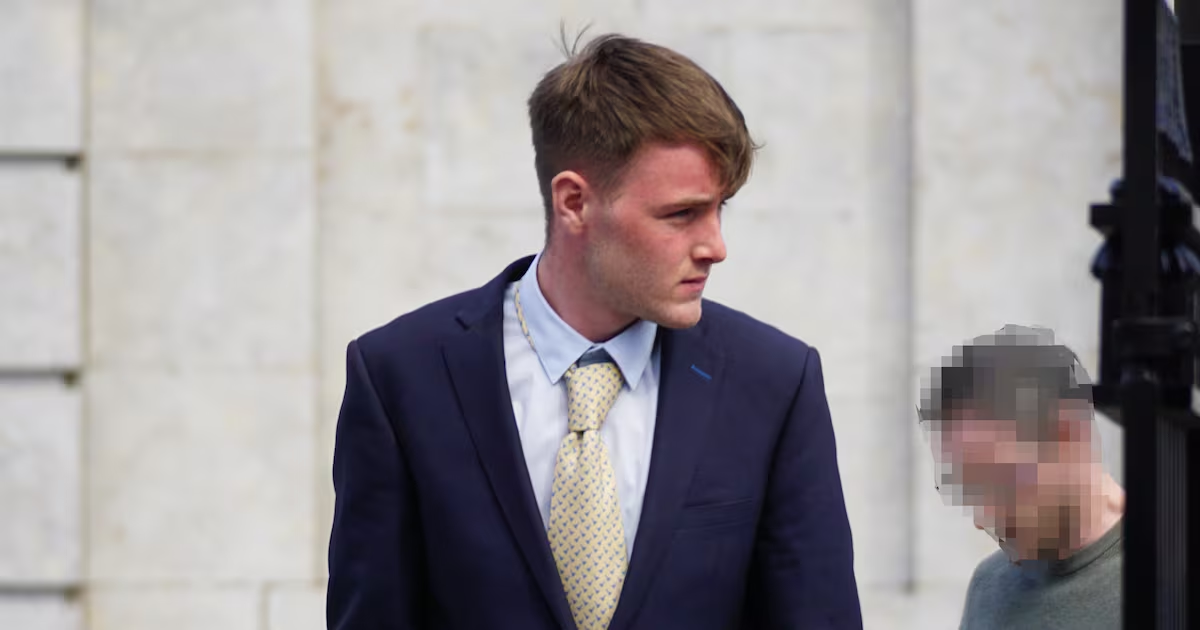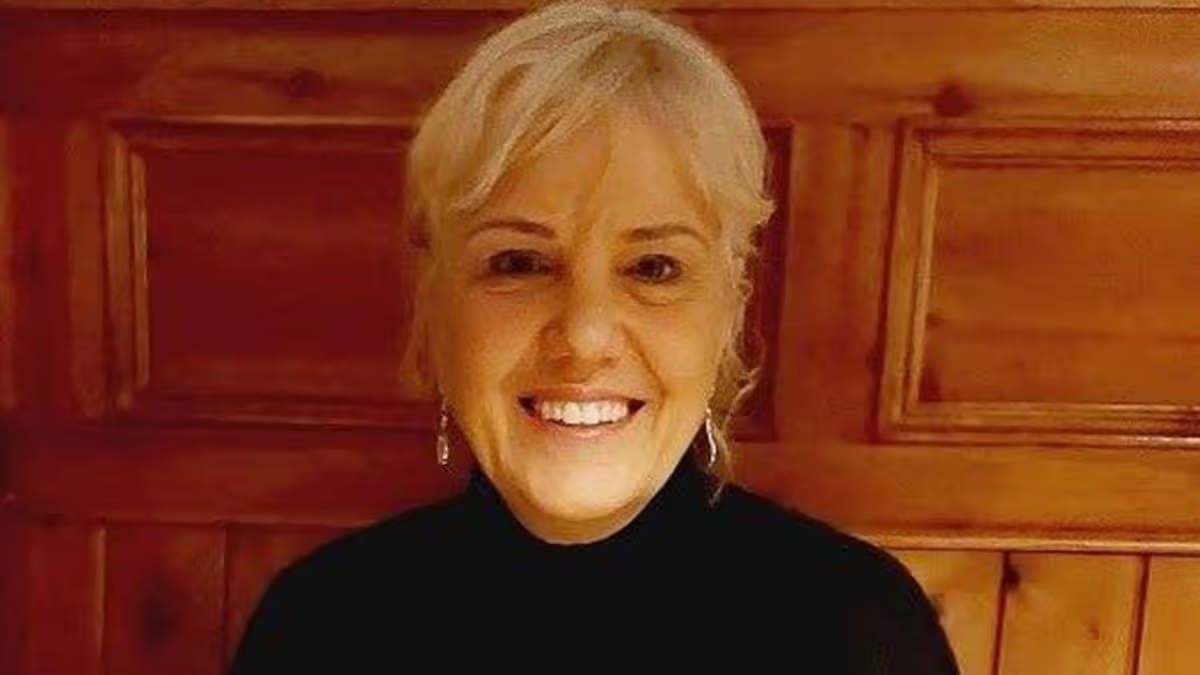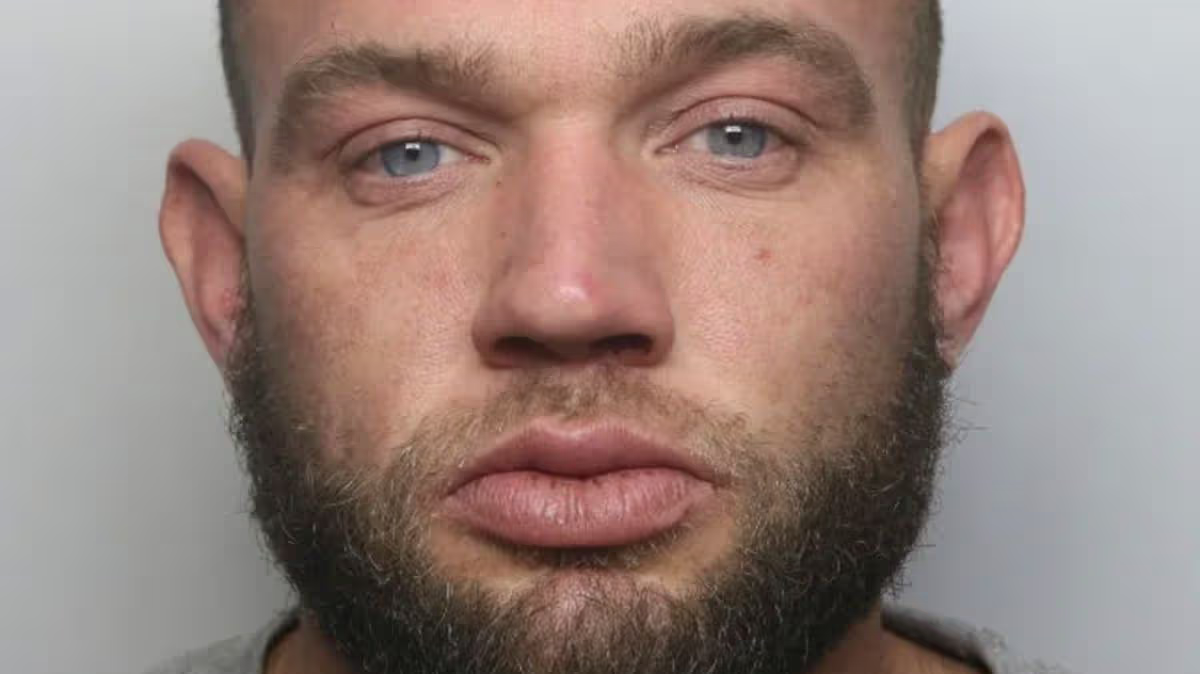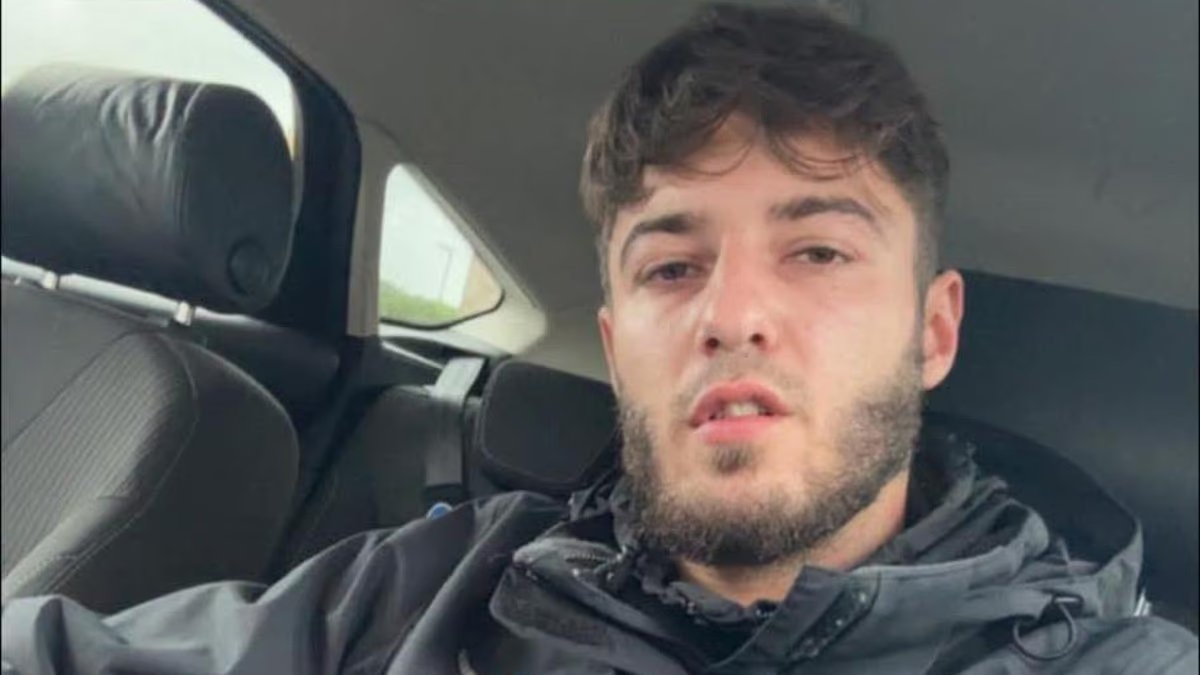
A father-of-three was killed in a 100mph crash by a drunk driver who was caught by the DVLA driving under the influence two months before - but had failed to be banned. Robbie Diffey, 24, was filming himself on Snapchat speeding in his Audi A4 40mph above the speed limit when he veered into the opposite lane on Cranborne Road in Dorset on December 13 last year. He collided into a Volkswagen T-Roc driven by 57-year-old father Peter D'Arcy, and both men died of multiple injuries at the scene. Tragically, Diffey was supposed to be banned from driving after he was caught in October - two months before the fatal collision - driving under the influence of cannabis. While his blood was being analysed for the offence, Dorset Police recommended the DVLA revoke his licence. But the agency didn't issue the revocation order until a few days after the tragedy. Sergeant Michael Burt of Dorset Police said that another video taken by Diffey and uploaded onto TikTok is believed to have shown him speeding at 120mph on the Upton Bypass in Poole. It is not known when this was filmed. An inquest heard how police found an opened bottle of Peroni lager between Diffey's legs after the crash that killed two people. Robbie Diffey (pictured) filmed himself driving at 100mph before he crashed into Peter D'Arcy, killing them both Father-of-three Peter D'Arcy (pictured) was described by his family as 'a true gentleman' who loved his family, football and travelling They also found the Snapchat video, which showed a flash of light from Mr D'Arcy's car a split second before the impact. Diffey had abused cannabis for 13 years and tests showed that he was under the influence of both alcohol and cannabis at the time of the crash. Sergeant Burt said: 'If he had survived we would have been looking at an offence of causing death by dangerous driving.' The inquest held in Bournemouth heard that Mr D'Arcy, a senior surveyor from Poole, had been driving home after spending the day with one of his sons when the crash happened. His partner, Tara Pennington, and his three children paid tribute to him at the hearing. Ms Pennington described him as a 'true gentleman' who loved his family, football, and travelling. She said: 'I am heartbroken. My life was shattered when Pete died. 'We had the perfect relationship - he was my soulmate, and we had the deepest love for each other.' She said Mr D'Arcy was highly regarded in his job as a senior surveyor and was known for his 'professionalism, warmth and ability to connect with people.' His son, Kyle, 28, said: 'Our lives have been shattered by what happened and our lives will never be the same without our dad.' His daughter, Lucy D'Arcy, 24, said her father's death has left a 'huge hole in their hearts'. Mr D'Arcy's youngest son, Jack, 17, said his father was 'warm-hearted to everyone close to him' and 'it is devastating how his life ended'. Senior Dorset coroner Rachael Griffin concluded that Mr D'Arcy died from an unlawful killing. She described Diffey's driving as 'audacious and abhorrent'. She found he was travelling at speeds of at least 92mph, in the dark, on a rural road, under the influence of alcohol and drugs, and while using a mobile phone. She said: 'It would be an abuse of language to describe Mr D'Arcy's death as an accident.' She concluded that Diffey, who was also known as Robert Williams, died from a road traffic collision. His mother, Sarah Diffey, said her son had started taking cannabis aged 11 and had suffered from mental health issues. She is calling on better regulation from the DVLA when dealing with drivers who suffer from mental disorders to keep people safe from themselves and others. Diffey, from Poole, had been diagnosed in 2024 with emotional unstable personality disorder and ADHD. She described her son as a 'kind, loving and caring young man' who was strong-minded from a young age. She said he did not drink regularly but did when he was triggered, as was the case, she claimed, in the lead up to the crash. Ms Diffey said: 'It is important for people to understand that this was not who he was as a person. 'It was a response to what he was going through.' She added: 'He would not have been able to live with himself if he had survived.'
DVLA failed to ban drunk driver who then killed father in 100mph crash
Robbie Diffey, 24, was filming himself on Snapchat speeding in his Audi A4 40mph above the speed limit when he veered into the opposite lane on December 13 last year.
742 words~3 min read