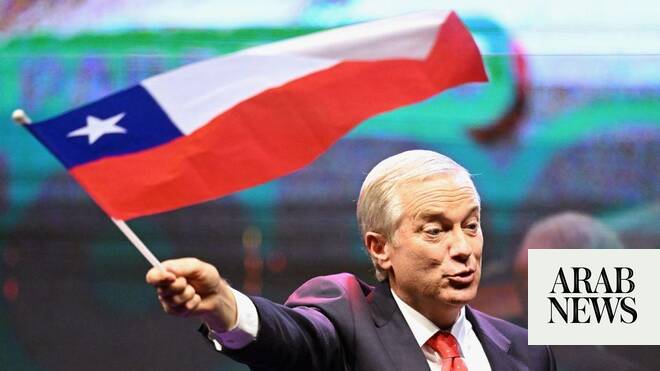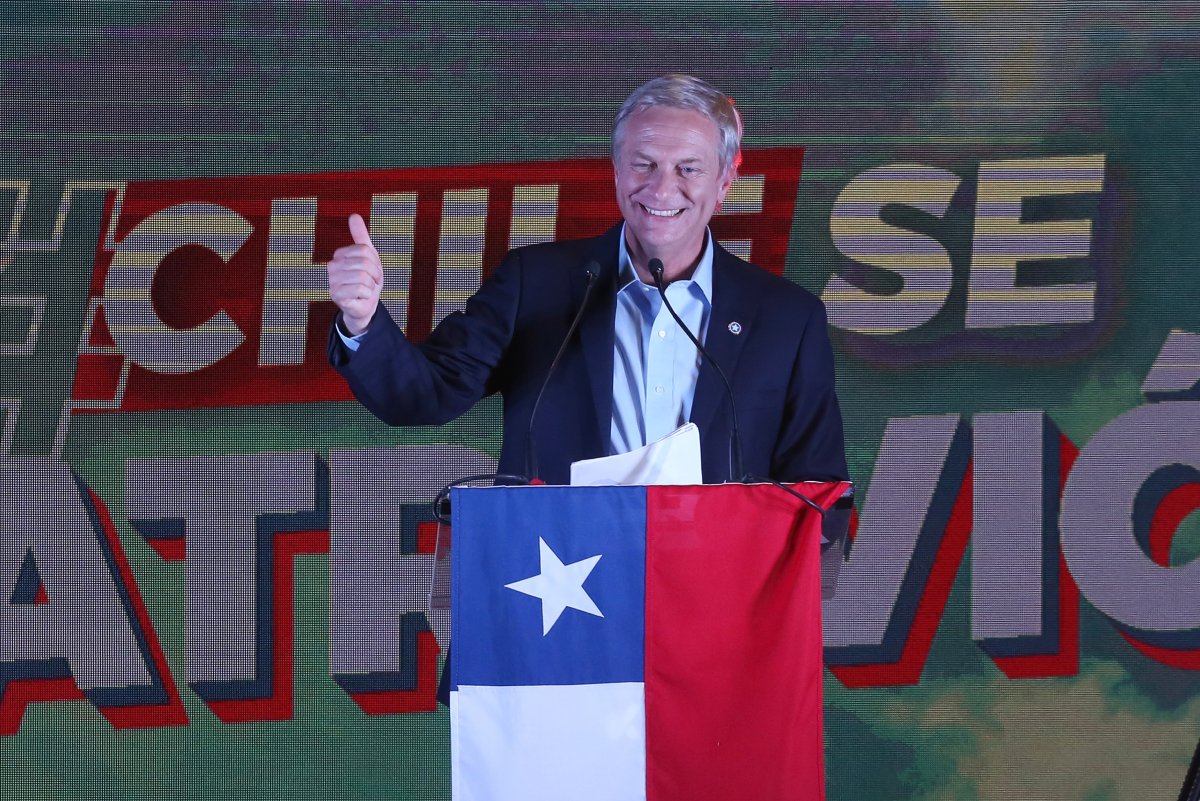
José Antonio Kast won the Chilean presidency in one of the most polarized presidential contests since the country’s return to democracy. File Photo by Elvis Gonzalez/EPA
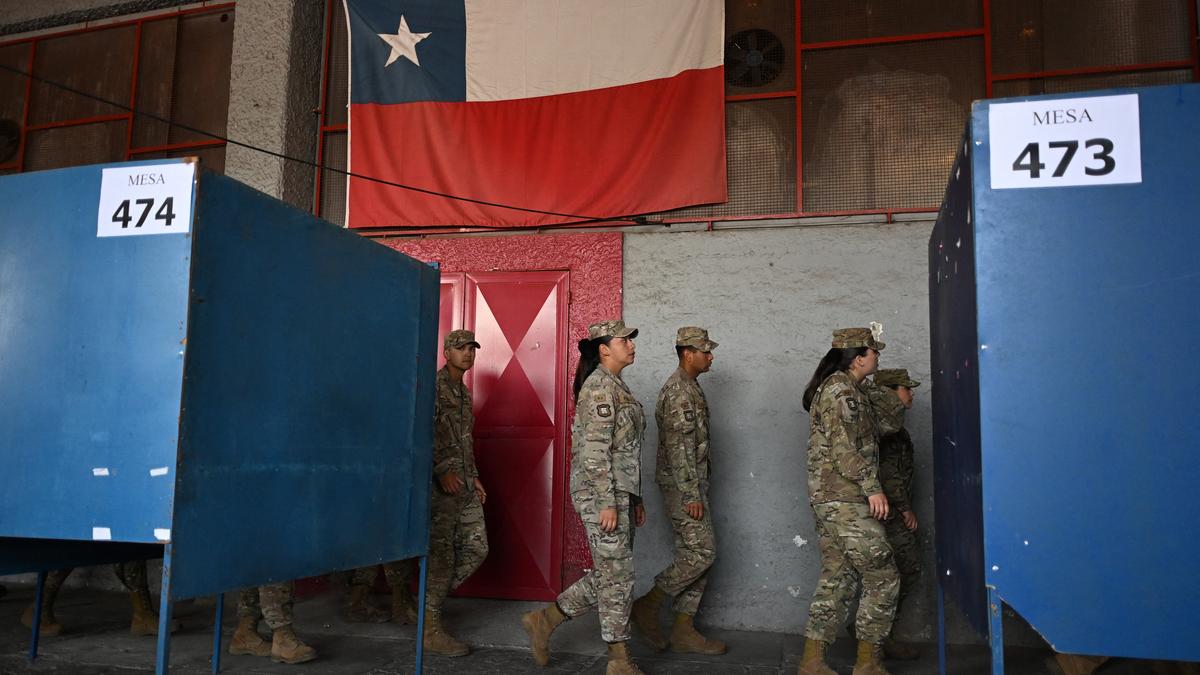
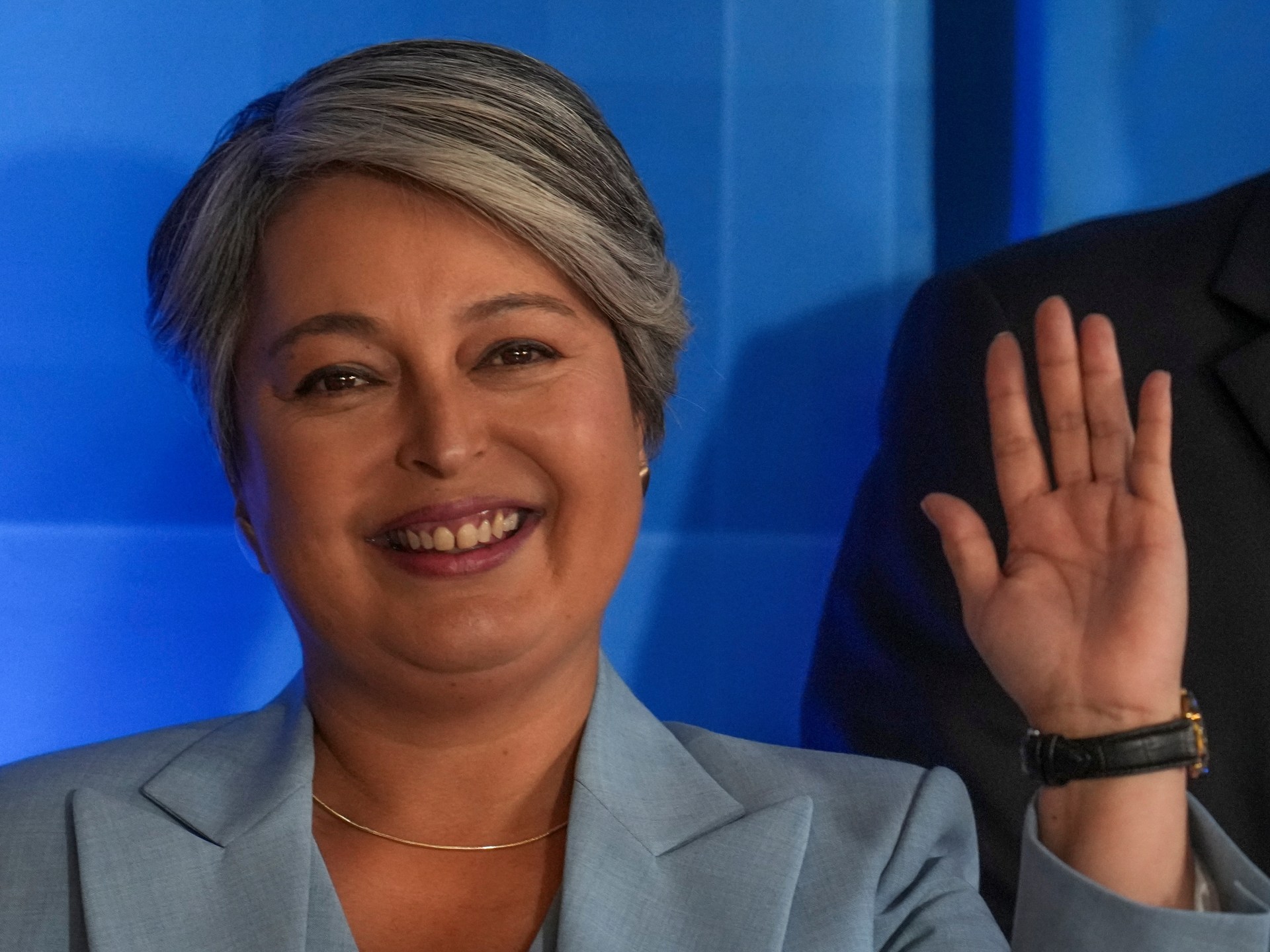
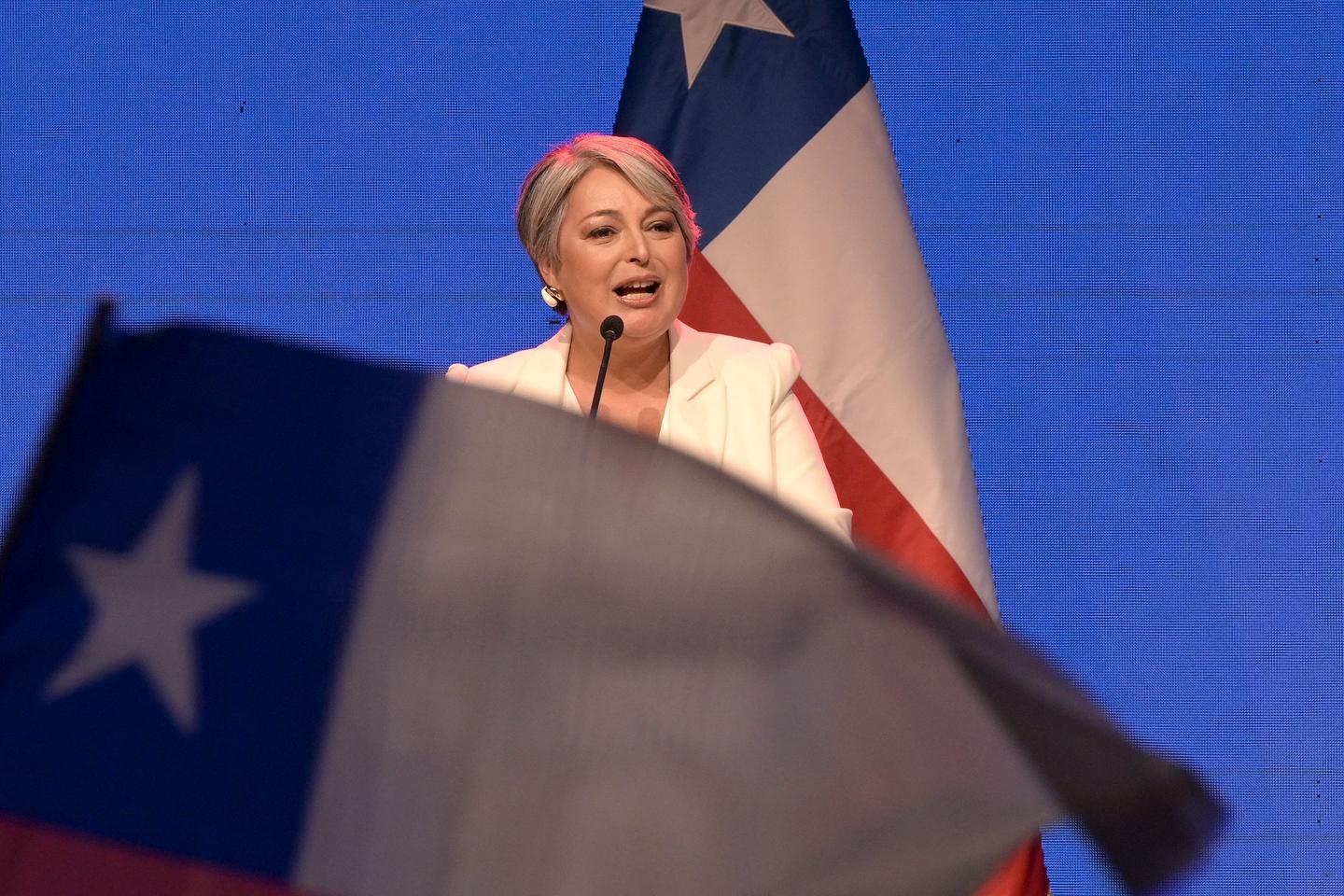
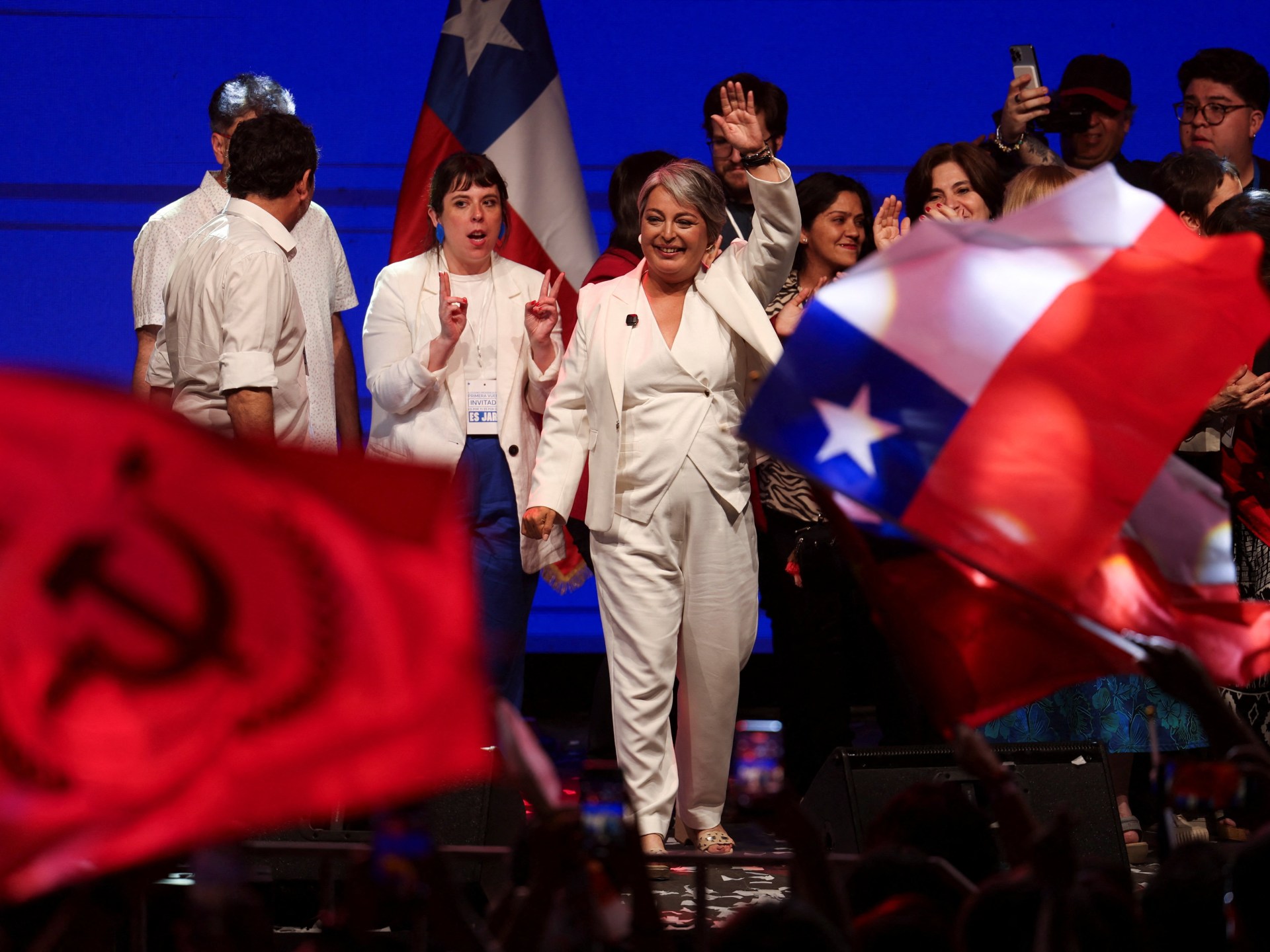
May 29 (UPI) -- Late last year, Chileans went to the polls in one of the most polarized presidential contests since the country's return to democracy. José Antonio Kast, a conservative, defeated Jeannette Jara, a Communist Party candidate, by a wide margin: 58 percent to 42 percent. The gap between them was not merely political. It felt moral, even civilizational.
Chile is hardly alone. Across Latin America and the democratic world, citizens increasingly inhabit different moral universes. They do not simply disagree about policy. They distrust one another's motives and interpret the same events through incompatible narratives.
The moral roots of political division
The American social psychologist Jonathan Haidt offers a useful framework. In The Righteous Mind, Haidt argues that political ideology is not a purely rational choice. It is also rooted in moral intuition and emotional disposition. We reason, but often only after our emotions have already chosen a side.