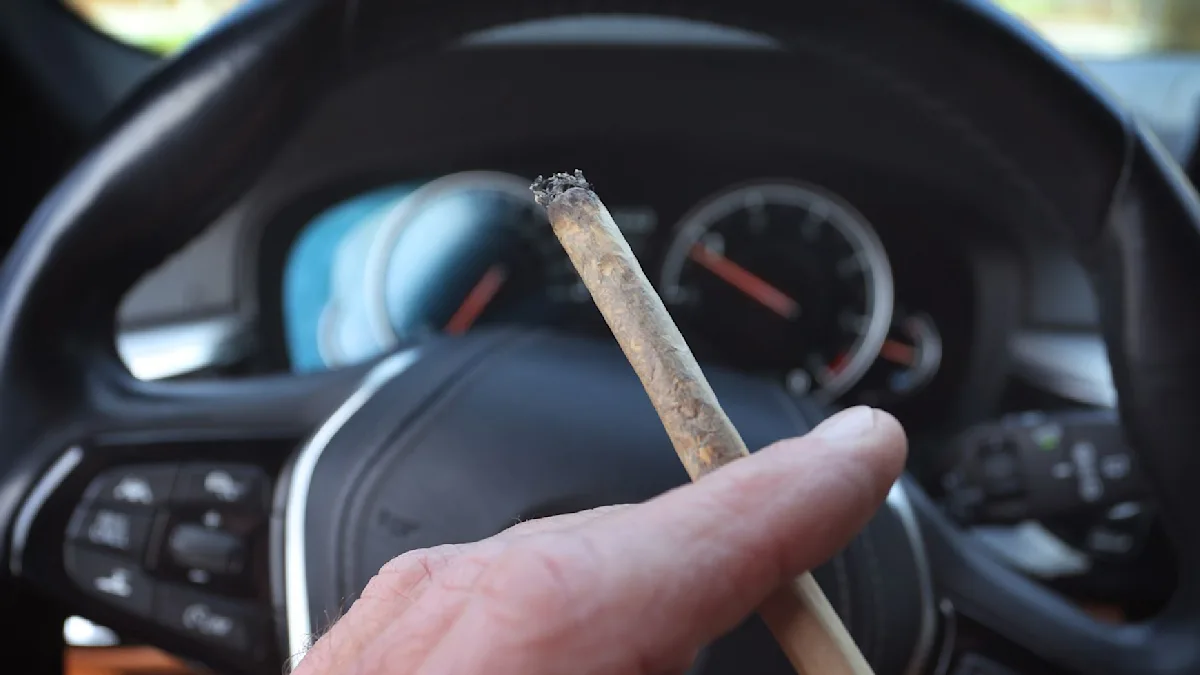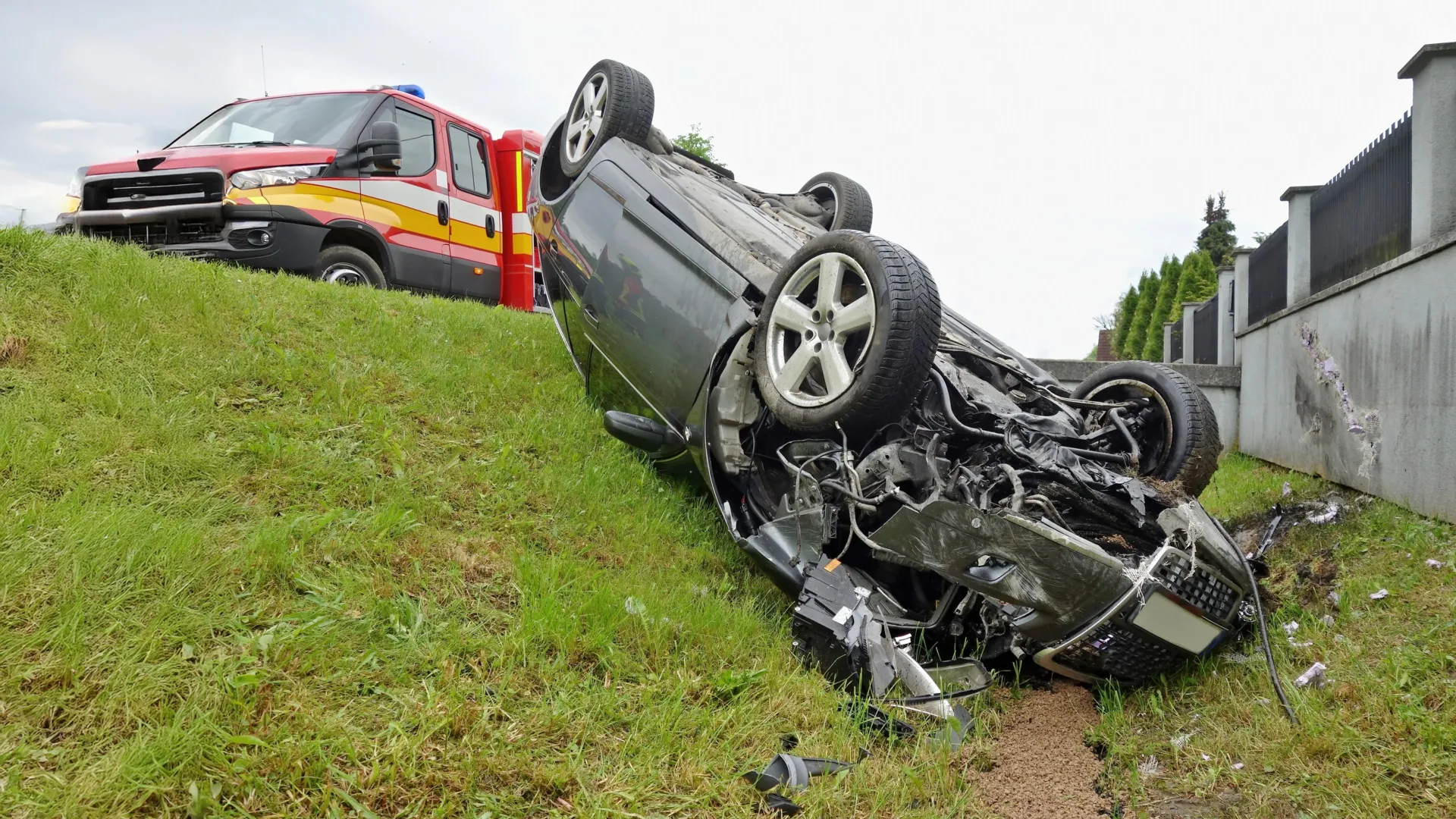
New research from Johns Hopkins Medicine suggests that combining cannabis edibles with alcohol can impair driving more than using either substance alone. The study also found that standard field sobriety tests often failed to detect impairment caused by cannabis, whether it was consumed by itself or alongside alcohol.
The findings, published in JAMA Network, underscore growing concerns about the risks of mixing cannabis and alcohol. Researchers say the results point to a need for better public awareness and more effective ways to identify impaired drivers on the road.
The study also raises questions about current legal standards. According to the researchers, the legal alcohol intoxication threshold used across most of the United States (0.08% breath alcohol level, or BrAC) may not adequately reflect driving impairment when alcohol is combined with cannabis.
"Our findings indicate that co-use of cannabis and alcohol produces significantly greater driving impairment and subjective intoxication than either substance alone," says the study's lead author, Austin Zamarripa, Ph.D., assistant professor of psychiatry and behavioral sciences at the Johns Hopkins University School of Medicine. "Importantly, these findings suggest that the interaction between cannabis edibles and alcohol is not merely additive, but may be synergistic in producing impairment, which has important implications for real-world risk."