In every conversation, there comes a point when it becomes something closer to a life guide—how things work, where they fail, and what it takes to keep going anyway.
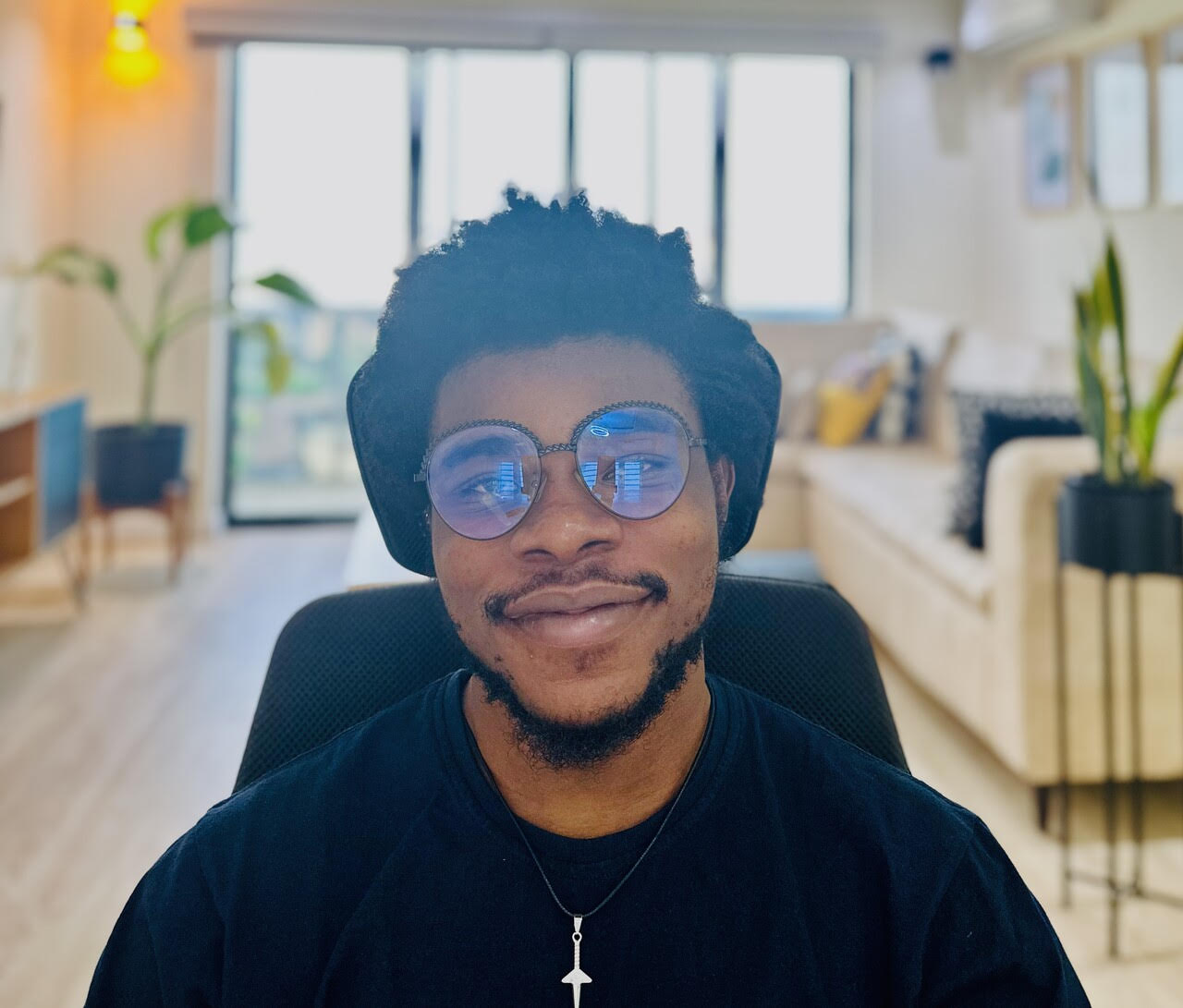
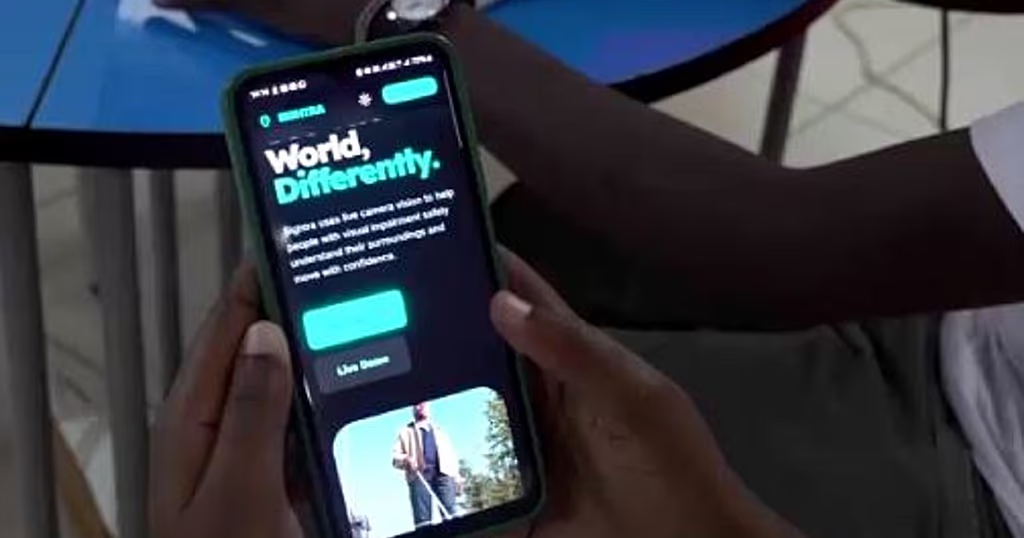
With Afolabi Oyebiyi, a software engineer at Nigerian software consulting firm Cyclone, that point arrives when he talks about the accumulation of small, technical details like the screen readers that make computers speak, the textbooks that don’t, the coding tools that assume everyone has sight. He talks about them because his condition has made him work within these confines.
Before he became a software engineer, he was already learning how systems behave when they are not designed for you. Then, in 2005, when his sight began to deteriorate, his relationship with the digital world changed in ways he could not reverse, and he had to adapt.
He followed a slow rebuilding, including spending time in rehabilitation centres where he first encountered screen readers, braille, and online platforms that promised self-paced learning but assumed visual interaction. He also enrolled at the Lagos branch of the National Institute of Information Technology (NIIT), an Indian-based global private skills and talent development firm, where he was the first visually impaired student, learning alongside a system that was itself learning how to include him.