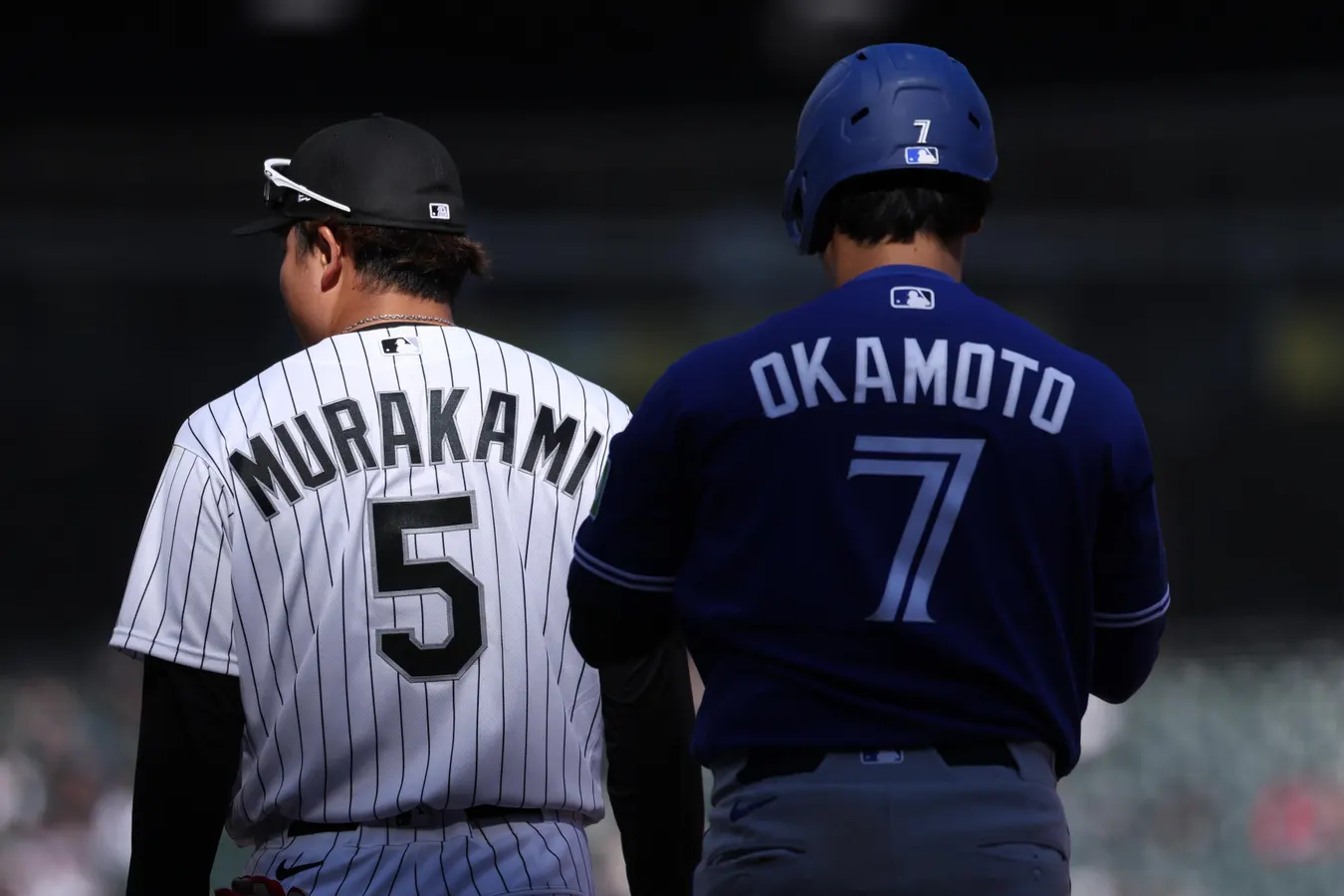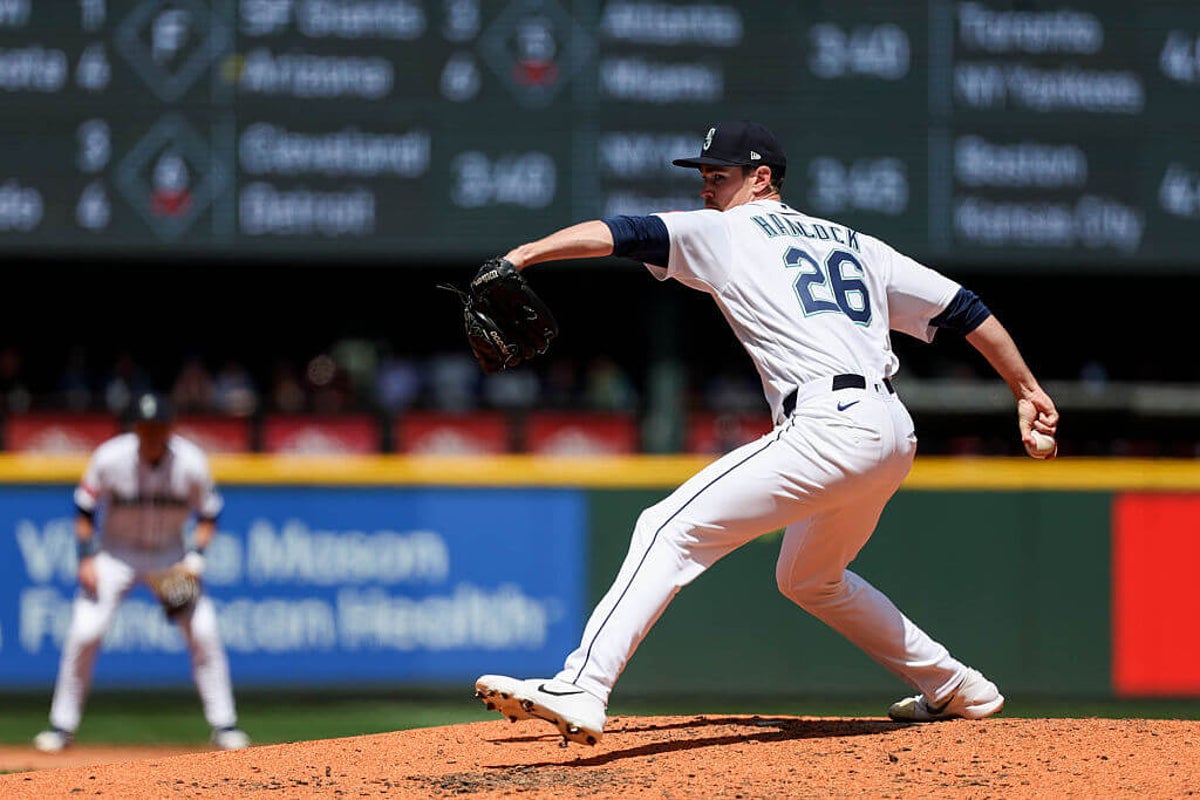
This column focuses on two breakout players: Emerson Hancock and Munetaka Murakami. Hancock made three major changes involving mechanics, pitch movement and pitch usage that are driving his breakout season, while Murakami is having success as a three-true-outcomes hitter in his MLB debut campaign.Emerson Hancock, SP, SEAHancock has looked like a new pitcher through his first 11 starts of 2026. He has a career-best 3.57 FIP, his strikeout rate has increased by 10%, and his walk rate has dropped by 2%. This improvement is not accidental. He’s made significant changes to his arm slot, pitch shapes and pitch usage against both righties and lefties.Andrea discusses Hancock’s improved reliabilityArm slotHancock lowered his arm slot by 6 degrees. In 2025, he released from a more traditional three-quarters slot, but this season his arm is noticeably lower, giving him more of a low three-quarters release.Interestingly, the reduced arm slot did not lead to increased horizontal movement on his stuff.Pitch movementIn 2025, the sinker’s primary movement characteristic was its run. This season, Hancock revamped the pitch. It now gets less run, but plus-sink. The increased depth separates the pitch from other MLB sinkers and makes the movement more unique.The sinker’s 95-mph velocity, along with the improved shape, now gives Hancock a reliable, above-average weapon.Pitch mix vs. right-handed hittersHancock shifted his mix versus righties dramatically. He dropped his slider in favor of his sweeper, and now focuses his plan of attack with the sinker/sweeper combination.Pitch Type2025 Usage2026 UsageDifferenceSinker46%34%-12%Sweeper7%30%23%Four-seamer20%29%9%Cutter0%5%5%Changeup9%1%-8%Additionally, he changed how he uses his pitches. In 2025, Hancock was tunneling his slider with his sinker and changeup, throwing all three pitches inside against righties. He used his four-seamer up in the zone and to the outer half.Looking at the 2026 pitch map below, Hancock is now using a more common plan of attack with his four-seamer, sinker and sweeper. He uses the sinker low and in, the sweeper low and away, and the four-seamer up.He is also occasionally using the sweeper front-door.This updated plan of attack is more effective because while the slider and sweeper have similar depth, the sweeper has 10 more inches of sweep. When he throws the sweeper, it has more movement separation from the sinker, and in the opposite direction. Then, he can use the four-seamer up to change eye level and prevent hitters from looking low. He uses the cutter very rarely, and primarily deep in counts.One issue that’s come up is that he has started to allow more hard contact against his sinker. So he could reincorporate his changeup. The pitch has a similar movement profile to the sinker, but with a 7.5-mph velocity gap. He could explore what it looks like to tunnel his changeup with this sinker inside, while maintaining the sweeper away and four-seamer up.Pitch mix vs. left-handed hittersHancock also transformed his mix against lefties. He started using his four-seamer as his primary fastball, stopped throwing his changeup as frequently and increased the usage of his sweeper.Pitch Type2025 Usage2026 UsageDifferenceFour-seamer32%43%11%Cutter0%17%17%Sinker32%16%-16%Sweeper0%14%14%Changeup29%8%-21%Slider7%0%-7%He also introduced a cutter. It’s not a new pitch for him, but he rarely used it in previous seasons. The cutter is 86 mph and has above-average cut. He throws his stuff away to lefties and rarely goes in.It is common to see righties use cutters in on the hands of lefties, and Emerson could try this to prevent hitters from crowding the plate and only looking away. He can also increase the usage of his sweeper to the back foot of lefties. Some pitchers are hesitant to pitch in, but it is necessary (especially for starters) to maintain unpredictability.
Emerson Hancock’s success driven by sweeping changes; Munetaka Murakami’s risky profile
Andrea Arcadipane illustrates how an overhaul of his pitch mix has helped solidify Emerson Hancock's standing in the Mariners' rotation.
1,446 words~7 min read