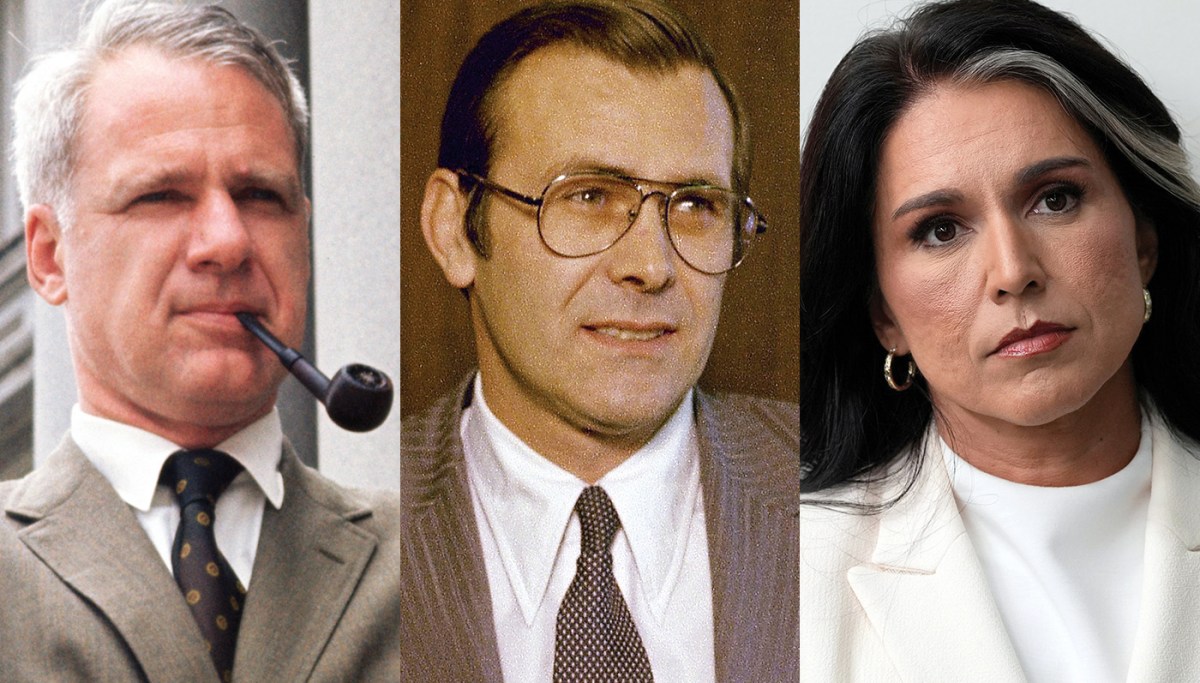
With the departure of Director of National Intelligence Tulsi Gabbard, we’ve now reached what can be called an actual Cabinet shakeup. Over the past six weeks, we’ve seen the resignation of Kristi Noem from the Department of Homeland Security, Pam Bondi from the Department of Justice, and Lori Chavez-DeRemer from the Department of Labor. When we include the departure of Food and Drug Administration Commissioner Martin Makary and Secretary of the Navy (once a Cabinet-level position) John Phelan, it is clear the Trump administration is in the midst of an appointee overhaul.Cabinet shakeups don’t come around often. They are risky because they are often interpreted as a sign of political desperation, but that is not always the case.In the 1829-31 Petticoat Affair during President Andrew Jackson’s administration, Vice President John Calhoun inspired a Cabinet rebellion against Jackson over disapproval of Secretary of War John Eaton’s wife, Peggy. It was a protracted affair, but eventually, in 1831, Old Hickory demanded that Cabinet members not on his side resign. They did, save for one person: Postmaster William T. Barry. In the wake of this realignment, Jackson relied instead on a Kitchen Cabinet of advisers. In addition, Secretary of State Martin Van Buren — who had supported Jackson during the controversy — joined Jackson’s ticket as vice president for Jackson’s 1832 reelection. Van Buren became the last vice president elected to succeed the presidents under whom he served until George H. W. Bush succeeded Ronald Reagan.
Trump's Cabinet reshuffle part of a presidential tradition
With the departure of Director of National Intelligence Tulsi Gabbard, we’ve now reached what can be called an actual Cabinet shakeup.
1,435 words~7 min read