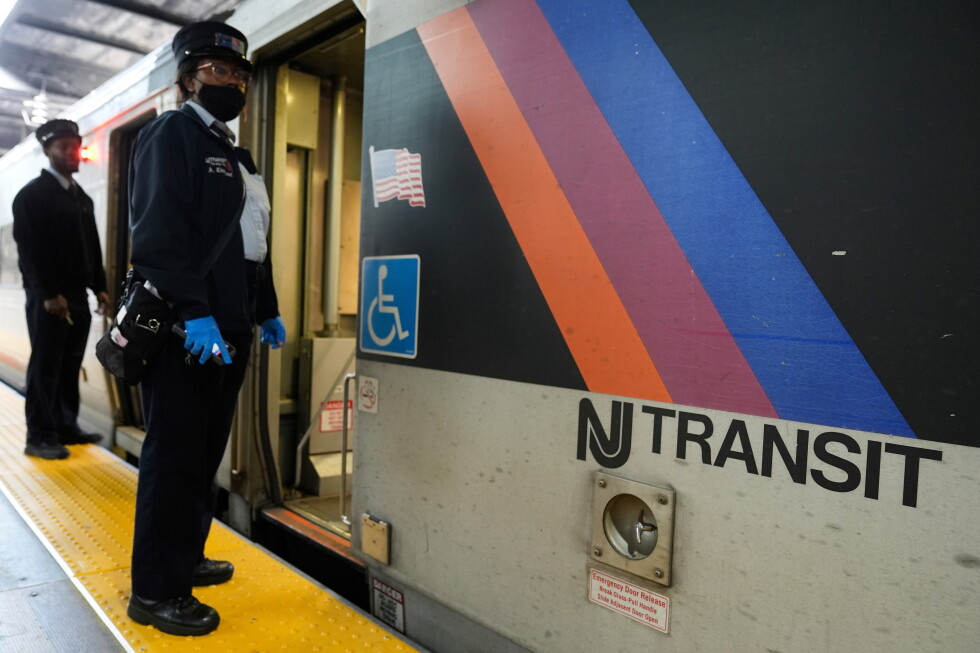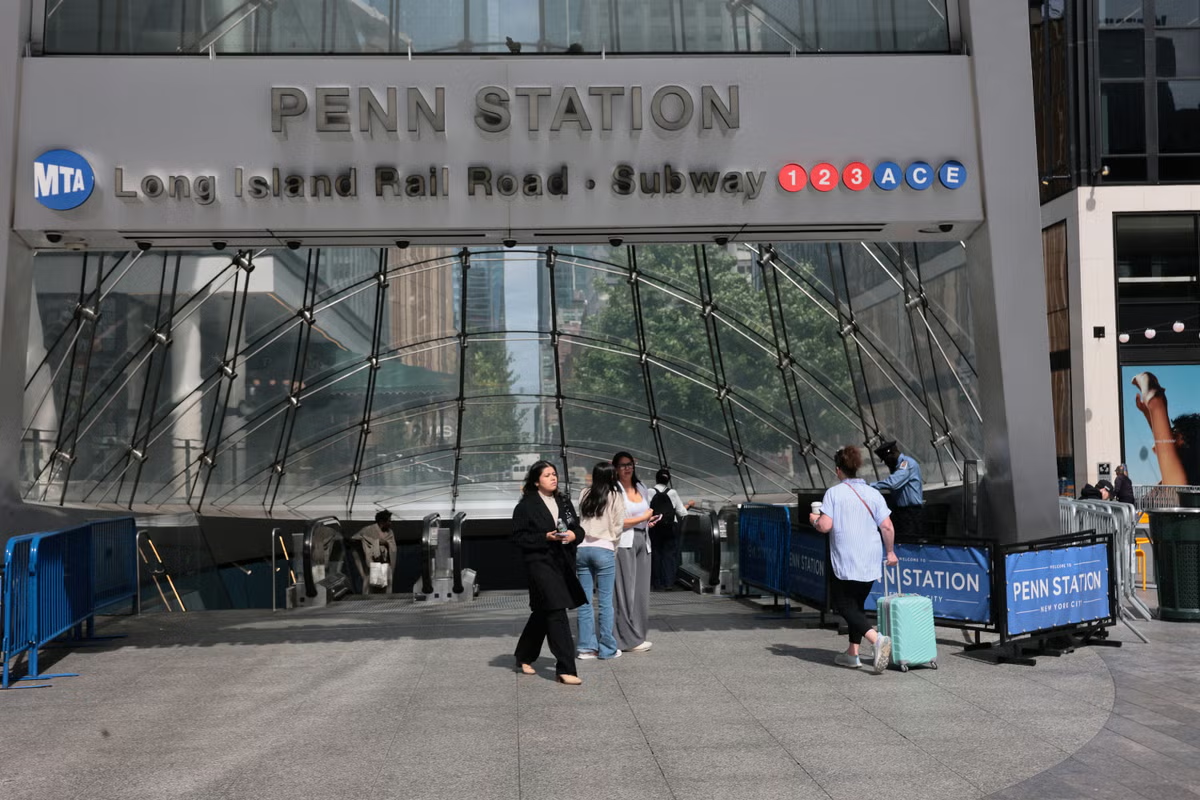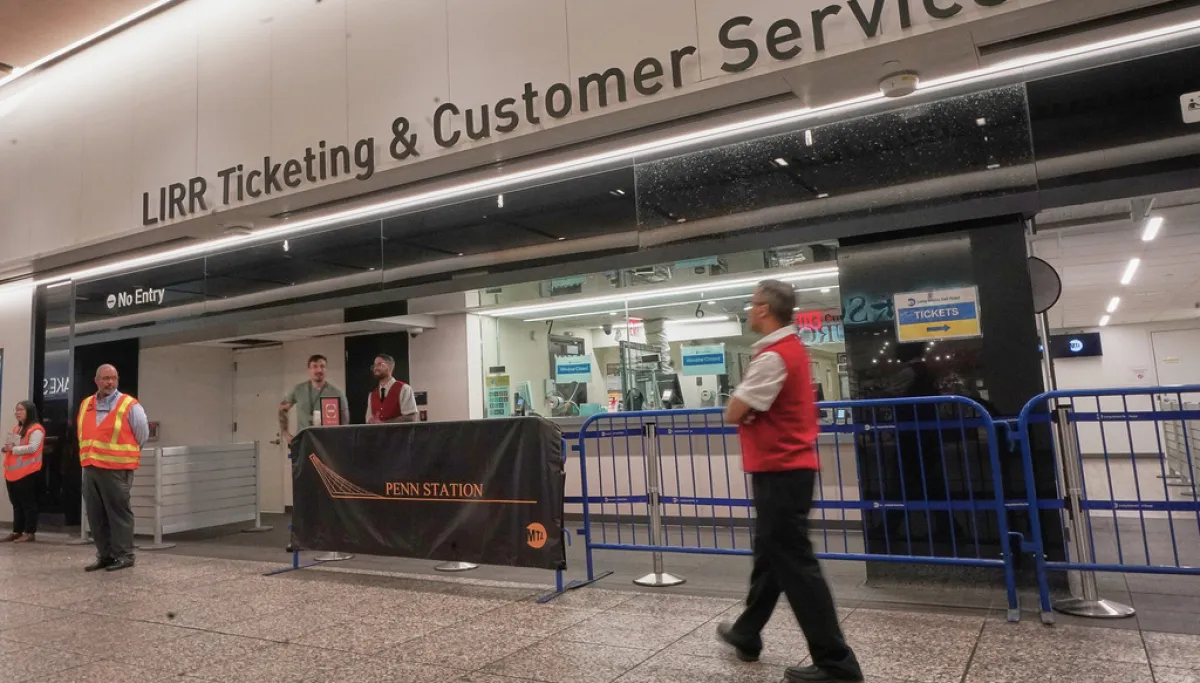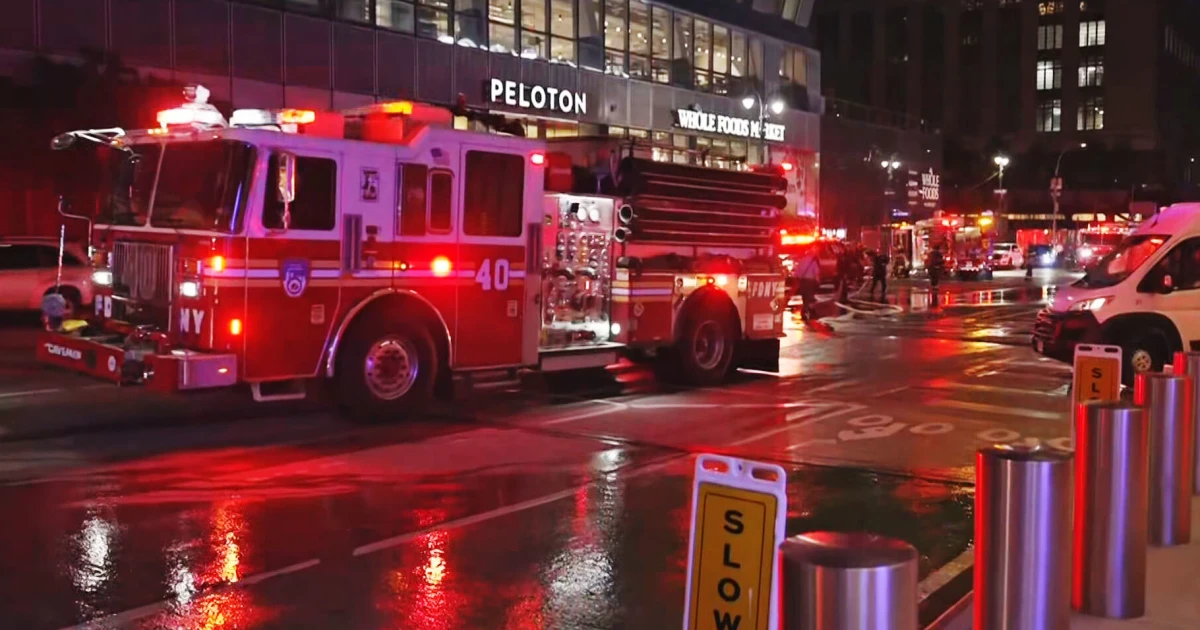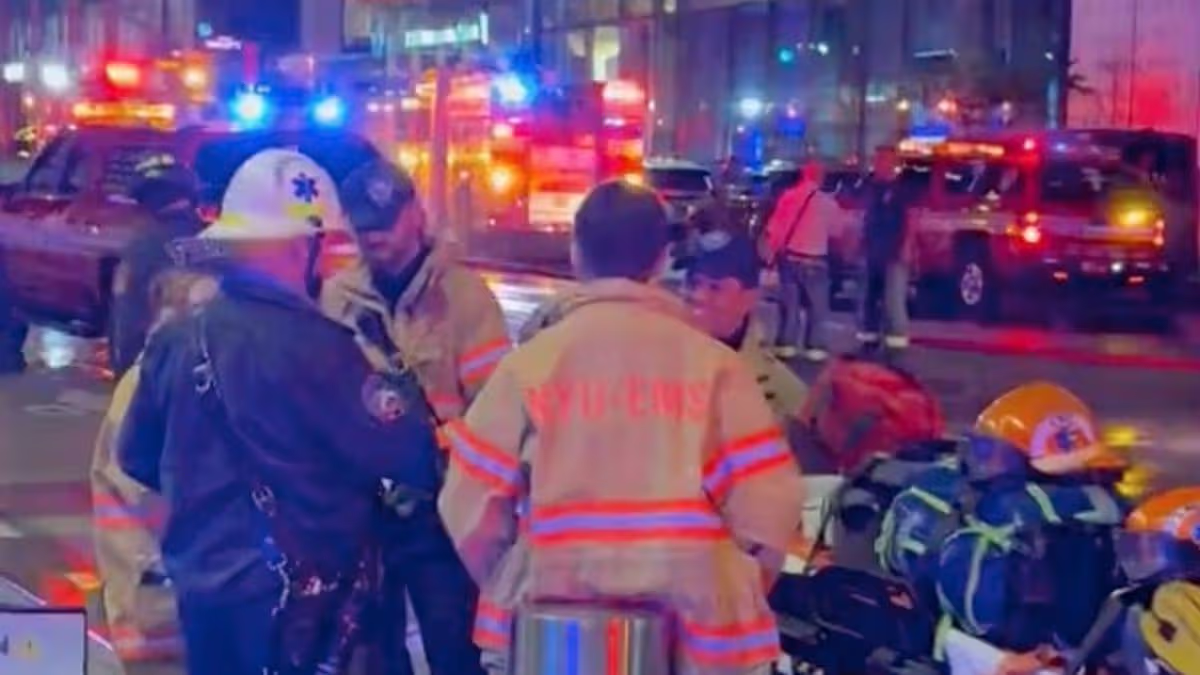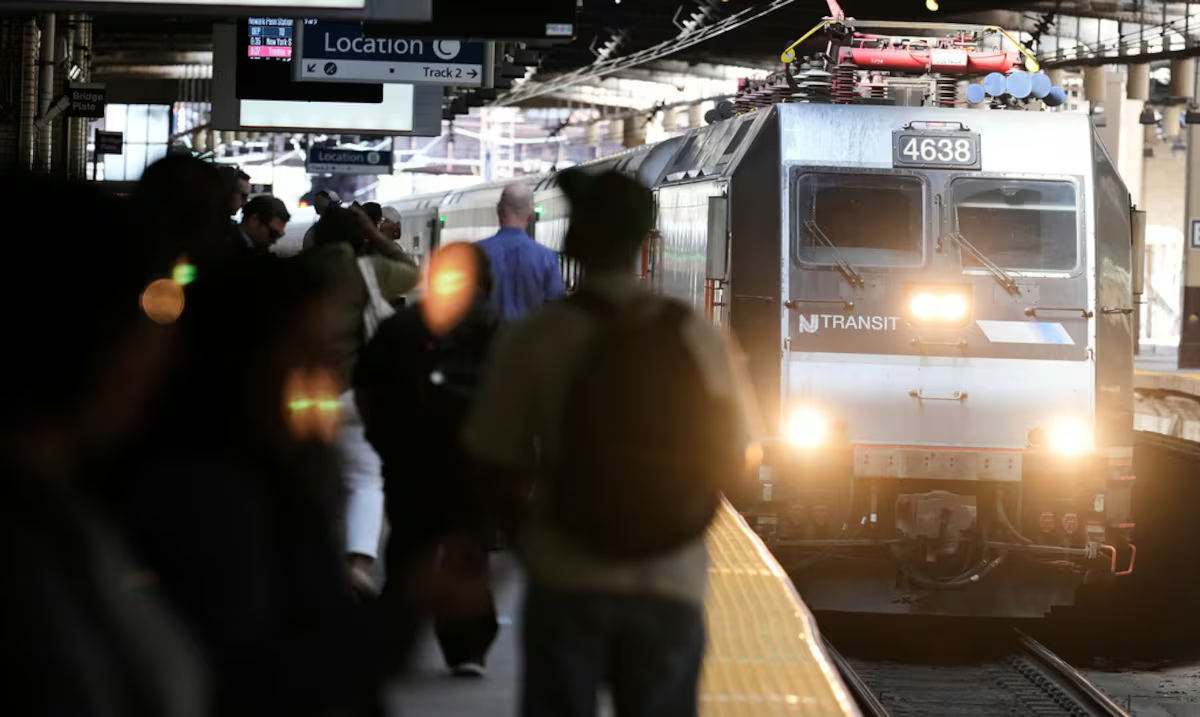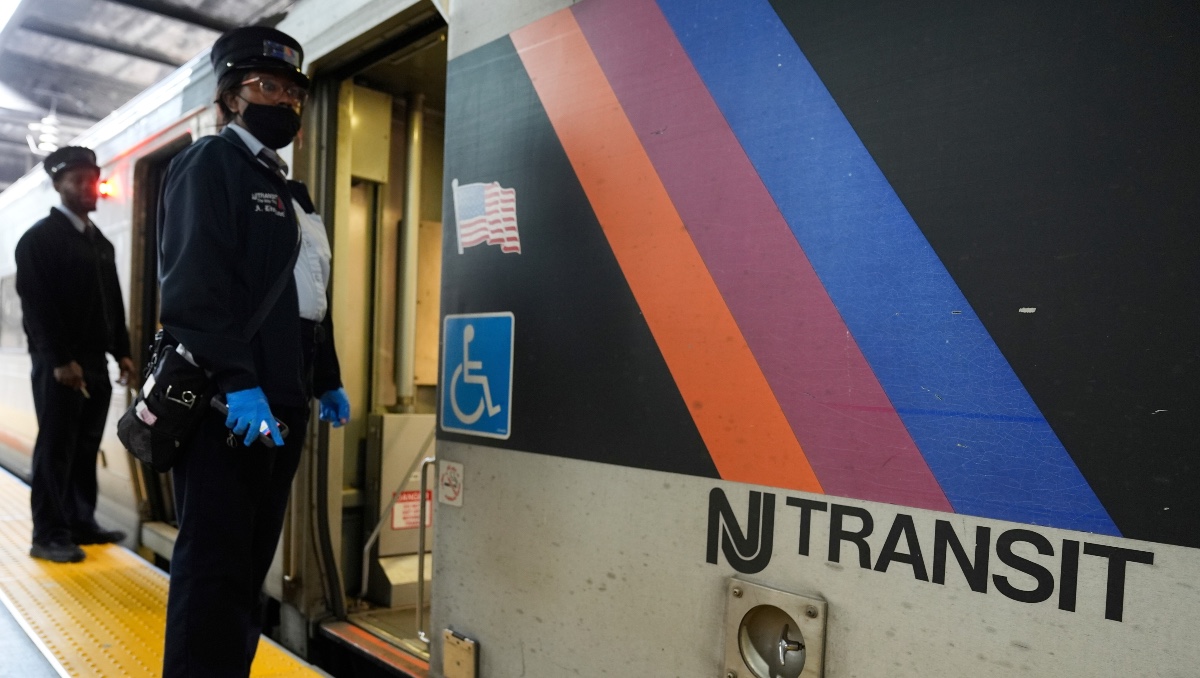
Authorities say a fire in a rail yard train car near New York's Penn Station has injured five people and disrupted service for many commutersByThe Associated PressMay 29, 2026, 8:26 AMNEW YORK -- A fire in a rail yard train car near New York's Penn Station injured five people and disrupted service for many commuters early Friday, authorities said. The fire resulted in train delays in New Jersey Transit and Amtrak rail service into New York and briefly suspended Long Island Rail Road service, more than a week after a strike had shut down that system.New Jersey Transit posted on X that it was an Amtrak train car that was on fire “in one of the Hudson River tunnels.” It said the fire resulted in “overhead wire damage.” “Impacts are expected to last through the morning rush hour," it said. Amtrak posted on X that it suspended its service until at least noon Friday due to maintenance resulting “from a now extinguished fire in the New York area.” It said lengthy delays were expected for trains traveling north of New York. Popular ReadsIt did not post any information about the fire itself. An email seeking comment was sent to Amtrak. Fire officials said 100 firefighters responded to the fire early Friday and that five people were hurt. Two of them were taken to a hospital. Their conditions were not immediately known. Penn Station, underneath Madison Square Garden, can serve roughly 600,000 passengers daily via Amtrak, the New York subway system, New Jersey Transit and the LIRR..
Rail car fire near New York's Penn Station injures 5, snarls morning commute
Authorities say a fire in a rail yard train car near New York's Penn Station has injured five people and disrupted service for many commuters
TL;DRAI
A fire in an Amtrak rail car inside a Hudson River tunnel near Penn Station injured 5 people and disrupted NJ Transit, Amtrak, and LIRR service during Friday morning rush hour. For operations teams managing commuter-dependent workforces in the New York metro area, the incident underscores the fragility of the Penn Station corridor, which handles up to 600,000 daily passengers across four transit systems with no redundancy buffer.
256 words~1 min read