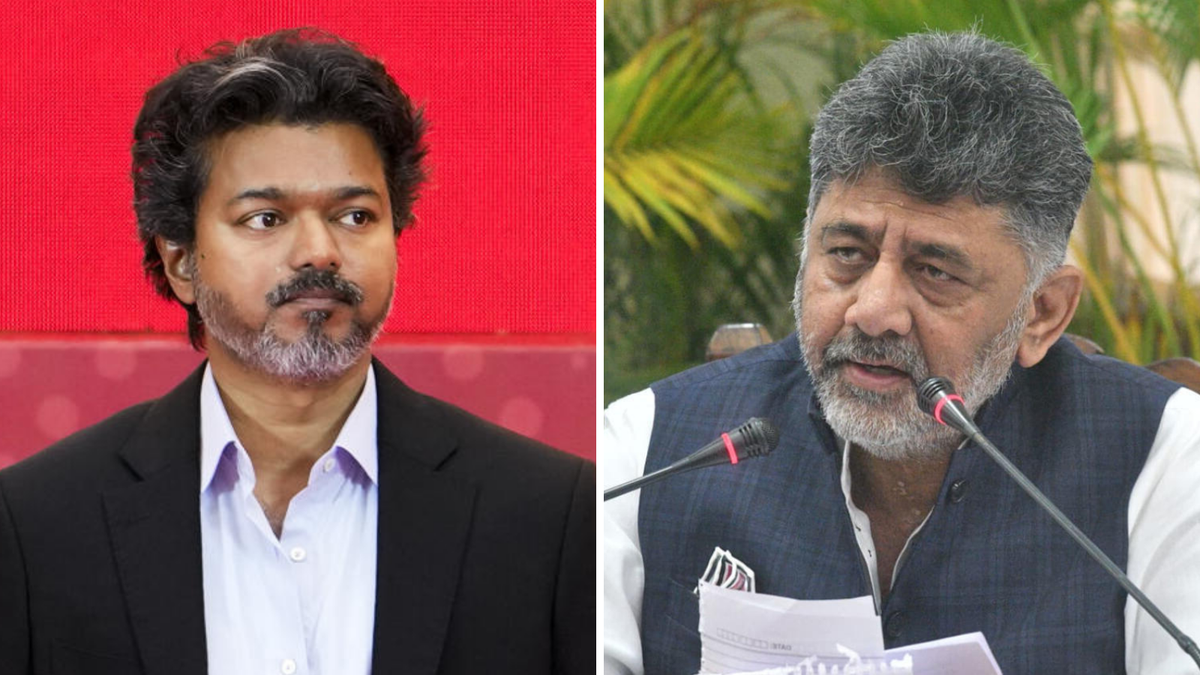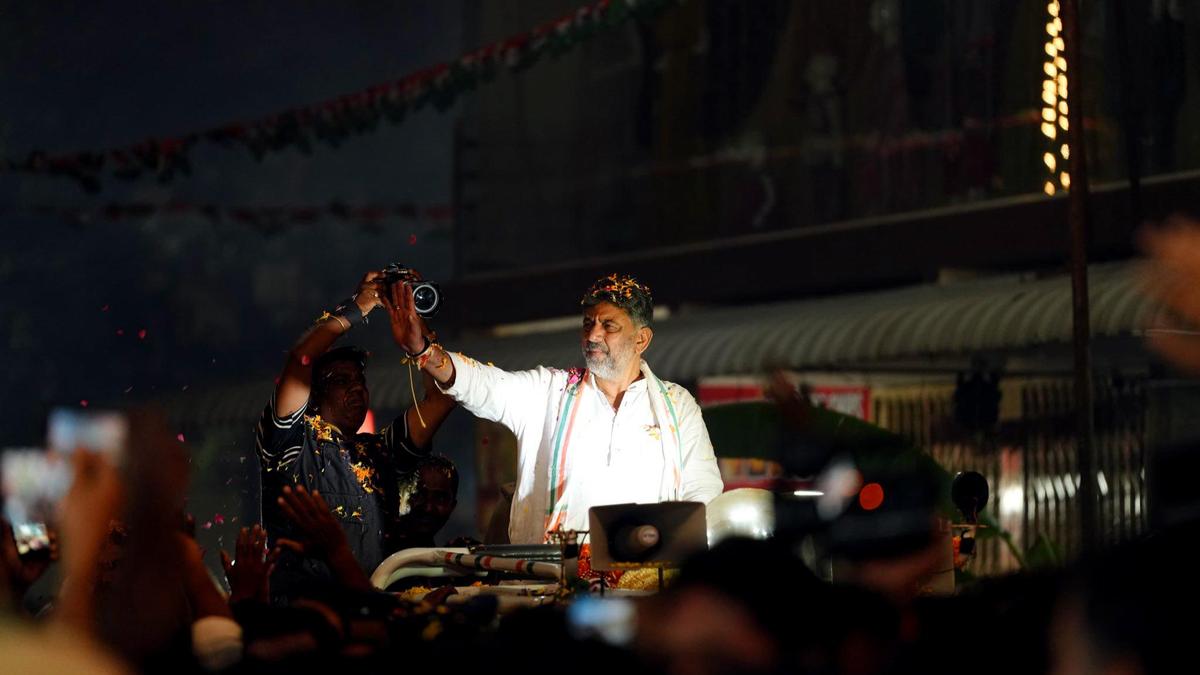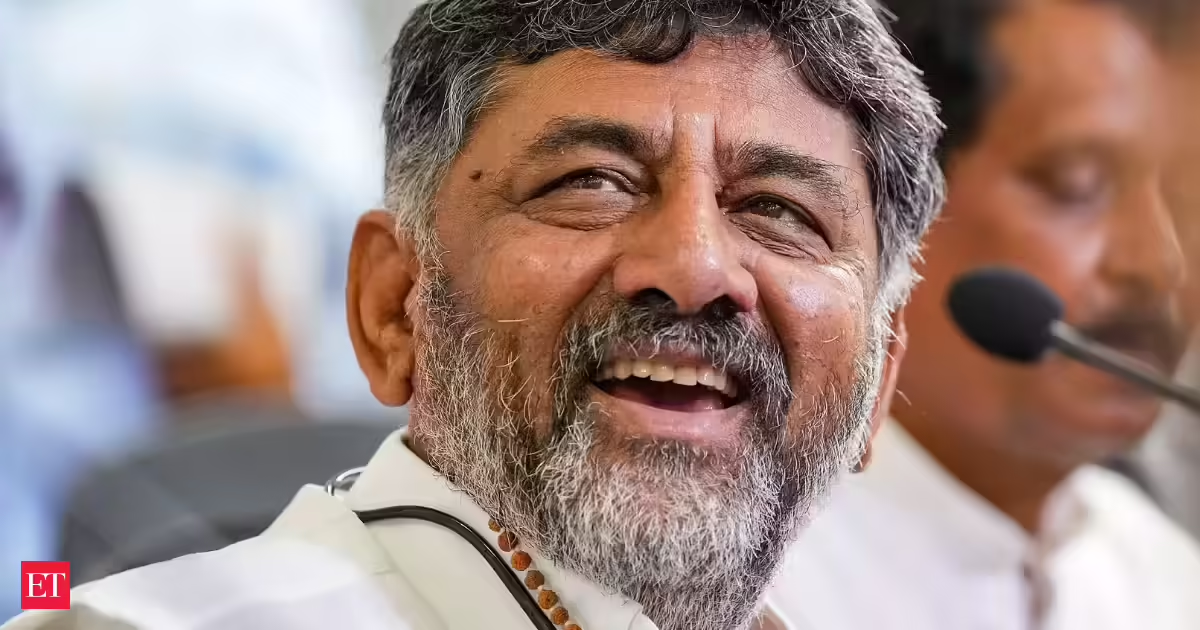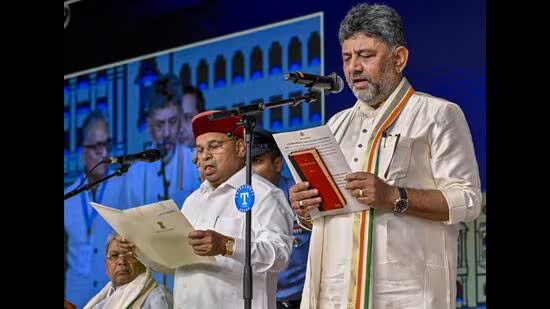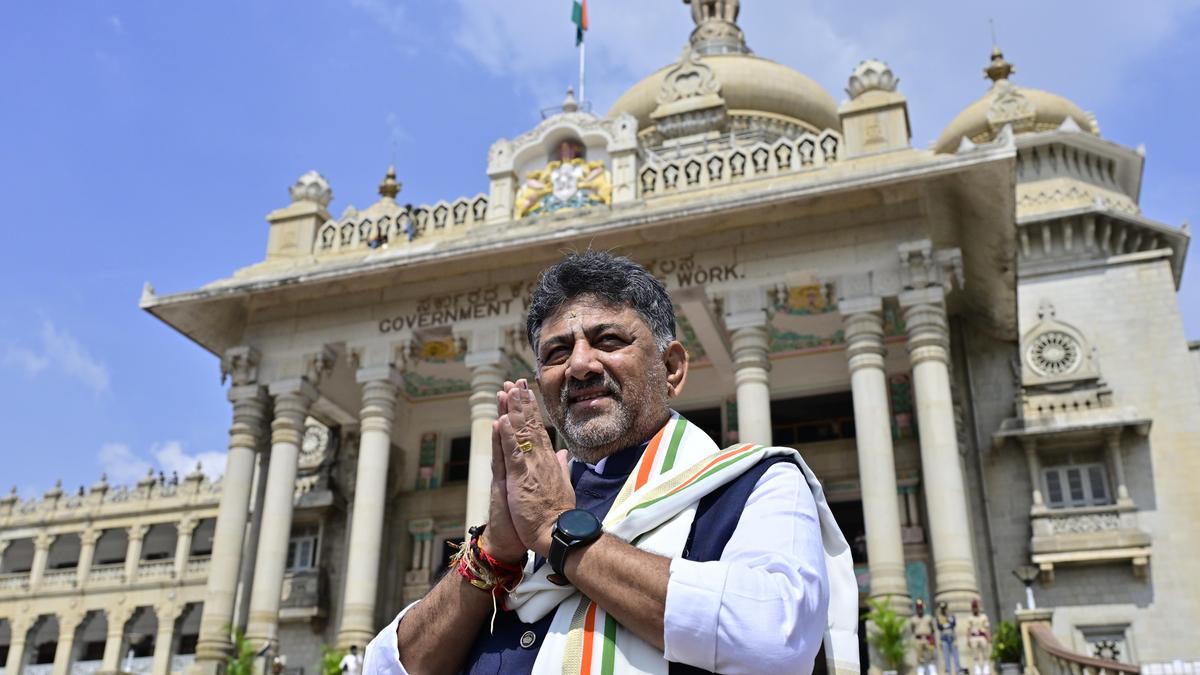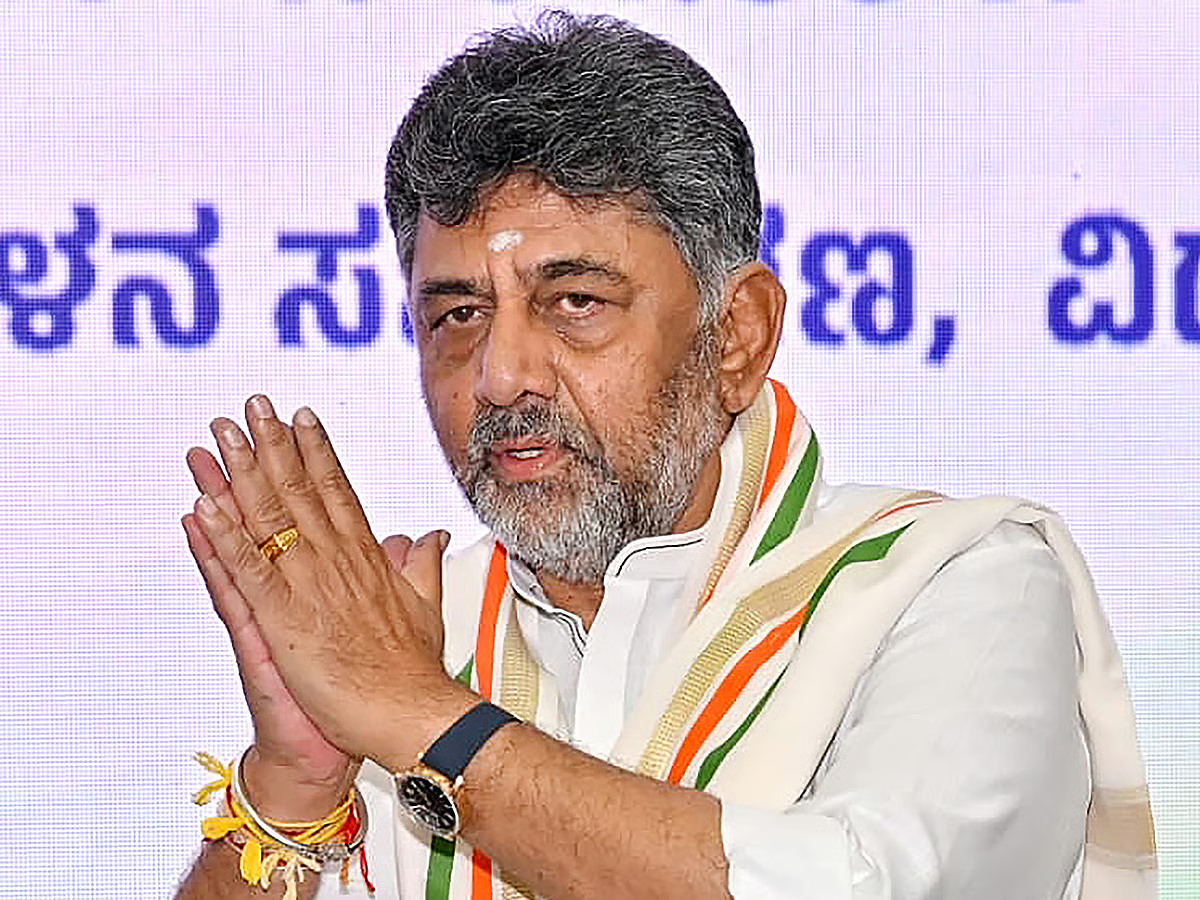
(file picture)Karnataka Deputy Chief Minister DK Shivakumar
| Photo Credit:
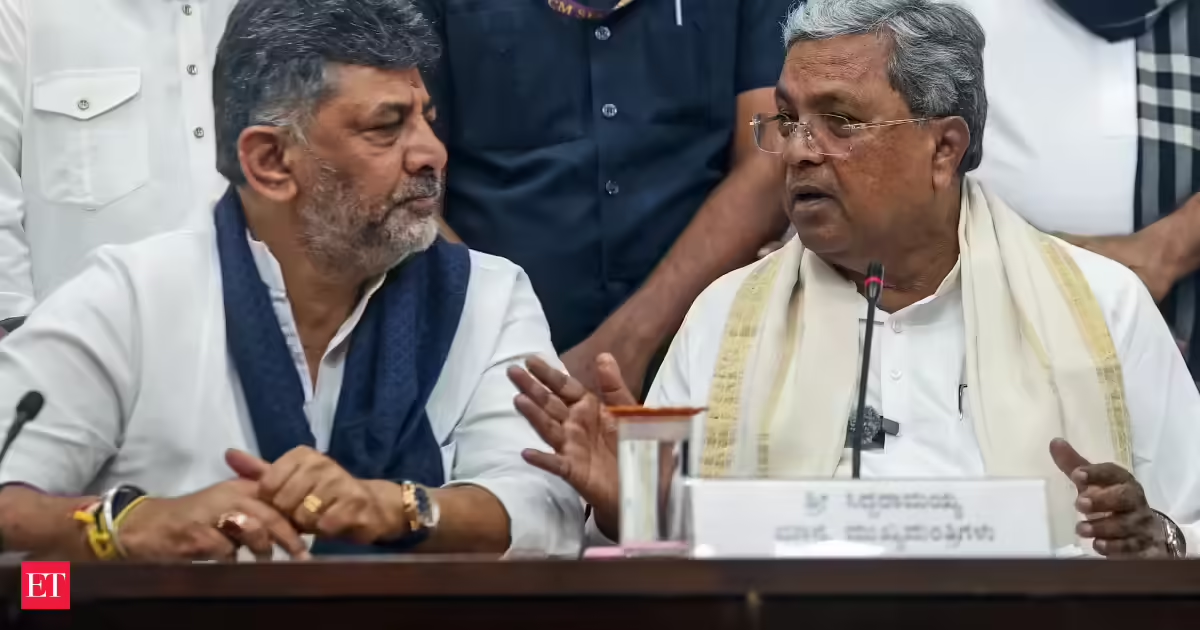
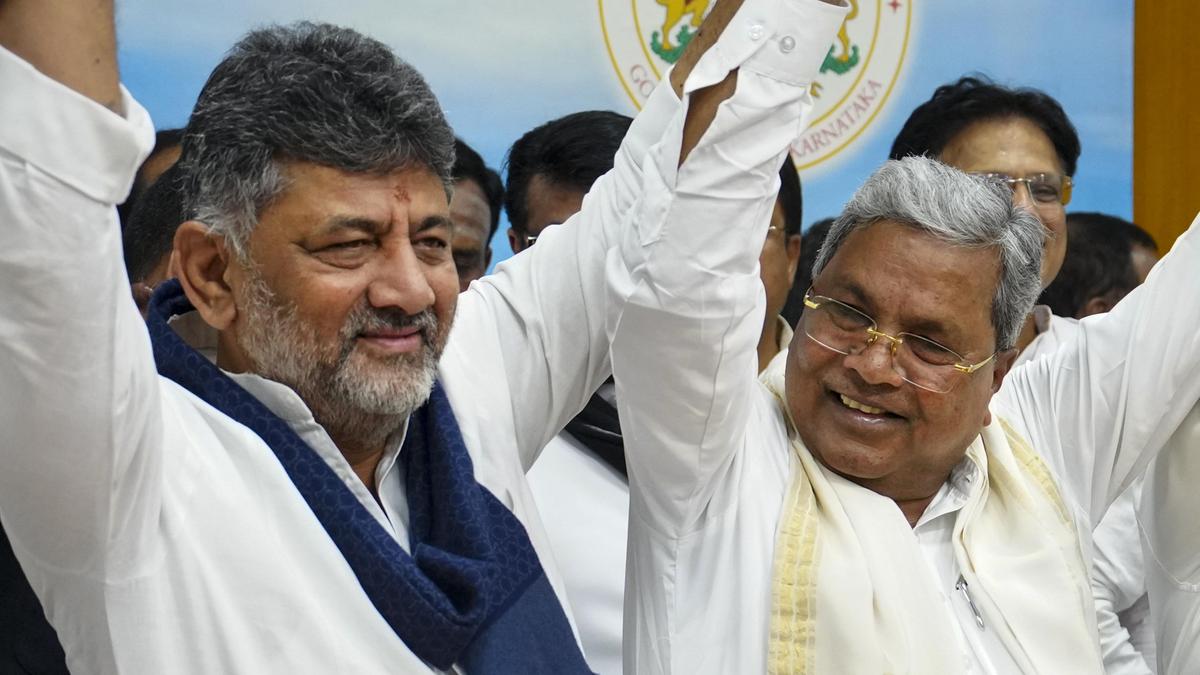
While DK Shivakumar has finally clinched Karnataka’s Chief Minister post, the tougher challenge begins now. With barely over 20 months left before the next Assembly election, the incoming CM inherits a politically sensitive and fiscally stretched State, alongside mounting pressure to deliver on governance and infrastructure.Nadu, Nidhi, NetritvaThe Congress government’s welfare guarantees have significantly stretched the State’s finances, with Karnataka borrowing nearly ₹20,000 crore additionally every year to sustain the schemes. As per a Comptroller and Auditor General (CAG) report, the State borrowed ₹63,000 crore in 2023-24 to fund guarantee schemes and bridge the financial gaps they created, ₹37,000 crore higher than the previous year’s net debt of ₹26,000 crore.The report also noted that nearly ₹5,299 crore earmarked for capital expenditure on infrastructure was diverted towards guarantee schemes during the year. As of March 2026, Karnataka’s per capita debt burden has surged to ₹1.12 lakh.Another immediate political challenge will be the contentious caste census report released before Siddaramaiah stepped down. Shivakumar had earlier opposed the survey. Karnataka has conducted two caste surveys in the last nine years, both under Siddaramaiah’s leadership. The first survey, commissioned in 2015 under the H Kantharaj Commission, was completed by 2018 but remained politically sensitive for years. The latest report is expected to intensify caste equations ahead of the election cycle and could trigger friction among dominant and backward communities.Siddaramaiah’s continued influence:Despite stepping down as Chief Minister, Siddaramaiah remains a powerful force within the Congress. His decision to reject a Rajya Sabha berth and remain active in Karnataka politics raises questions over how much influence he will continue to exert in the day-to-day functioning of the government.Shivakumar will also have to navigate demands for Deputy Chief Minister representation from different caste and ideological blocs, including AHINDA factions. Known to oppose power-sharing arrangements, Shivakumar could face internal friction if competing camps push for greater representation in the new cabinet.Bengaluru, which contributes nearly 43 per cent of Karnataka’s revenues, continues to grapple with worsening infrastructure issues. Despite announcements around tunnel roads and mega urban projects during Shivakumar’s tenure as Deputy Chief Minister, execution has remained slow. The bigger question now is how the government plans to fund large-scale infrastructure projects amid growing fiscal pressure.Political analyst Harish Ramaswamy said Shivakumar’s biggest test would be balancing governance, caste equations, cabinet formation, and fiscal management simultaneously. He added that while the Congress high command’s backing would help stabilise the administration initially, managing competing social and political interests would remain a key challenge ahead of the election cycle.Published on May 29, 2026