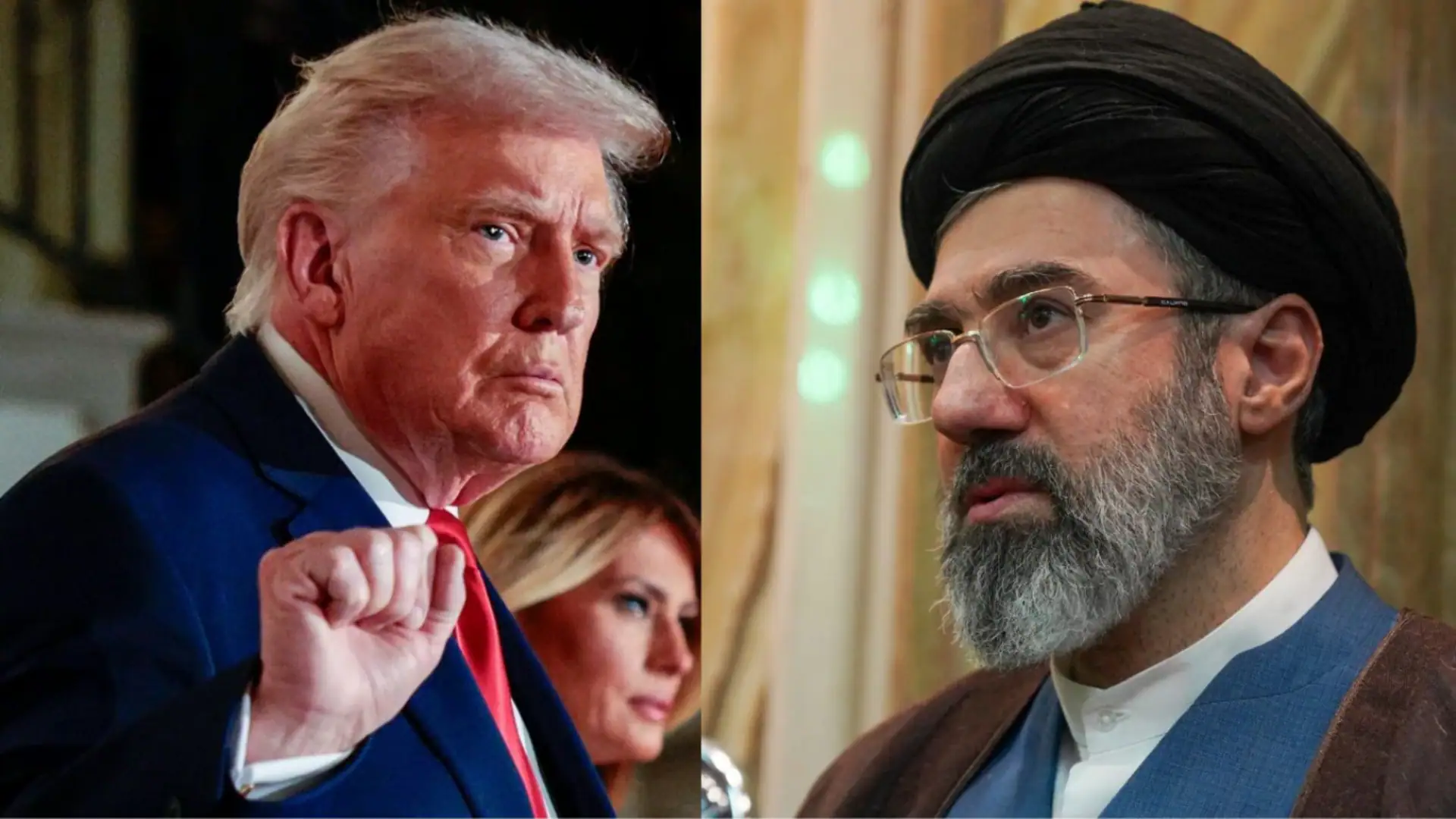
US Vice President JD Vance said talks between Washington and Tehran were making "good progress" as negotiators from both sides reached agreement on a 60-day deal to extend the ceasefire — but the deal still awaits final approval from both President Donald Trump and Ayatollah Mojtaba Khamenei, according to sources.
If signed, the memorandum of understanding would be the most significant diplomatic step since the war began on 28 February.
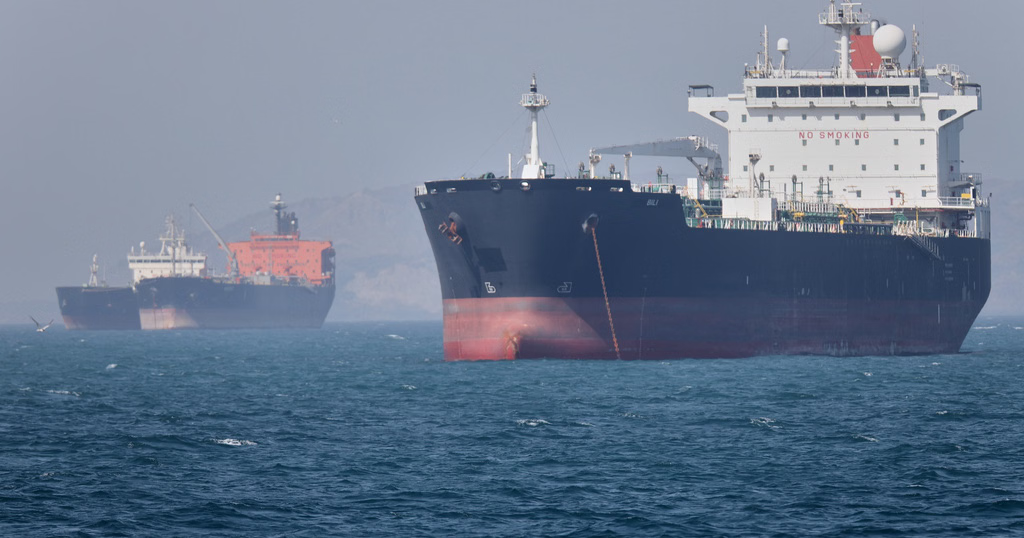
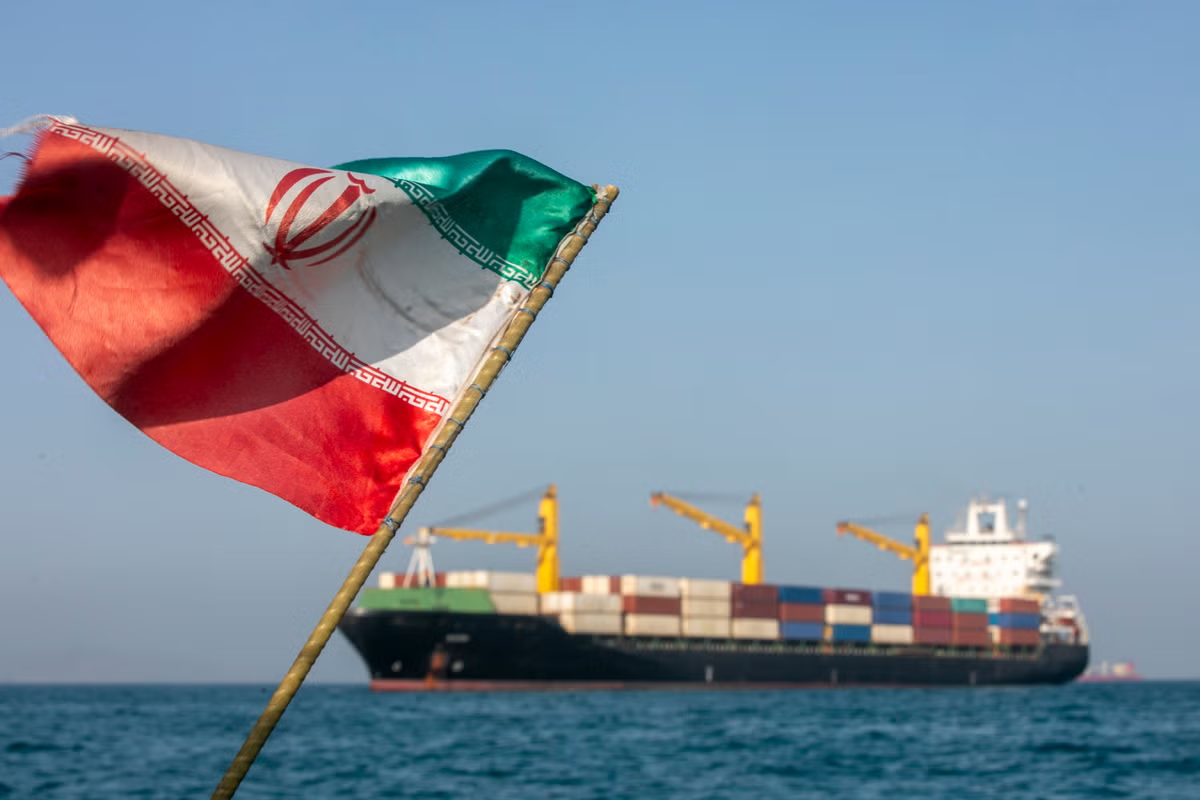
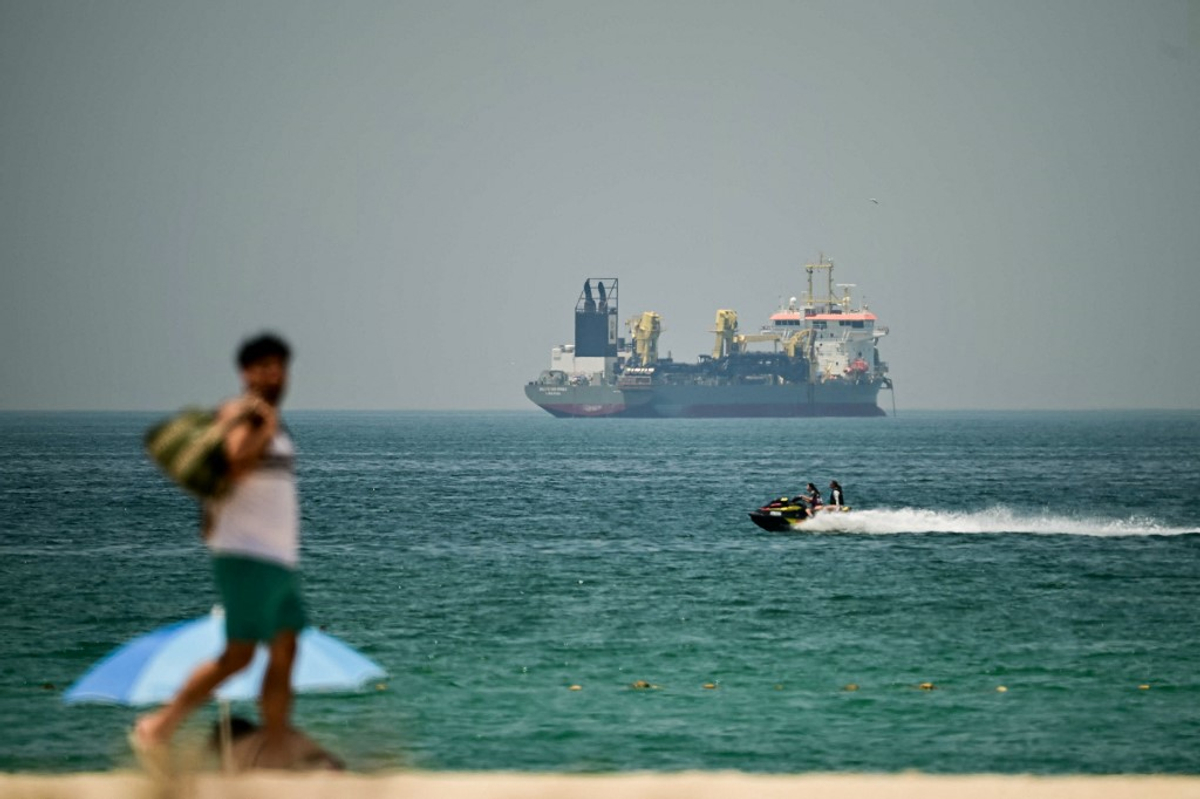
According to US sources, the draft terms include unrestricted shipping through the Strait of Hormuz, Iran removing all mines from the strait within 30 days, a proportional lifting of the US naval blockade as commercial shipping resumes, US sanctions waivers to allow Iran to sell oil, Iran's commitment not to pursue nuclear weapons, and a US commitment to discuss sanctions relief and the release of frozen funds.
Nuclear negotiations would begin during the 60-day window, with Iran's enriched uranium stockpile the first issue on the agenda, according to US outlets.
Media reports indicate that Pakistan’s Foreign Minister Mohammad Ishaq Dar, acting as a mediator between Tehran and Washington, will meet his US counterpart Marco Rubio in Washington on Friday — a meeting that could play an important role in finalising the agreement.