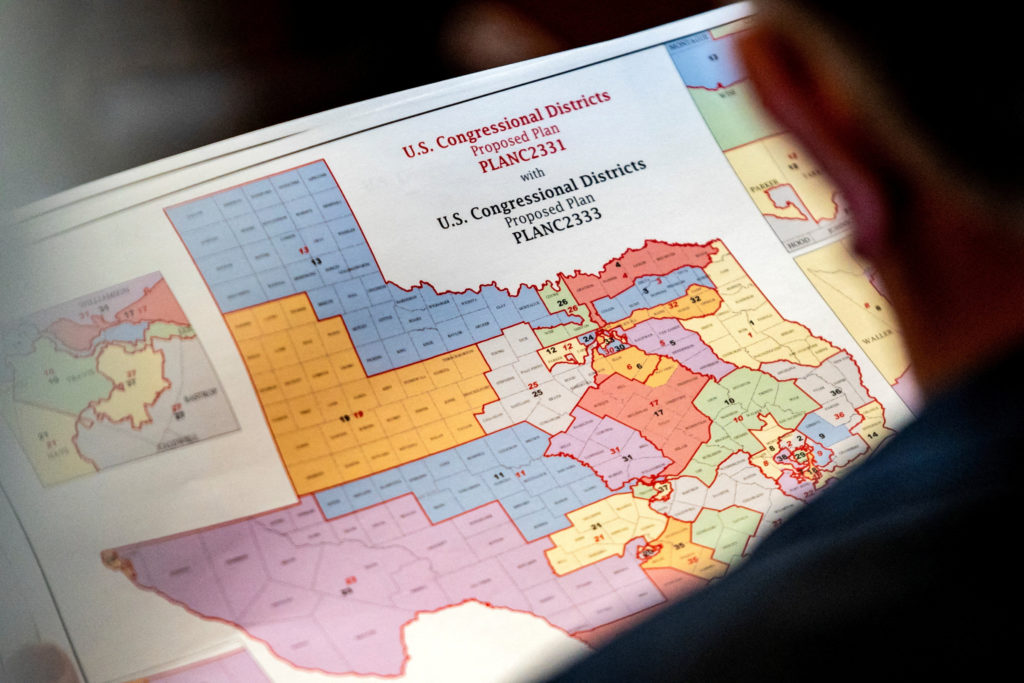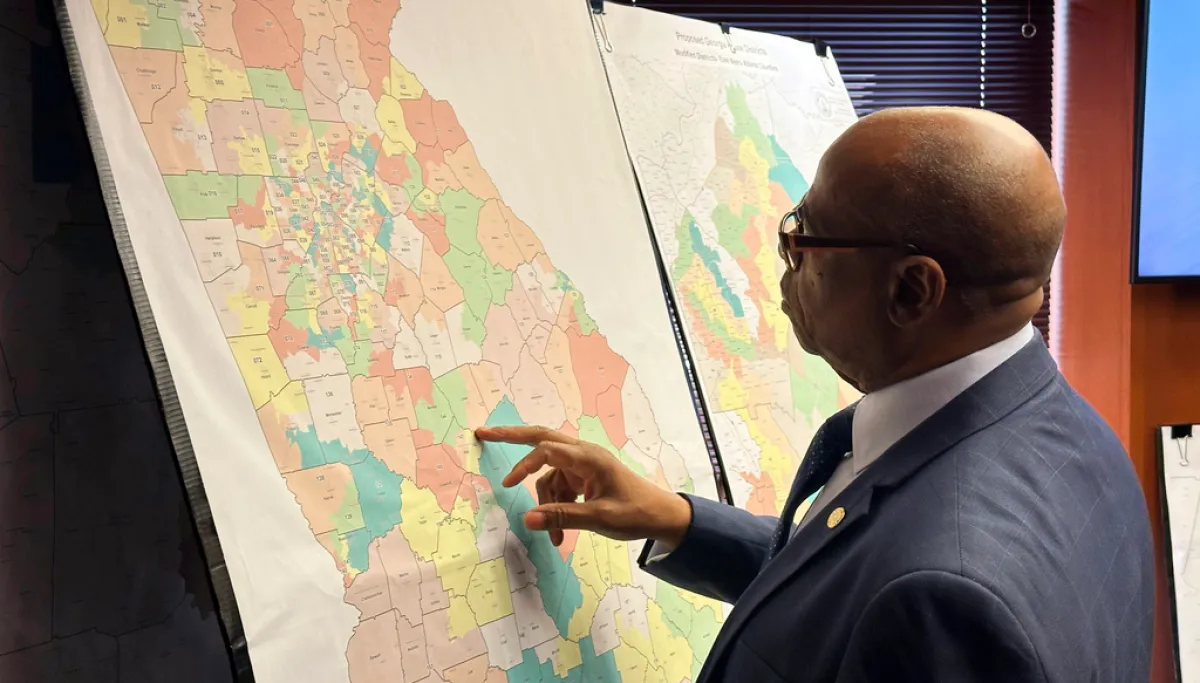
Since the beginning of the republic, redistricting has been used as a tool for political advantage. However, we are in the midst of a particularly intense spasm of partisan-fueled gerrymandering.State after state has redrawn its congressional districts to maximize partisan advantage for one side or the other. It is possible that this will never stop; every time a political party gains control of a state’s legislature and governorship, that party will create a gerrymandered map to maximize its electoral advantage. I hope that people’s better angels will prevail, and this cycle of partisan gamesmanship will soon come to an end.There really are only two ways to approach redistricting.
BELTWAY CONFIDENTIAL: TRUMP IS RIGHT. THE VIRGINIA REDISTRICTING REFERENDUM WAS RIGGED
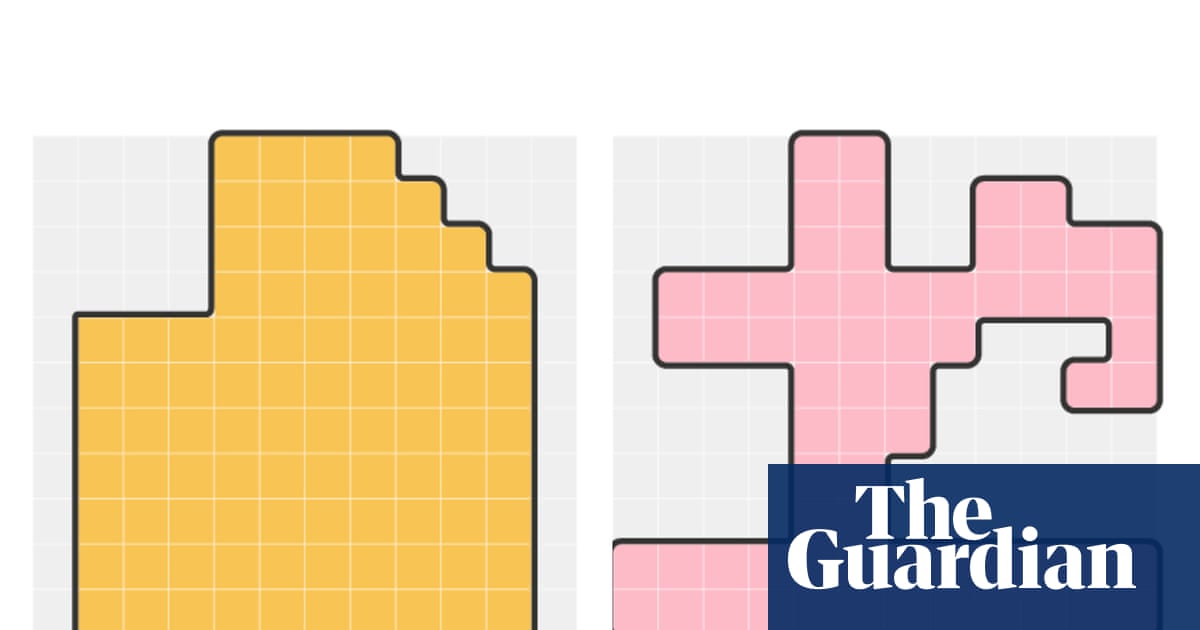
The first is the principled approach that does not concern itself with outcomes or partisan advantage. Under this approach, mapmakers try to make districts as compact, uniform, and contiguous as possible, while keeping together as much as possible relevant communities. Iowa’s districts may be the ideal expression of this approach. Its legislative districts are, consistent with the principled approach, relatively uniform in size and shape, reasonably compact, and contiguous. This may be easier for Iowa because of its geography; its 99 counties are all basically squares, and it does not have any large mountains, lakes, or rivers that would create natural boundaries, making uniformity and compactness more of a challenge. But Iowa used this to its advantage and made districts that are (basically) immune to allegations of partisan gerrymandering.