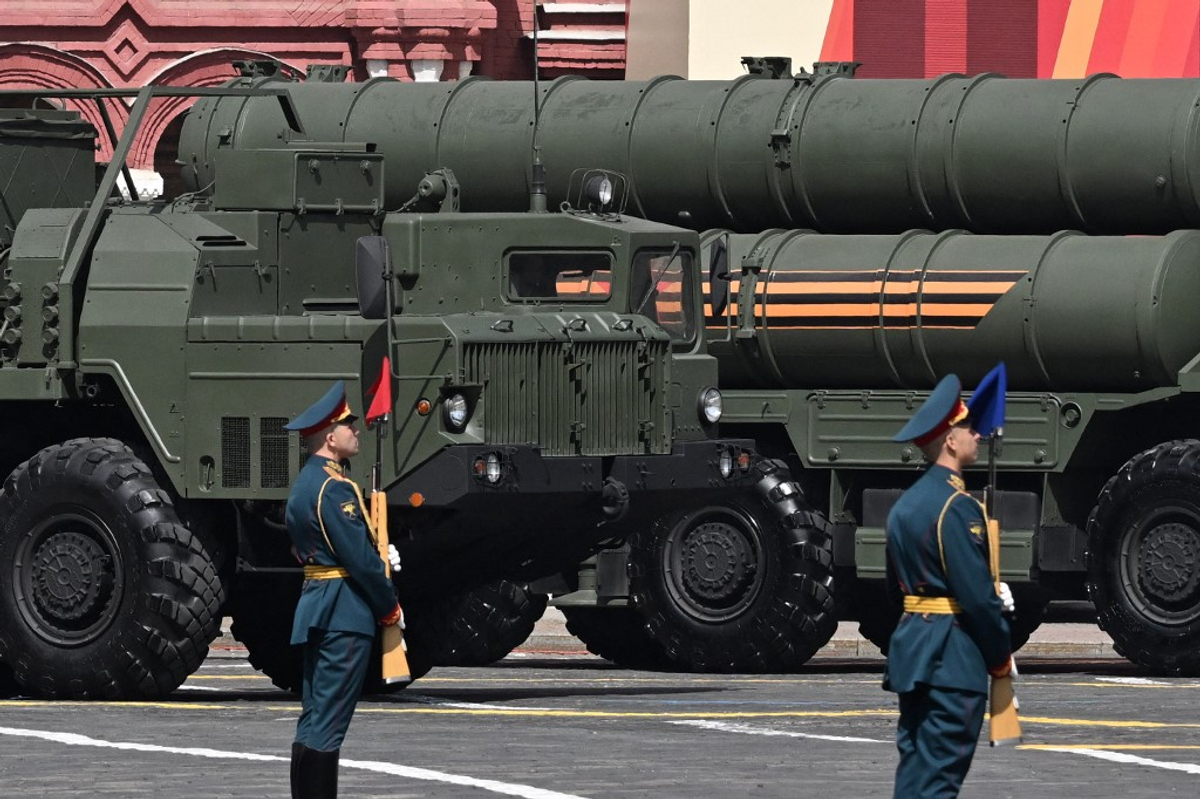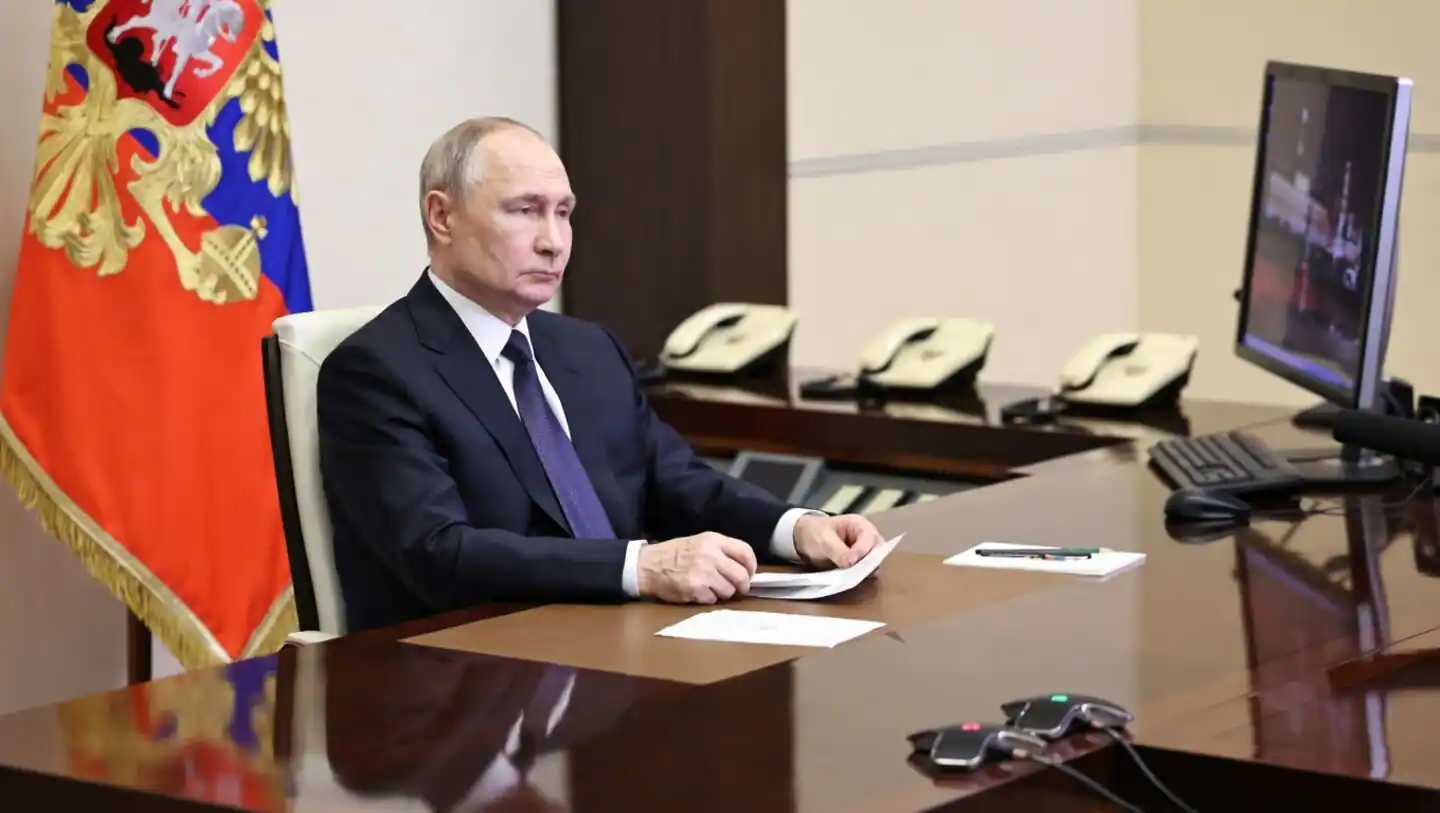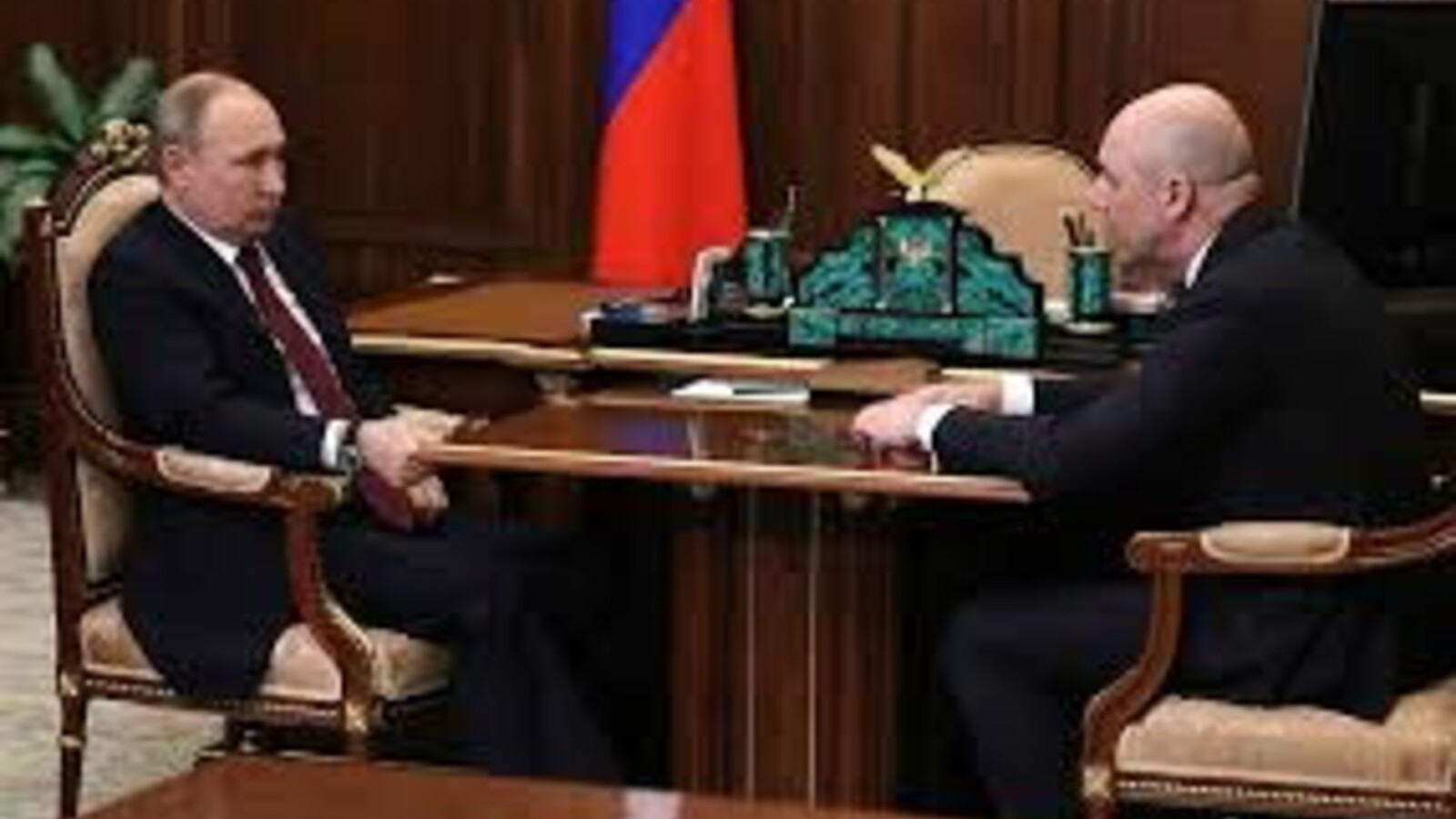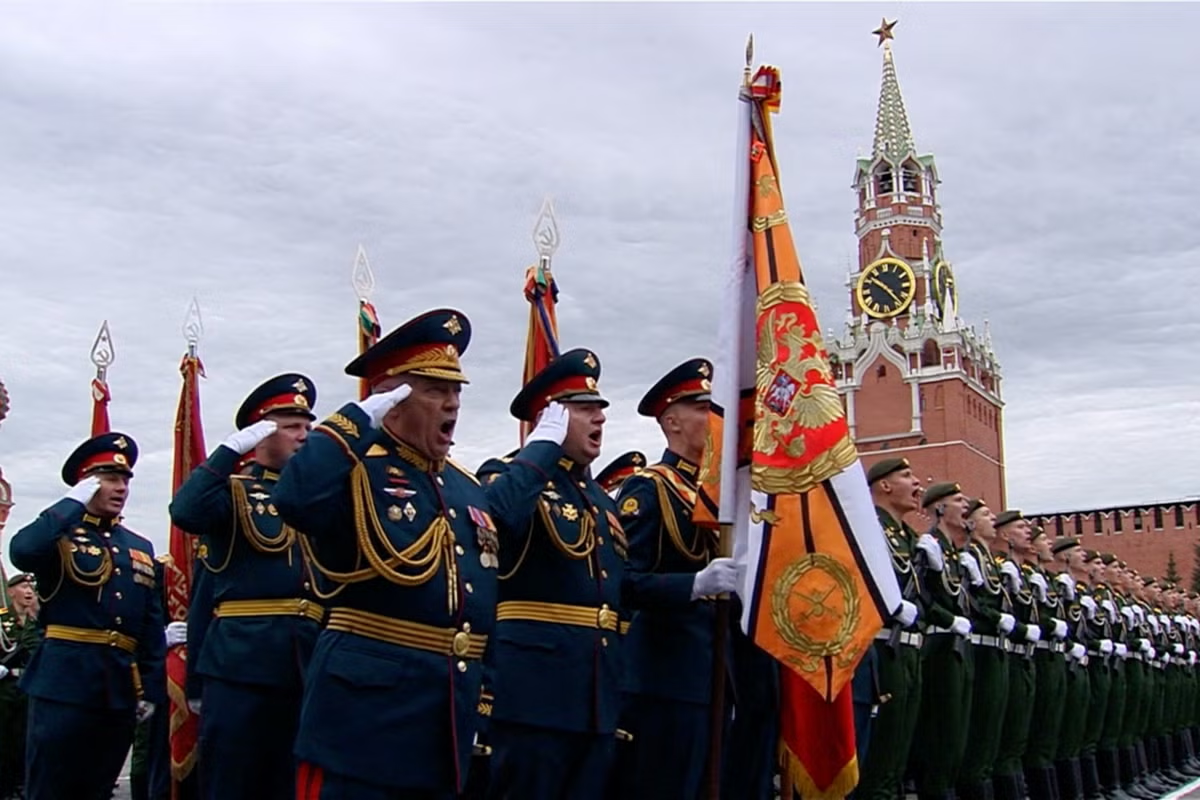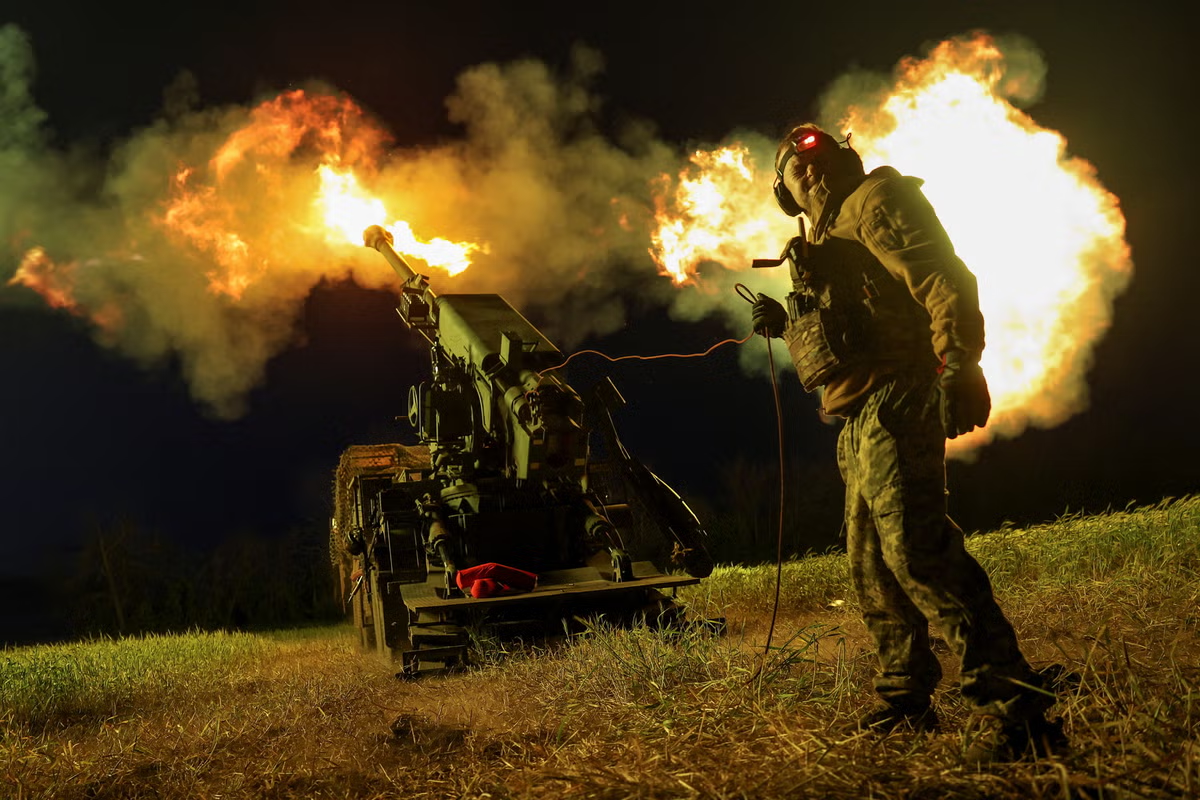
Russia expects to run at least $28bn over budget on its Ukraine war spending this year as advances slow and Kyiv gathers momentum with strikes across the border.A letter from finance minister Anton Siluanov in February urged the cabinet to freeze around ₽2.9 trillion Russian roubles ($40.8bn) in planned non-war-related spending this year, warning that the ₽2trn overspend could rise to as much as ₽4trn in a “negative scenario”, according to the Financial Times.Mr Siluanov also anticipated that Russia would overspend on the war by a further ₽4trn in 2027 and 2028.While sources close to Vladimir Putin say the president still believes his forces can take all of Donetsk and Luhansk by the autumn, the woeful financial situation shows the difficulty Russia is running into after more than four years of bitter conflict with an emboldened Ukraine.Ukrainians fire a 2S22 Bohdana howtizer on Russian positions in Donetsk region, 27 May (Reuters)With ₽16.84trn ($238bn) set aside for defence and security - worth around two-fifths of this year’s budget - Moscow anticipated a budget deficit of ₽3.8trn ($51bn) this year.But that figure had already swollen to ₽5.9trn ($79.12bn) by April, according to the FT, in what would be Russia’s largest deficit since the full-scale invasion in 2022.Russia was the world’s 11th largest economy at the outset of war, but had climbed to the ninth last year in spite of sanctions and war costs, buoyed by expansions in defence, industry and procurement.While inflated oil prices linked to the Iran war have helped to keep Russia afloat since Siluanov’s February warning, the war economy is showing signs of strain as public services and manpower deplete.Russian service members take part in a military parade on Victory Day, marking the 81st anniversary of the victory over Nazi Germany in World War Two, in Red Square in central Moscow, Russia, May 9 (Reuters)Putin told government officials earlier this month that measures taken to boost the economy were starting to yield results after Moscow was forced to slash its economic growth forecast for this year. He said economic data for March was positive, with GDP up 1.8 per cent.But Siluanov told Russian newspaper Kommersant on Wednesday that the finance ministry was revising the budget to account for “changes in macroeconomic conditions [and] the need to concentrate additional resources on important priority areas”.“Of course, there are absolute priority spending items: fulfilling social obligations and ensuring the country's defense and security,” he said. “Otherwise, we analyse each item for economic return, achievement of results, and, ultimately, its impact on people's well-being.”Russian President Vladimir Putin (R) and Finance Minister Anton Siluanov in 2018 (file) (AFP/Getty)Siluanov suggested further cuts could still be on the cards: “Reserves are not infinite. We cannot afford any financial slack in the face of such large-scale global transformations. No one will give us any breaks.”Forecasts by Russia's economy ministry earlier in May lowered estimates for GDP growth in 2026 to 0.4% from 1.3% and cut estimated growth in 2027 to 1.4% from 2.8%. Growth was expected to reach 2.4% in 2029.Meanwhile, Russia’s rate of advance in Ukraine has significantly slowed in 2026 compared to how it fared last year. The Institute for the Study of War, an American advocacy think-tank, assesses that Russian forces seized 104sq-km in Ukraine between the start of the year and 26 May, compared to 1,619sq-km taken in the same time period in 2025.
Russia’s ballooning $28bn Ukraine war bill forces Putin to make spending cuts
Russia continues to spend large on the war as its gains in Ukraine shrink to a fraction of what it took last year
561 words~3 min read