Home
Real Estate
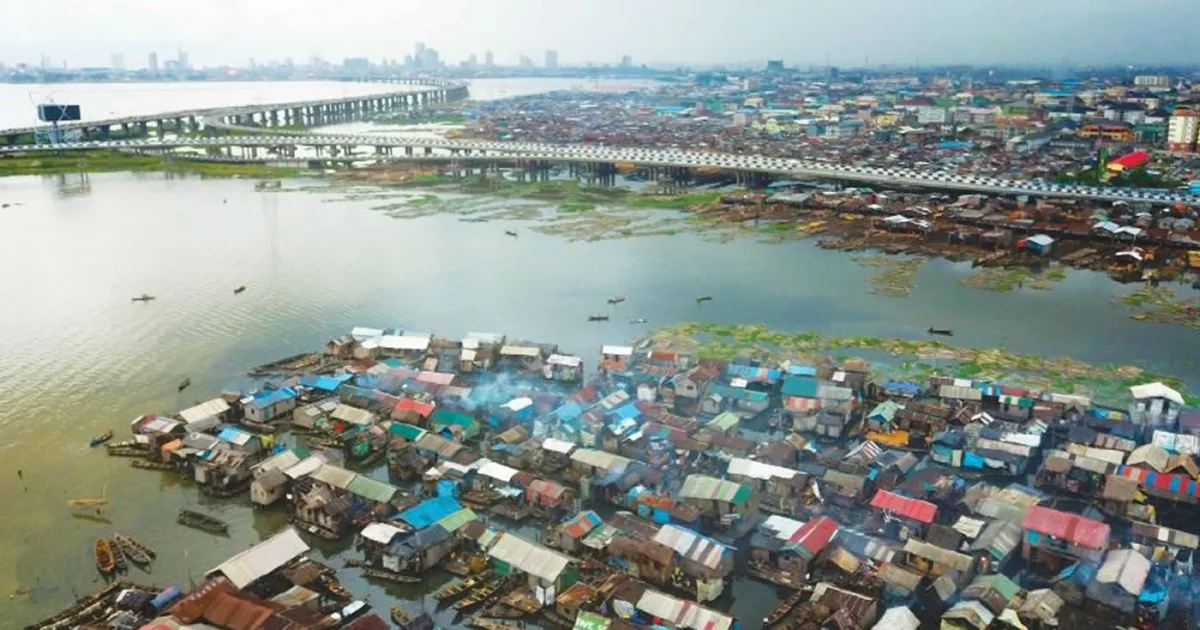
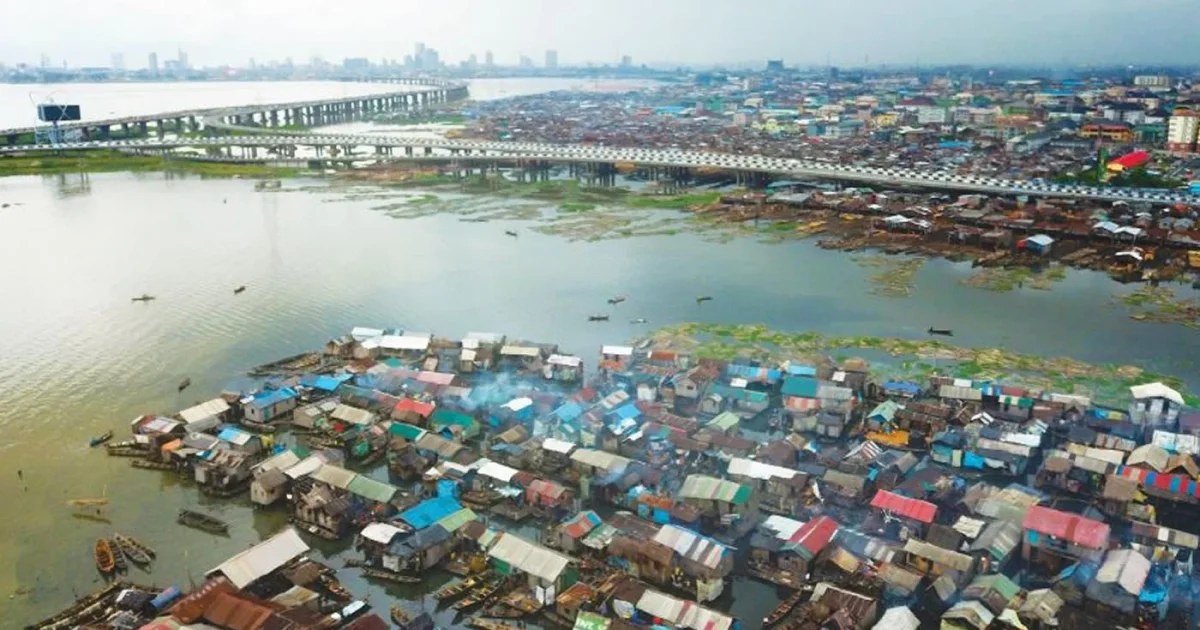
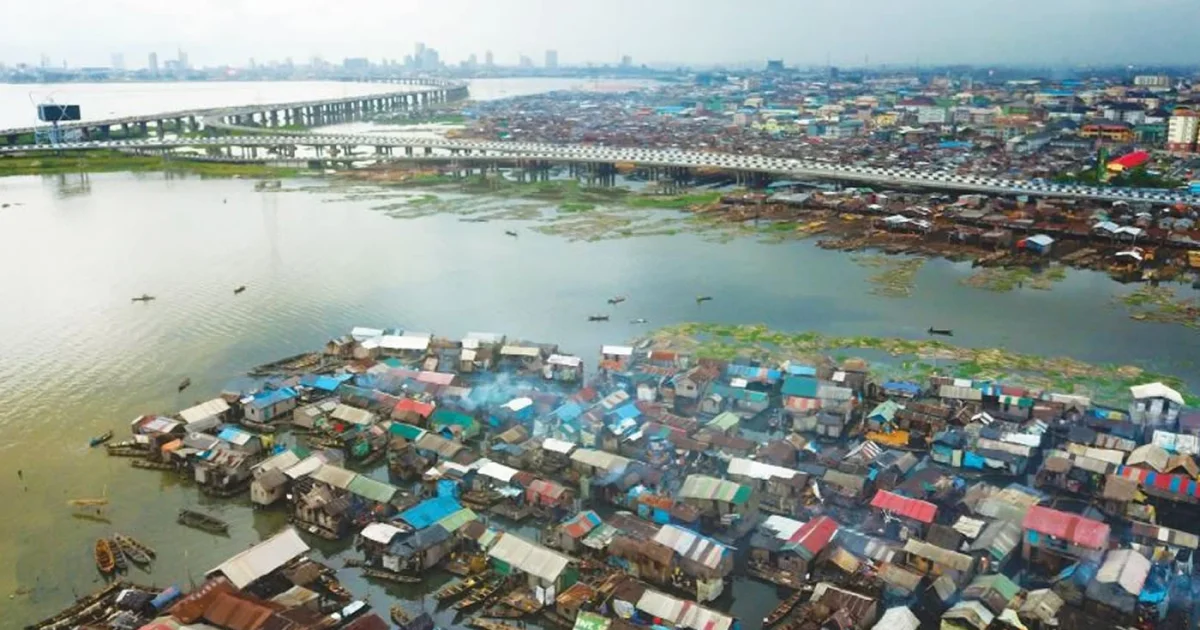
From rising temperatures and flooding concerns, industry experts discuss how climate change is reshaping planning and long-term priorities across India’s property sector Published - May 29, 2026 05:50 pm IST J. Jeffrin Jeba PaulinWith rising sea levels and intensifying urban heat across cities, climate change is no longer just a subject of discussion — it’s time for meaningful action and long-term planning. Concerns around heat islands, waterlogging and development in environmentally vulnerable areas are increasingly shaping real estate investment decisions. Climate risk is also beginning to influence property prices, valuations and buyer preferences across the market.In 2026, homebuyers are looking beyond location and amenities, taking into account green mandates, sustainable building practices and climate resilience before investing in property.Ahead of World Environment Day on June 5, industry experts share their insights.Industrial
“Industrial facilities are more susceptible to stress from climate change: intense heat reducing the efficiency of machines, extreme weather that interferes with supply chains, and water shortages that disrupt the ability to keep production continuous, among other issues. Relocating plants away from the coasts and investing in passive cooling, on-site renewable energy storage, and climate-resilient water systems may become necessary. These issues that used to be occasional problems are now becoming long-term, persistent problems. The goals have shifted to climate change resilient design, more energy-efficient systems, integrated renewable energy systems, better water resource management, and design principles for long-term viability.”Shashank GuptaDirector, RPS GroupReal estate