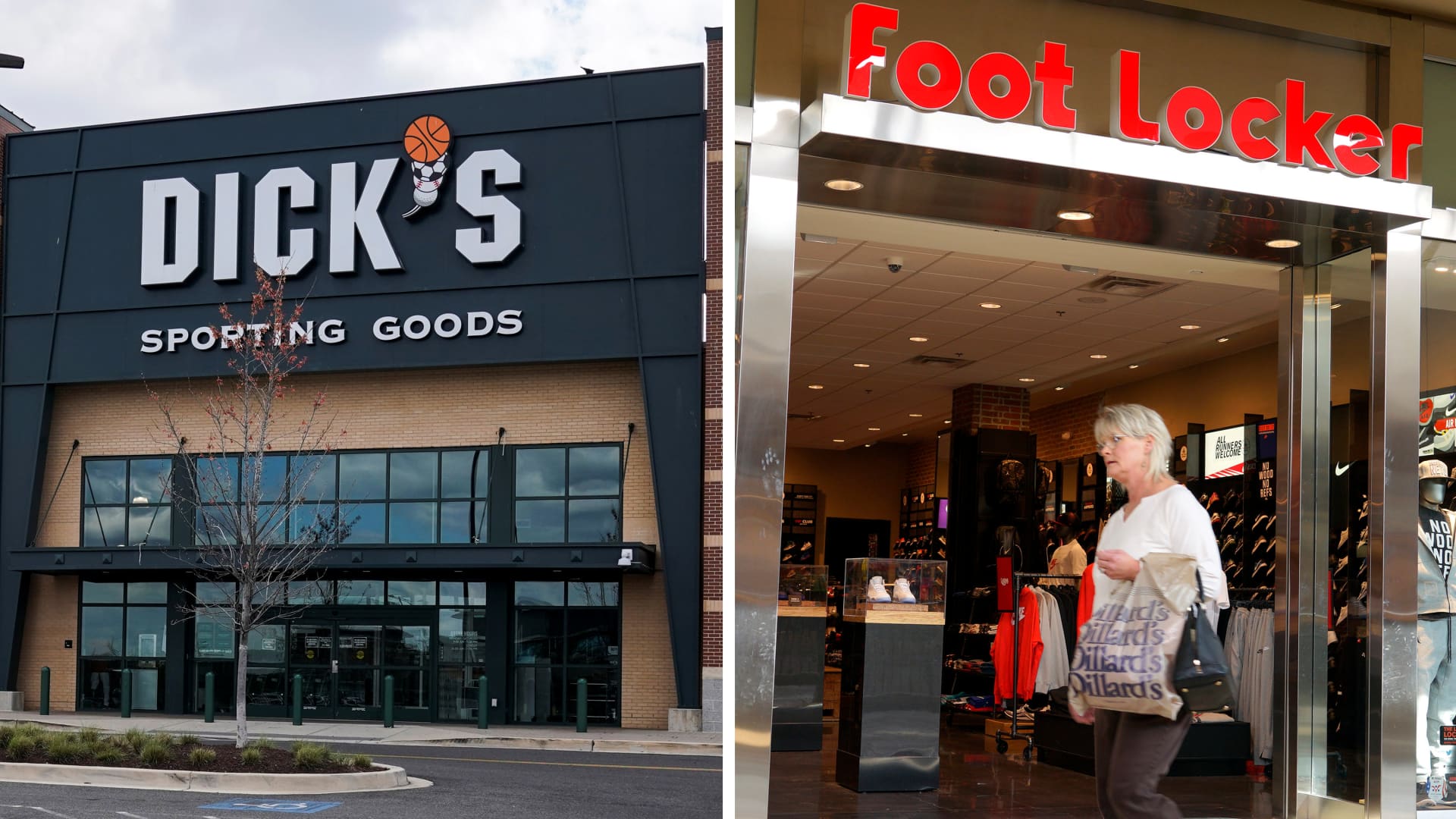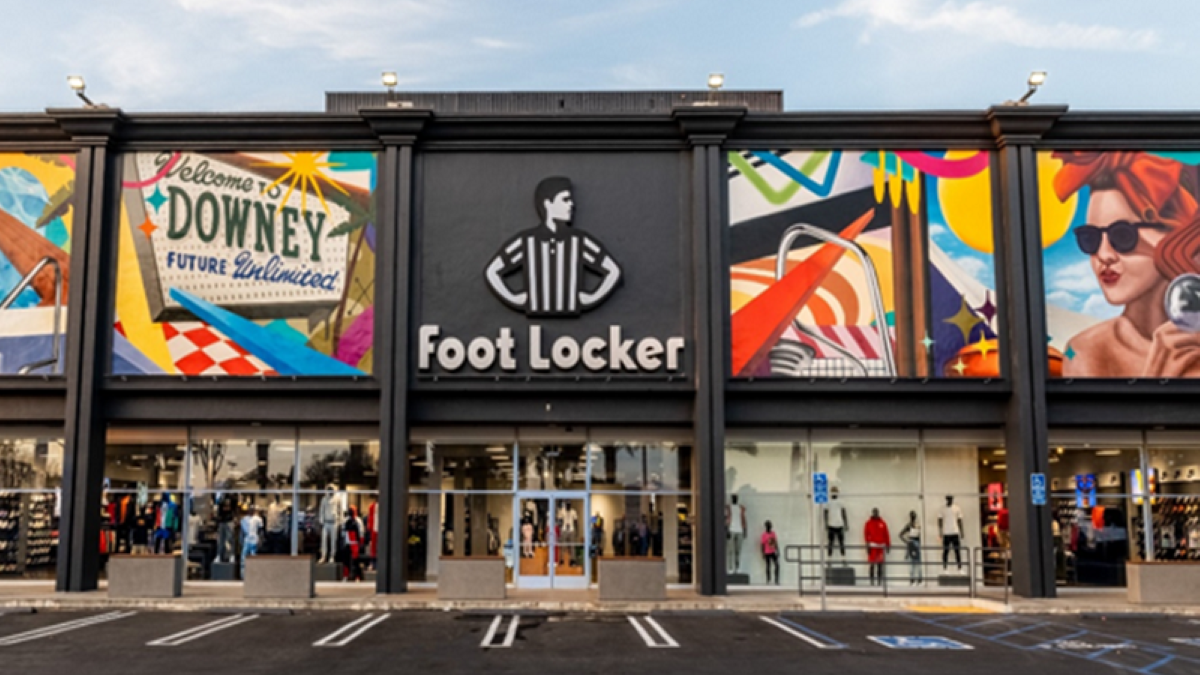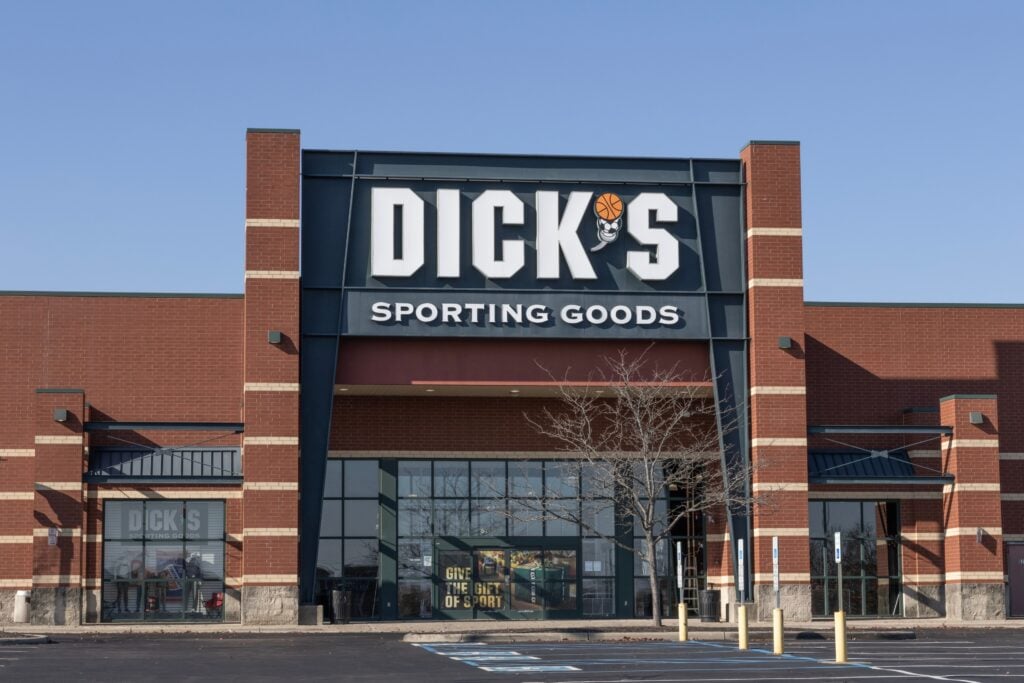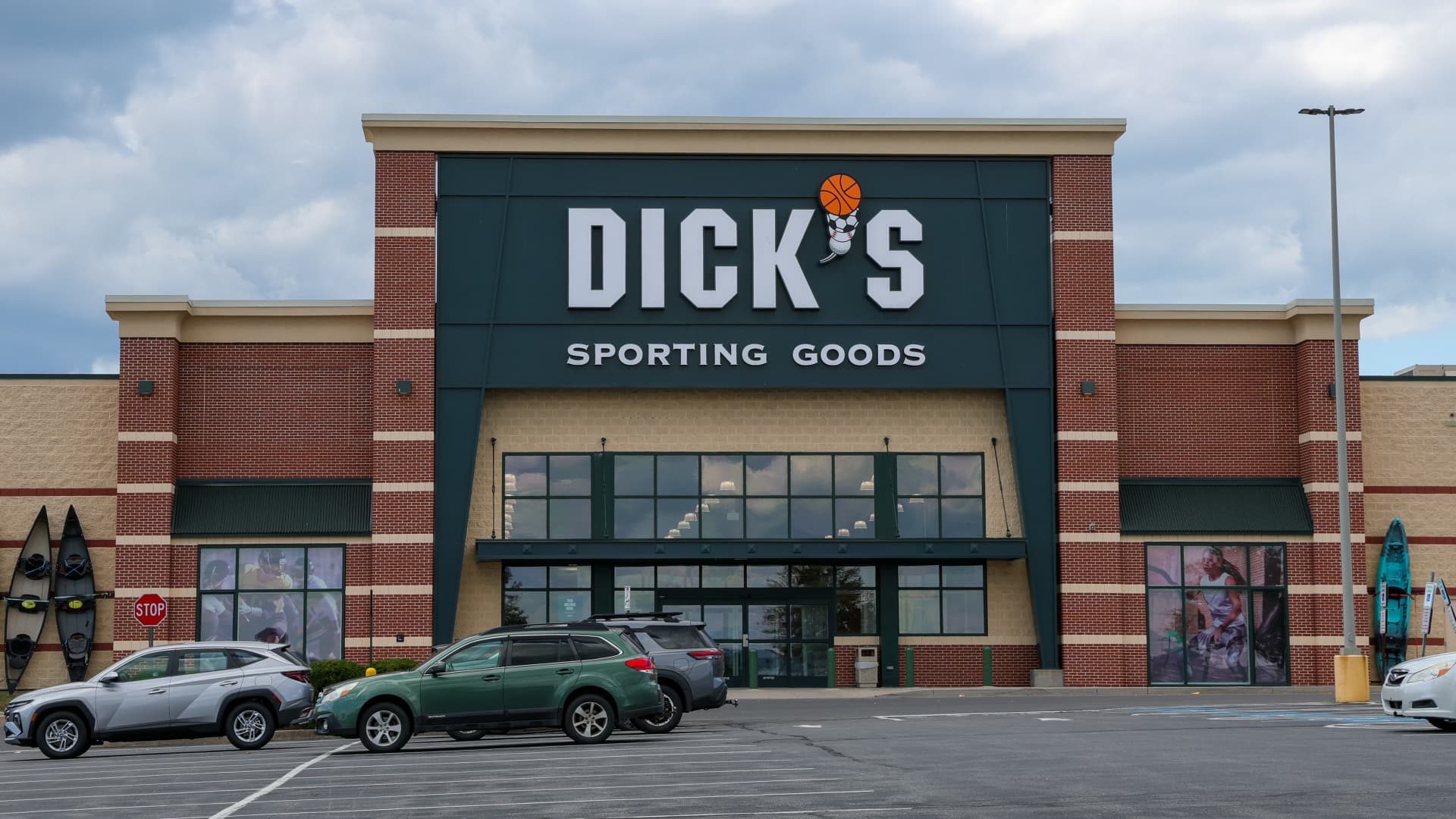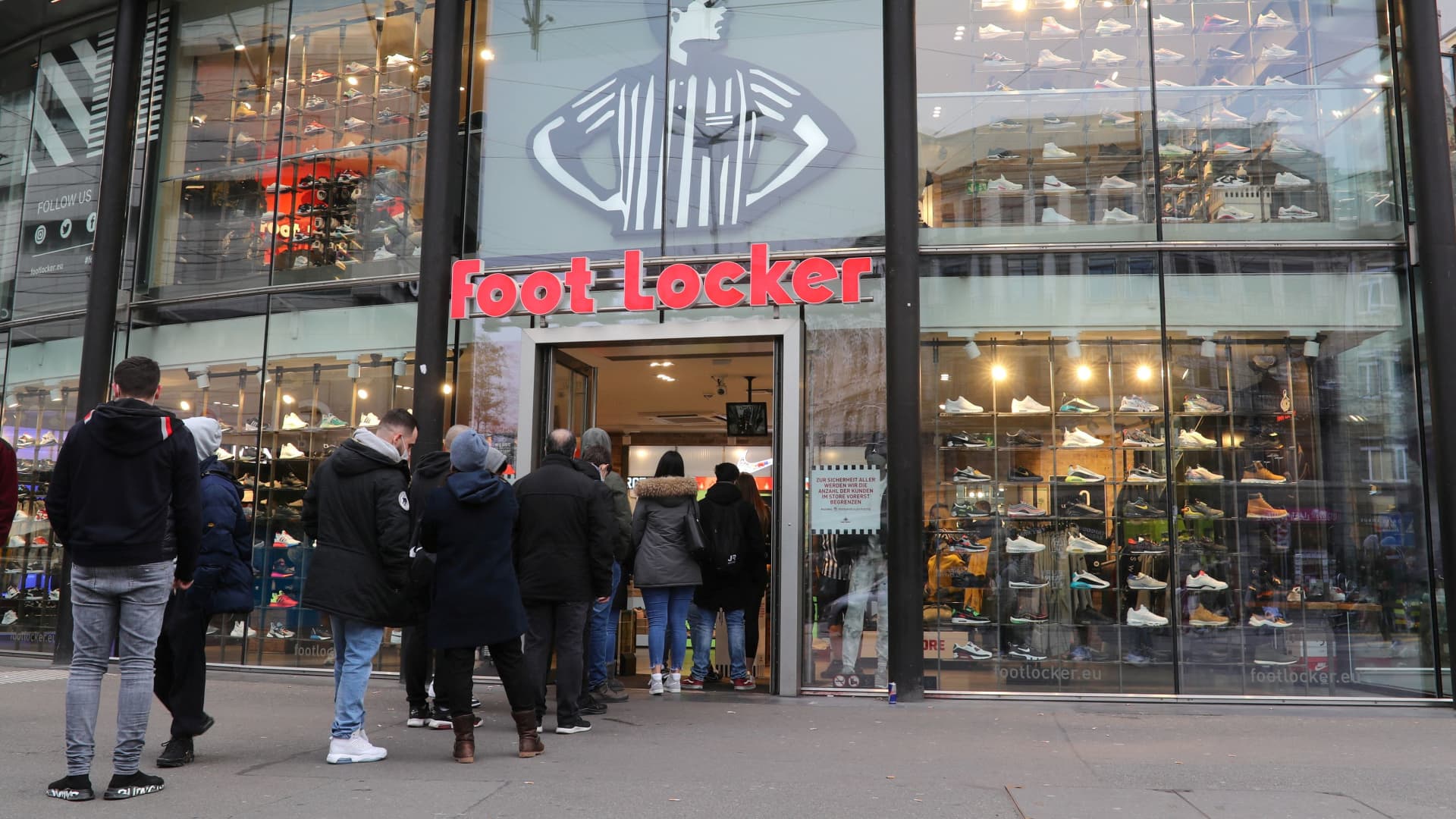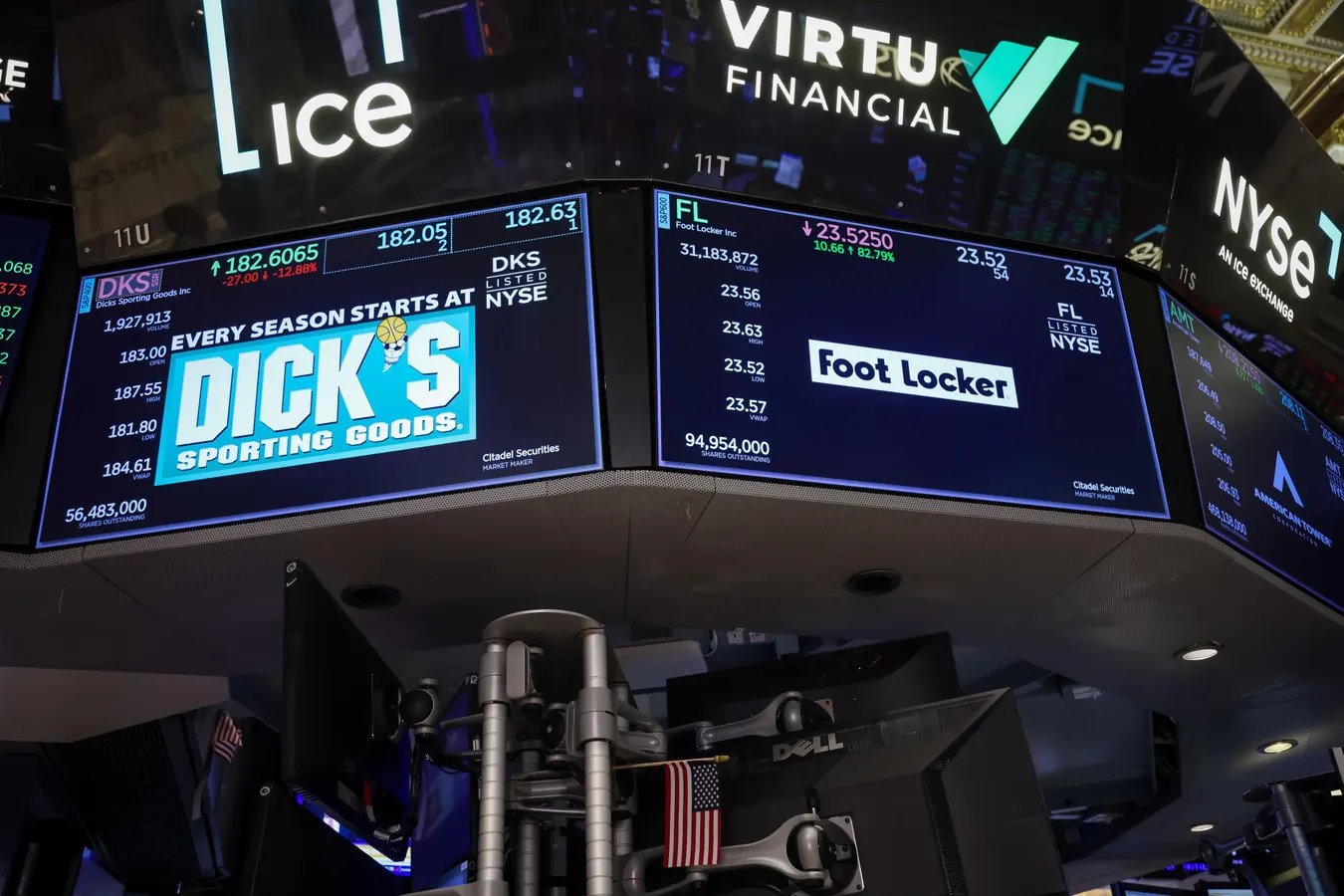
Dicks Sporting Goods has big plans for Foot Locker but investment weighed on the bottom line. Photographer: Michael Nagle/Bloomberg© 2025 Bloomberg Finance LPWhen Dick's Sporting Goods announced its $2.4 billion acquisition of Foot Locker last year, Wall Street viewed the deal with a mix of intrigue and caution.Dick’s had spent years positioning itself as one of the best-run operators in U.S. retail, consistently gaining market share while much of the sporting goods sector struggled with volatile demand, inventory gluts and the aftershocks of Nike’s direct-to-consumer pivot.Foot Locker, by contrast, represented a turnaround challenge on a global scale, with thousands of stores, deteriorating margins and a sneaker business that had lost momentum with younger shoppers.Just a year after announcing the acquisition, Dick’s latest quarterly results suggest the strategy is beginning to work, albeit with the sort of operational pain investors expected from the start.The retailer posted first-quarter revenue of $5.17 billion, ahead of analyst expectations, while comparable sales climbed 4.1%. Crucially, Foot Locker recorded positive comparable sales growth of 0.6%, marking its first meaningful sign of stabilization since late 2024.MORE FOR YOUDick’s shares received a little boost despite management lowering full-year earnings guidance and are up around 25% in the past 12 months. Investors clearly believe the acquisition can work long term, but they are also focused on how expensive and disruptive the turnaround process may become in the near term.For Dick’s Executive Chairman Ed Stack, the acquisition was never simply about adding revenue because Dick’s already dominated large-format sporting goods retail in the U.S. and has leaned into larger, more experiential stores.Instead, the company views Foot Locker as an opportunity to deepen its authority in sneaker culture and reach a younger, more urban and more fashion-driven customer than the traditional Dick’s shopper. Foot Locker also gives Dick’s an international presence it previously lacked, particularly in the European and Asia-Pacific markets.Foot Locker Shows Positive SignsSince completing the acquisition in September 2025, Dick’s has aggressively cleaned up the Foot Locker business, closing underperforming stores, clearing excess inventory and restructuring operations that had become bloated and reactive under previous leadership.The company has described the process as “cleaning out the garage,” and the financial impact has been substantial. Earlier filings showed Foot Locker contributed billions in additional sales but also generated operating losses as Dick’s absorbed merger-related costs.And in the three months to May 2, Dick’s incurred $96.5 million in charges related to the acquisition. That’s comprised $53.8 million for merger and acquisition costs like severance and store closings, and $42.7 million to clear sale inventory.Those expenses contributed to a miss on Dick’s bottom line, while top line results exceeded expectations. Notably, at Foot Locker U.S., where Dick’s has focused much of its turnaround attention, comparable sales grew 6.4%. Dick's Sporting Goods and Foot Locker are expecting a World Cup boost. (Photo by Garrett Ellwood/MLS via Getty Images)MLS via Getty ImagesBut there are increasing signs that the turnaround strategy is gaining traction operationally, not least thanks to improving relations between Foot Locker and Nike, which had deteriorated badly in recent years as Nike shifted aggressively toward direct-to-consumer distribution, reducing allocations to wholesale partners.Dick’s appears to be rebuilding those relationships through stronger execution, improved merchandising and better inventory discipline. Dick’s understands operational retail at scale, while Foot Locker still retains brand equity among younger sneaker consumers. Foot Locker Stands On It’s Own FeetRather than folding Foot Locker into the Dick’s banner, the company has maintained separate brand identities while installing new leadership teams. Former Nike executive Ann Freeman now leads Foot Locker North America, while Dick’s executives have been inserted across merchandising and ecommerce.It launched started a pilot program of 11 stores called ‘Fast Break’ that tests changes in products and how they play within stores, where Foot Locker sees the majority of its revenue. The pilot has been expanded to around 100 stores globally and those shops are seeing double-digit comparable sales growth and considerable improvements in merchandise margin. By the time the back-to-school season begins, the pilot will expand to 250 stores, with further additions planned ahead of the holiday shopping season and to try and capture higher spending tied to the FIFA World Cup.By the end of the quarter, Foot Locker’s total business, including Champs, WSS and Kids Foot Locker, had 2,483 stores globally but it is how Dick’s continues to invest in marketing, store upgrades and inventory rationalization that will decide Foot Locker’s future direction.
What Foot Locker Results Tells Us About Dick’s Vision For The Brand
Dick's Sporting Goods took a major bet on Foot Locker and there are signs that heavy investment is showing in sales and new concepts gaining traction with consumers.
734 words~3 min read