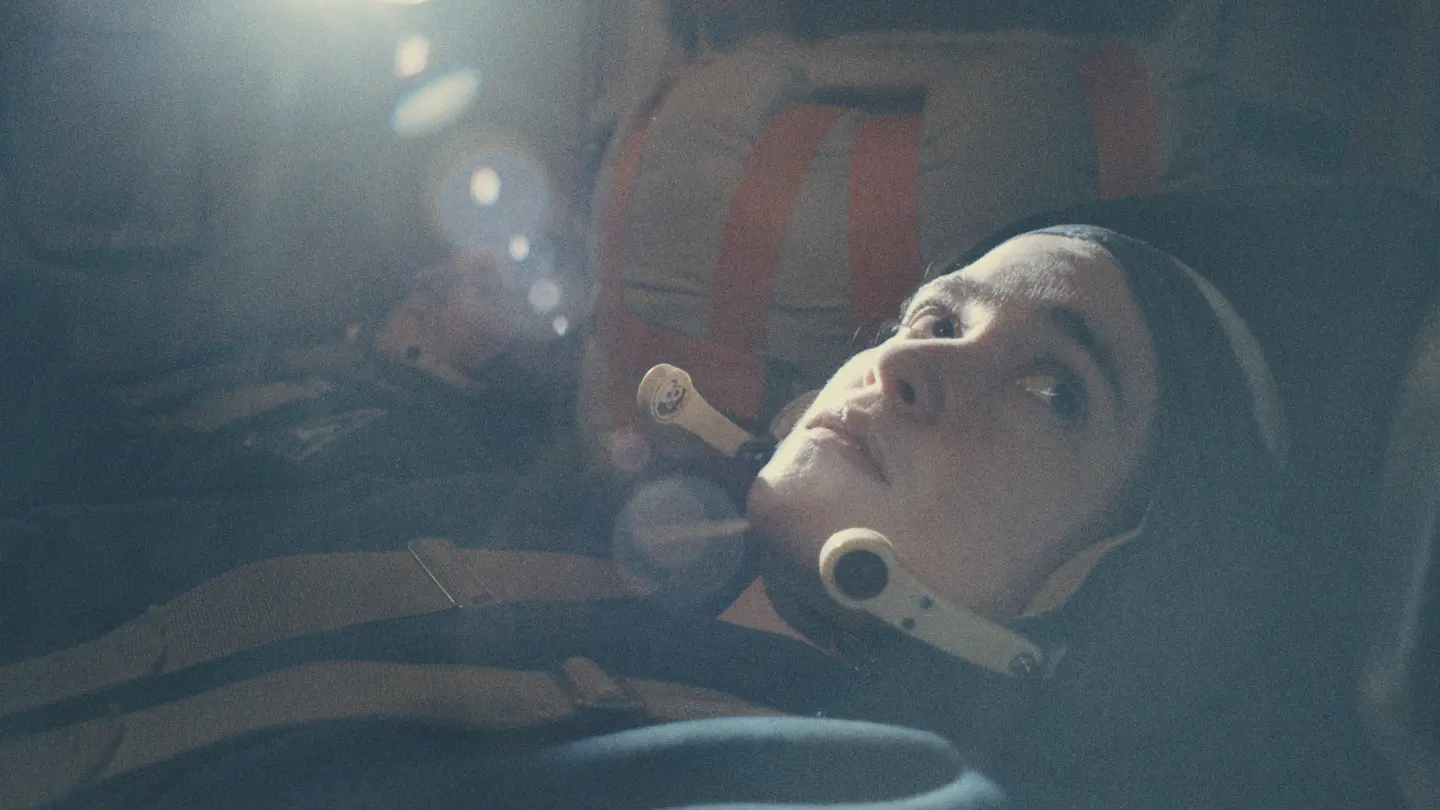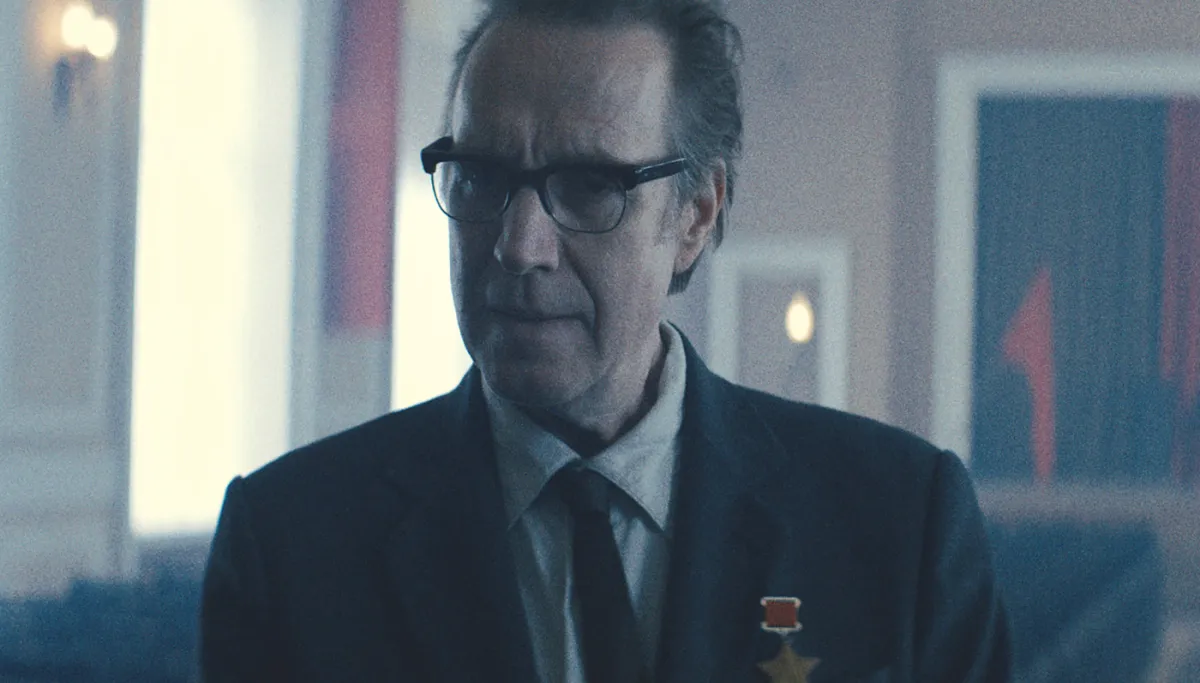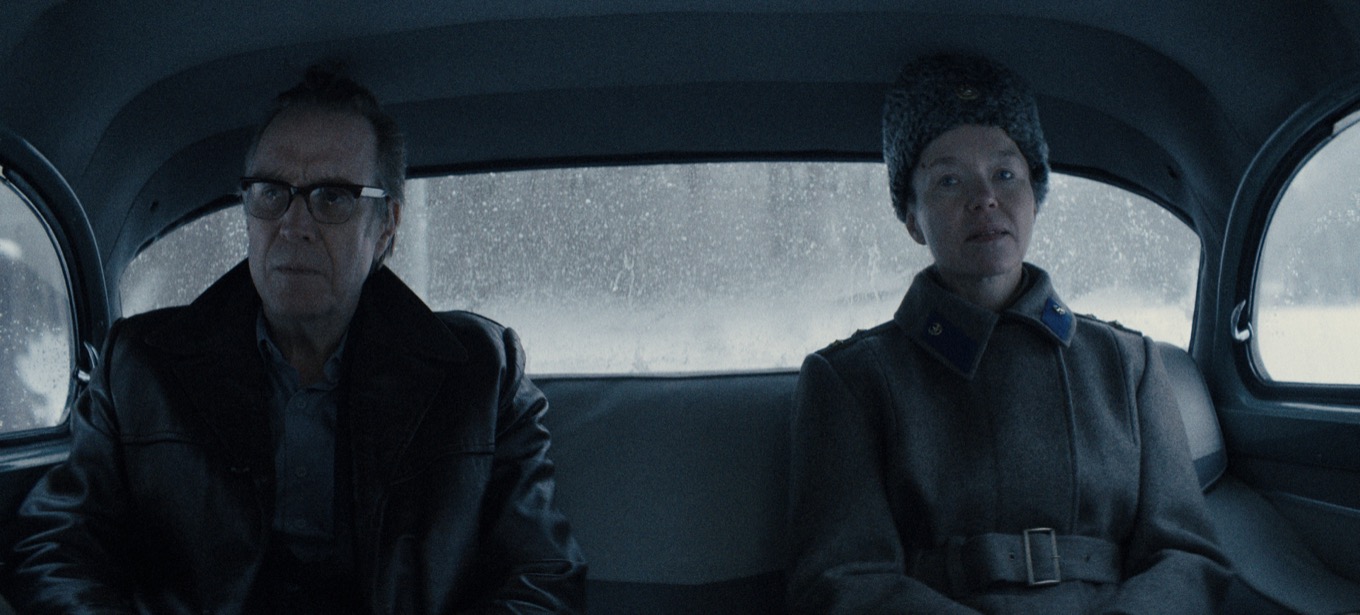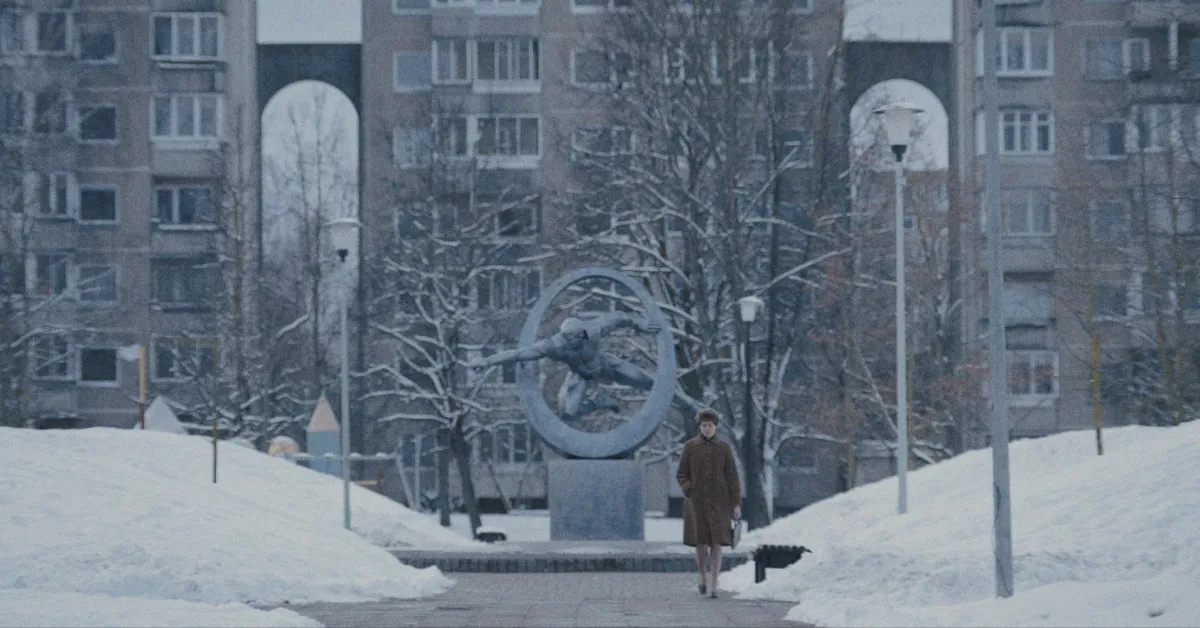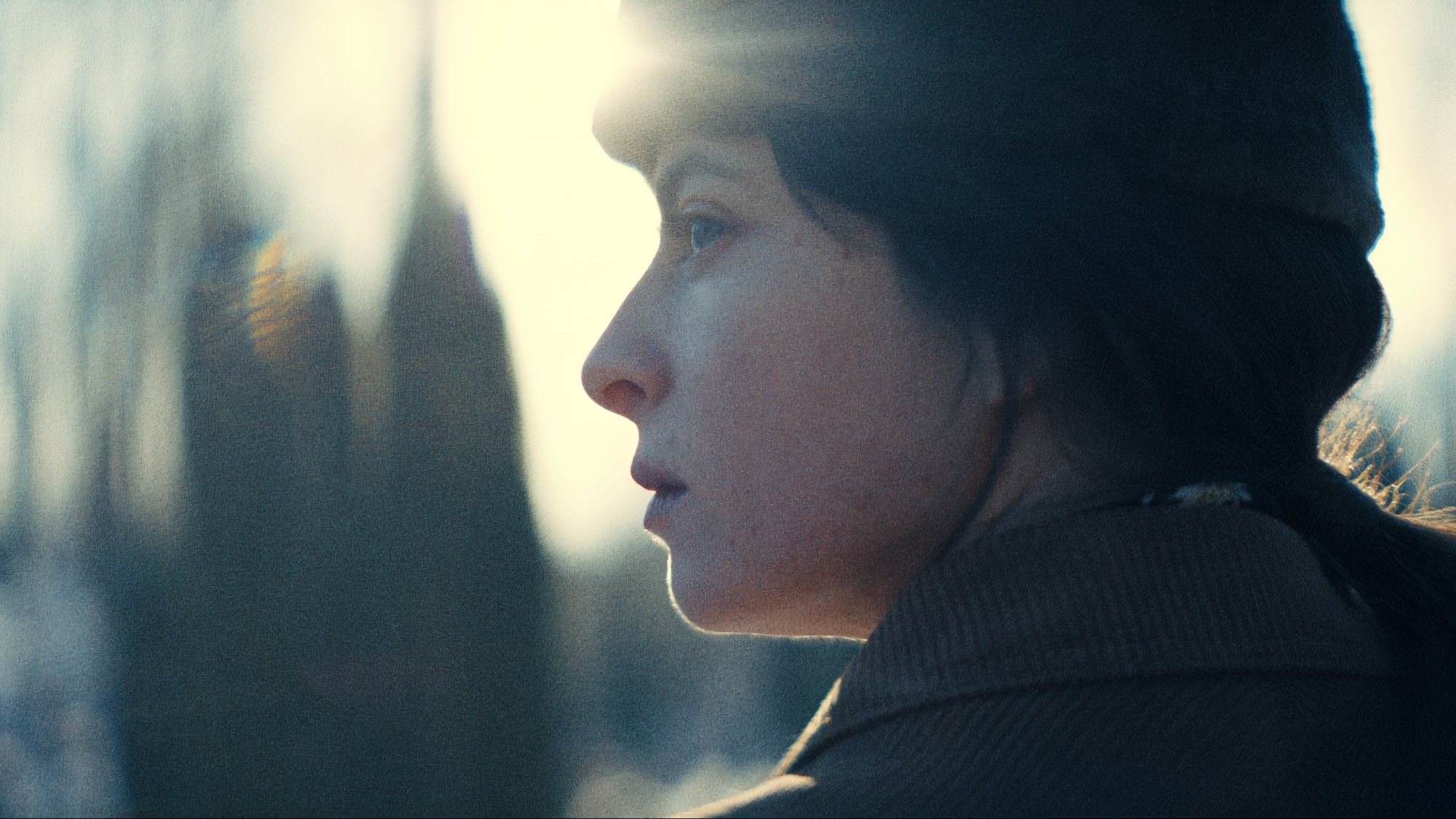
(Image credit: Apple TV)
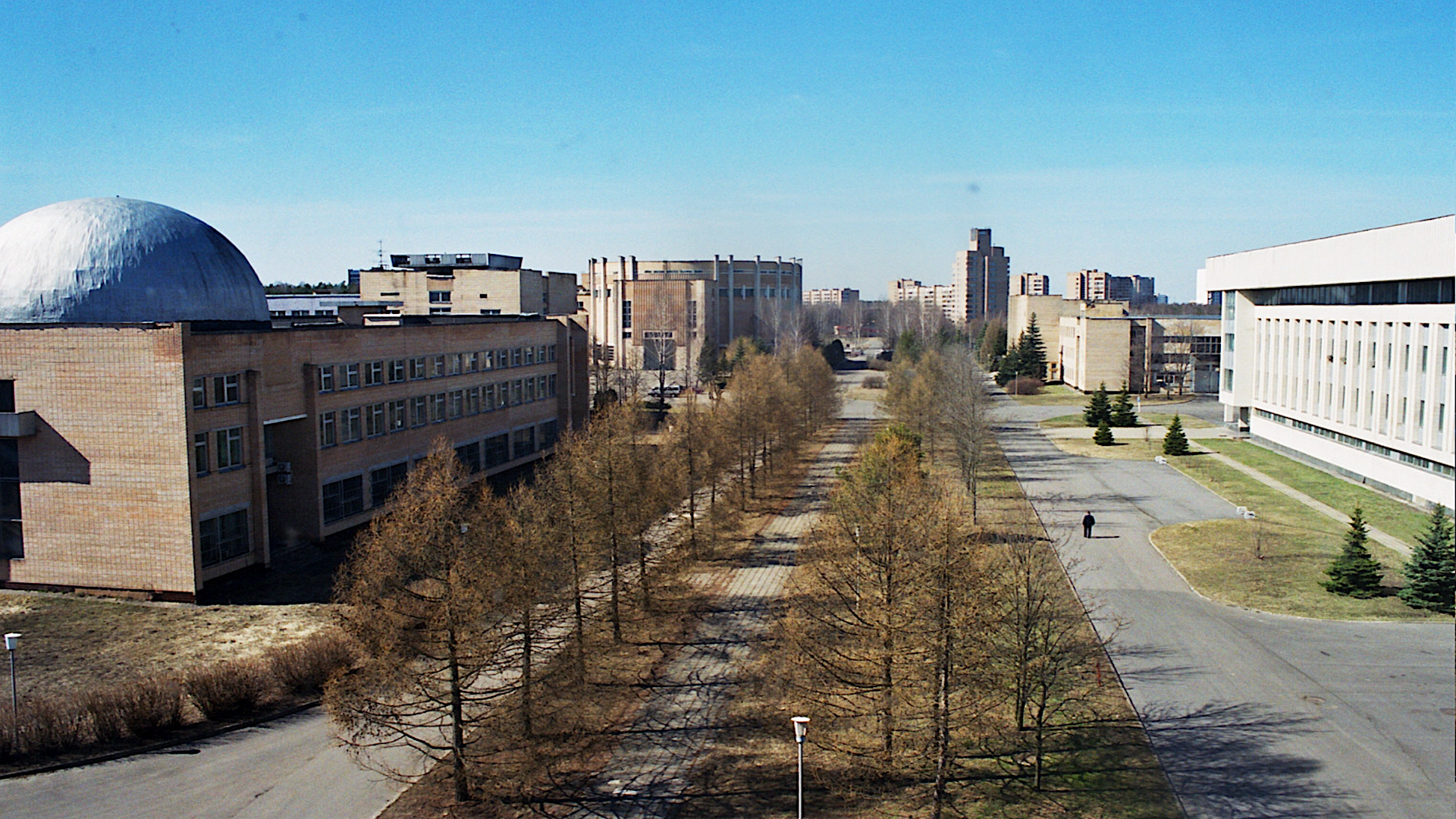
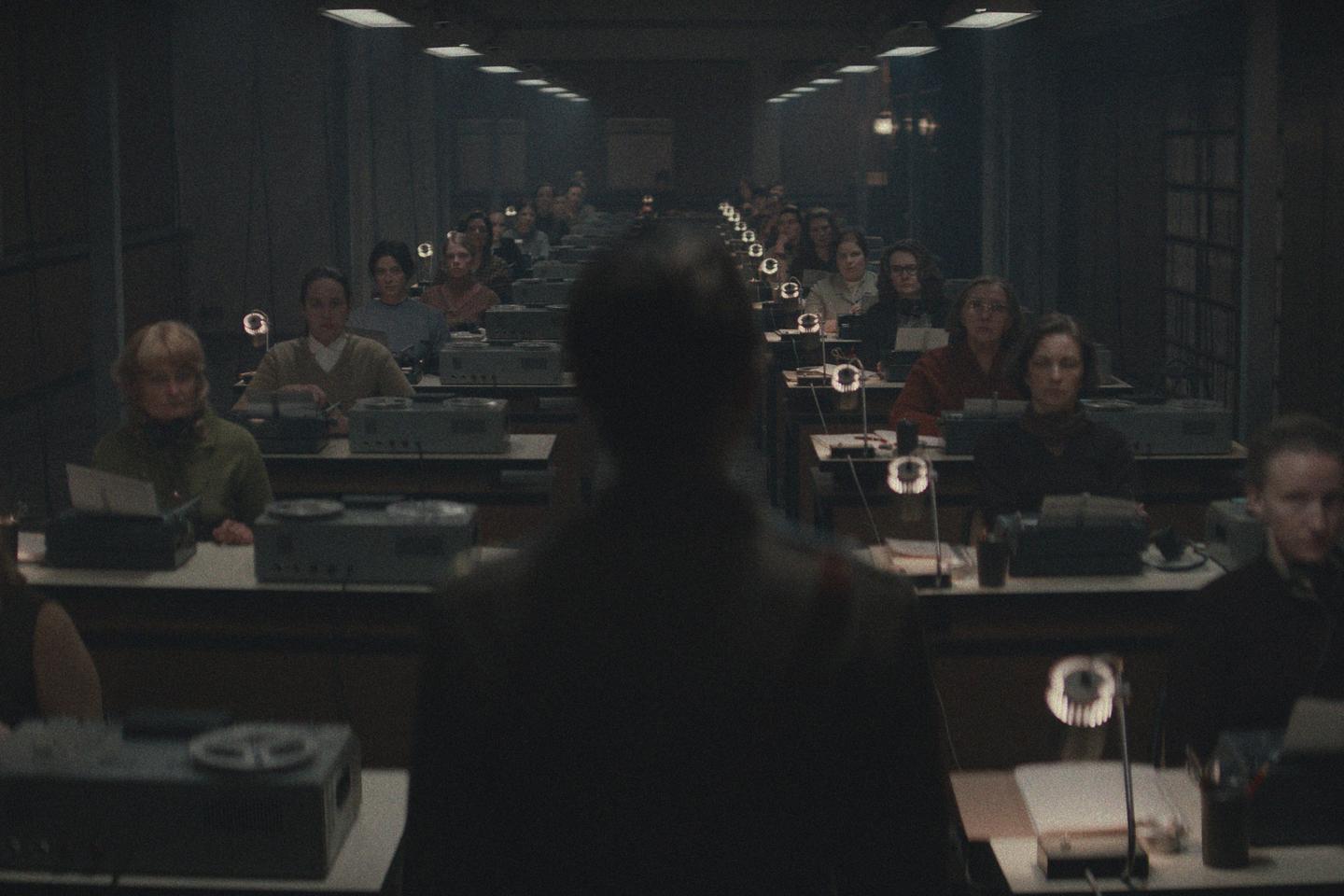
Tom's Guide Verdict: 'Star City'Rating: 3.5 stars (out of 5)Verdict: “Star City” trades the soaring optimism of early “For All Mankind” for a darker, more paranoid Cold War spy-thriller vibe. It doesn’t hit the same emotional highs as its predecessor (at least not yet), but the tense atmosphere and strong performances make it an intriguing addition to the franchise.Release schedule: Episodes 1-2 now streamingWhere to watch: Apple TVApple TV has spent the last few years quietly building one of the strongest sci-fi libraries among the best streaming services, but as the longest-running, “For All Mankind” remains the crown jewel. Ronald D. Moore’s alternate-history drama turned the space race into prestige television, blending Cold War politics, family melodrama and stressful engineering disasters into one improbably addictive package.Over time, though, the series drifted further away from its grounded roots and deeper into sprawling sci-fi spectacle. So there’s something immediately appealing about “Star City,” a spinoff that rewinds the clock back to the late ’60s and asks: What if “For All Mankind” was less inspirational NASA drama and more paranoid Soviet spy thriller?After watching the premiere's first two episodes, I’m cautiously on board. “Star City” doesn’t hit with quite the same emotional force as early “For All Mankind” as the premise naturally loses some impact the second time around. But shifting the story behind the Iron Curtain gives the franchise a fresh, darker energy.‘Star City’ trades optimism for paranoiaLike the early seasons of "For All Mankind," “Star City” is set in the ’60s and early ’70s, taking us inside the Soviet space program following the USSR’s victory over the United States in the moon race.At the center of it all is the mysterious, unnamed Chief Designer (Rhys Ifans), the architect behind the Soviet Union’s space dominance and a man treated with equal parts reverence and suspicion by the state. Around him orbits a sprawling ensemble of cosmonauts, engineers, KGB operatives and deeply unhappy spouses, because apparently emotional repression is just part of the Soviet identity.