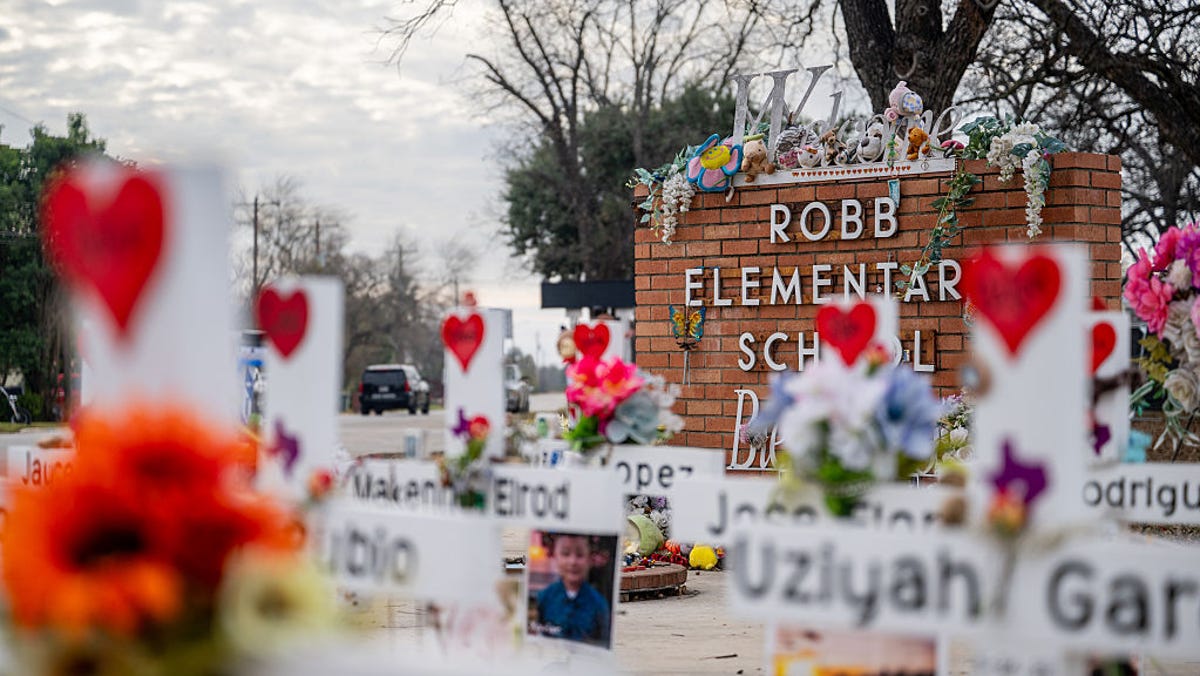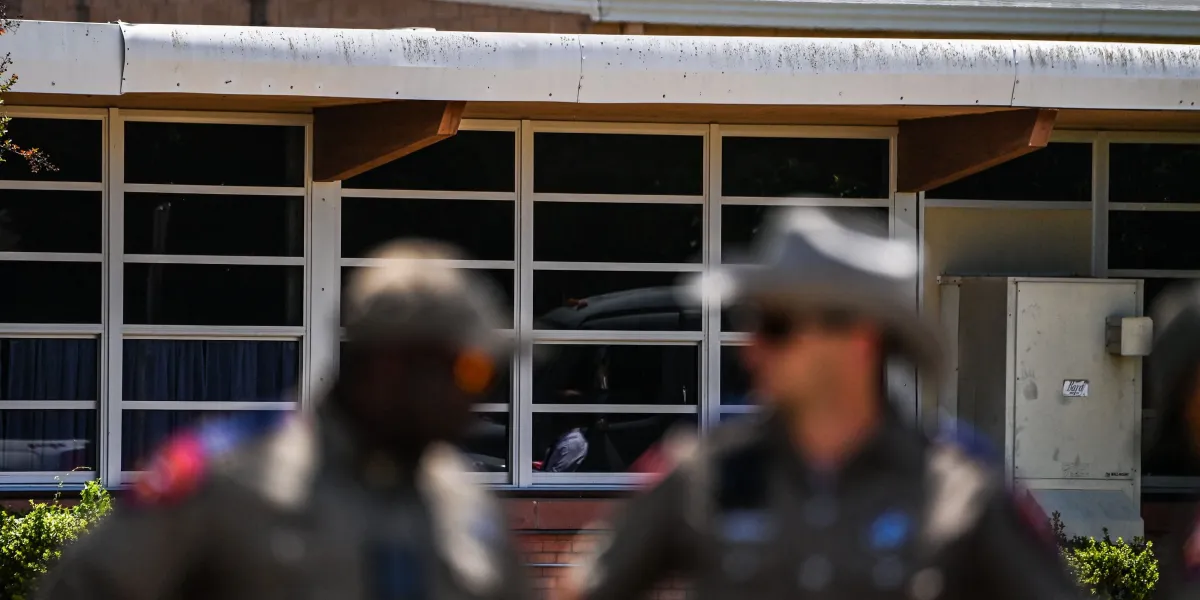
Police officers stand outside Robb Elementary School in Uvalde, Texas, on May 25, 2022. Photo by Chandan Khanna/AFP via Getty Images
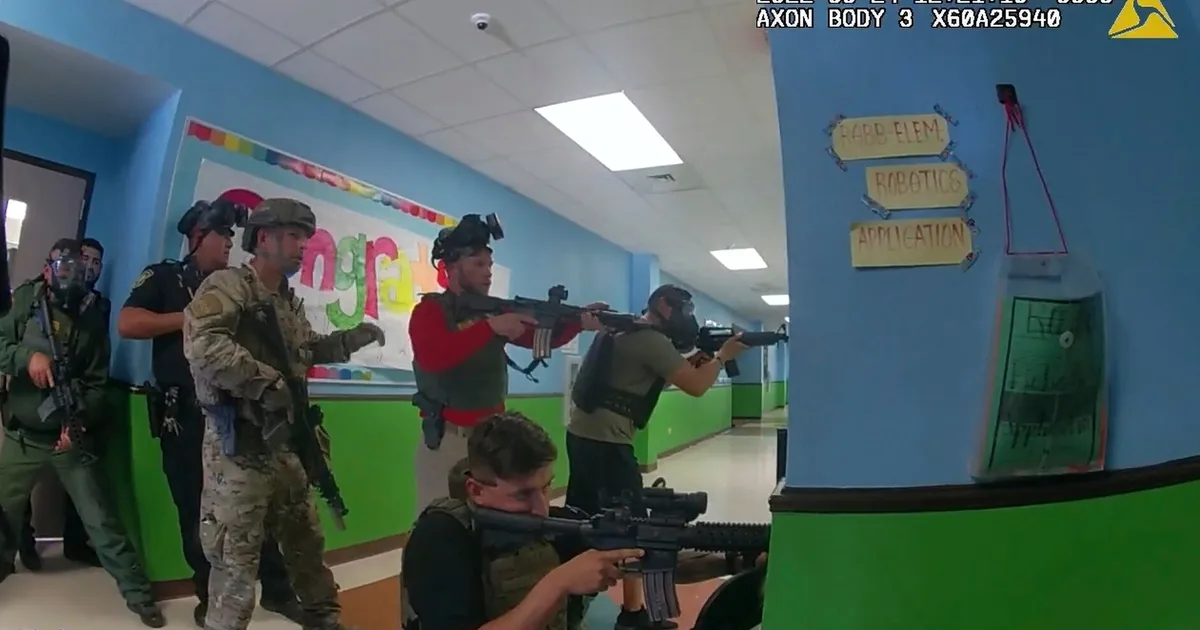
If there’s one thing we know about the 2022 school shooting in Uvalde, Texas, which left 19 children and two teachers dead, it is this: The police failed to stop it. This was not for an absence of well-funded, trained officers on the scene. They were there.
Rather than placing themselves potentially in harm’s way, however, the cops waited outside for over an hour and aggressively confronted desperate parents who begged for them to enter, including handcuffing one mother.
This failure to save lives was not, as I wrote at the time, a failure of police work. It in fact exemplified what police critics and abolitionists have stressed for decades, with reams of evidence. Police do not save lives or prevent crime. Policing is not the “thin blue line” between social peace and chaotic violence. And the work of policing is a far cry from the heroic myth so stubbornly lodged in the American imagination.
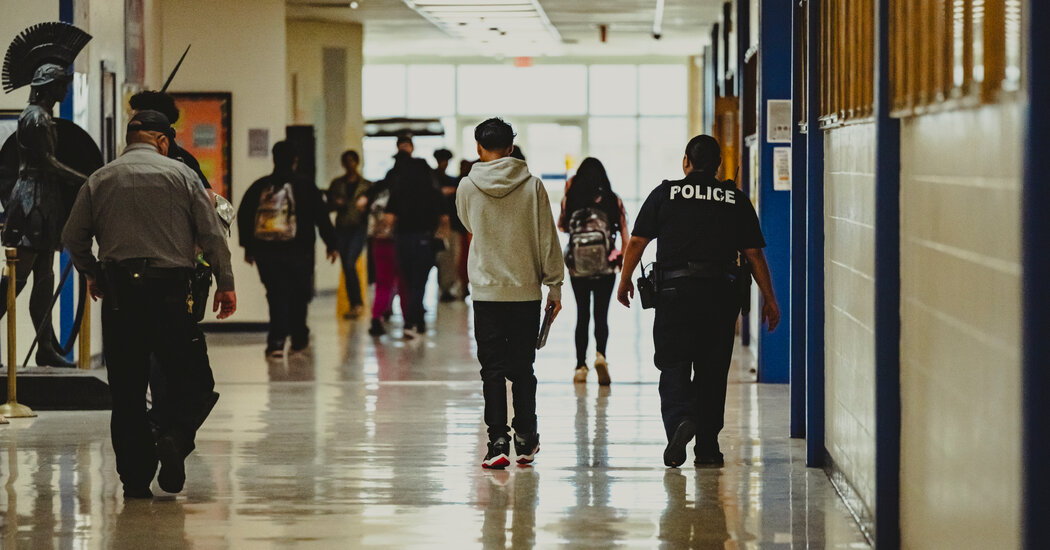
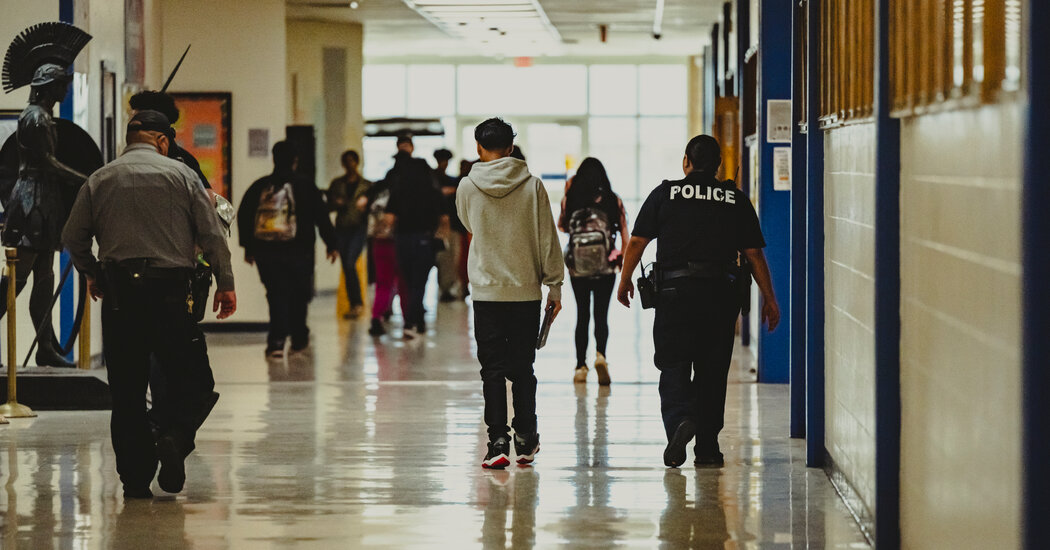
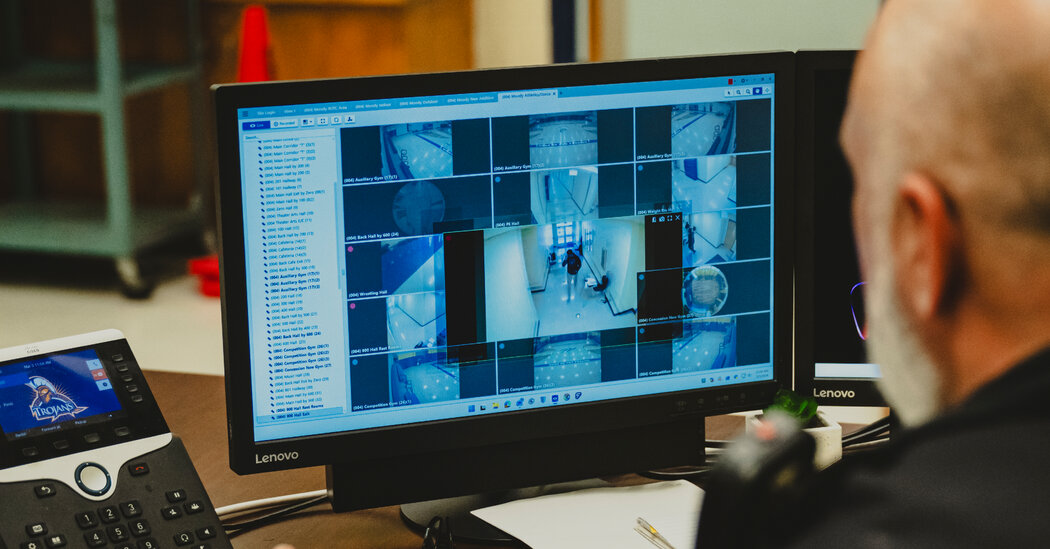
This was not, of course, the lesson learned by Texas authorities after the shooting. Instead, the state’s response was as predictable as it was doomed to produce only more violence in Texas schools: They added more cops.