The path to the C-suite is rarely linear—more often a winding road marked by setbacks as much as opportunity. For women in particular, the climb across industries from Wall Street to Silicon Valley has often meant breaking through glass ceilings to enter rooms where they were once told they did not belong.
But long before boardrooms, earnings calls, and billion-dollar decisions, the 100 leaders on Fortune’s 2026 Most Powerful Women list were learning the fundamentals of work in far humbler settings. Some stood on factory floors or stocked shelves at Target; others worked the airplane cabin aisle or settled into Wall Street cubicles. Few began with a clear roadmap to the top.
What united them isn’t having a perfect plan, but a willingness to adapt, outwork expectations, and seize opportunities when they appeared. While landing the corner office may not have been the goal from the outset, the earliest signs of their ambition can often be found in the first lines of their résumés.
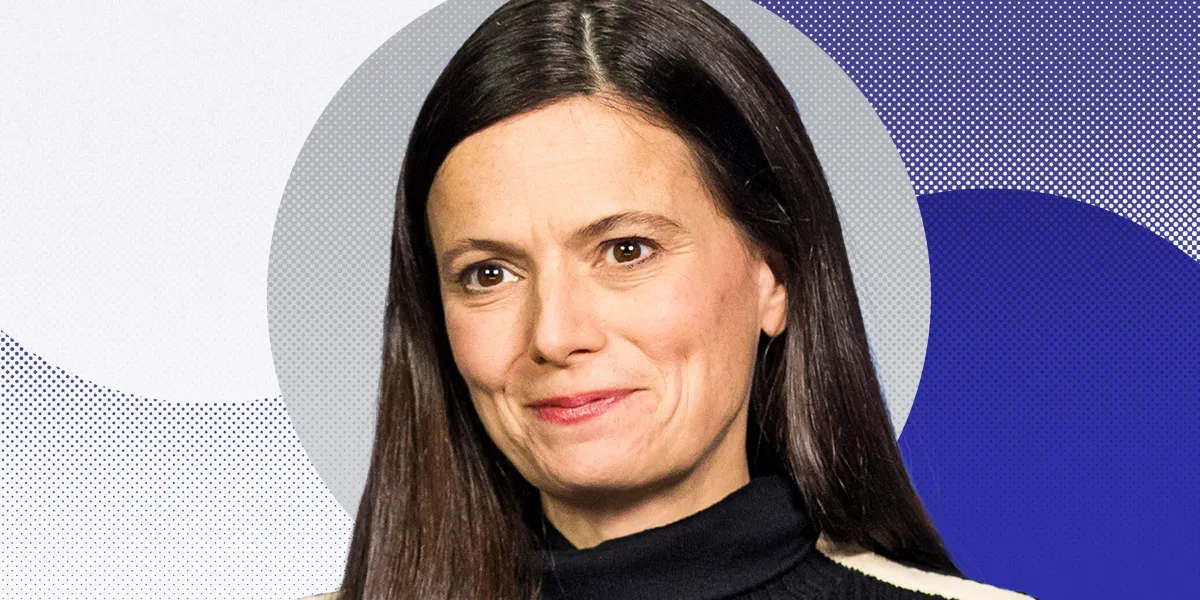
Jane Fraser (No. 1), chair and CEO of Citigroup
After graduating from the University of Cambridge with a degree in economics in 1988, Jane Fraser began her career as a mergers and acquisitions analyst at Goldman Sachs. While the job taught her some of the foundations of finance, and how to navigate a major firm, she admitted she wasn’t satisfied with where she was in life.