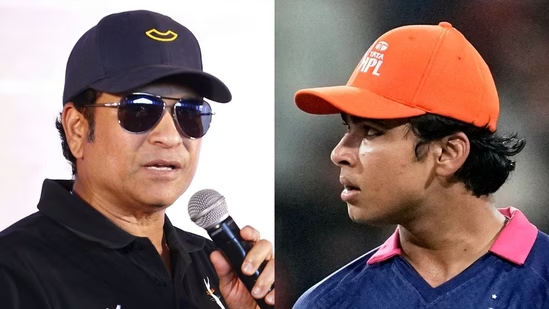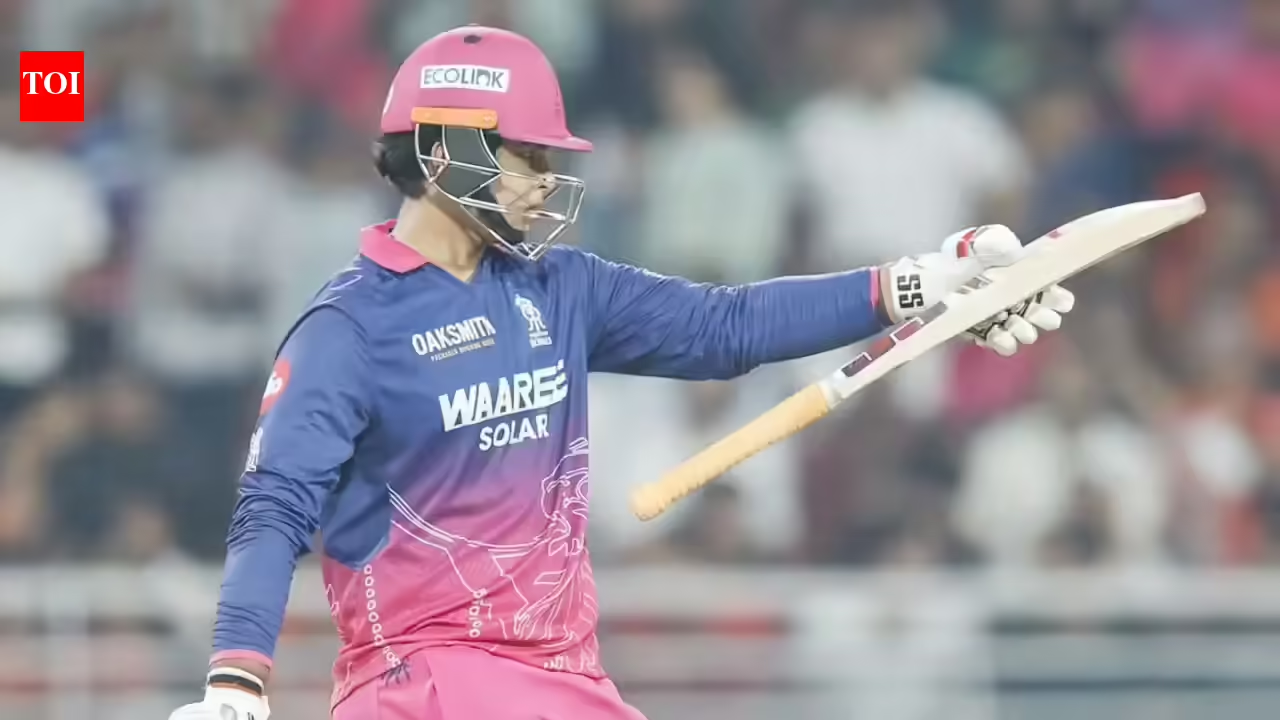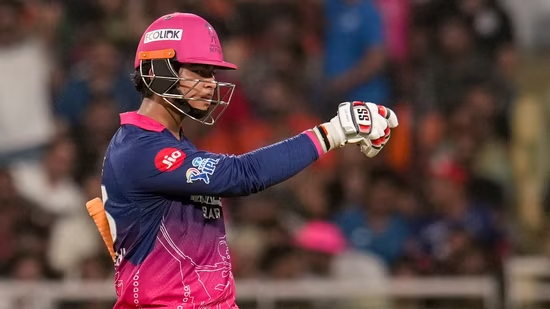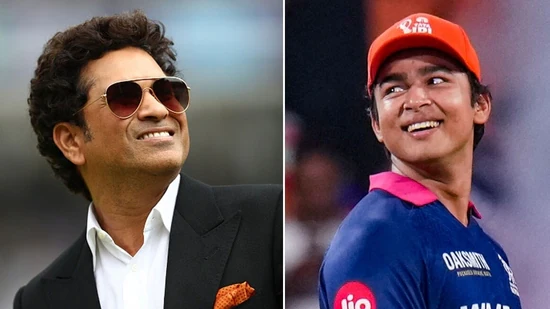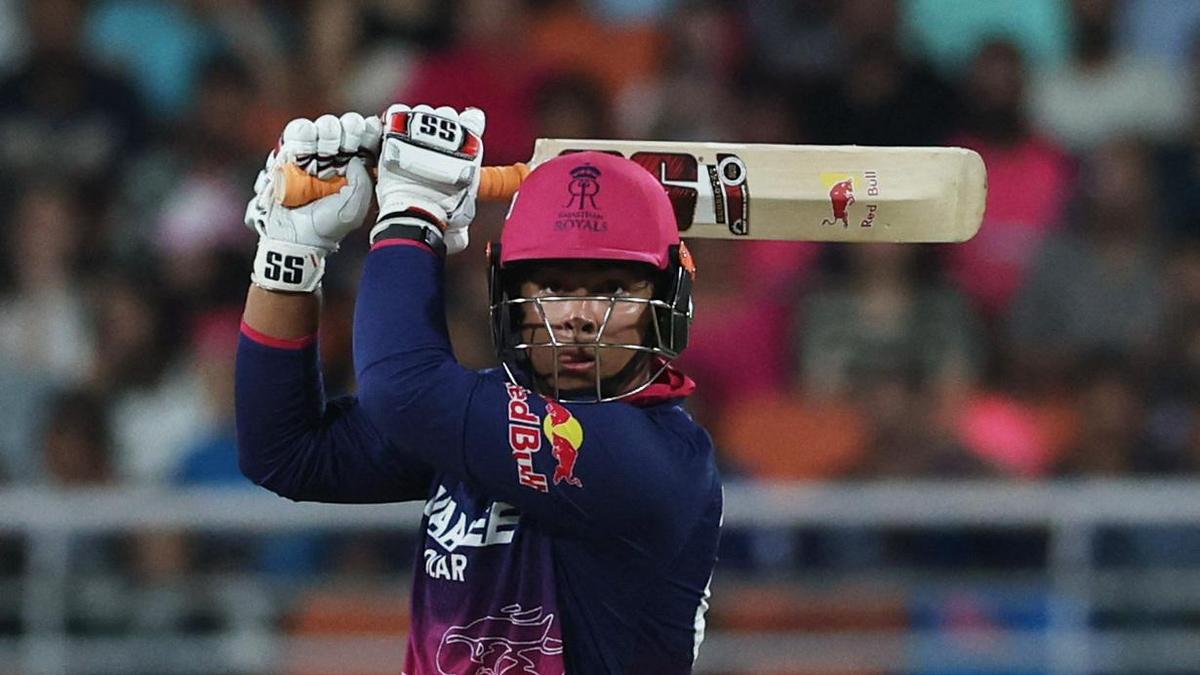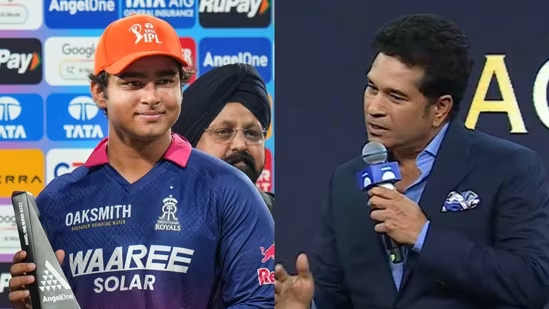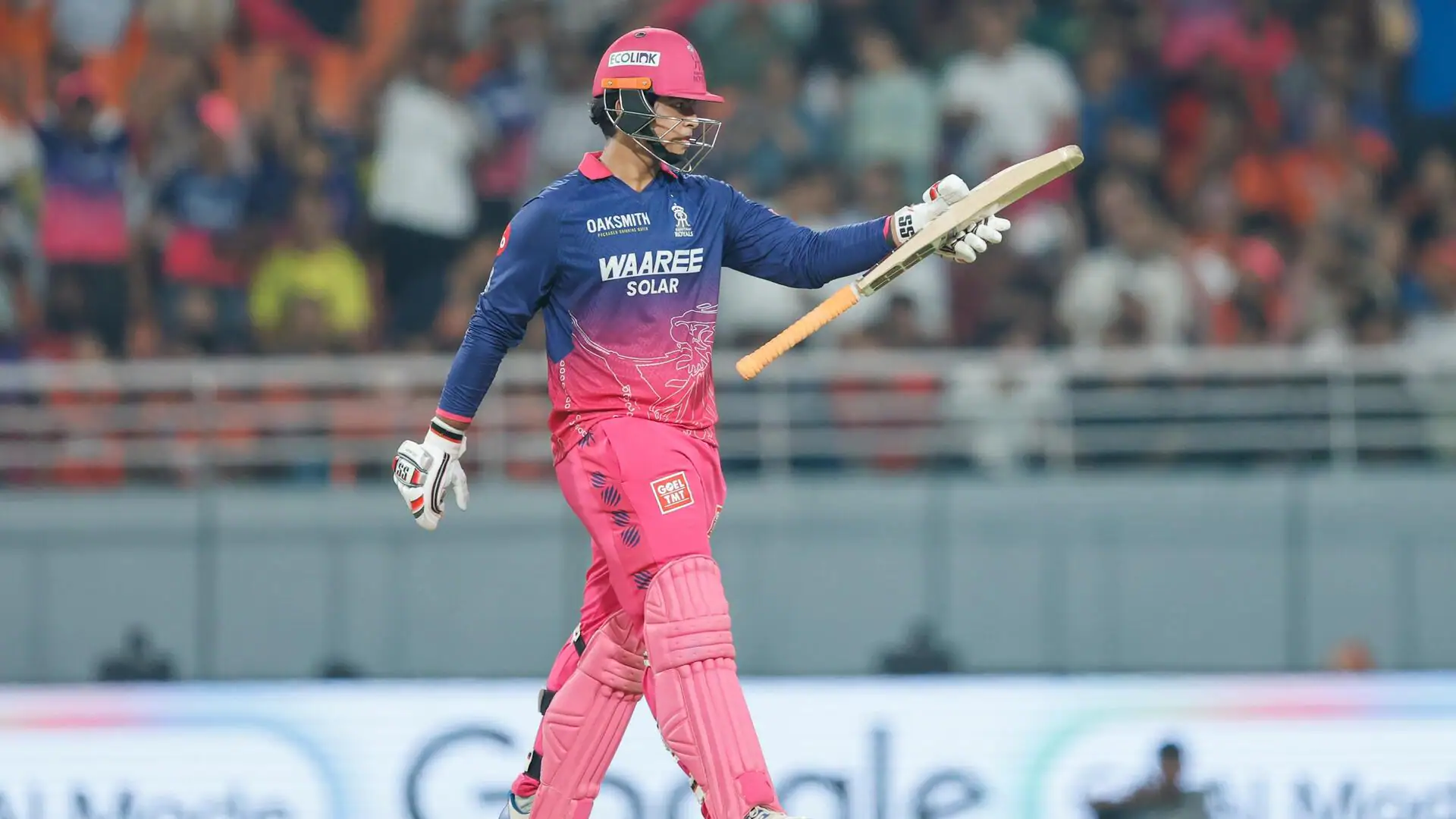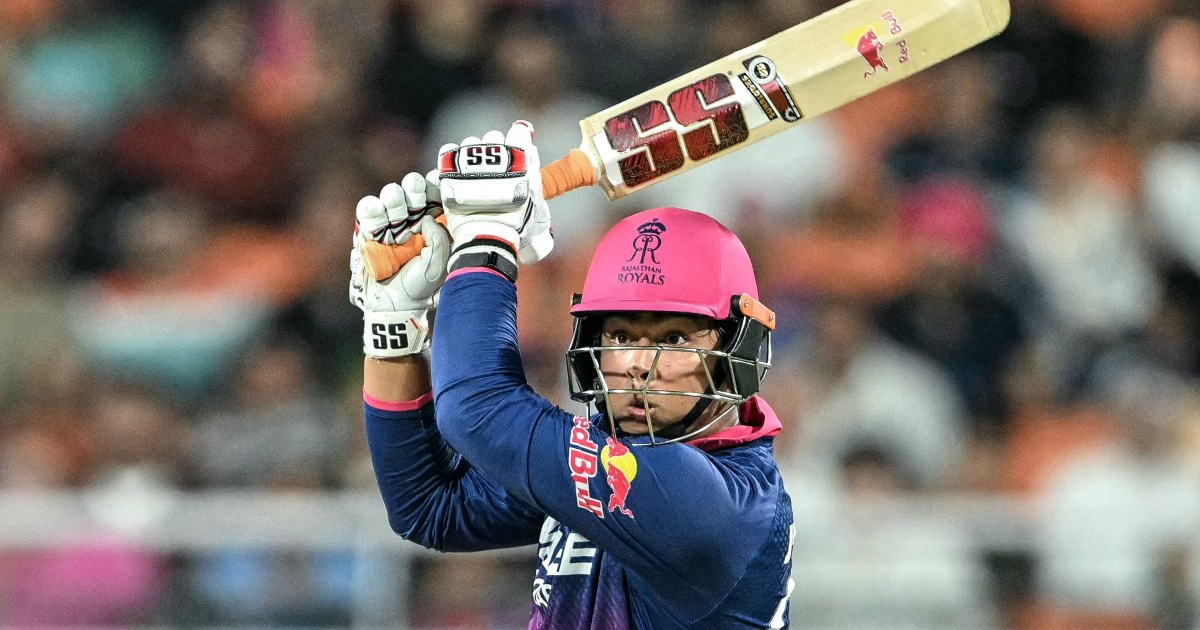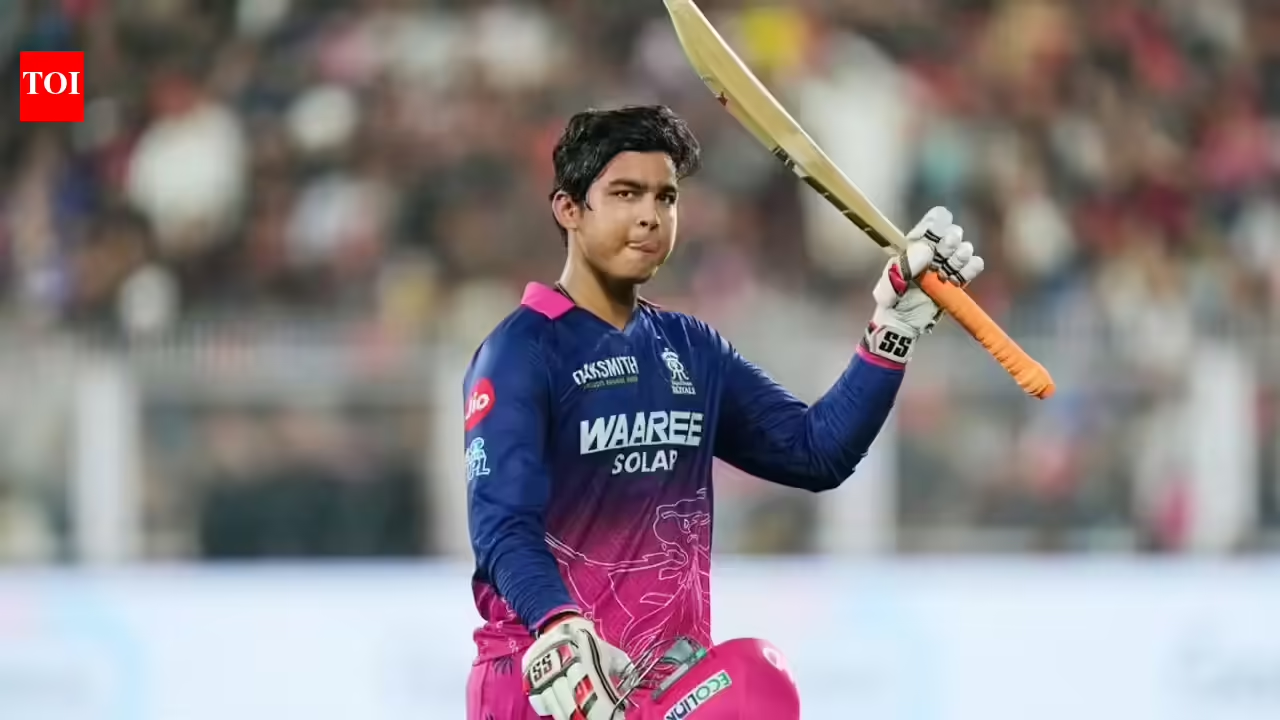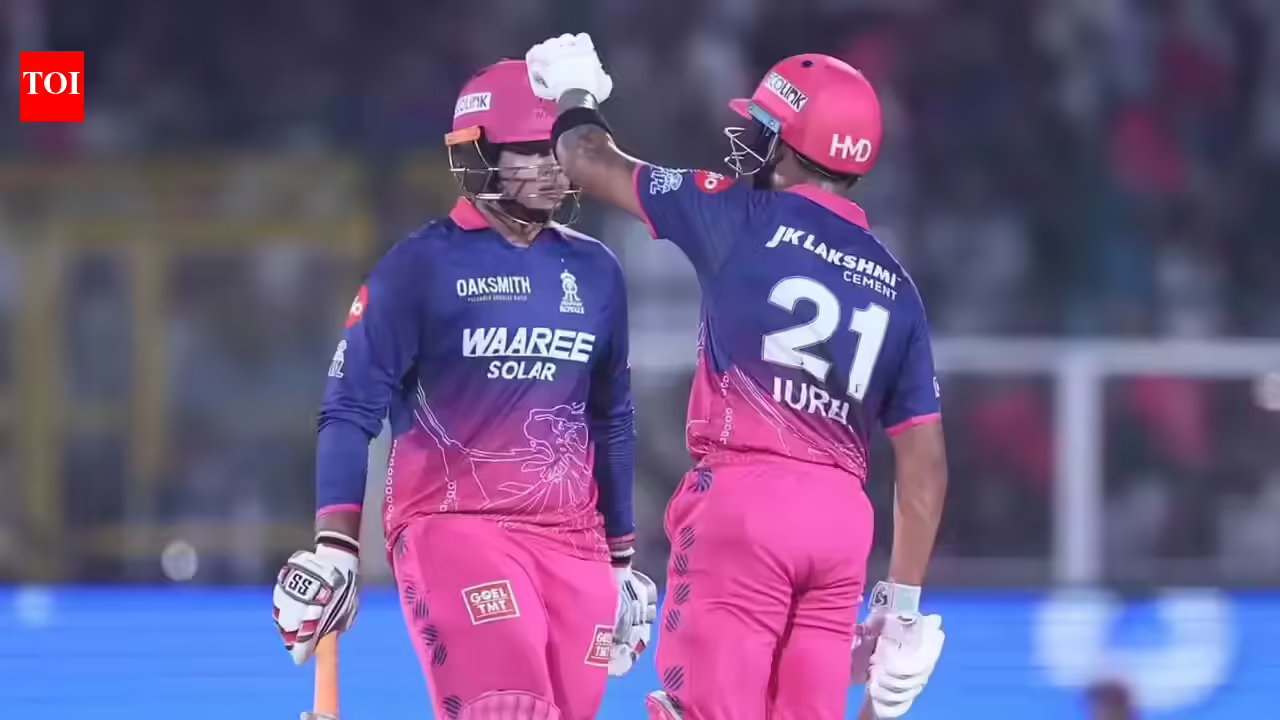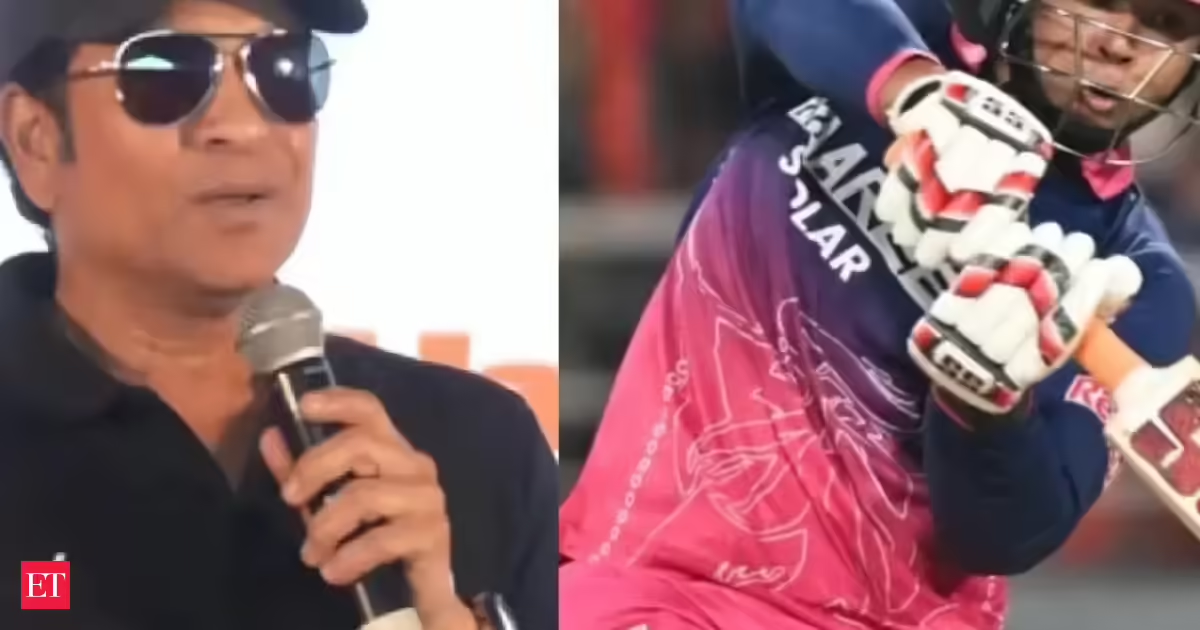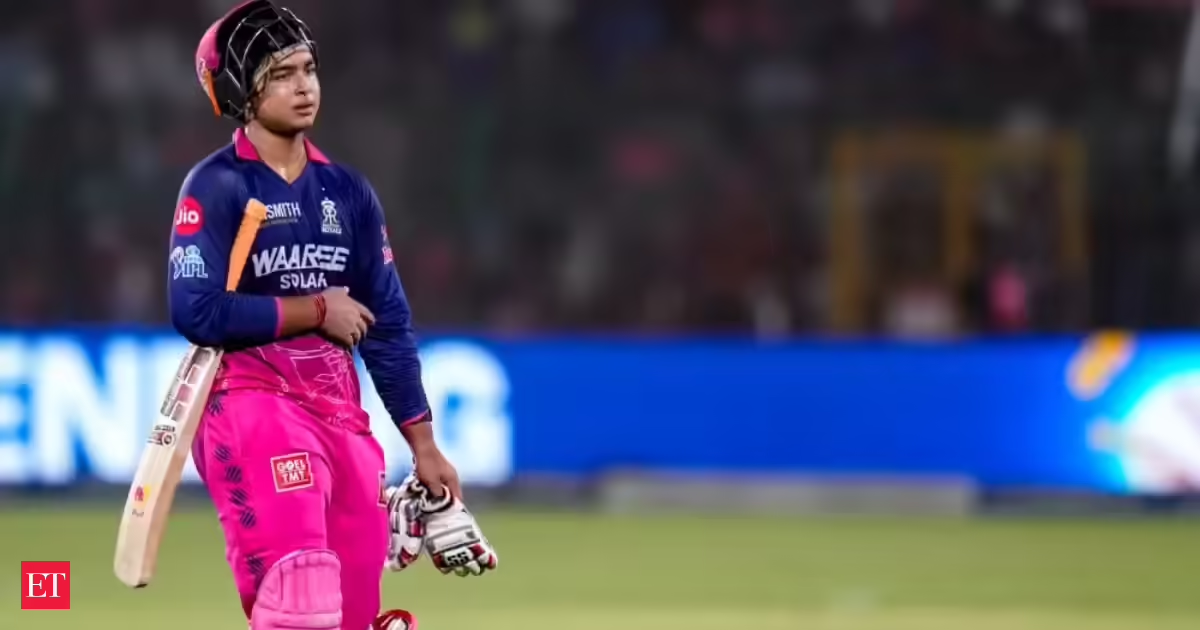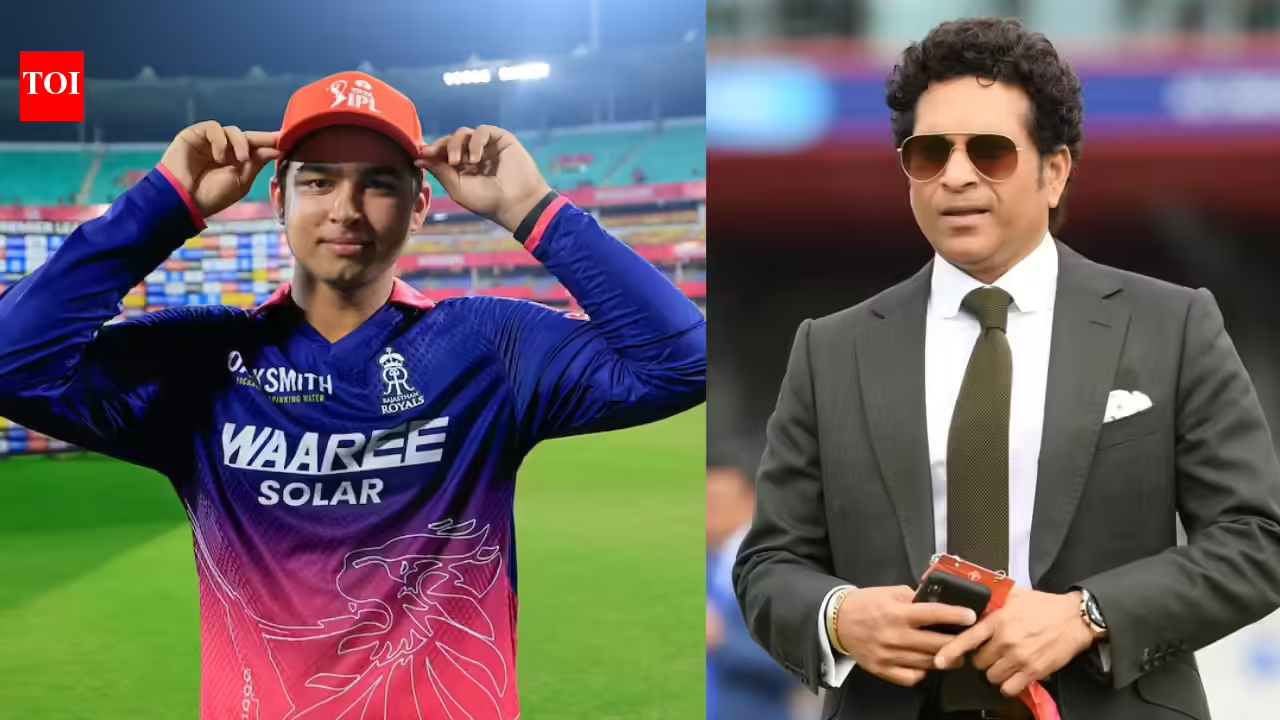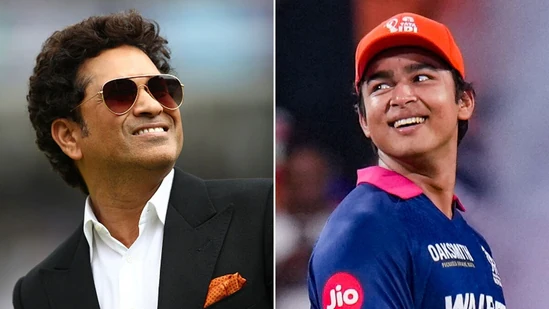
Vaibhav Sooryavanshi did not impress Sachin Tendulkar overnight. It was the culmination of a long journey where the youngster was put through several tests. Vaibhav Sooryavanshi has been called many things in his young professional cricket career: AI, prototype, baby boss, modern-day Don Bradman. Yet, none of these superlatives comes even close to that one tweet sent out from Bandra around 9 PM on Wednesday. As Sooryavanshi went berserk en route to scoring 97 against Sunrisers Hyderabad in the Eliminator, missing the record for the fastest-ever IPL century by one ball, the great Sachin Tendulkar showered him with arguably the single-biggest compliment of his life.What could Vaibhav Sooryavanshi have possibly done to impress Sachin Tendulkar? Now you know (AFP/PTI)“Vaibhav Sooryavanshi’s bat swing has been outstanding. What’s even more remarkable is how beautifully he clears his front foot to create room for balls aimed at his legs. This freedom allows him to play the way he does,” wrote the Master Blaster.Also Read: Vaibhav Sooryavanshi reacts after God of cricket Sachin Tendulkar takes note of his battingAnd when it’s Tendulkar-approved, you know it’s bloody special. After all, no one understands bat swing better than the God of cricket himself. Sachin’s was the best in the business when he burst through the ranks in the late 1980s. As a 15-year-old, the speed at which his hands worked magic with the bat made jaws drop. Game recognises game, and as Tendulkar rightfully pointed out, Sooryavanshi is in a class of his own. Nothing seems to trouble him. Irrespective of the speed at which the ball comes at him, it reaches the boundary even quicker with brute force. Sooryavanshi’s wild bat swing is indeed a key part of his success.Also Read: Baby or not, Vaibhav Sooryavanshi definitely the boss; India’s one-man wrecking ball is leaving bowlers mentally scarredA lot of cricketers doing wonderful things with their skills at this age are God-gifted. But that wasn’t the case with Sooryavanshi. Vaibhav mastered it with time. Time? Really? Where was it? He’s still a teenager. But even when he wasn’t, Sooryavanshi spent countless hours in the nets every day, facing ball after ball, driving, cutting and pulling relentlessly to master timing, balance and pace.‘Vaibhav would train from 8 AM to 4-5 PM’“Vaibhav’s bat swing has improved with regular practice. In 2022, when he was 11, Vaibhav would train from 8 AM to 4-5 PM. He would face deliveries bowled to him at 125-130 clicks, and even though he was rough around the edges, he picked up brilliantly, and you could see it in his batting now,” Sooryavanshi’s coach Manish Ojha tells Hindustan Times Digital.At the Gennex Cricket Academy, Sooryavanshi was put to the task. With balls thrown at him, manually or machines – he was asked to play all shots: lift, cut, upper cut, pulls, step out and smash, slogs. Open-net sessions, match simulations, and target/power hitting became an integral part of his learning.The second bit Tendulkar mentioned was Sooryavanshi’s footwork: how he effortlessly gets his right leg into a position that allows him to generate tremendous power. Once again, Tendulkar is spot on. Sooryavanshi is changing what length means in the modern game. As has been documented, his strike rate against length balls this season is 240-plus, while others against the same length are operating closer to 140-plus.Sooryavanshi loves feasting on fuller deliveries, as his strike rate of 278 suggests, having smashed eight fours and nine sixes. Against good length balls, it dips to 197, with 22 sixes. He is equally merciless against the back-of-a-length deliveries, plundering 16 sixes and 12 fours. Of the eight bouncers he has faced, Sooryavanshi has dispatched three for sixes at an astonishing 325. The only area that troubles him slightly is the yorker – full tosses have been few and far between – but when they’re being smashed at 125, does it really qualify as a weakness?Nowhere to escape from Vaibhav Sooryavanshi (HT)The body pivot“What enables him to achieve this is a superbly coiled upper half, combined with a considerable bend in his torso at the top of his swing. This allows his head to get outside the line of most deliveries. As a result, he is seeing balls well outside off stump directly in front of his eyeline, whereas for most batters that same ball exists outside their eyeline and, as a result, becomes more difficult to judge,” veteran coach Zubin Bharucha tells HT Digital.“At the same time, his weight is almost completely loaded into his back leg. He is effectively operating on one leg, which suggests the weight has to remain back. If you attain this position and then do not move your hips forward, in the traditional batting sense, that has been taught since the inception of the game, your front foot cannot really go forward, or if it does, it only moves a fraction without much weight transferring onto it. Given the lack of weight on this front foot, you often see him finishing the shot with his front foot flayed open and his ankle turned over. You cannot turn your ankle over like that if there is any weight on it, or else it will break.”Almost 70 percent control is insane from Vaibhav Sooryavanshi (Hindustan Times)Tendulkar would probably relate to Sooryavanshi’s stance. Early in his career, the great man had a bent stance too, which, over the years, due to injuries and other factors, became much more upright. But even as his legacy grew, Tendulkar’s change in batting stance left him susceptible to LBWs. Between 1989 and 1995, Tendulkar was dismissed leg before wicket 11 times. Between 1996 and 2000, the number rose to 15, before increasing sharply to 48 from 2002 to 2008.Sooryavanshi, meanwhile, has been dismissed LBW just twice in the 80 matches he has played across IPL, First Class, List A and youth cricket, underlining the effectiveness of none other than the legendary Don Bradman.Sachin Tendulkar's LBW graph (Hindustan Times)“What this position on the crease also achieves and enables is the bat to do all its operations (movements) in front of the stumps, with the body staying inside the line of the ball. For most other batters, the body stays more in line with the ball, and the bat operates slightly outside of that. This is driven from the deep bend of his back, which enables his hands to operate in front of the stumps like some of the former greats did when they stood well outside leg stump to ensure the bat was operating in front of the stumps and the body was well inside the line. This resulted in Bradman being LBW fewer than 10 times in his entire career, while players like Graeme Pollock never got out LBW. It’s accentuated by the bend of his back, and even though he is not taking an outside leg stump guard, Sooryavanshi is still able to attain these positions on the crease like those of these former greats,” added Bharucha.“It is all driven by the hip not sliding forward, and this enables him to remain in such a strong coiled position on one leg, from which he can create that hip-and-shoulder separation and attack every ball. The moment the hip slides forward, as batting has been taught for the last 150 years, you become committed to one length and lose the ability to do what Vaibhav does on every ball: get into a position from which every ball becomes a hittable option.”Disclaimer: All the data and numbers have been derived exclusively from Hindustan Times Digital's cricket database.Aditya Bhattacharya is the Sports Editor at Hindustan Times Digital, with close to 15 years of experience in sports journalism. Over the course of his career, he has worked with leading media organisations including Cricbuzz, The Times of India, Network18 and Zee. Primarily a cricket writer, Aditya has covered several marquee events, including the 2016 ICC World T20, the 2019 ICC World Cup in England and the 2023 World Cup in India. His reporting portfolio also includes international cricket across England, South Africa and New Zealand, along with forays into tennis, including coverage of the Australian Open. He has interviewed several prominent athletes across sports.
How Vaibhav Sooryavanshi won over God of cricket Sachin Tendulkar: 9-hour grind, Bradmanesque stance and a divine swing
Vaibhav Sooryavanshi did not impress Sachin Tendulkar overnight. It was the culmination of a long journey where the youngster was put through several tests. | Cricket
1,566 words~7 min read