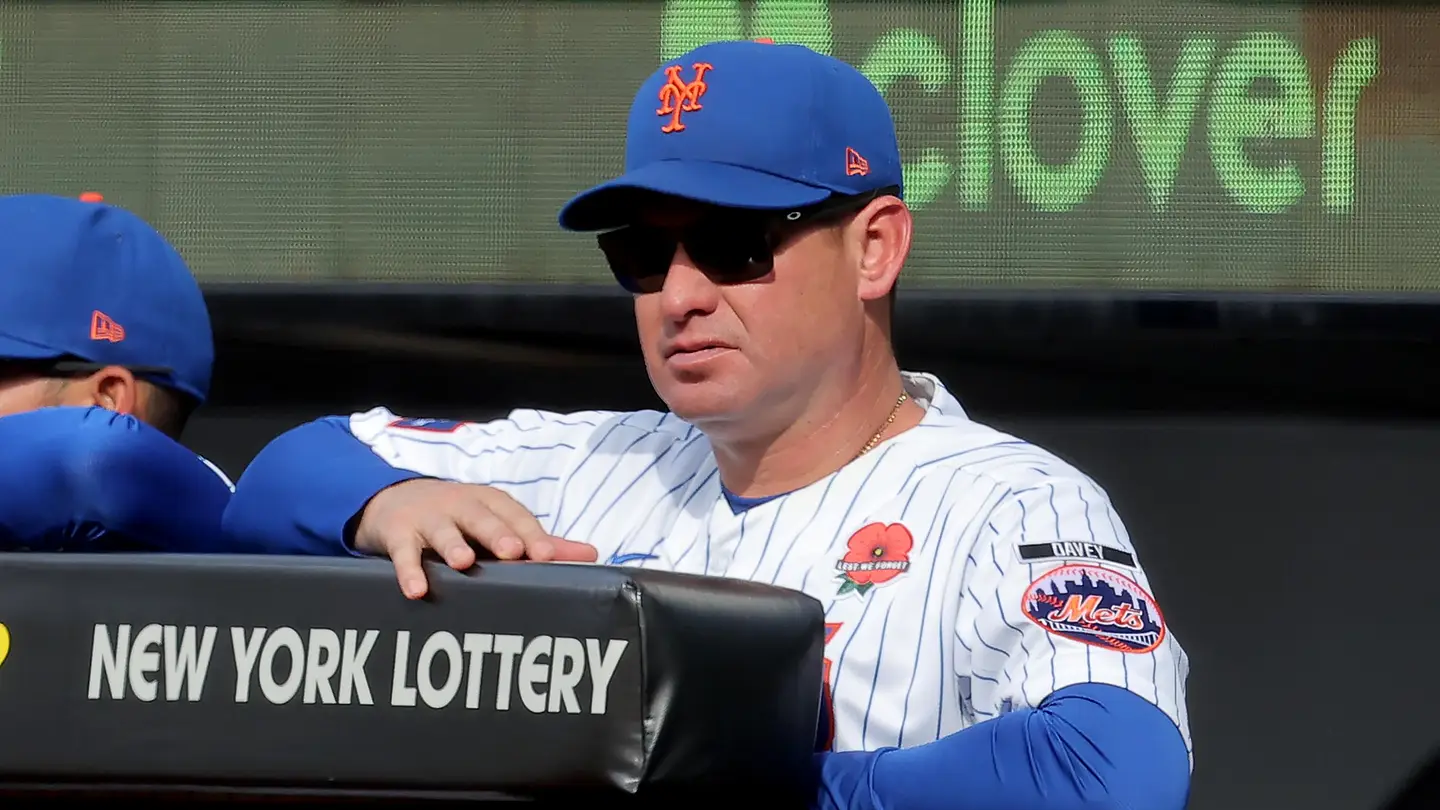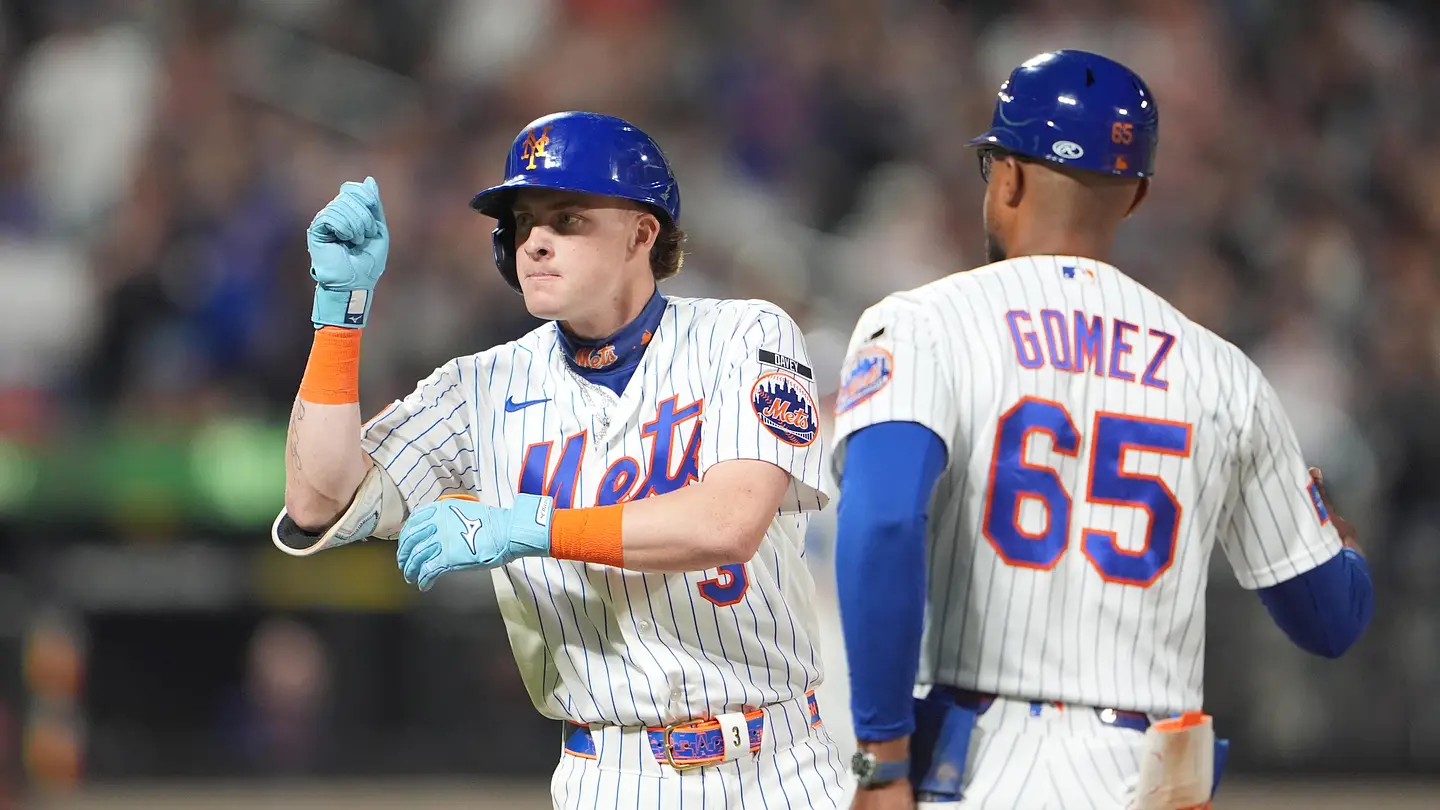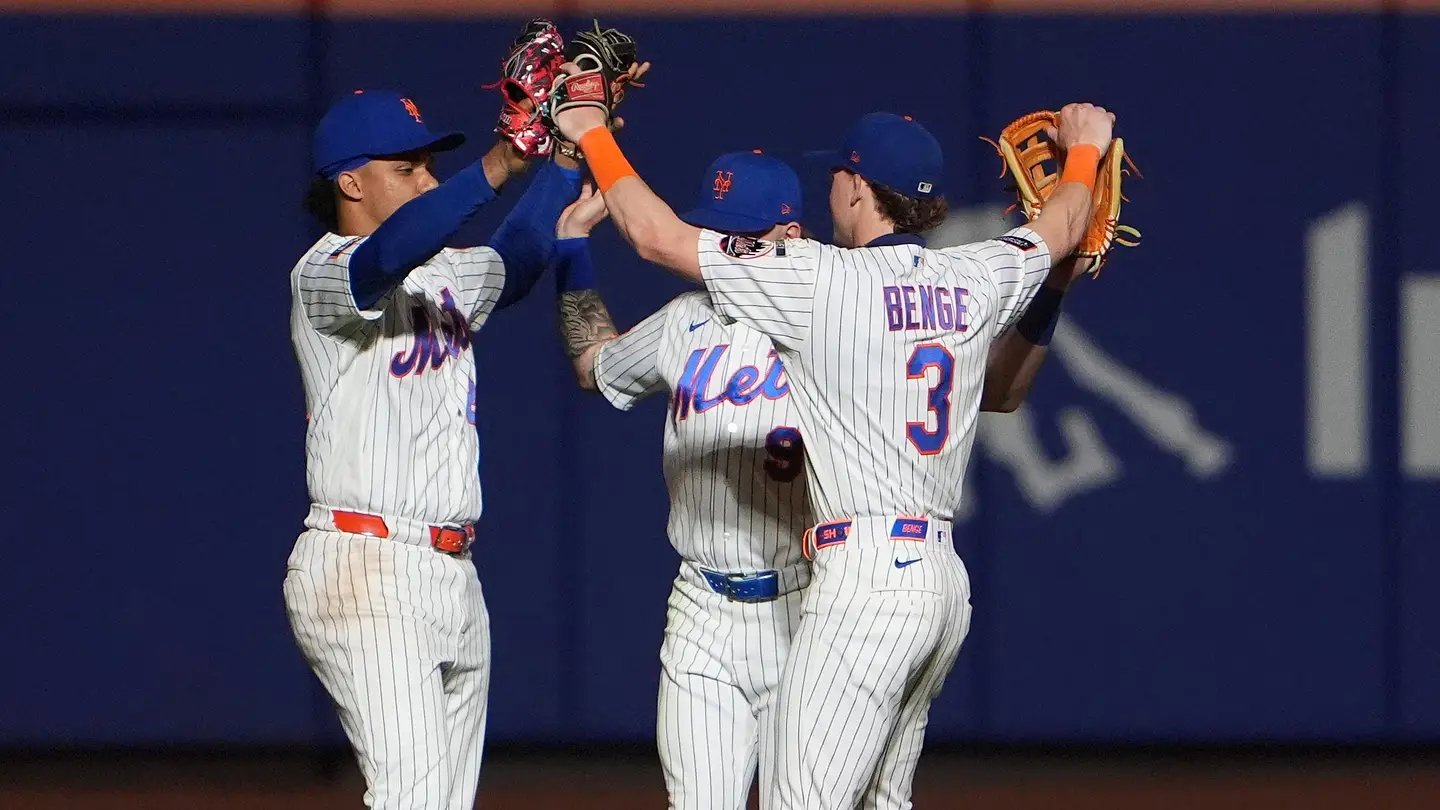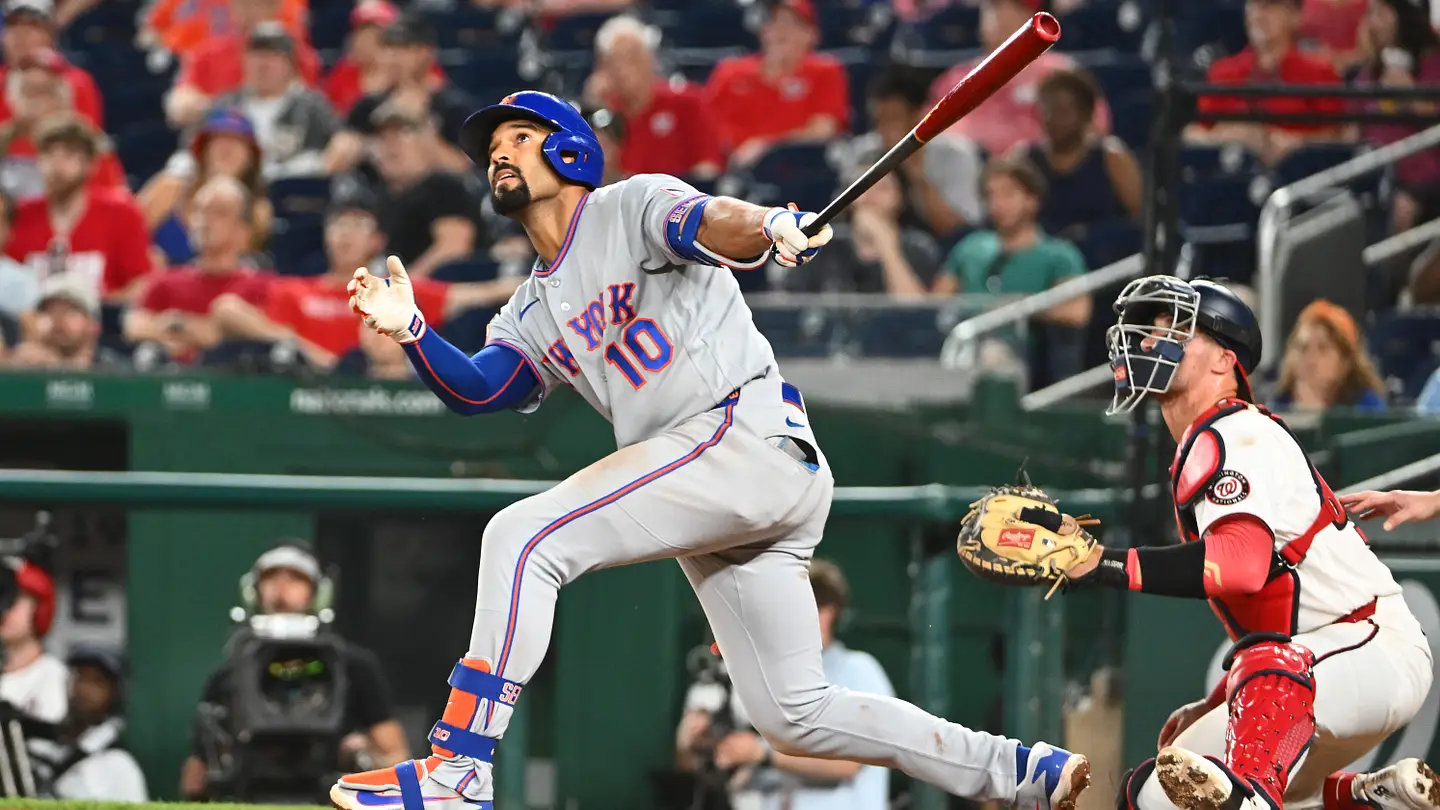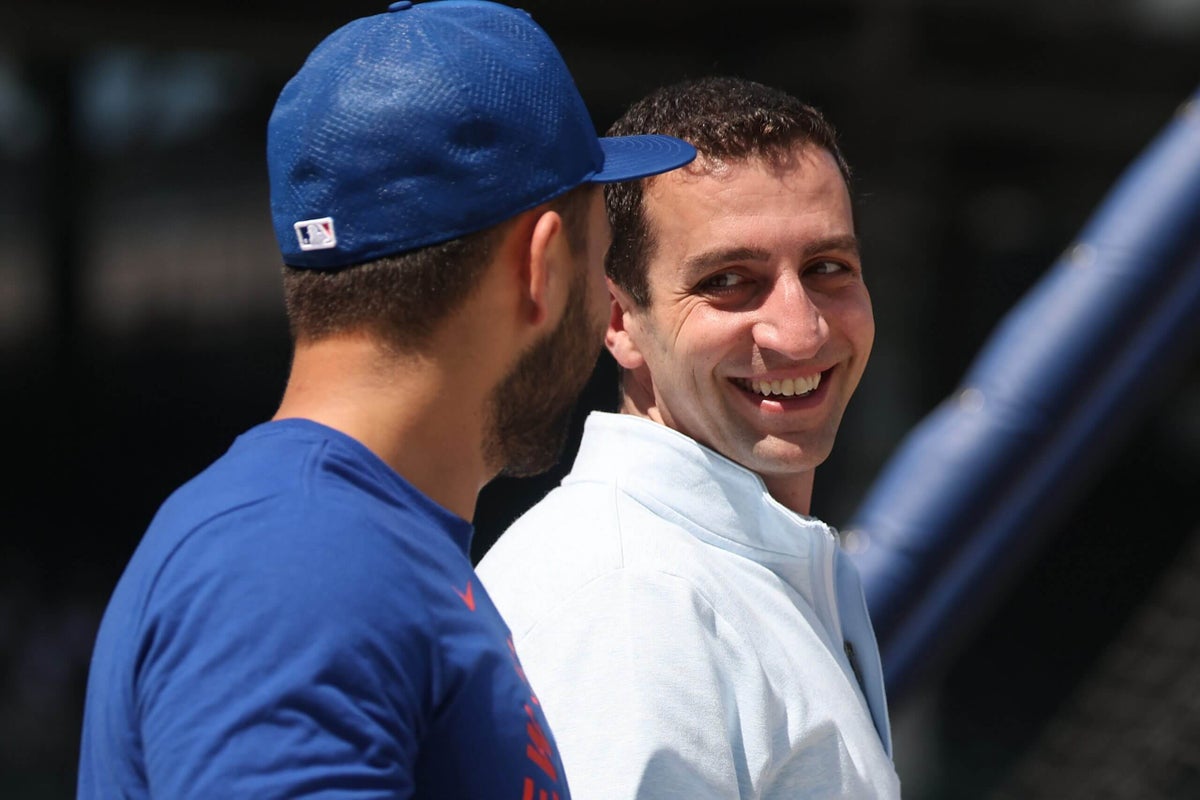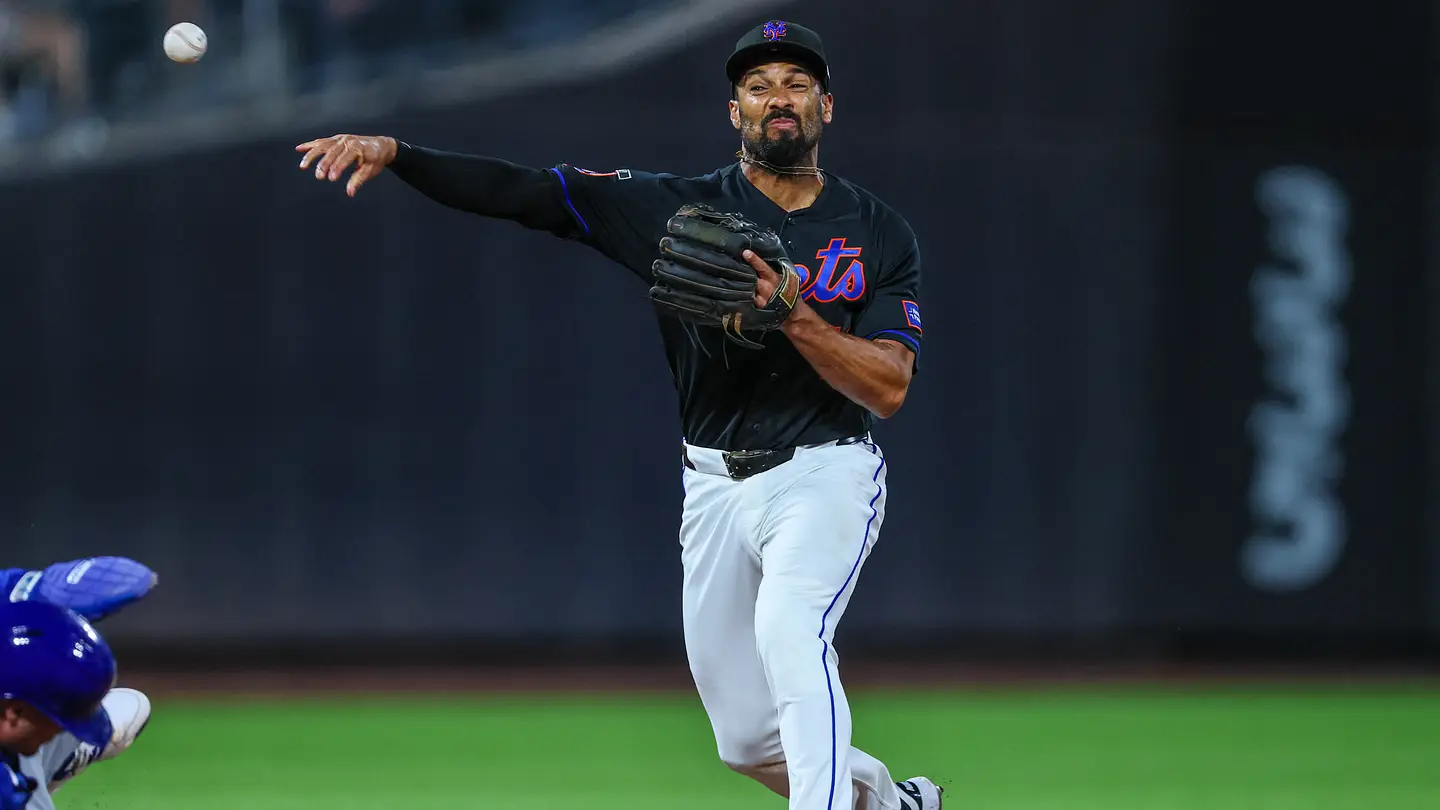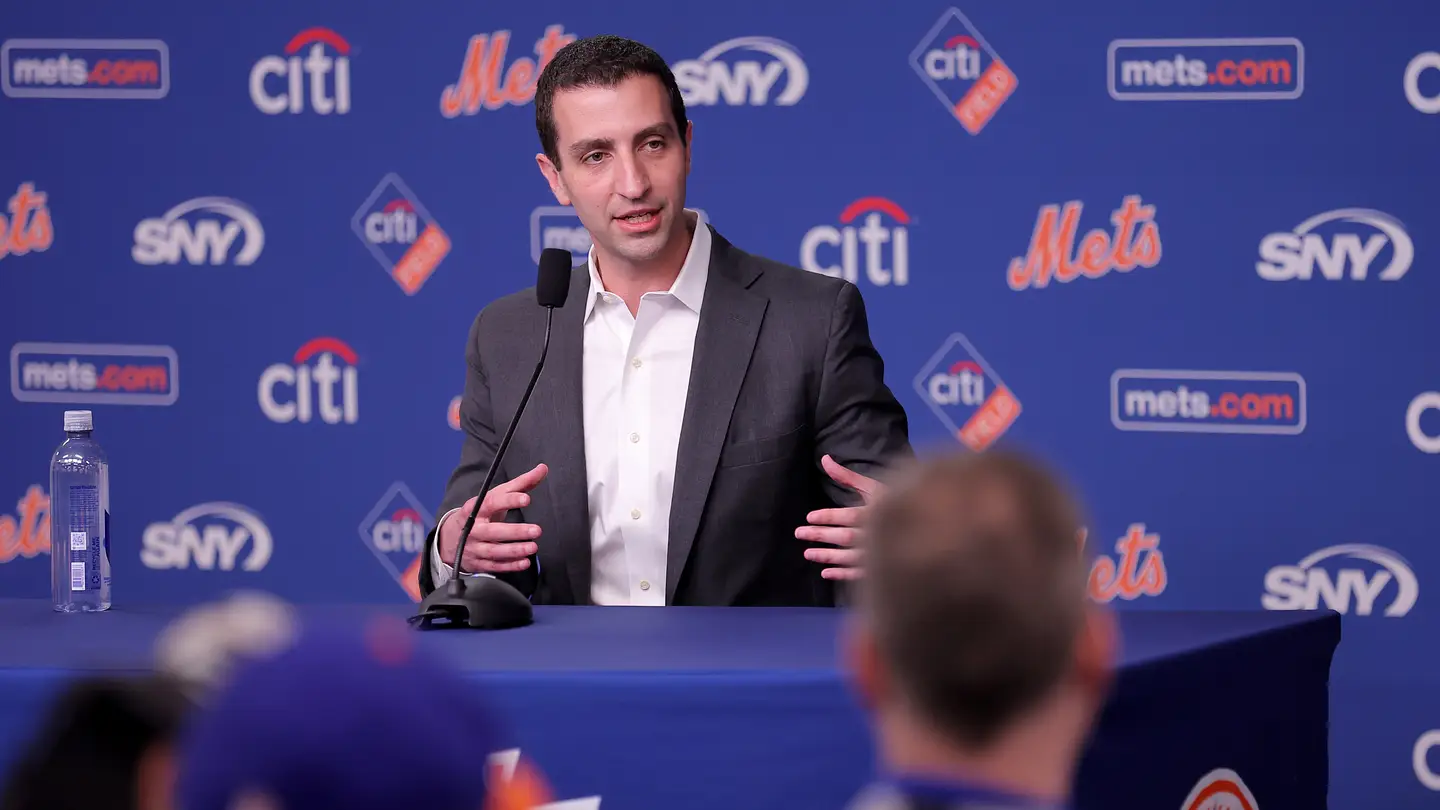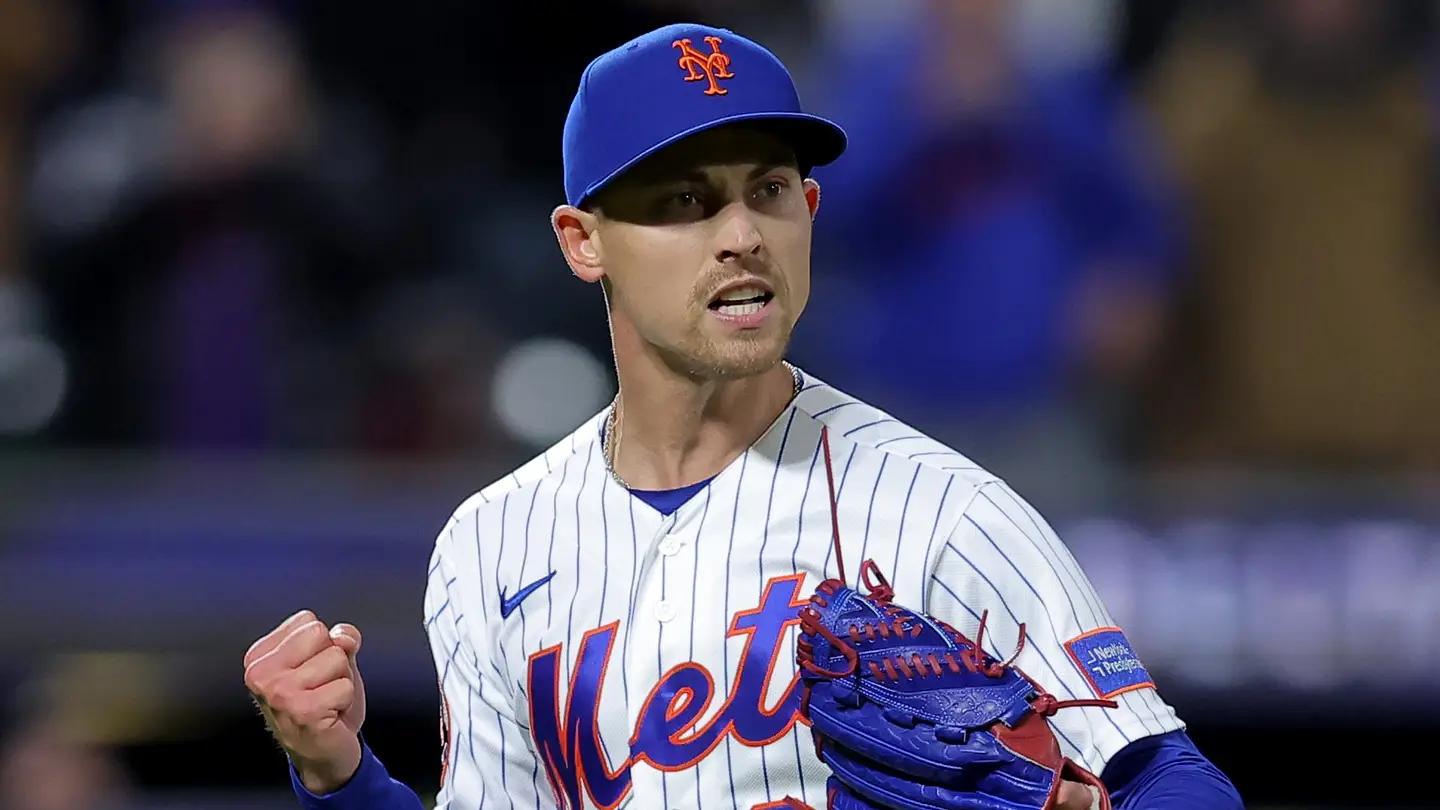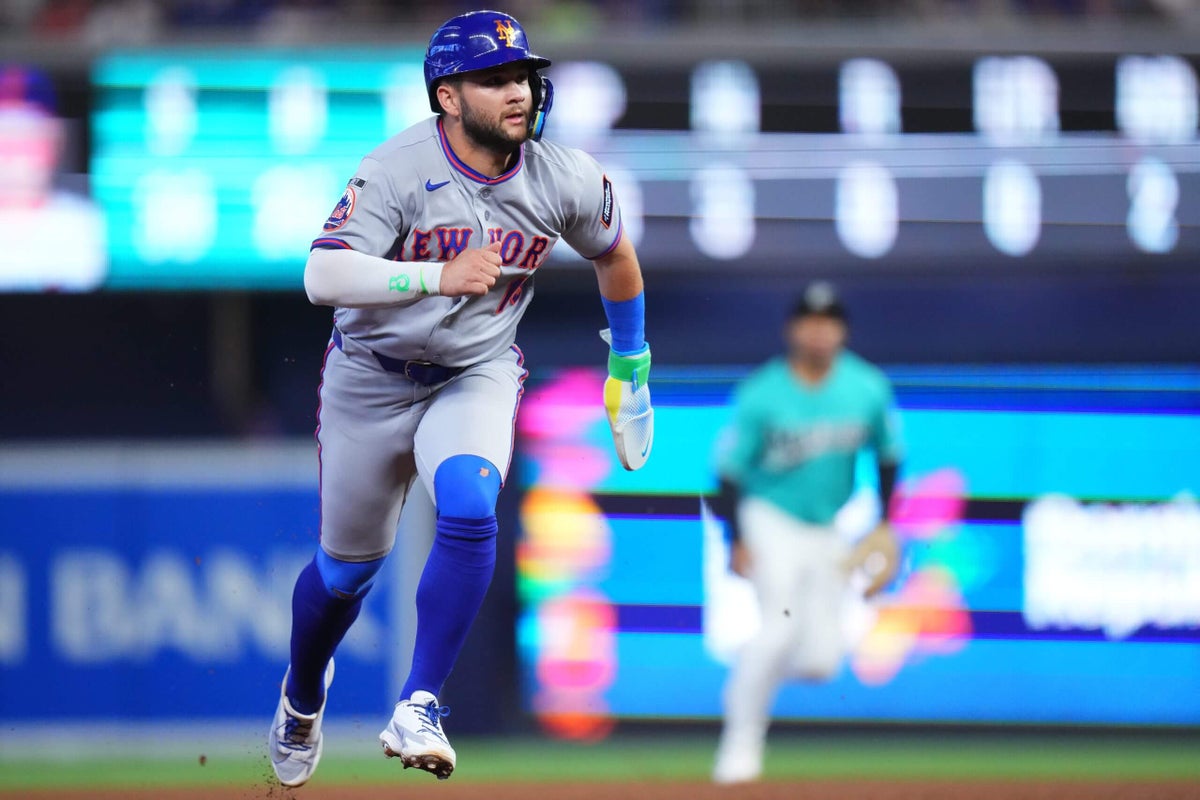
NEW YORK — The New York Mets on Wednesday were dangerously close to falling to a new low under president of baseball operations David Stearns.They held on to a 4-2 win over the Cincinnati Reds to avoid dropping to 12 games below .500. The Reds stranded a season-high 17 runners. Since Stearns’ first season in 2024, the worst the Mets have ever been is 11 games under .500.The Mets’ win also snapped a five-game losing streak. Earlier in the season, the Mets, now 23-33, lost 12 in a row. Multiple Mets veterans said the more recent skid was worse. That’s because New York had played much better for a stretch earlier in the month, but the poor play lately ruined all that work.How’d the Mets, with their $355 million payroll, get here? Injuries have played a major role. But the Mets’ problems extend beyond such absences.The Mets’ start to the 2026 season has revealed long-term concerns.The Mets’ offseason strategy of emphasizing contact has backfiredNew York ranks in the middle of the pack in contact rate. In most other offensive categories, however, they linger at the bottom.The Mets may have the least powerful lineup in MLB. Their .350 slugging percentage ranks No. 30 among the 30 teams. Their .124 ISO is No. 29, better than only that of the Milwaukee Brewers, a small-market team averaging 4.89 runs per game compared with the Mets’ 3.82.Juan Soto is responsible for 12 of the Mets’ 50 home runs. No one else in New York’s lineup has hit more than six. Only Mark Vientos and Bo Bichette have hit at least five.“The biggest thing is our ability to drive the ball out of the ballpark,” manager Carlos Mendoza said this week about New York’s putrid offense. “It’s hard to score three or four (runs) on just singles. You’ve got to be able to drive the ball, and right now we’re having a hard time doing that.”What the Mets lost in slugging by moving on from Pete Alonso and Brandon Nimmo, they hoped to make up for with better clutch hitting and contact, plus enough power in the aggregate of their lineup. So much for that.To be fair, these two months may ultimately represent an aberration. Bichette is off to a brutal start, Francisco Lindor’s spring hamate injury may have affected his power even before his calf strain knocked him out for the last month, and Jorge Polanco has barely been on the field. The Mets’ starting lineup on Opening Day this season combined to hit 176 home runs last season. That same group is on pace for 97 long balls this year. The Mets shouldn’t be this bad at slugging all year.As New York looks forward, however, what are reasonable power expectations for Lindor, Bichette and Polanco, and for Marcus Semien, whose home run totals have dropped from 29 to 23 to 15 to a pace for 12 this year? (Semien’s overall decline might push the Mets into deciding on his long-term playing time well before his contract expires after the 2028 season.) Carson Benge and A.J. Ewing are promising young players, but neither projects as a 30-homer hitter. Ryan Clifford would be the next man up in the minors from a power standpoint, but his on-base percentage is below .300 in Triple A and he’s striking out more than 35 percent of the time.
What are the biggest long-term concerns for the Mets?
Stearns has said the Mets will reassess how injury histories factor in when it comes to acquiring players.
1,211 words~6 min read