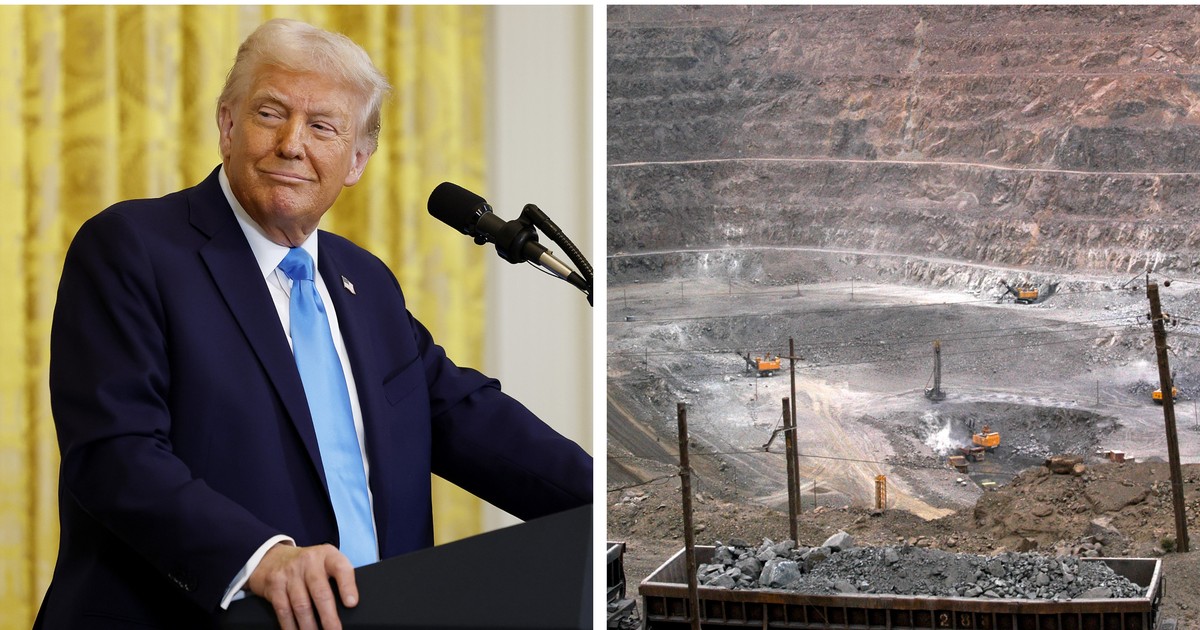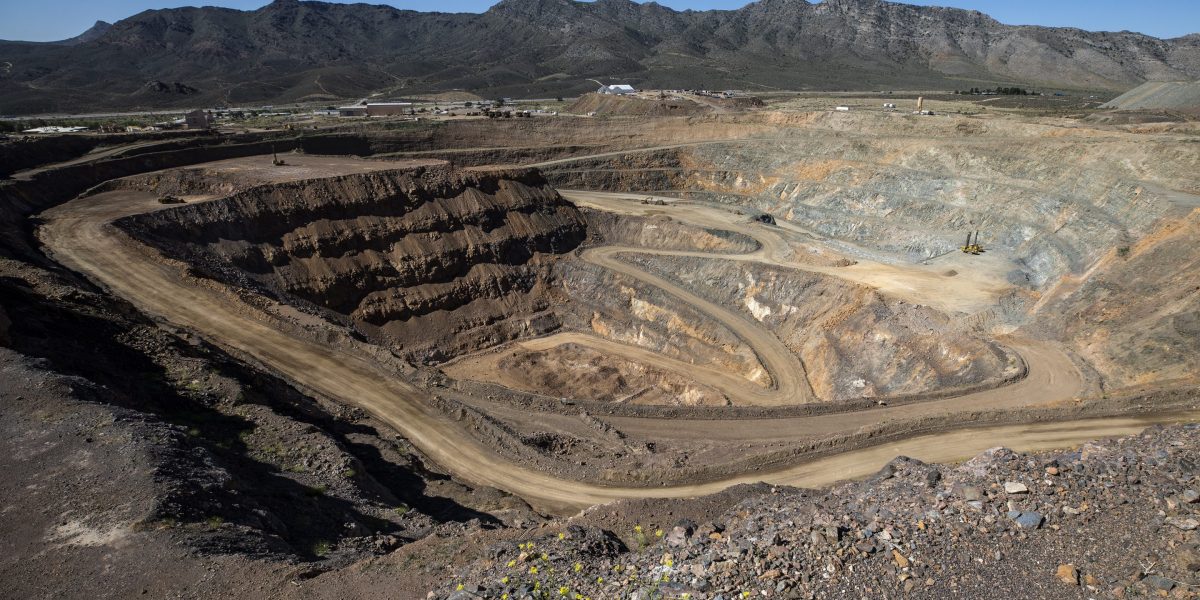
In May 2026, the U.S. Department of Energy selected USA Rare Earth for a $50.5 million separation project in Oklahoma. This single movement is modest, but its significance lies in how it fits into a broader pattern of U.S. support for the rare-earth industry. The United States is trying to build a system that can make non-Chinese suppliers commercially viable. That shift is necessary, but it also raises an important question for the U.S. rare earth strategy: can Washington sustain durable support for the industry?
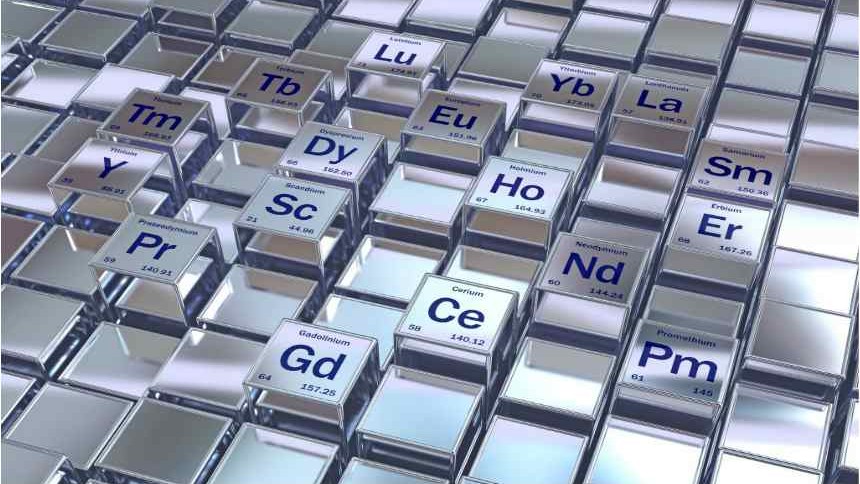
China’s dominance in the rare earth supply chain makes its export controls unusually powerful. In 2024, China accounted for 60 percent of global mined production of magnet rare earths, 91 percent of refined output, and 94 percent of permanent magnet production. Under these conditions, China’s export licensing system does not need to become a full embargo to create pressure. It can keep trade formally open while making access conditional, slower, and subject to tighter end-use scrutiny when tensions rise. For U.S. manufacturers, key inputs may remain available in principle but become unreliable in practice.
This problem is not new. After the 2010 China-Japan rare earth shock, Washington and private investors already had strong incentives to balance an alternative supply. But rare earth projects require a solid commitment across political cycles, and this durability (or lack thereof) is the problem the United States has not been able to solve.