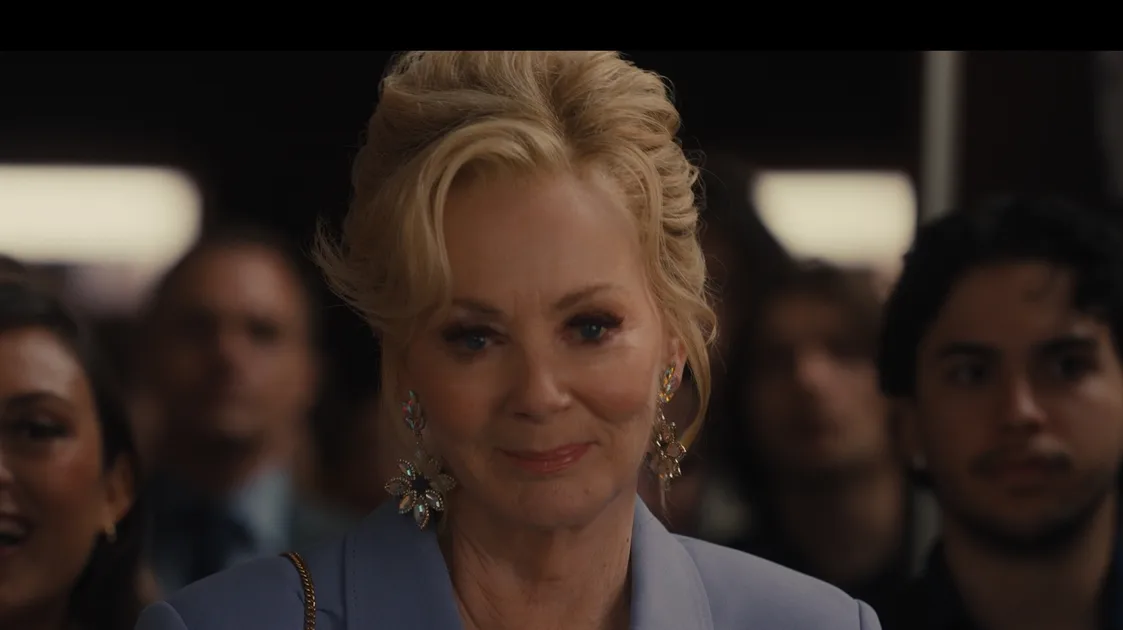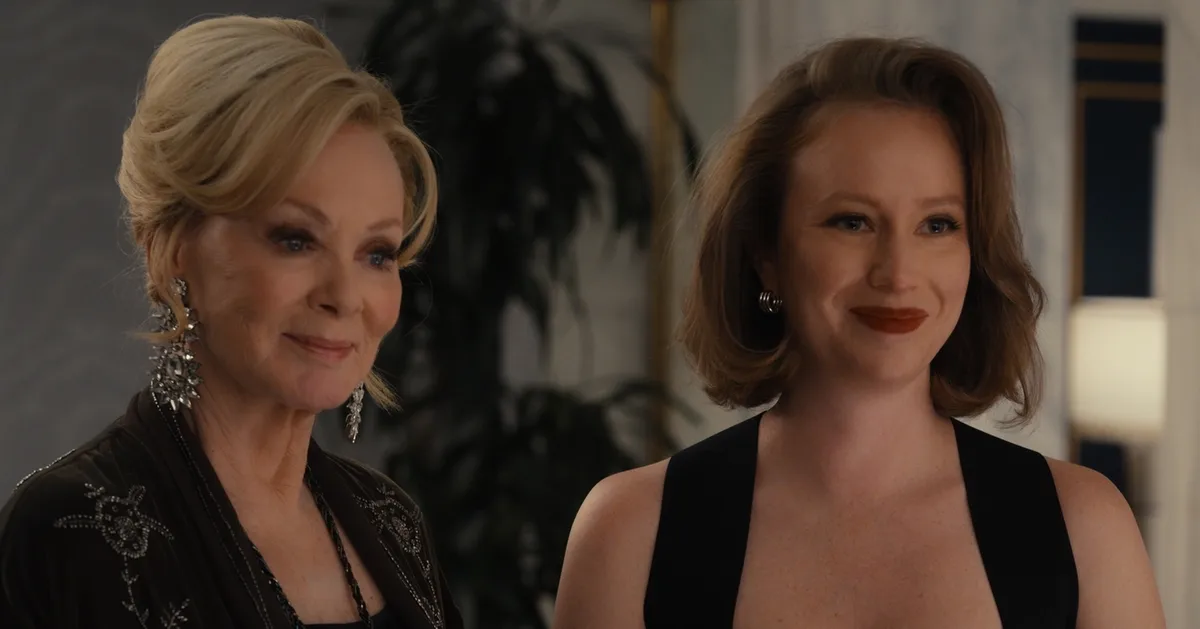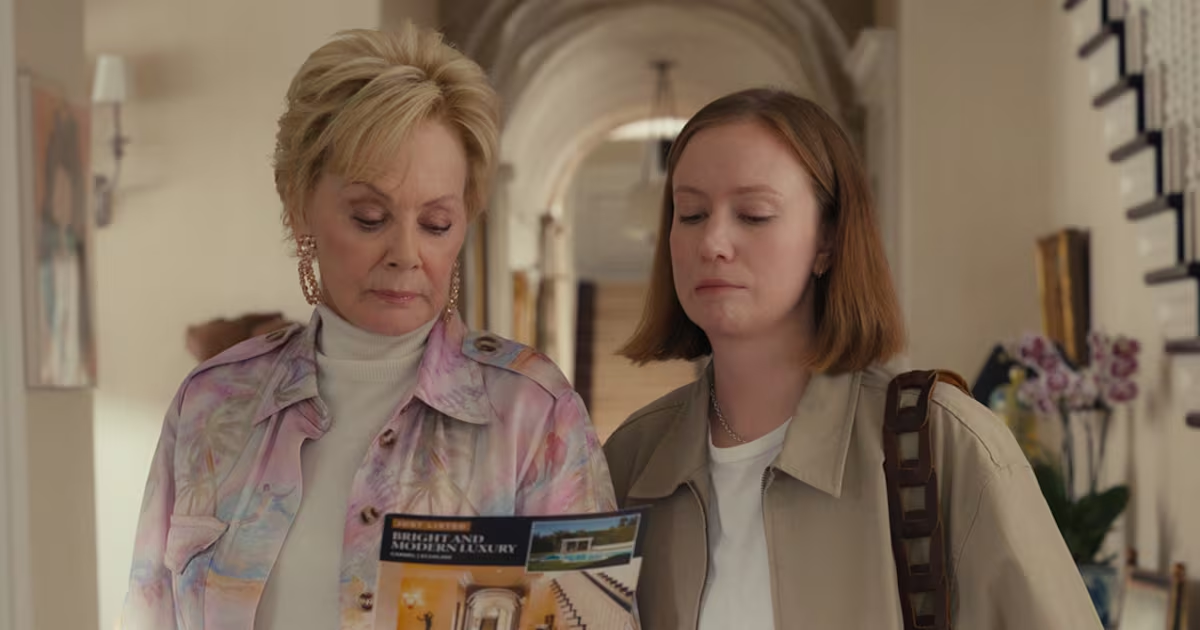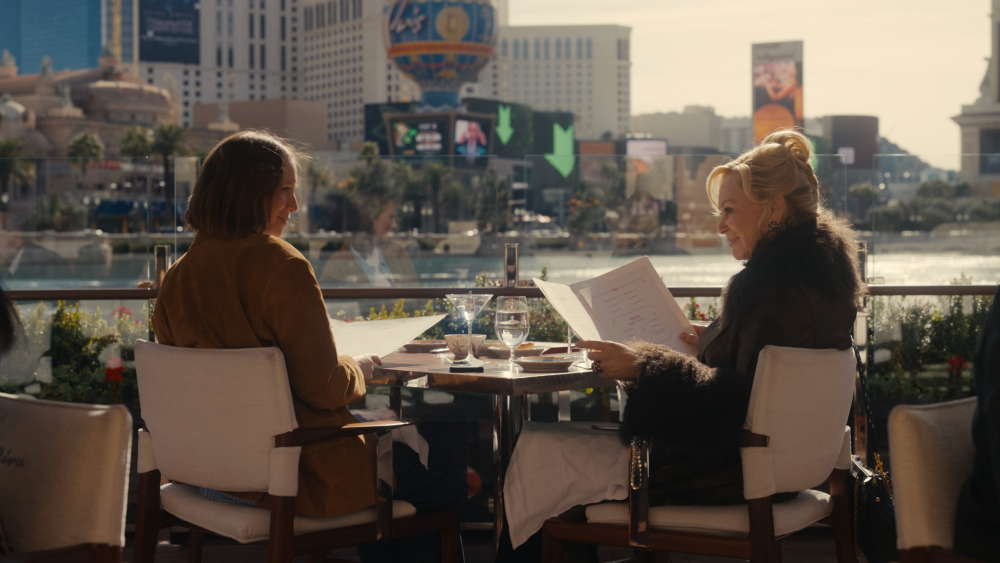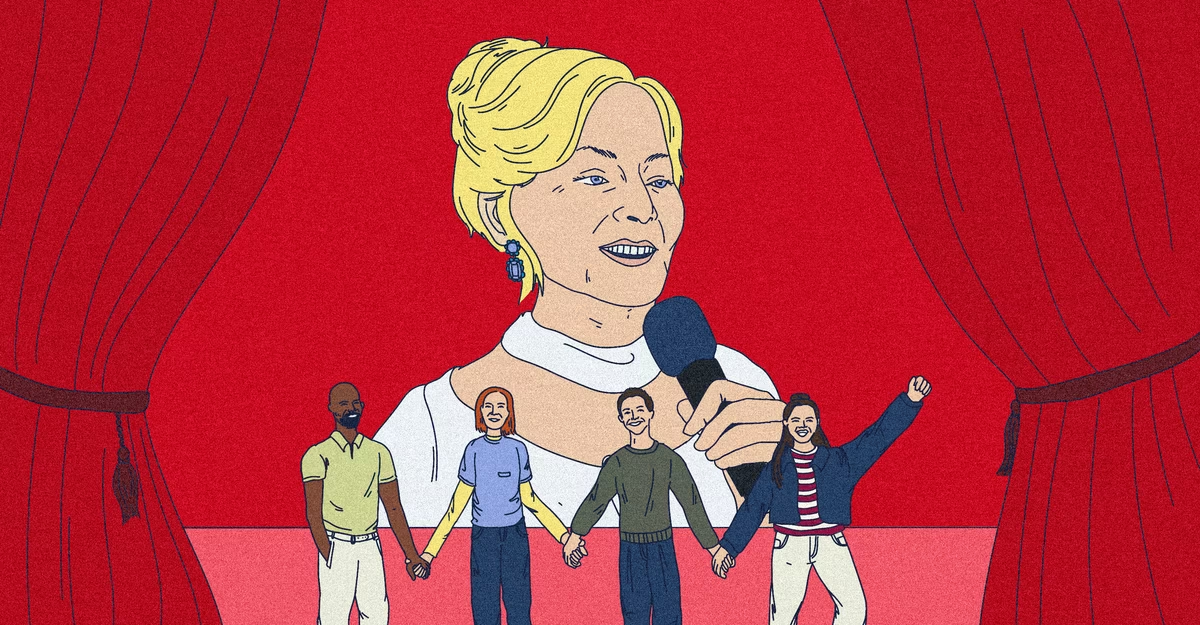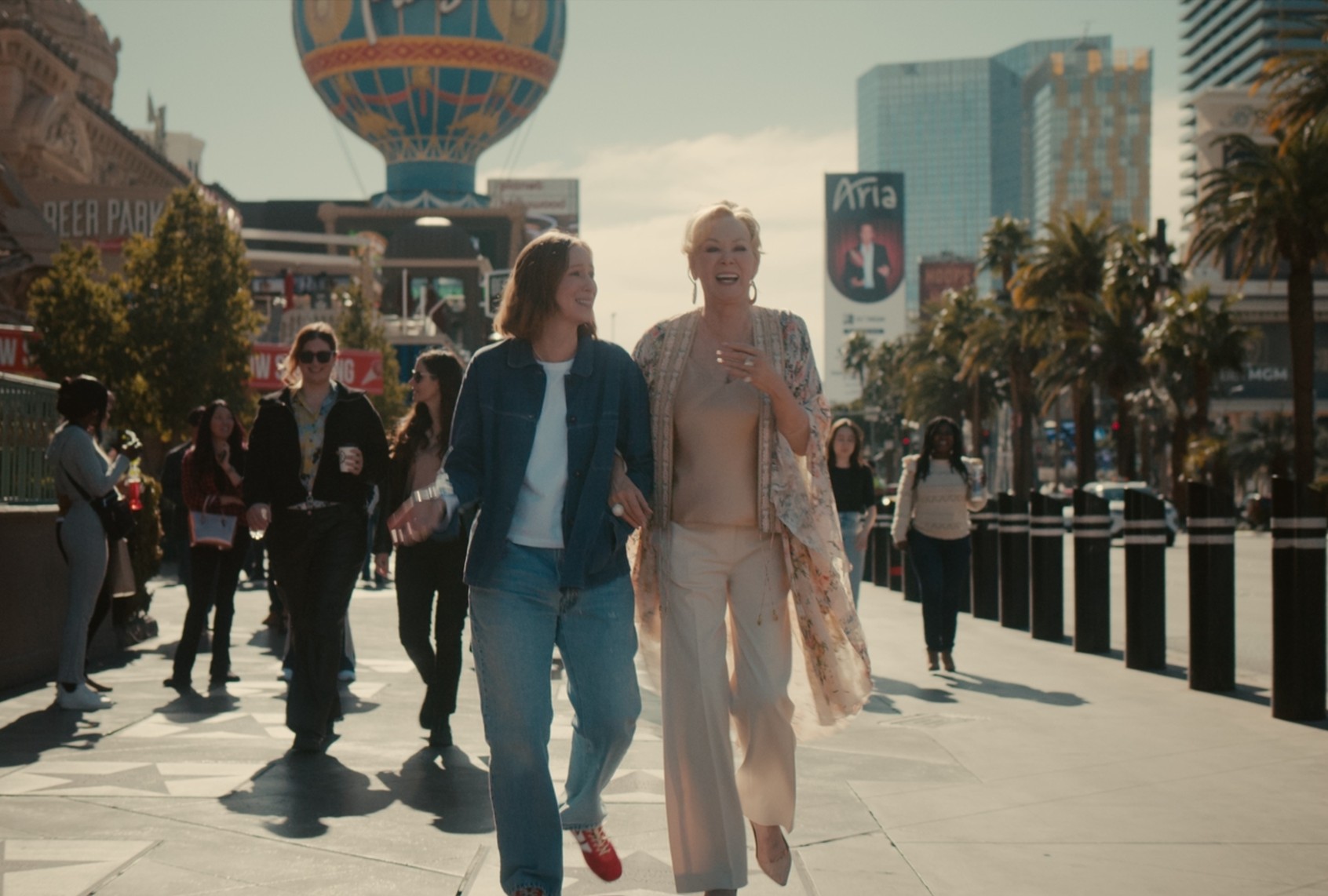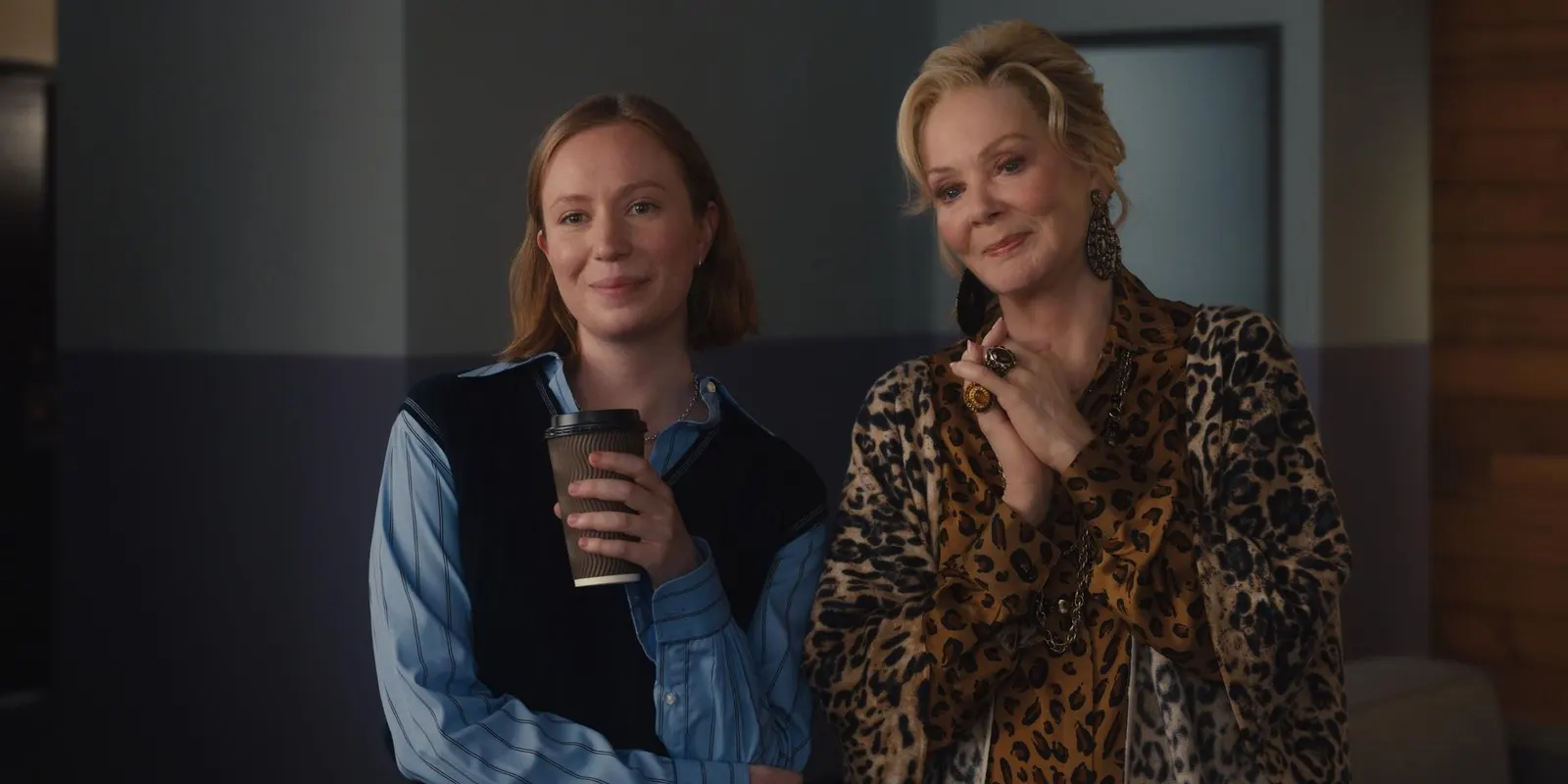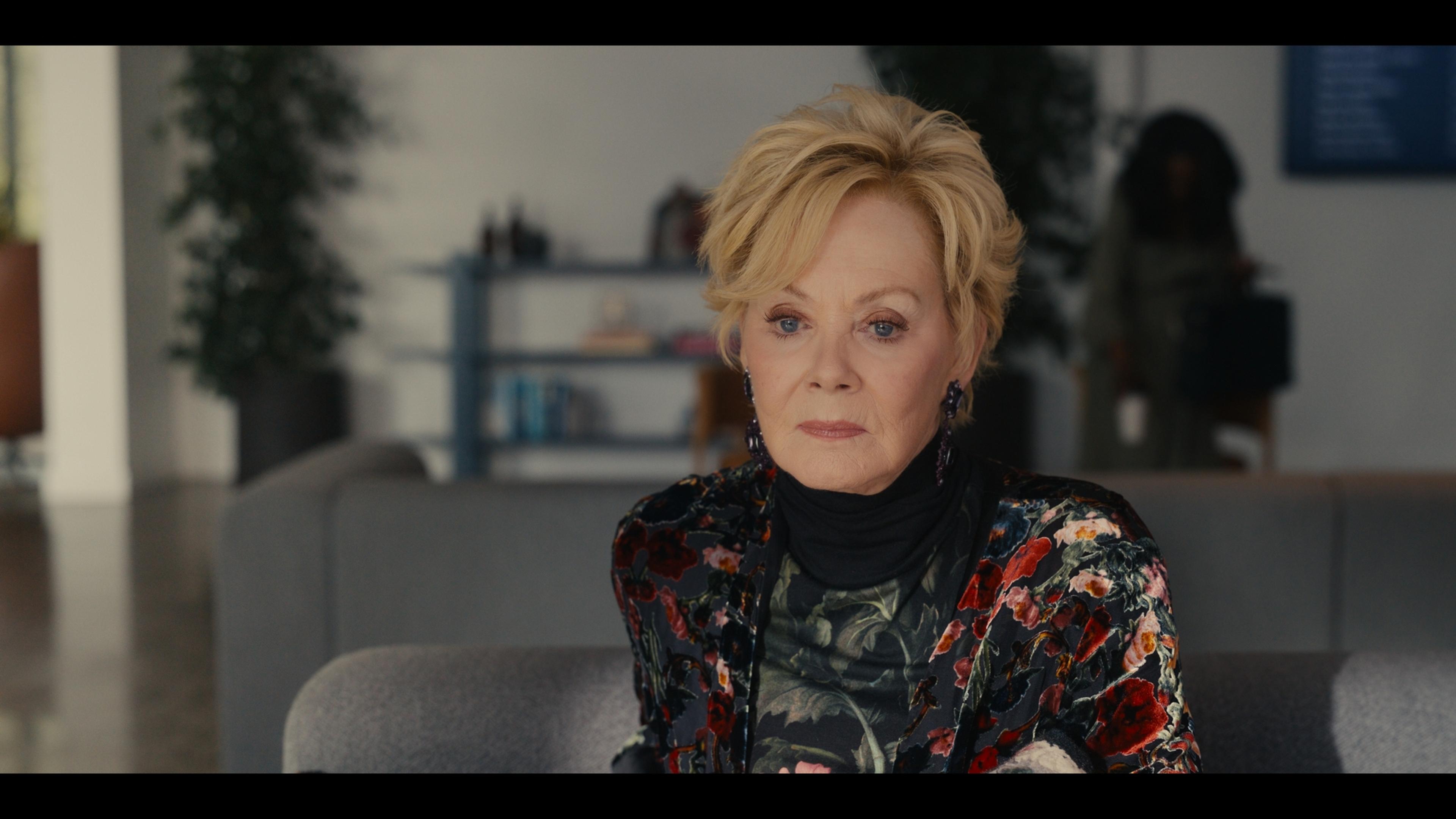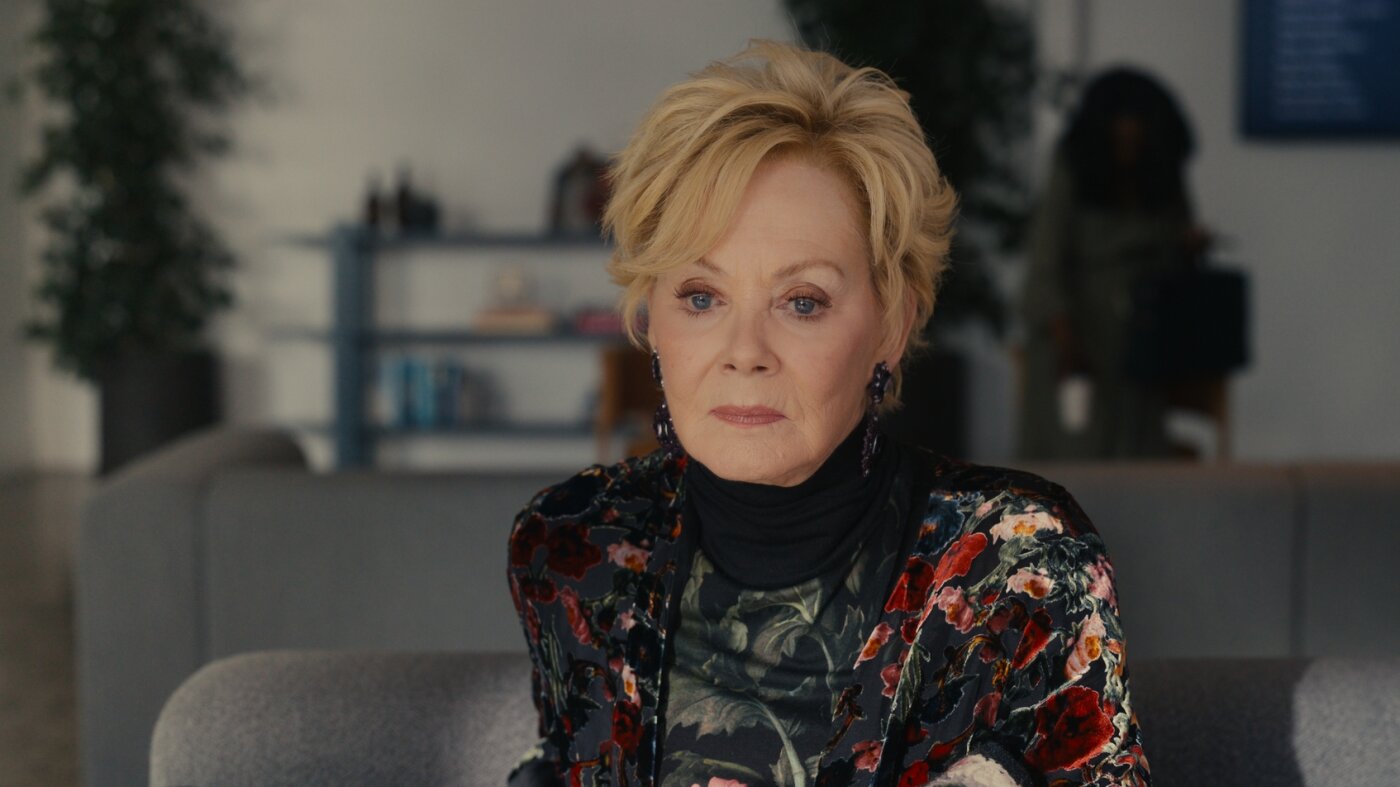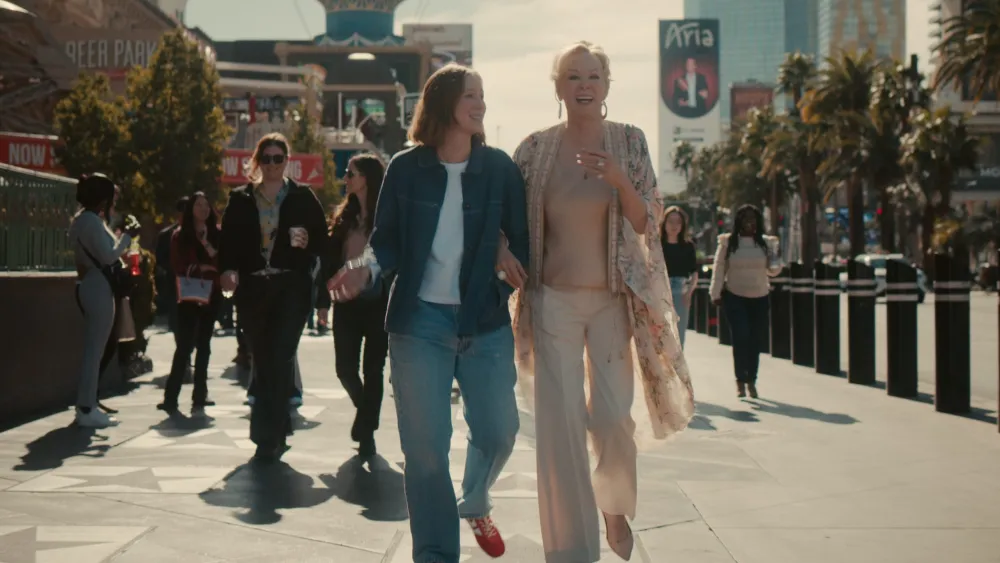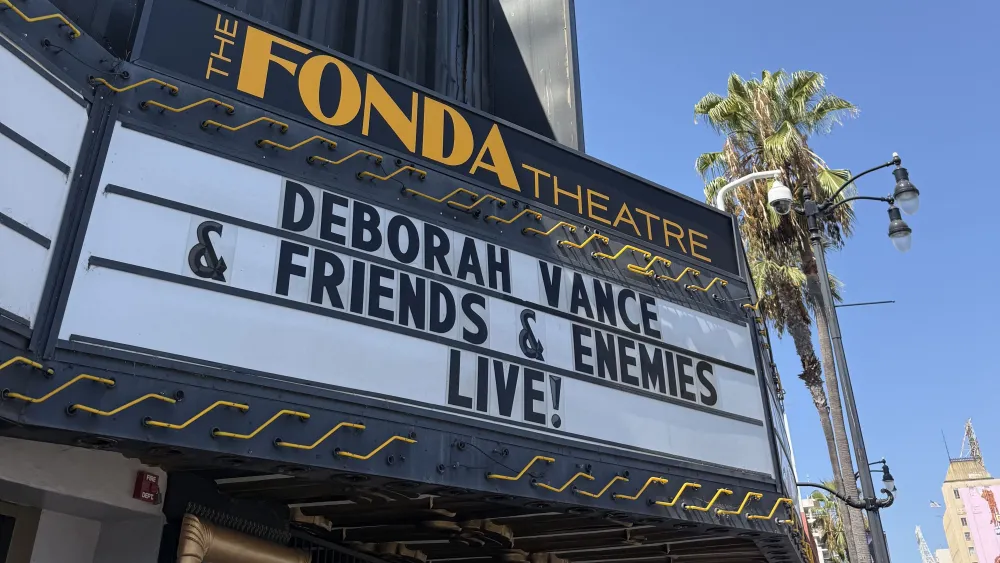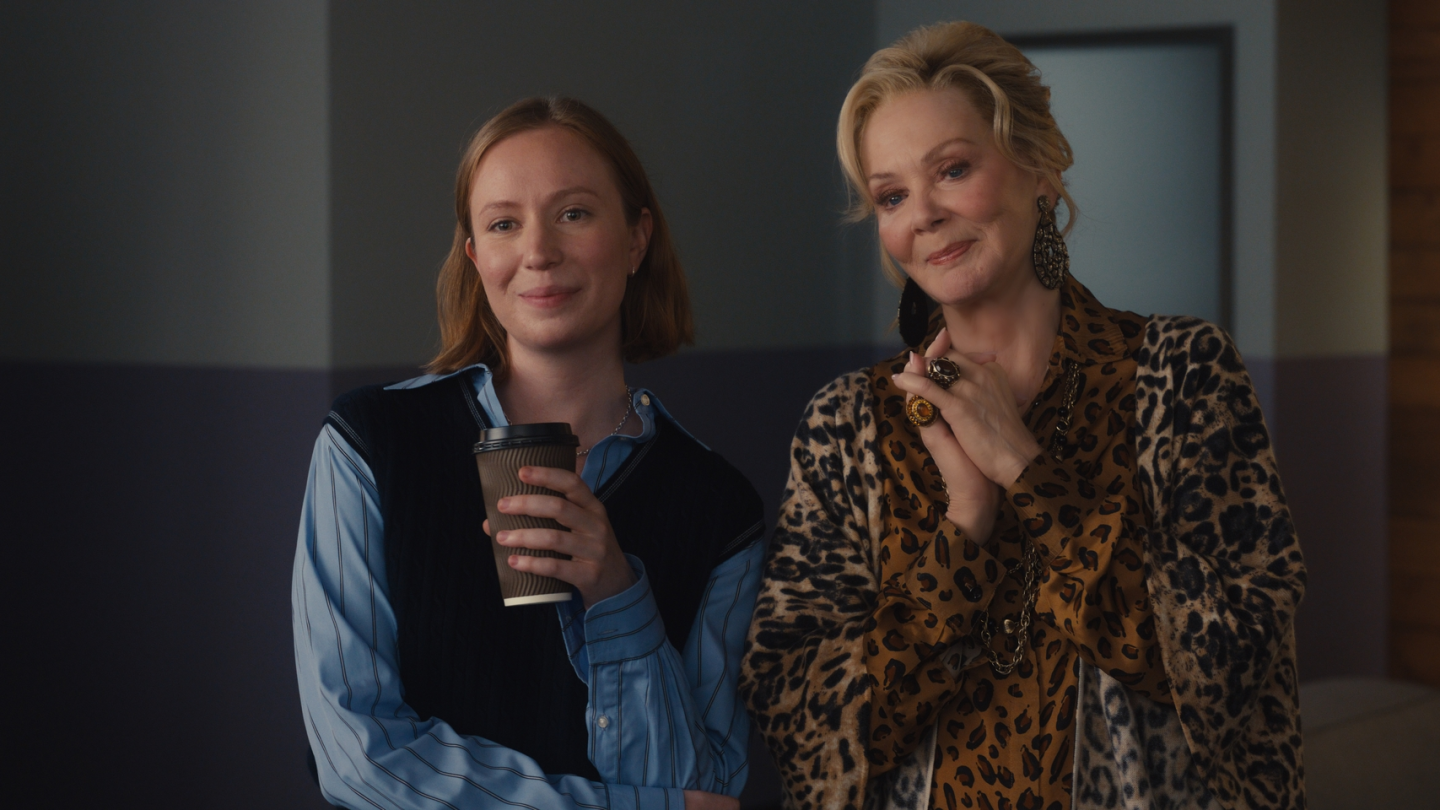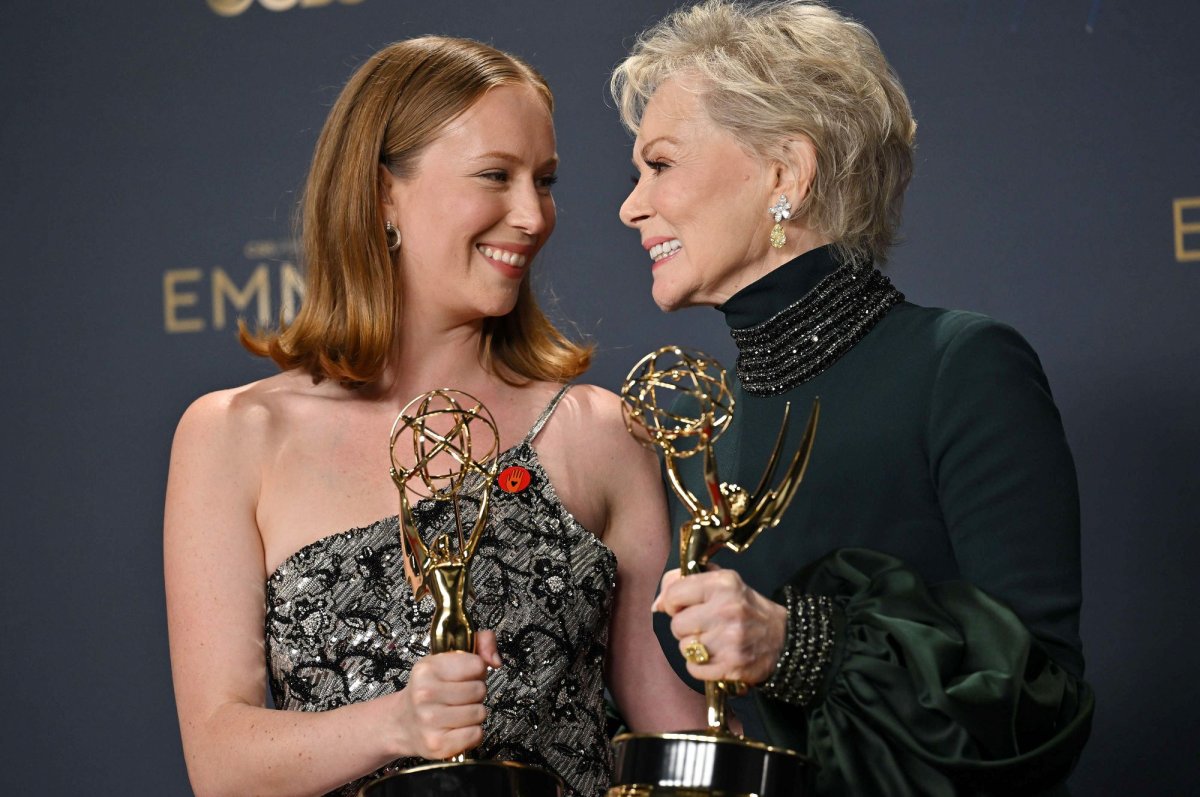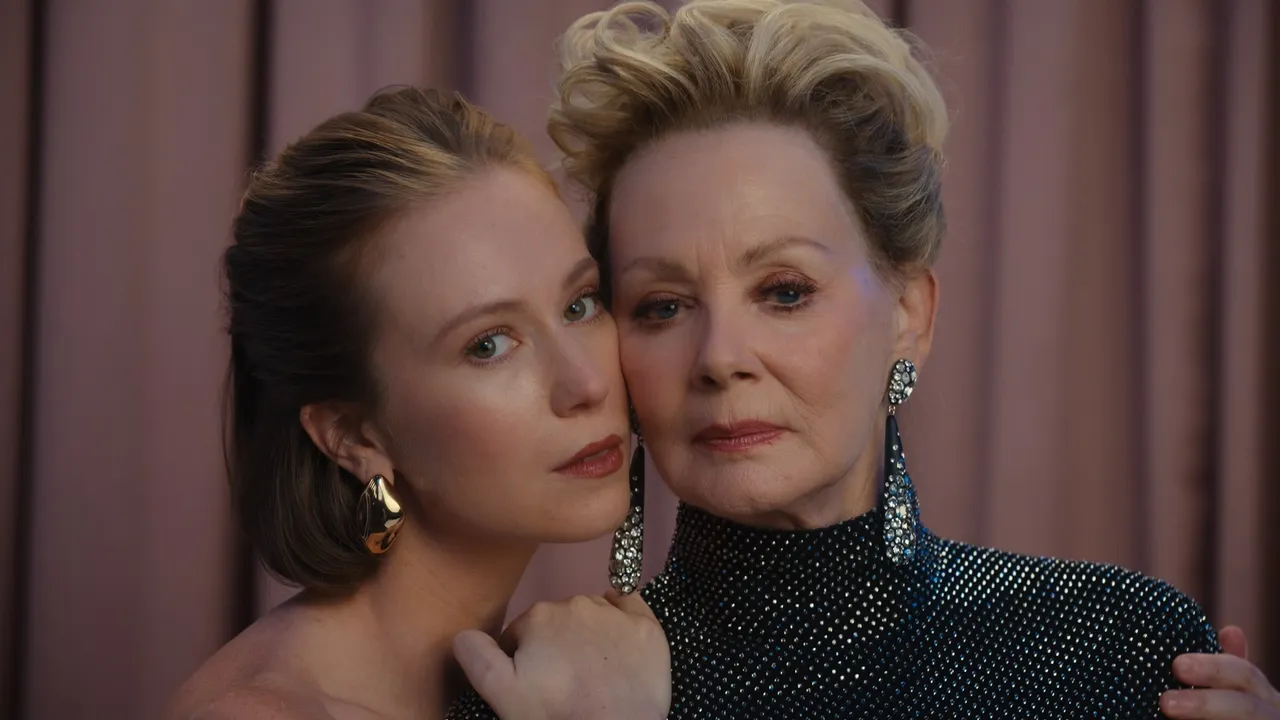
No matter what you tell me, I refuse to believe that Deborah Vance did not exist before 2021. That was the year that “Hacks” premièred, on HBO Max, introducing the world to Deborah, a fictitious standup legend with a blond updo, a closet full of caftans, and a mansion paid for by a residency in Las Vegas and copious appearances on QVC. She may have been a concoction, invented by the series’ creators—Lucia Aniello, Paul W. Downs, and Jen Statsky—but it seemed as if she had been here all along, a real-life comedy diva we had somehow missed. Sure, she had elements of Joan Rivers and Phyllis Diller, with their tireless work ethic, loud wardrobes, and bawdy one-liners. But Deborah wasn’t quite like either of those ladies. As played by Jean Smart, who, at sixty-nine, had landed the defining role of her career, she was silkier than Rivers, drier than Diller. Smart gave the character a delivery all her own—deadpan, droll, and fabulous. She sank into the part like it was a velvet settee.When we met Deborah, she was living large but stuck on autopilot, rehashing the same dated material on the casino stage, night after night. In other words, she was a hack. In the pilot episode, Deborah’s manager, Jimmy (played by Downs) pairs her up with another one of his clients, a younger comedy writer, Ava Daniels (Hannah Einbinder), whose career has stalled after an ill-advised tweet about a right-wing senator. (Cancelled on Twitter? So 2021.) The two women, working to revive Deborah’s set, form an indelible odd couple: Deborah is a glam, politically incorrect boomer with old-school comedy chops; Ava is a bisexual, eco-conscious Zillennial who doesn’t believe in punch lines because “traditional joke structure is very male.” Reviewing the show for The New Yorker, Doreen St. Félix wrote that the pilot “gets its source material from the culture war,” with Deborah and Ava hashing out a generational feud, one joke at a time.“Hacks” ended last night, after five stellar seasons and a dozen Primetime Emmys. Fortunately, it had long since evolved past the woke-vs.-joke rivalry. By the end of the first season, Deborah and Ava have reached a fragile symbiosis: Ava has learned to appreciate her boss as a female trailblazer, while Deborah has let Ava push her out of comedic cruise control, with a new act that probes more vulnerable terrain. (“Hacks” came on the heels of Hannah Gadsby’s “Nanette,” which blended standup special with feminist performance art.) Their antagonism peaked at the end of Season 3, when Deborah achieves her dream of landing a late-night chair and Ava blackmails her way into the head-writer job. By this final season, though, the show had nearly given up on engineering conflicts between the two, positioning them as artistic soul mates and surrogate mother and daughter. (Deborah has a strained relationship with her actual daughter, a recovering addict, while Ava clashes with her high-strung mom, played, respectively, by Kaitlin Olson and Jane Adams.) “Hacks” is, most richly, a show about collaboration, about how creative friction breeds originality; in the battle between boomers and Zoomers, it points the way toward an armistice.The depth of Deborah and Ava’s unlikely bond led the show, in its home stretch, to what many viewers considered its best episode. In this season’s seventh installment, “Montecito,” directed by Downs and written by Guy Branum, Andrew Law, and Bridget Parker, Deborah has to persuade another comedy veteran, Kelly Kilpatrick (Cherry Jones), to hand over a Bob Mackie jumpsuit for Deborah to wear at an upcoming gig at Madison Square Garden. Kelly, an out lesbian with traces of Ellen DeGeneres (including a femme younger wife, played by Leslie Bibb), mistakes Deborah and Ava for a closeted gay couple, and they play along with the ruse during a weekend at Kelly’s country estate. “Montecito” is “Hacks” at its best: sharply written, a little outrageous, and fuelled by the chemistry of its two stars. I won’t soon forget Smart’s delivery of the line “Don’t you dare bring up A-S-S after you said I eat it.”One of the joys of “Hacks” is its meta-narrative: just as Deborah reached a late-career high within the show, so did Smart, after decades in television, enjoy a multi-Emmy-winning victory lap. The same goes for Einbinder, who, like Ava, has established herself as a politically outspoken, incisive comedic voice. (Look out for her upcoming star turn in Jane Schoenbrun’s queer slasher film, “Teenage Sex and Death at Camp Miasma.”) Then there’s the show’s second-banana duo, the talent managers Jimmy and Kayla, played by Downs and Meg Stalter. Like his character, Downs was the show’s straight man (though Jimmy’s sexuality is left curiously ambiguous) and a behind-the-scenes player, while Kayla’s rise from inept assistant to business partner mirrored Stalter’s ascendance from TikTok comedian to blowsy, off-kilter character actress. (Stalter was less assured as the romantic lead of Lena Dunham’s series “Too Much,” but her obnoxious-halfwit persona was put to perfect use on “Hacks,” her first professional acting job.) “Hacks” filled out its cast with a crackerjack ensemble, from Carl Clemons-Hopkins, as Deborah’s gay consigliere, to Lauren Weedman, as the chaotic mayor of Las Vegas.But the show wouldn’t have worked without Smart, who imbued Deborah with wisdom and weariness, grit and glamour. In a standout scene from Season 1, Deborah offers a sexist m.c. at a comedy club $1.69 million if he agrees never to set foot on a stage again. “I can’t get rid of ’em all,” she tells the stunned crowd, with the fatigue of a lifetime spent fending off douchebags, “but I can get rid of one.” The guy shakes on it, and she crows, “Now get the fuck off my stage.” Smart, who starred on the eighties sitcom “Designing Women,” had to be plausible as a battle-tested superstar, and she brought what all great comics must have: timing. Unlike Diller’s, hers was laid-back and authoritative, with echoes of Miranda Priestly (another stylish doyenne with a beleaguered protégée). Deborah is a creature of show business, and Smart understood that comedy was less her job than her engine—a way of winning her place in the world.The idea of comedy as life force is what propelled the note-perfect finale. After finding out that a cancerous mass has spread, Deborah declines chemotherapy, reasoning, “I want to go out on top.” Instead, she cajoles Ava into accompanying her to an assisted-suicide facility in Zurich, with a stopover in Paris. Deborah’s death wish seems ironclad until the episode’s final moments, when the two banter at the train station over some gallows humor, and, in a callback to the pilot, Deborah chases down Ava and asks her to help write a cancer-themed special. (The needle drop couldn’t be better, or gayer: the famous duet between Judy Garland and the young Barbra Streisand.) The quest to find the better joke, the stronger laugh—that’s reason enough to keep on living. Smart played the moment, as ever, with understated panache. No wonder she never lost an Emmy in the role.Speaking of which, I’m already dreading this year’s Emmy race, which will likely pit Smart against Lisa Kudrow, who plays the fictitious sitcom actress Valerie Cherish on another HBO comedy, “The Comeback.” Both Deborah and Valerie are show-biz survivors who hit their stride in the sequinned eighties and kept working long past Hollywood’s sell-by date for women. Both are seasoned comedy professionals, though poor Valerie doesn’t have half of Deborah’s talent. The titles of their shows could have easily been swapped: Valerie’s the actual hack, while Deborah gets her hard-won comeback. Who knows, they may even occupy the same fictional world—you can imagine the characters having crossed paths at the 1988 People’s Choice Awards. (Something tells me that Valerie thinks of Deborah as a dear friend, while Deborah absolutely loathes Valerie.) To hell with Marvel. This is the cinematic universe we deserve. ♦
In “Hacks,” Jean Smart and Hannah Einbinder Gave Us an Odd Couple for the Ages
The unlikely bond between Jean Smart’s and Hannah Einbinder’s characters in “Hacks” led the show to a standing ovation of a final season.
1,310 words~6 min read