The Pulse Newsletter 📣 | This is The Athletic’s daily sports newsletter. Sign up here to receive The Pulse directly in your inbox.Good morning! Thanks for your geography help re: the Dakotas. If you don’t get the reference, don’t worry about it. Coming up today:
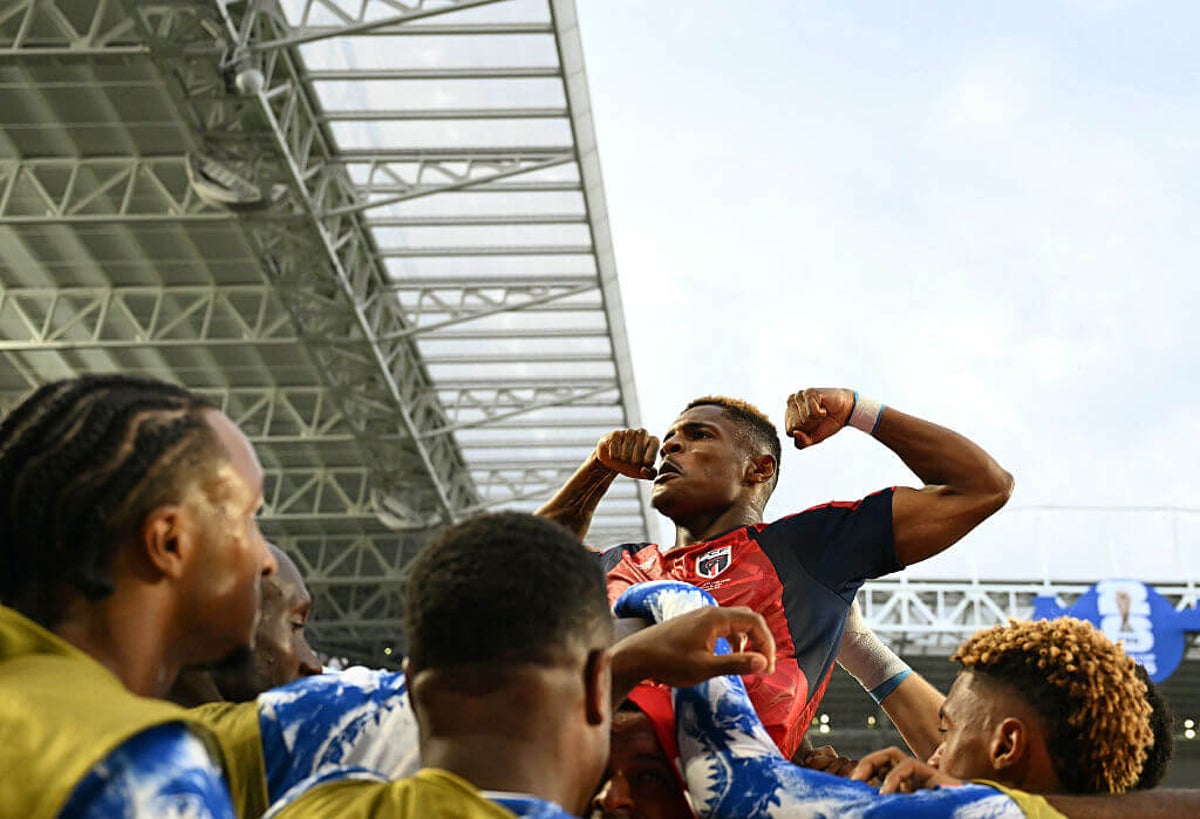
Questions: Your philosophical sports topicsIt’s our final Pulse Mailbag (for now), and we saved your biggest questions for last. Coming in hot:What’s the value of winning? If teams spend millions of dollars and seek division, conference and league titles, what’s the point after that or each win? — Jason D, Rocklin, Calif.💬 Asli Pelit: “Last weekend, Hull City punched its ticket to the Premier League with a 94th-minute winner in what is often called the richest game in sports. The goal didn’t just secure promotion, it effectively unlocked a financial windfall worth roughly $275 million in matchday, commercial and media revenue over the next three seasons. Most victories don’t come with a quarter-billion-dollar prize attached, but winning has a way of making money appear.“More wins bring more fans. More fans bring more ticket sales. Bigger crowds attract sponsors. Better teams get better broadcast slots. And all of that pushes club valuations higher.“The owners pocket the financial upside. The supporters collect a different kind of currency: bragging rights, earned the hard way and spent generously on rival fans at every possible opportunity.”Why do “big” and “small” markets exist? What does that actually mean under the lens of sports? Do I need to go back to my undergrad Econ 101 class? — Jake L., Brooklyn, N.Y.💬 Andrew Marchand: “The term used to mean more than it does today. Back in the day, for athletes, being in New York or Los Angeles was thought to have value with endorsements and off-field opportunities. It still probably does a little, but the digital age has leveled things out to a degree.“In terms of on the playing field, in a sport like baseball, it means a lot. The Dodgers and the Yankees have a huge financial advantage because their local TV deals are so much more lucrative. In salary-cap sports, it doesn’t matter as much but in baseball, it causes financial discrepancies which bare out in the teams’ payrolls.”How do you deal with being an Athletic journalist, hopefully aiming to find the truth in any story and yet building relationships with athletes and administrators who head up these organizations? — Steve T, Cambridge, Mass.💬 Gabby Herzig: “I could go on about this for hours, but long story short: it’s a constant balance. Covering golf, out on tour, I try to be a friendly face but also maintain a professional presence. I’ll have a light-hearted exchange on the driving range with someone like Rory McIlroy one day and then I’ll be asking him a serious question about his career arc or LIV Golf the next. You have to walk the line — maintain a rapport, but be able to flip the switch when necessary.“So many people and organizations need to be held accountable in our sport right now. And well-cultivated relationships, upheld by mutual respect, are the key to nailing those stories and scoops.”Did Babe actually call his shot? — John M., North Berwick, Maine💬 Chris Branch: “I loved researching this one, because there are plenty of stories out there confirming the Babe’s call but I was most moved by this letter to The New York Times back in 1989, from a man who witnessed the famous home run. What I didn’t know about the swing was that Ruth seemed “contemptuous” of the Cubs’ pitcher and that Ruth had a grudge against the Cubs for how they treated a former teammate. The more you know.”