Friday 29 May 2026 11:05 am
Reeves' package will have minimal effect on inflation.
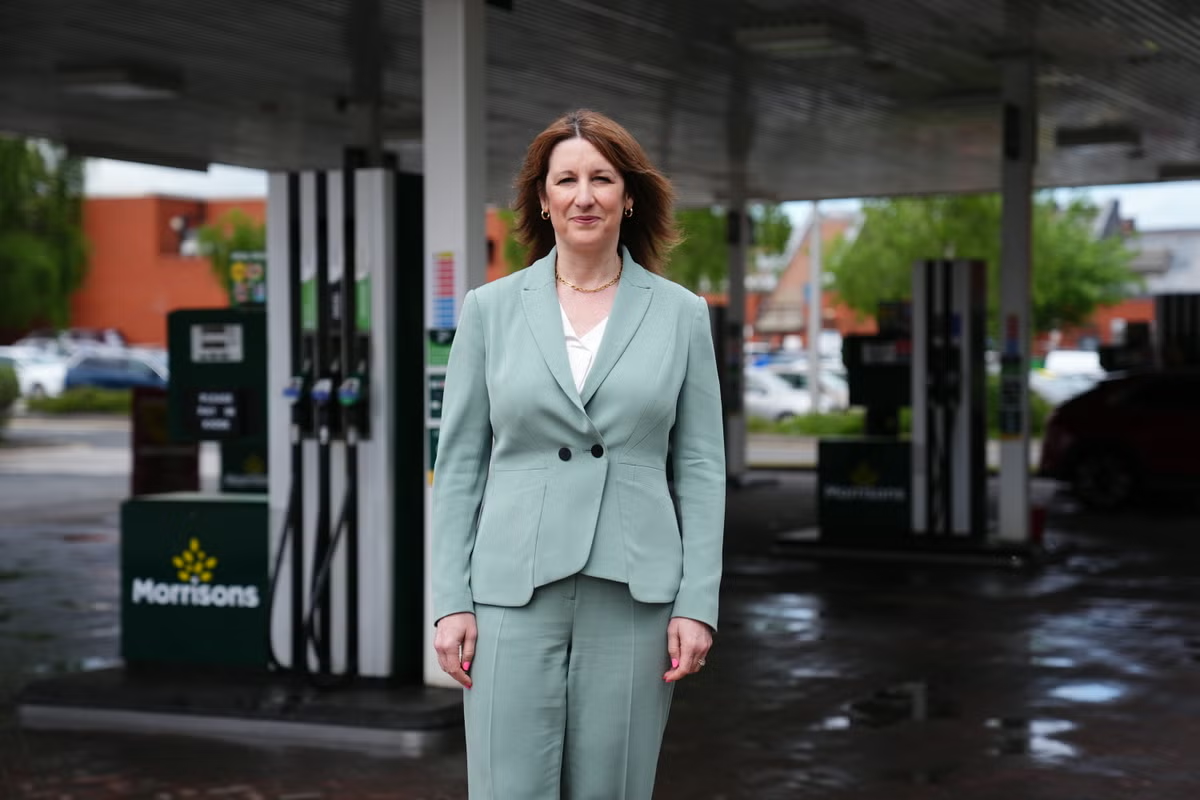
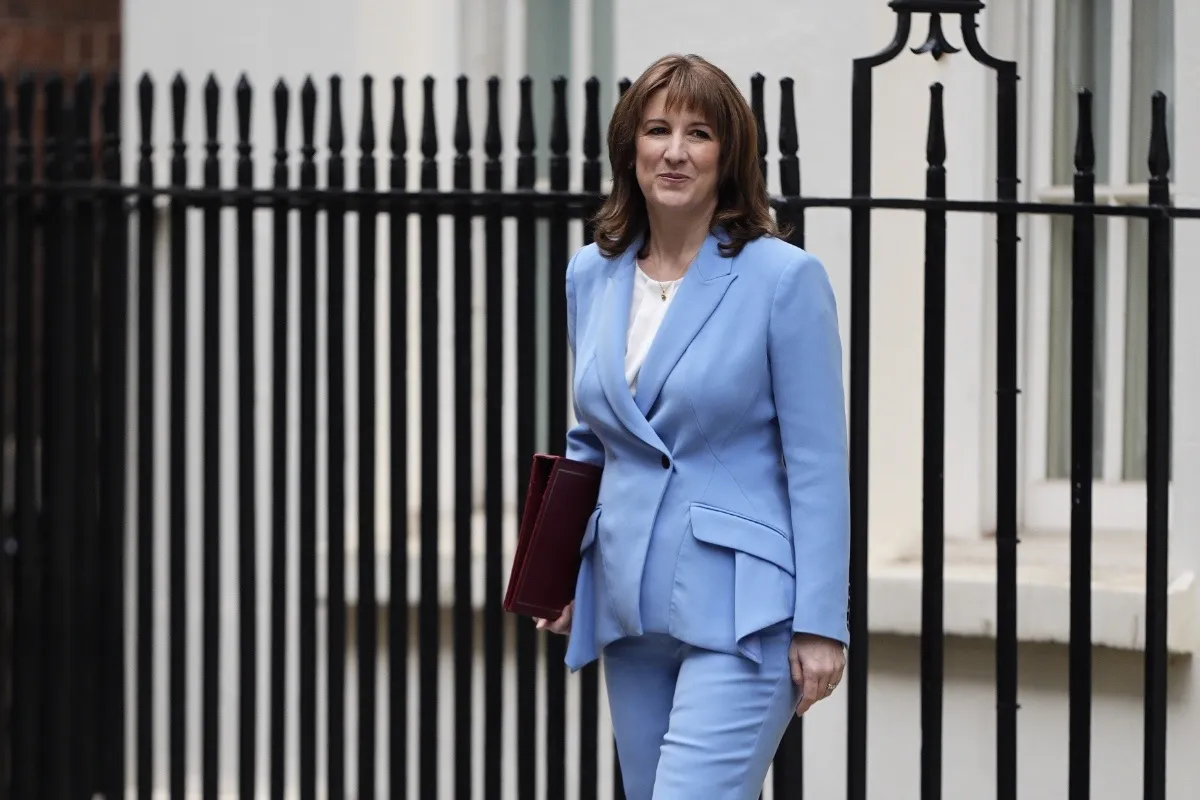
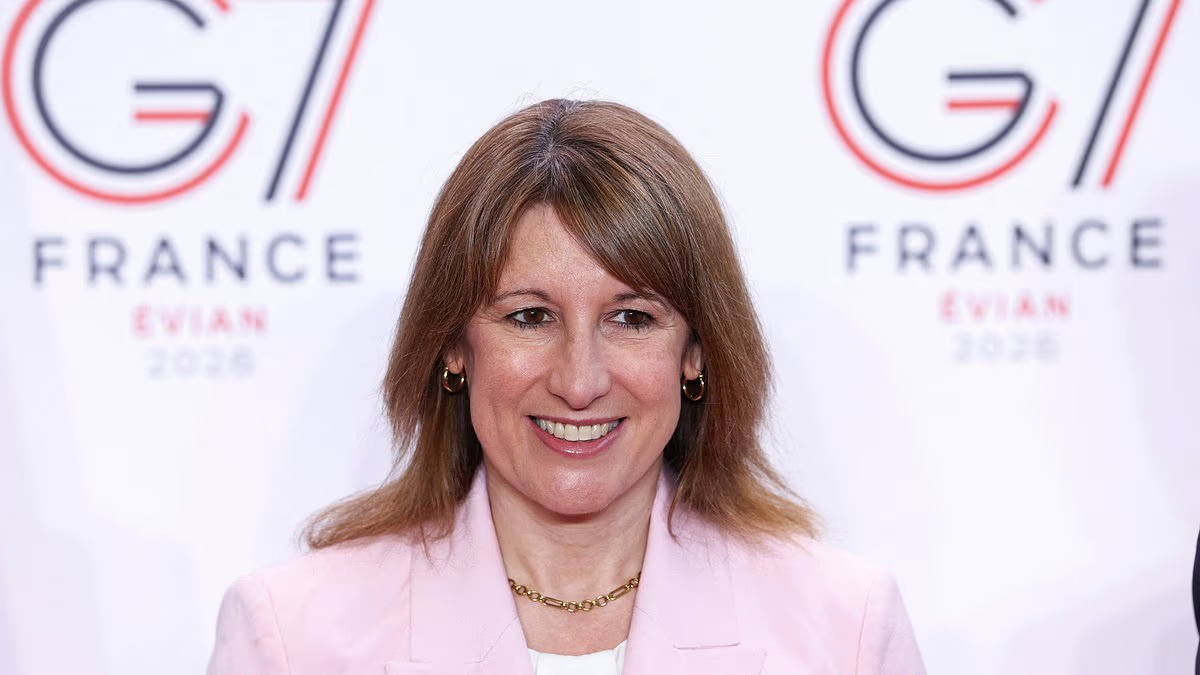
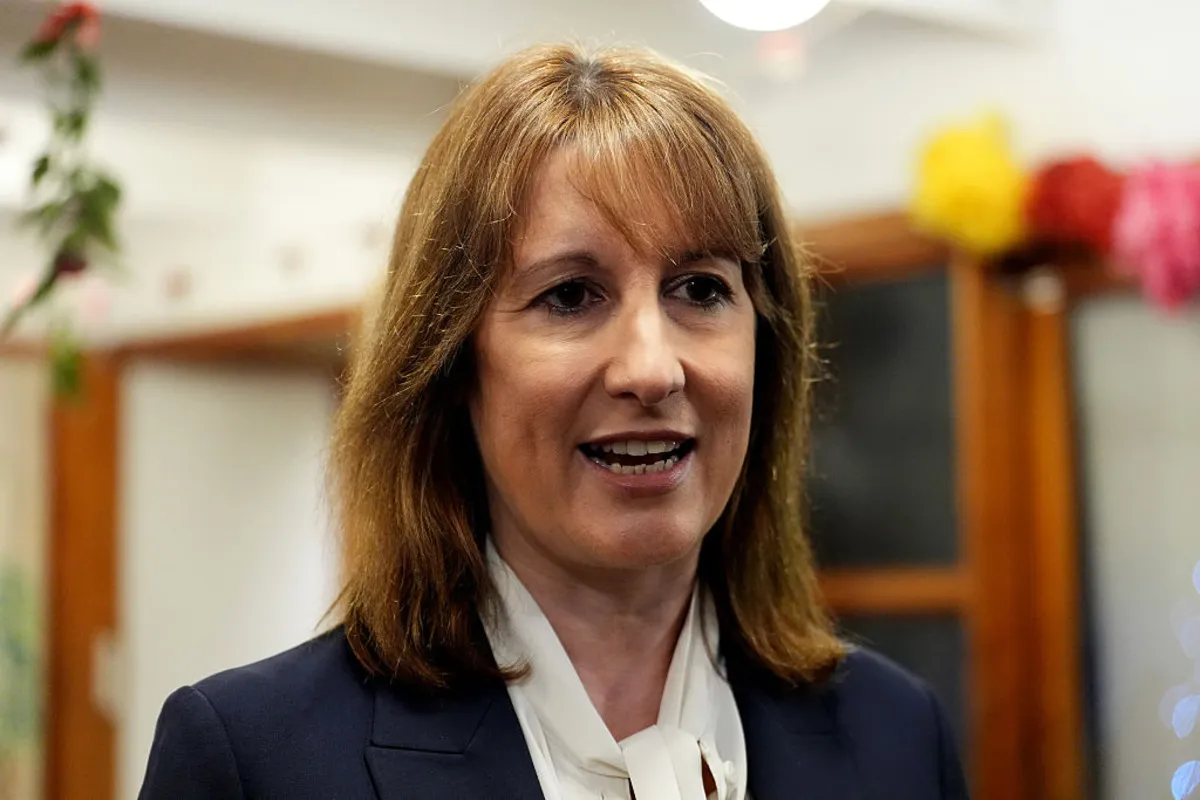
A discount campaign launched by Chancellor Rachel Reeves will “shave off” an expected rise in inflation, analysis has suggested, as economists have raised concern over Britons’ inflation expectations. Reeves’ move to delay a hike in fuel duty beyond September and offer VAT relief for businesses giving families reduced prices could strip 0.2 percentage points off CPI inflation, according to JP Morgan. The analysis suggests that two-thirds of the £300m package would pass through to lower prices for consumers. The Treasury previously refused to disclose the extent to which measures would delay a rise in price growth expected due to trade disruption across the Strait of Hormuz as a result of the Iran war. The package features a cut on VAT, going from the standard 20 per cent to five per cent for “Summer attractions” and children’s meals over July and August, as well as free bus rides for under-16s. The Chancellor said the package would be funded by targeting oil and gas companies’ UK trading profits. Government ministers have suggested they are considering a larger energy support package as the winter months approach, after Ofgem raised the energy price cap by 13 per cent to £1,862 from July.The energy price cap will be reset in September, around the time inflation is expected to peak as a result of the slow pass-through of the energy price shock. Reeves warned about inflation spikeThe government has been warned that a number of policies to be introduced could add to inflation pressures. The Bank of England warned that the packaging tax will add around 0.5 percentage points to inflation, while officials have warned that extra business costs from higher national insurance contributions (NICs) and minimum wage hikes has added to price growth. Energy experts have also urged the government to lift restrictions stopping companies from extracting more oil and gas across the North Sea, arguing that maximising supply could strengthen the pound sterling and tax receipts, thereby slowing price growth. Sir Keir Starmer has insisted that allowing further oil and gas extraction would “not take a penny off bills”. Economists are also waiting on further inflation expectations data to figure out whether second-round effects, whereby prices spiral based on people’s economic behaviours, could push costs higher. In the worst-case scenario for second-round effects, the Bank said inflation could surge by six per cent. Pantheon Macroeconomics analysts have warned that expectations are “already de-anchored” as a recent Bank survey showed that price growth predictions were at a record high. “The Monetary Policy Committee does not have the luxury of assuming anchored expectations and will need to keep policy restrictive to ensure inflation returns to target,” analysts said. Governor Andrew Bailey said in a speech that the scenarios set out by the Bank had to “balance the costs” of both weaker and more unpredictable behavioural effects. He added that the Bank had upgraded its analytical resources since it admitted to failing to tame a spike in inflation after Russia’s full-scale invasion of Ukraine.