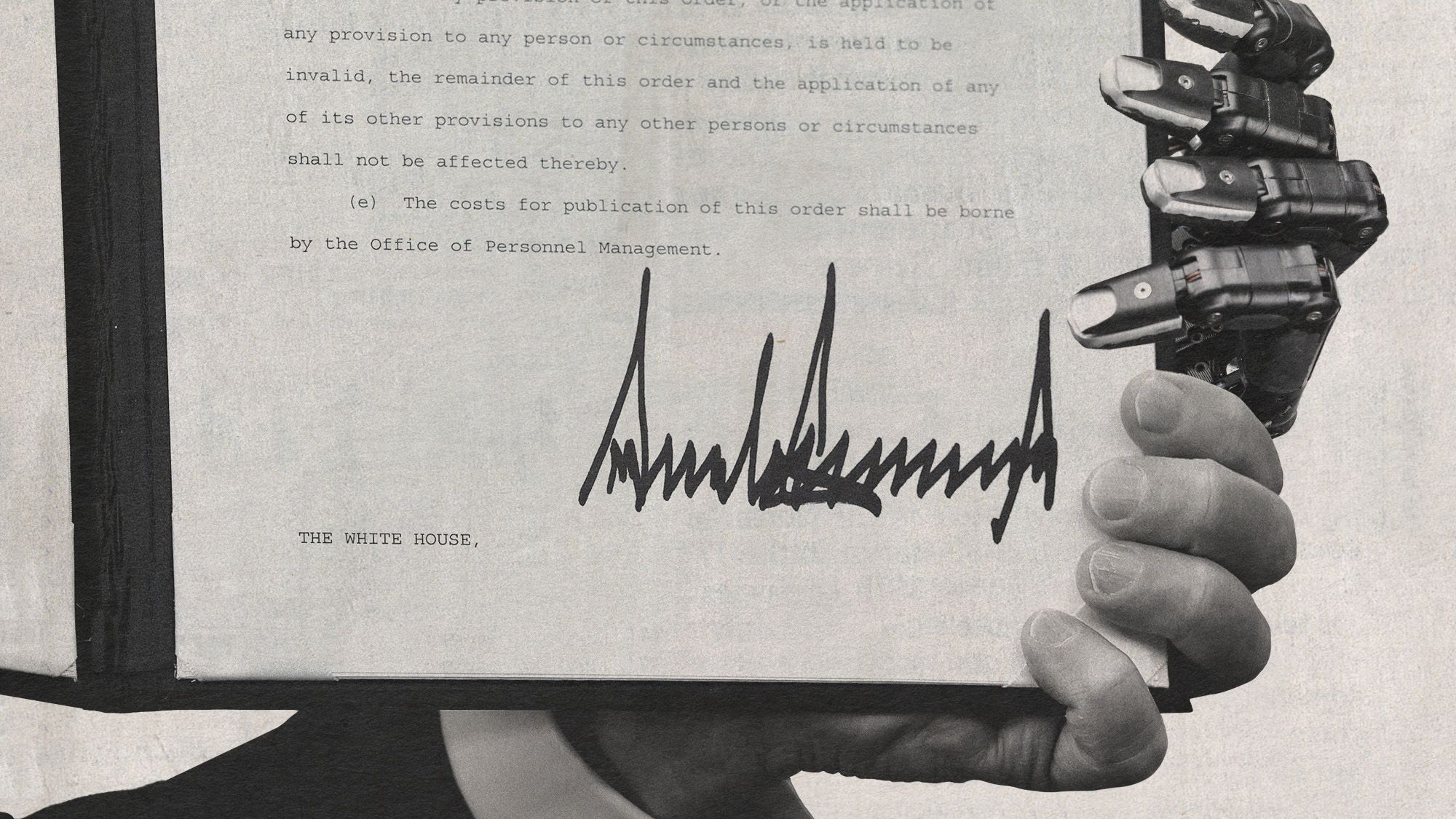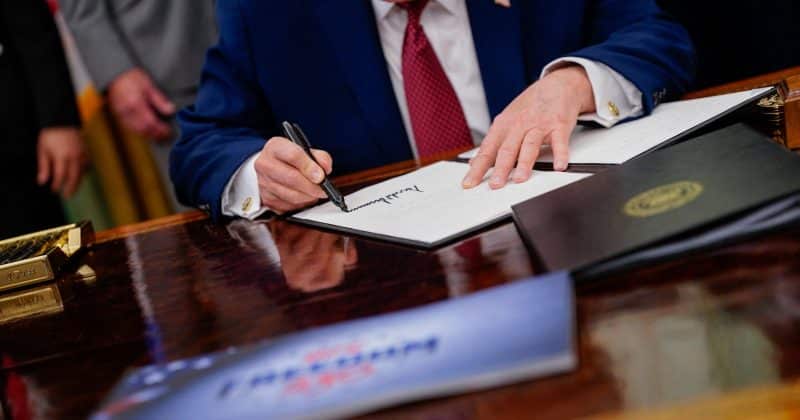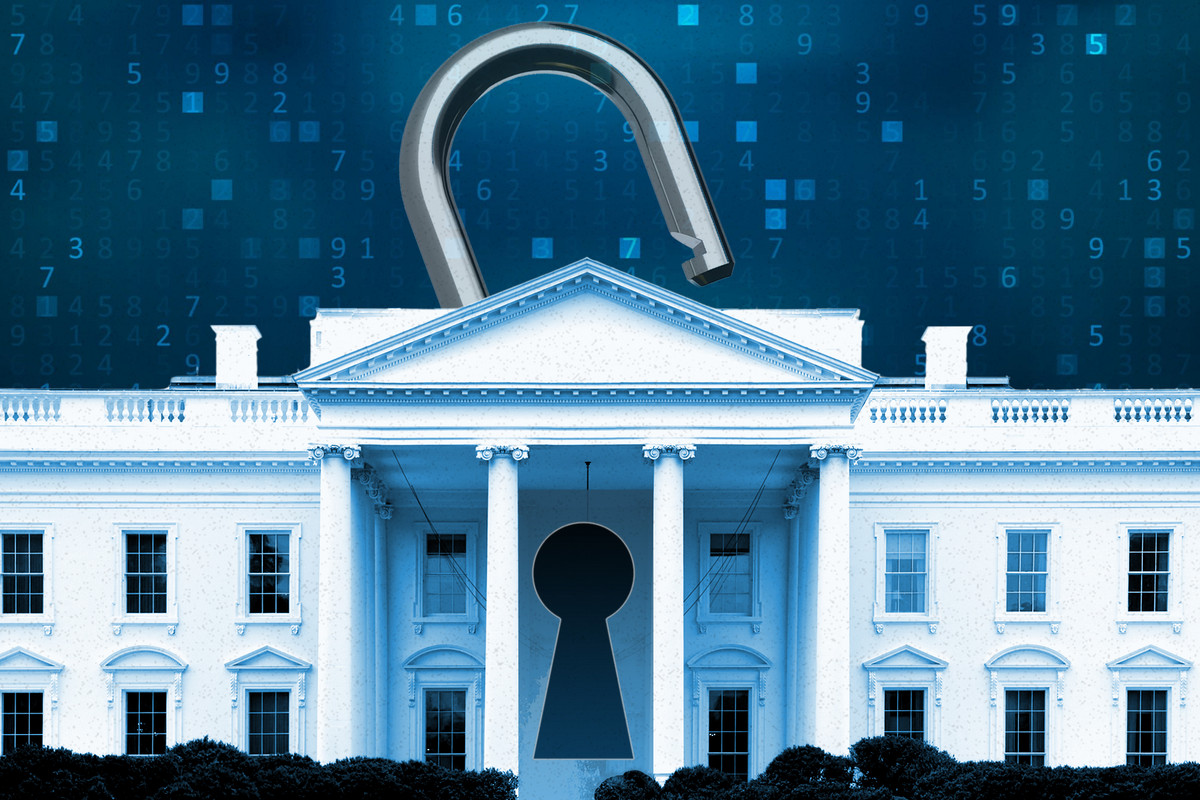
Only a couple of months after the Trump administration outlined a light-touch, innovation-friendly stance to artificial intelligence in its national framework proposal, it now appears to be backing down from that stance. And what replaced that optimism about the future of AI has been, by some accounts, infighting within the administration over how to deal with AI going forward. Representing one-half of the fight is a push by some officials to regulate AI more aggressively. It was a disorienting pivot. Some Trump officials even stated they would like the White House to regulate AI “like an FDA drug.”What gives? The administration seems to have been spooked by the release of advanced capability AI models, such as Claude Mythos and ChatGPT-5.5-Cyber, which can quickly and cheaply scan thousands of lines of code to find and exploit vulnerabilities in software programs. These models can more efficiently identify software weaknesses, enabling even an amateur cybercriminal to launch a large-scale cyberattack. In the wrong hands, these models could, for example, be used to interfere with an election by hacking into the voting and counting software.
The fear among pro-regulation officials is that these models can enable recurring cyberattacks on the nation’s basic infrastructure and that tighter control is needed.