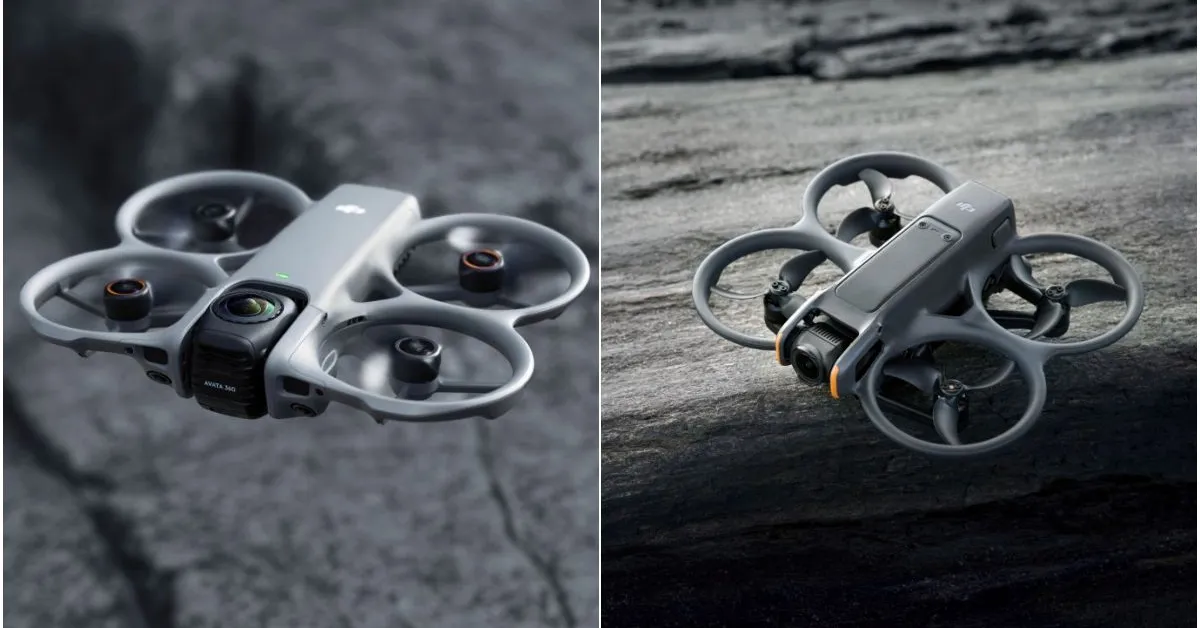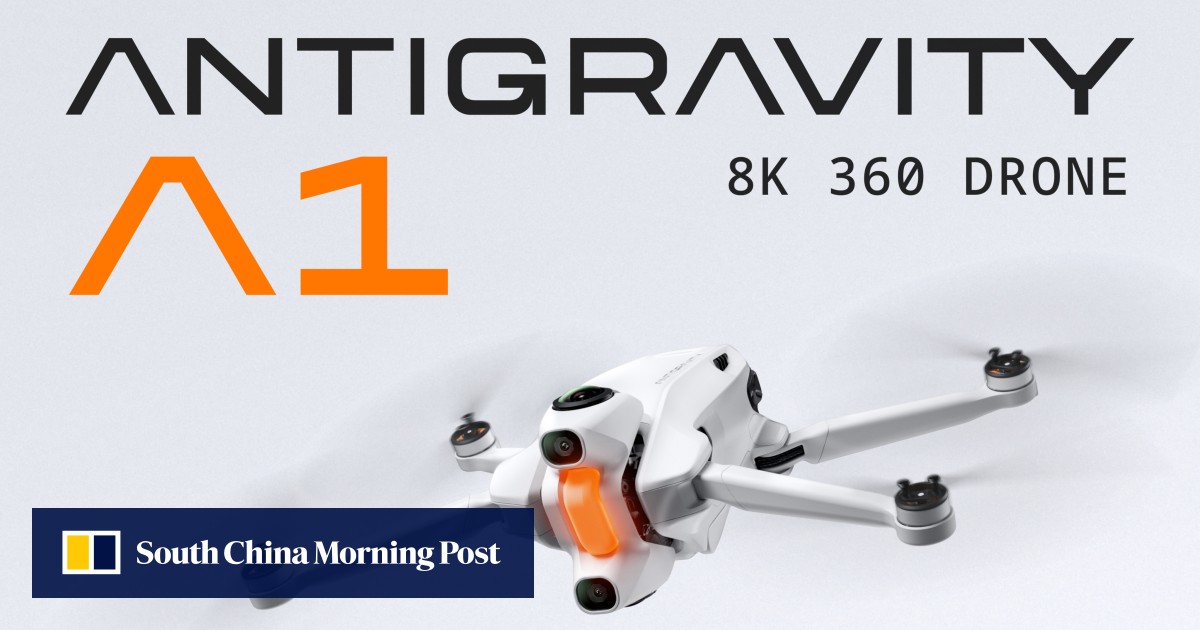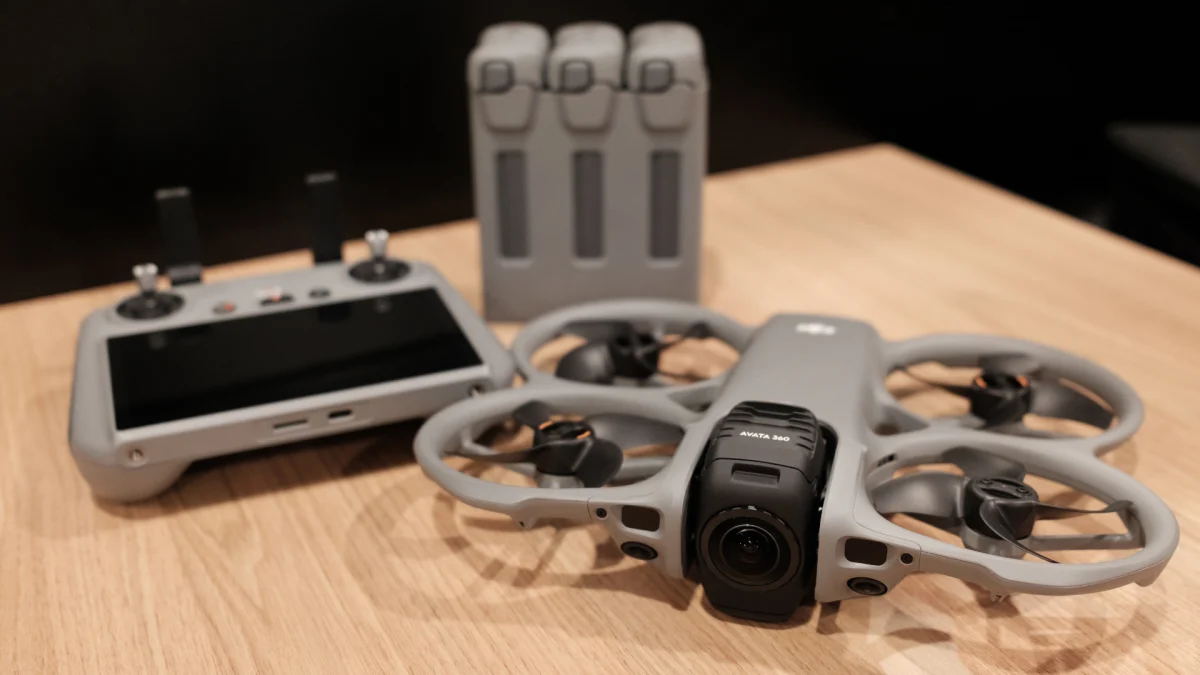
DJI officially launched the Avata 360 this March, expanding its camera drone lineup with the company's first 360-degree offering. The latest addition to DJI's popular Avata series, the Avata 360 is a direct rival to the Antigravity A1 360-degree drone released last December. Yet while Antigravity was first off the launch pad, it's still the new kid on the block. DJI has been a favourite of drone enthusiasts for years, with many having eagerly awaited the brand's first 360 drone.Now that the DJI Avata 360 has finally arrived, the question is whether the wait was worth it.
DJI Avata 360: Build
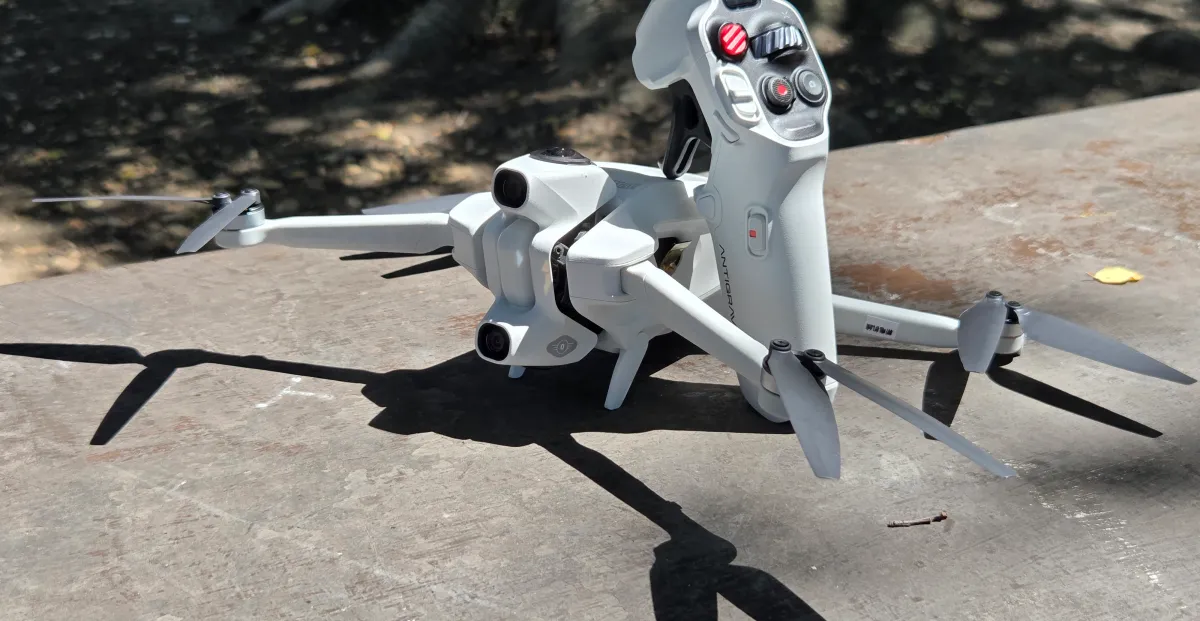
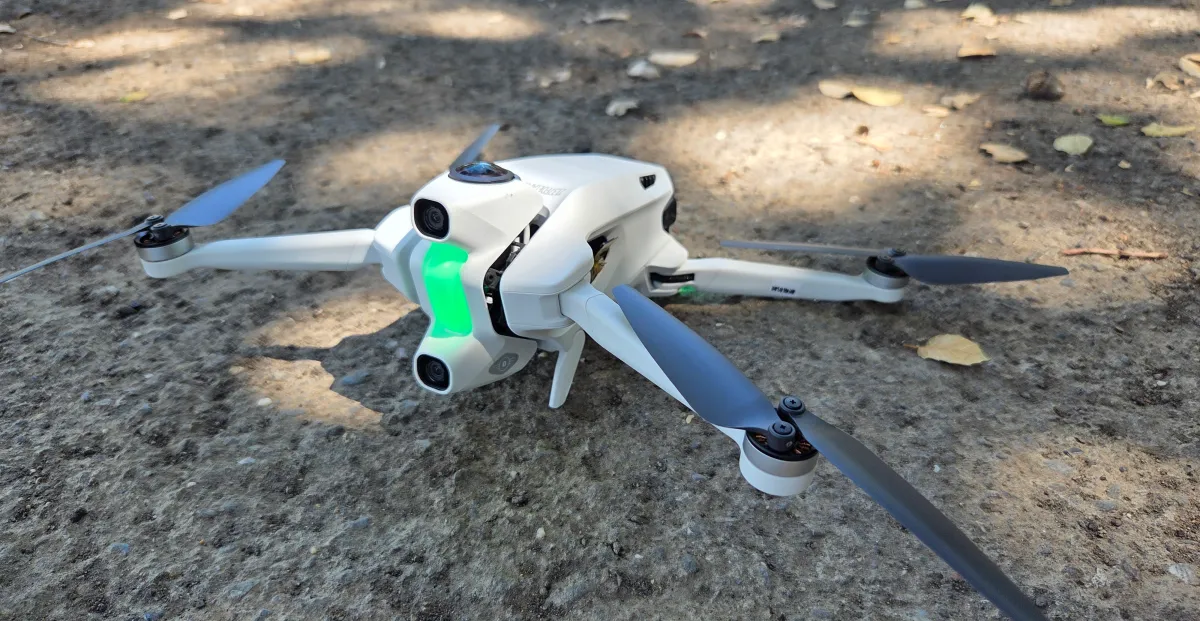
At first glance, the Avata 360's build bears strong similarities to the DJI Avata 2 released in 2024. Both sport solid, lightweight bodies made from high-quality grey plastic, with few moving parts aside from their camera gimbals and four propellers. Guards around these propellers help to protect them from damage, adding another layer of security on top of the Avata 360's obstacle avoidance system. Measuring 246 millimetres x 199 millimetres x 55.5 millimetres, the Avata 360 is longer but slimmer than the Avata 2, with three anchor points attaching its propellers to its body instead of two. The Avata 360 feels sturdier than the significantly smaller Antigravity A1 as well, with the latter featuring foldable arms and unshielded propeller blades. While the A1 isn't flimsy, the Avata 360 certainly seems more likely to hold up in a collision if the two were to go head-to-head. It even has a removable lens protector to shield it during storage.