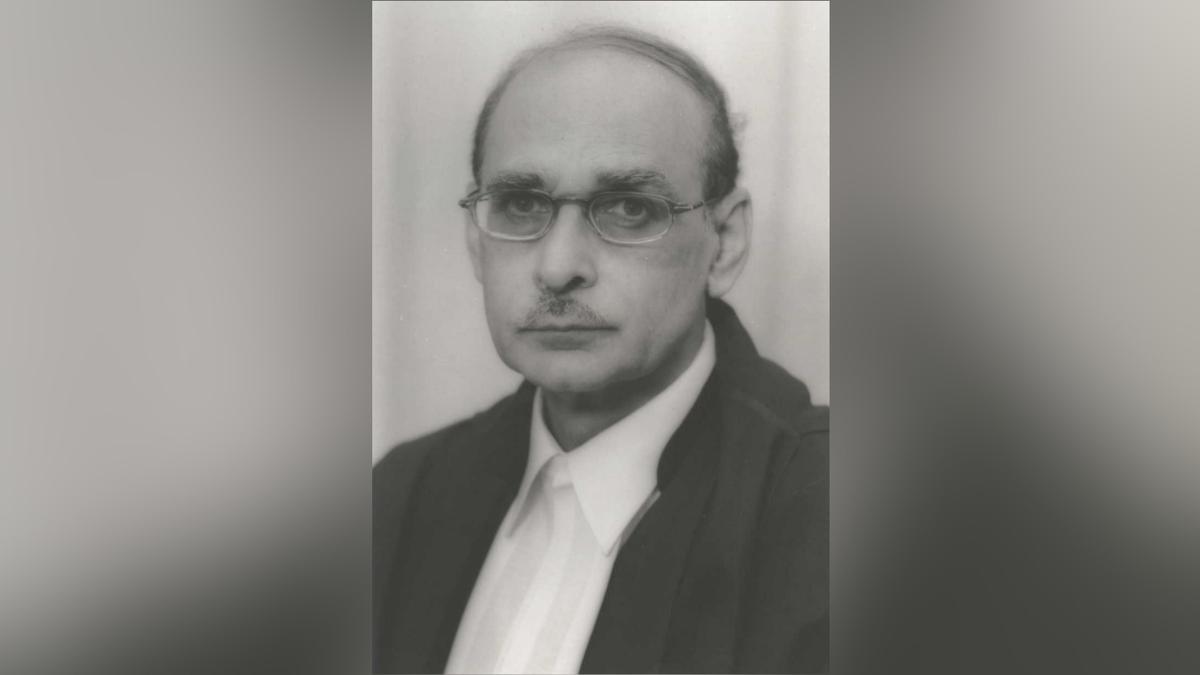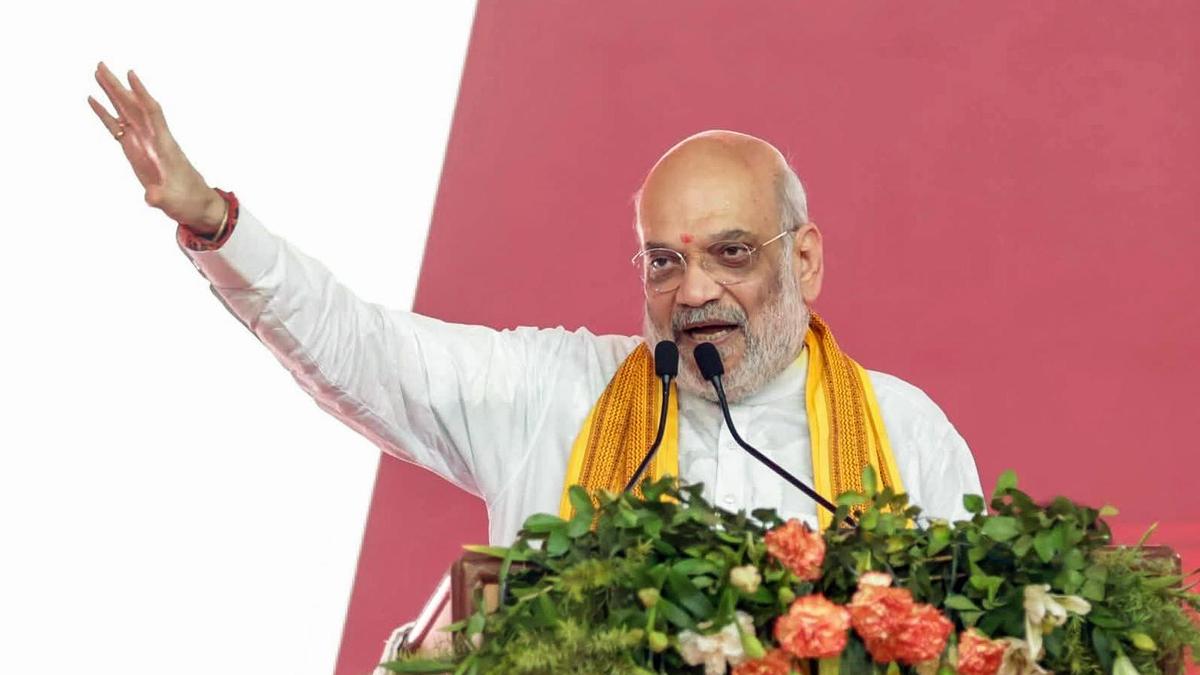
Indore, Former Supreme Court judge Justice Prakash Prabhakar Naolekar, who heads the high-level committee for assessing demographic changes, has termed the demographic change caused by infiltration as a "huge challenge", and said the panel may recommend "more stringent laws" to the Centre if necessary.Committee may recommend more stringent laws to deal with infiltration if necessary: Justice NaolekarThe problem of infiltration can also cause "disturbance" in the country, he said, adding that the committee will examine the issue with the help of subject experts.Union Home Minister Amit Shah on Tuesday announced the formation of the high-level committee to assess demographic changes across India due to "illegal immigration and other unnatural causes" and suggest measures to address these challenges.In an interview with PTI in Indore, Justice Naolekar, the chairman of the committee, said, "Demographic change is a huge challenge. When people enter the country illegally through infiltration, it impacts the entire nation."The government provides assistance to the poor under various schemes, but this assistance gets divided due to infiltration, he said."We have to provide government assistance even to those who are not entitled to it. As a result, the share of those who are truly entitled to this assistance is reduced," the former SC judge said.He said that the problem of infiltration can also cause disturbance in the country."...That is why the government wants to identify infiltrators and find out which areas have the highest numbers," he added.Asked whether there is an adequate legal framework in place to deal with the problem of infiltration in the country, Justice Naolekar replied that if the committee headed by him felt that "more stringent laws" were needed, it could recommend this to the government.He stressed the need for stringent laws and strict enforcement by the government machinery to prevent various crimes."No one has control over how a person will behave. But if a person is afraid of severe punishment for wrongdoing, he is more likely to refrain from doing anything wrong," Justice Naolekar said.The Union Home Ministry's notification regarding the formation of the high-level committee states that the demographic changes due to illegal migration are not limited to border areas, but their impact has extended, affecting urban centres, industrial corridors, tribal regions, and other socially and economically sensitive areas."This is a very serious matter. Previously, we only saw the damage caused by demographic changes due to illegal migration in areas adjacent to international borders. If this problem spreads across the country, the economic burden on our resources will increase," the committee chairman said.Responding to a question, Justice Naolekar said that Indian laws clearly distinguish between refugees and infiltrators.He also said that demographic change caused by illegal migration appears to be a global phenomenon."We are hearing and reading from newspapers that countries like France, Britain, Germany, and the United States are also grappling with this problem," he said.He said the committee headed by him has the power to seek input from subject experts in various fields and government officials, in addition to its members, if necessary."We have to collect as much information and documents as possible. We will also have to visit some places. After starting work, the committee will collectively decide where to go based on the available material," Justice Naolekar said.According to the government, the high-level committee will conduct a scientific evaluation of the demographic changes taking place in different regions of the country due to illegal immigration and other unusual factors, examine their causes, and suggest suitable policy, legislative, and administrative interventions.The committee has Census Commissioner, former Indian Administrative Service officer Durga Shankar Mishra, former Indian Police Service officer Balaji Srivastava, and Dr Shamika Ravi as its members.The panel will submit its report to the government within a year. The Home Ministry can extend the committee's tenure by six months if necessary.This article was generated from an automated news agency feed without modifications to text.
Committee may recommend more stringent laws to deal with infiltration if necessary: Justice Naolekar
Committee may recommend more stringent laws to deal with infiltration if necessary: Justice Naolekar
642 words~3 min read