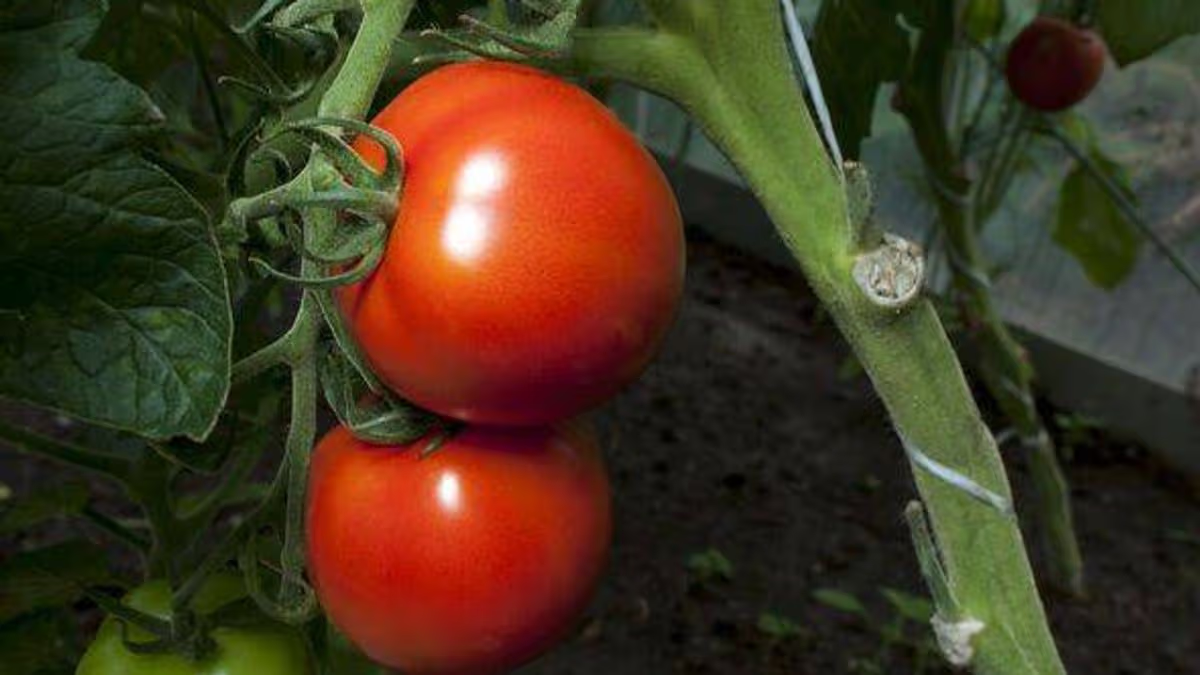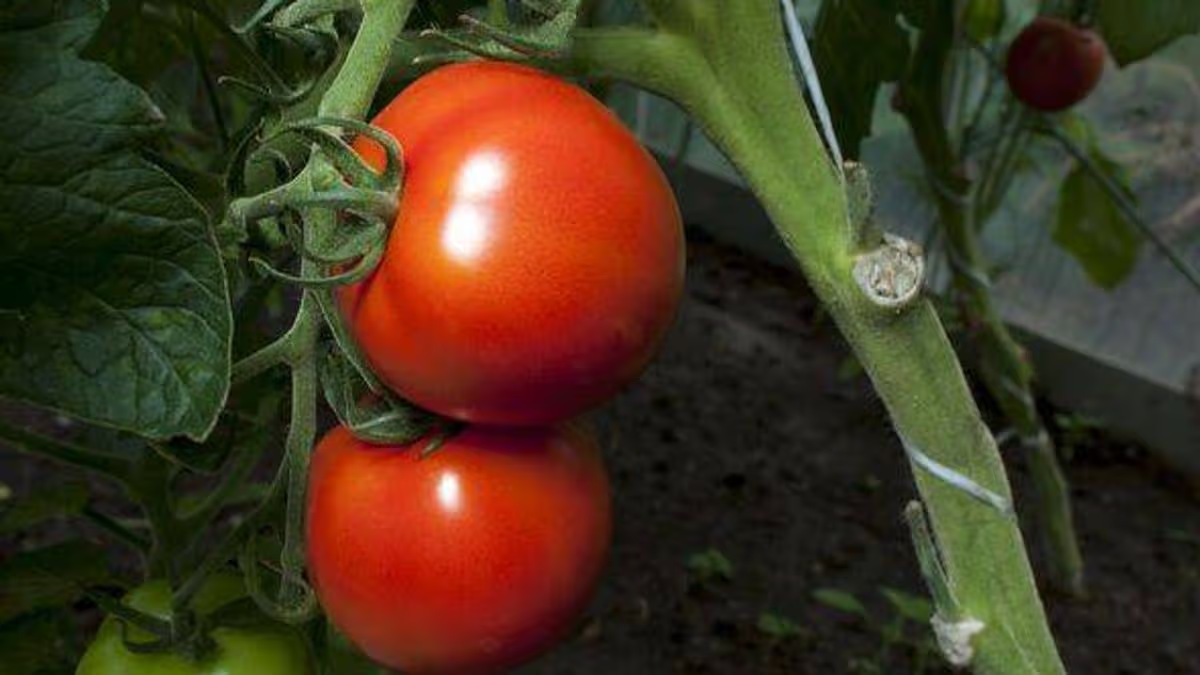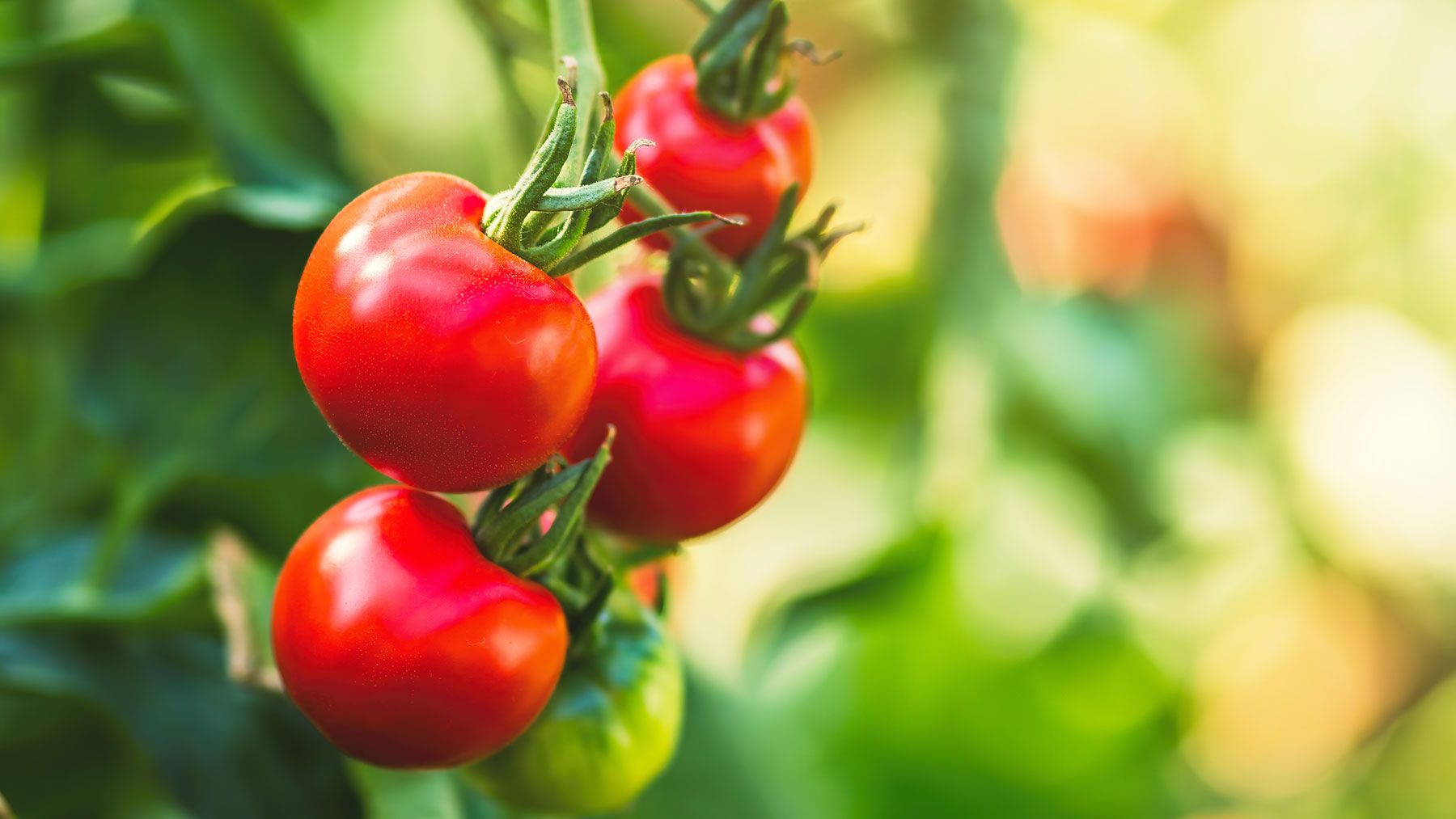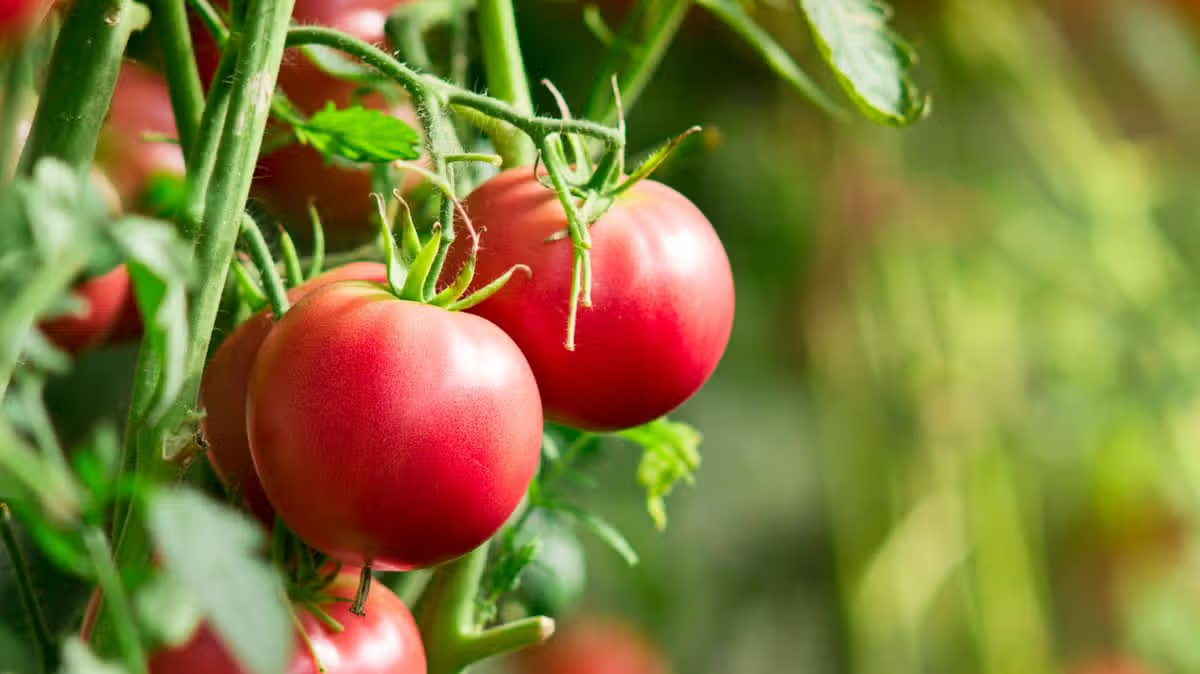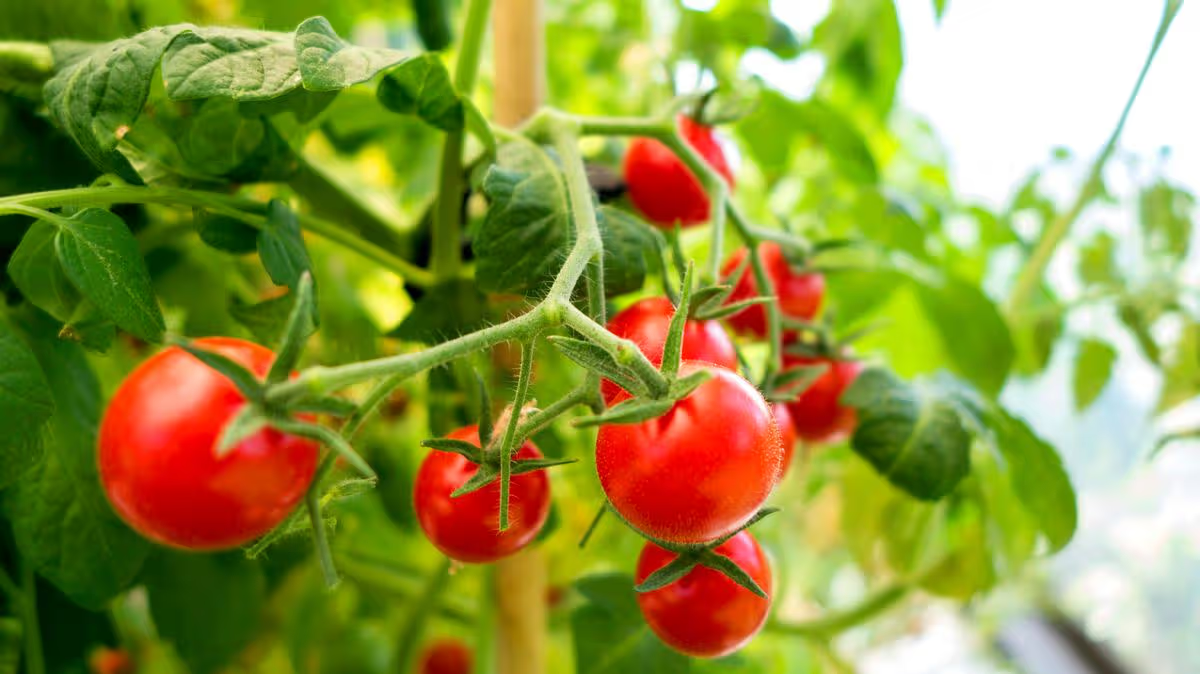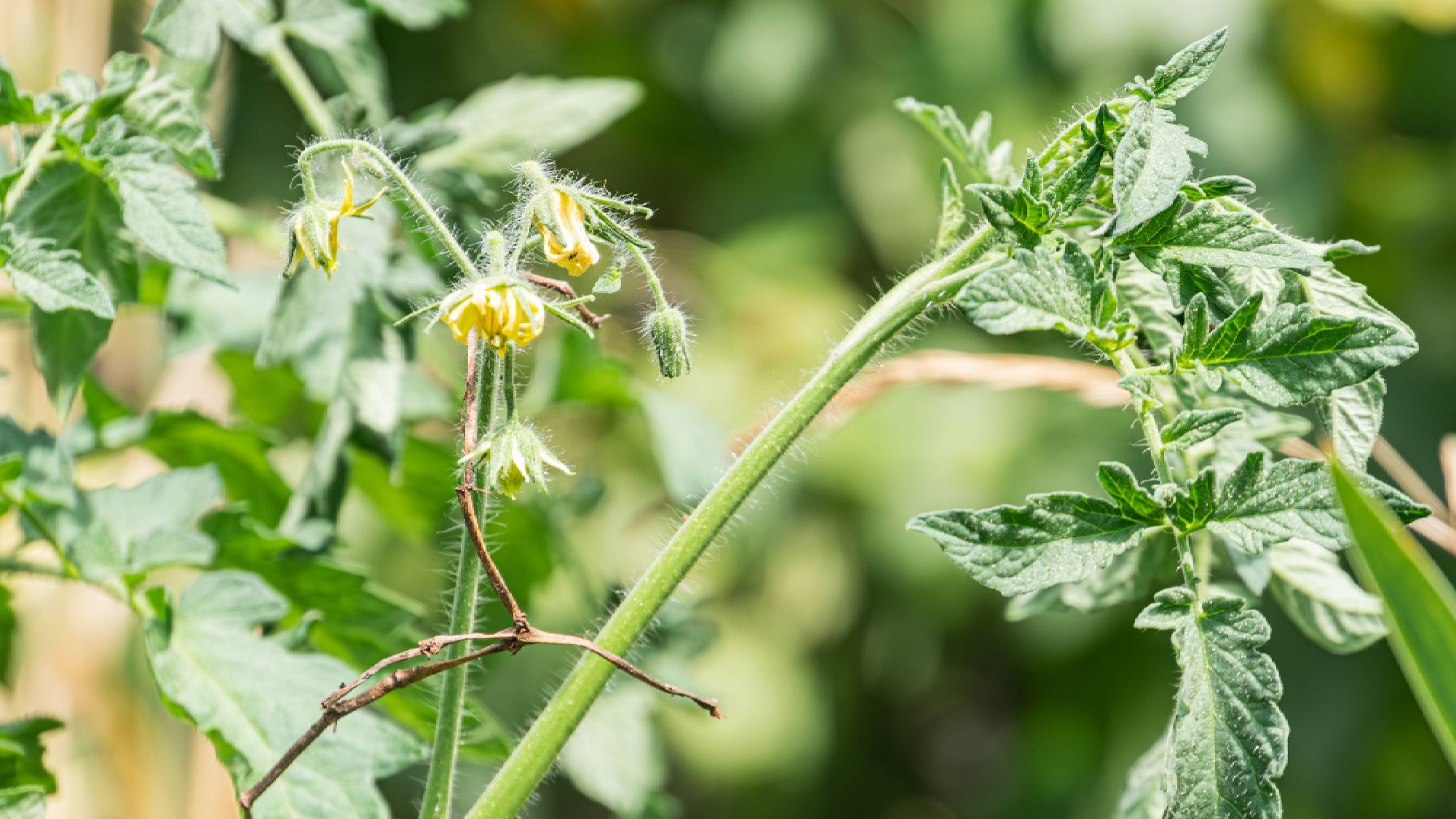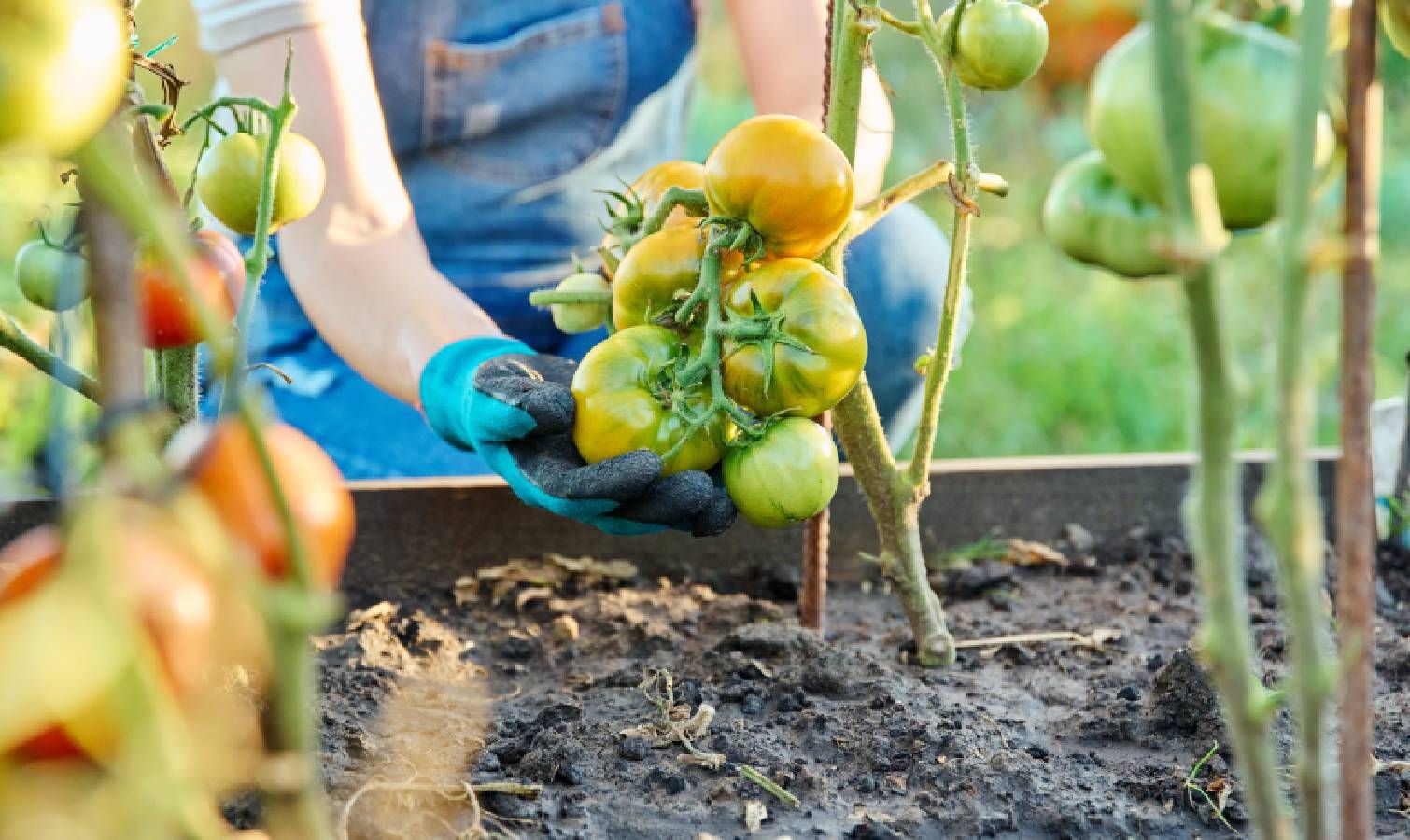
Indeterminate tomato plants grow continuously throughout the season, producing endless vines and foliage but surprisingly little fruit unless you prune them. Left unpruned, these plants waste energy on excess growth instead of directing it toward fruit production.Removing the right parts forces the plant to channel energy into larger, faster-ripening tomatoes that actually taste good. Pruning also improves air circulation around the plant, preventing fungal diseases that thrive in dense foliage, and makes spotting pests significantly easier.The result is a harvest that's both bigger and better. Here's how to prune correctly and double your tomato yield.
Know which tomatoes actually need pruning
Determinate (bush) tomatoes grow to a set size and stop. They produce one large crop all at once, then mostly stop growing. These are ideal if you want lots of tomatoes in a short window. You can skip pruning these, as they don't need it.Indeterminate (vining) tomatoes grow continuously throughout the season, producing fruit until frost kills them. Varieties like Beefsteak, Brandywine, and most cherry tomatoes are indeterminate. These sprawl into massive vines with tons of foliage but relatively little fruit if left unpruned. This is the type you want to prune.