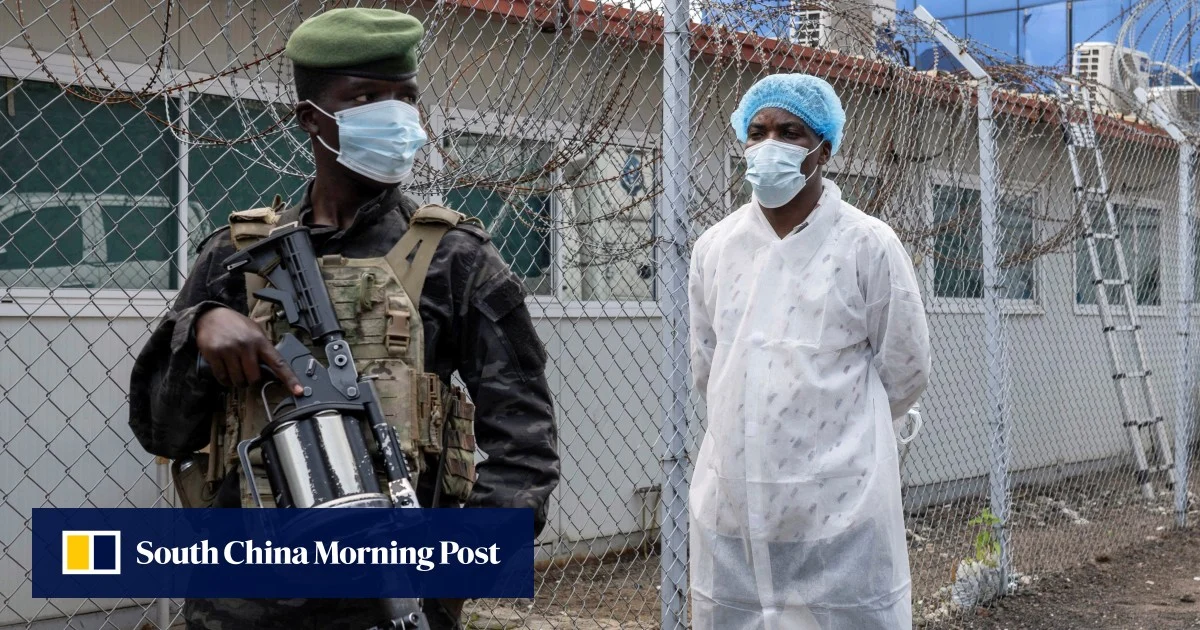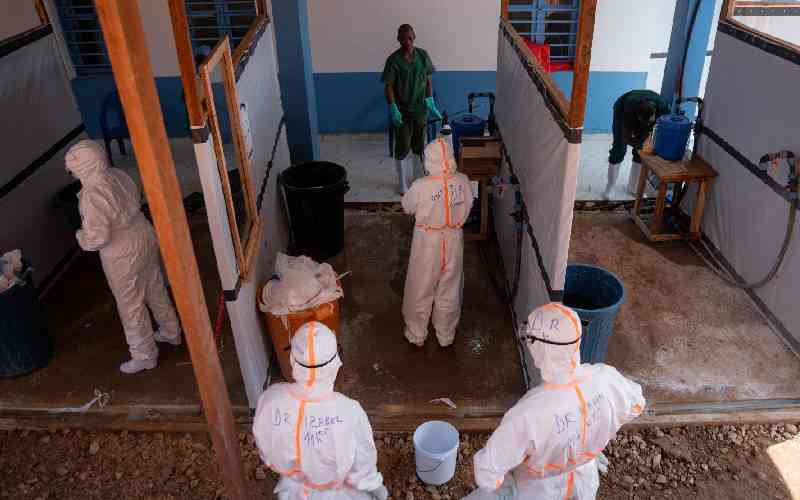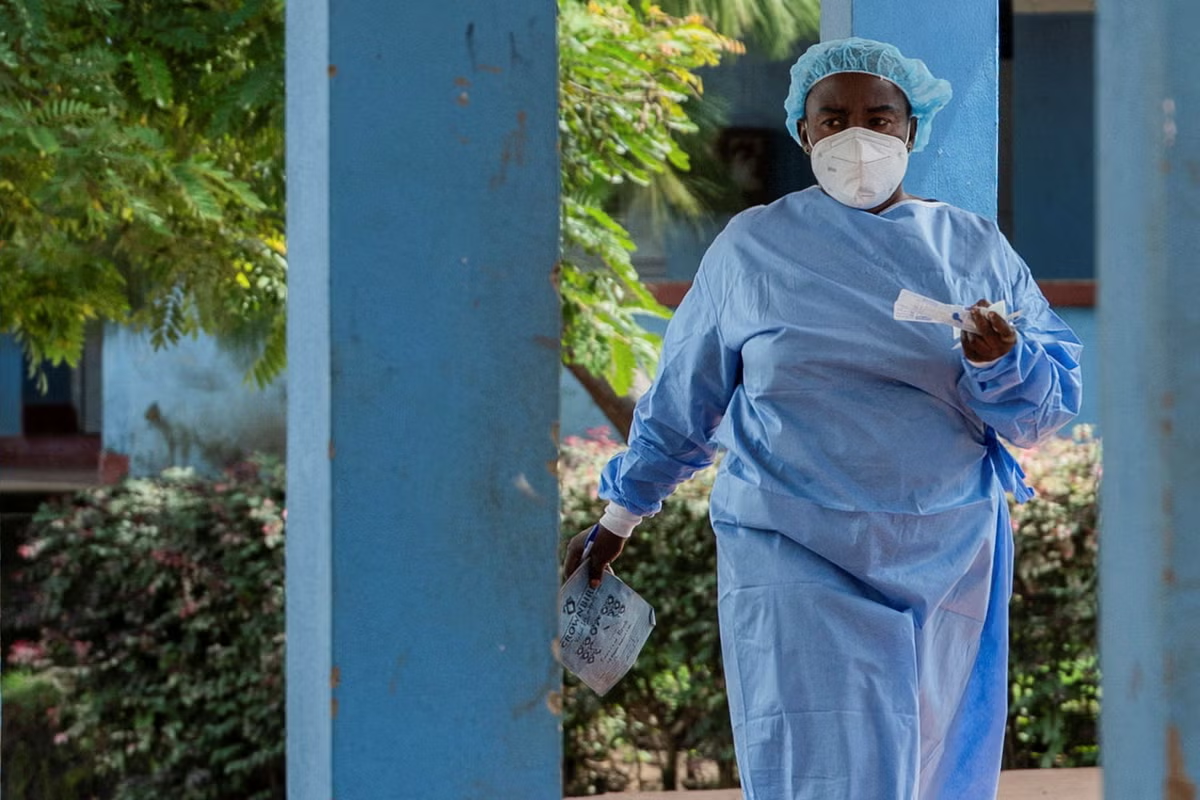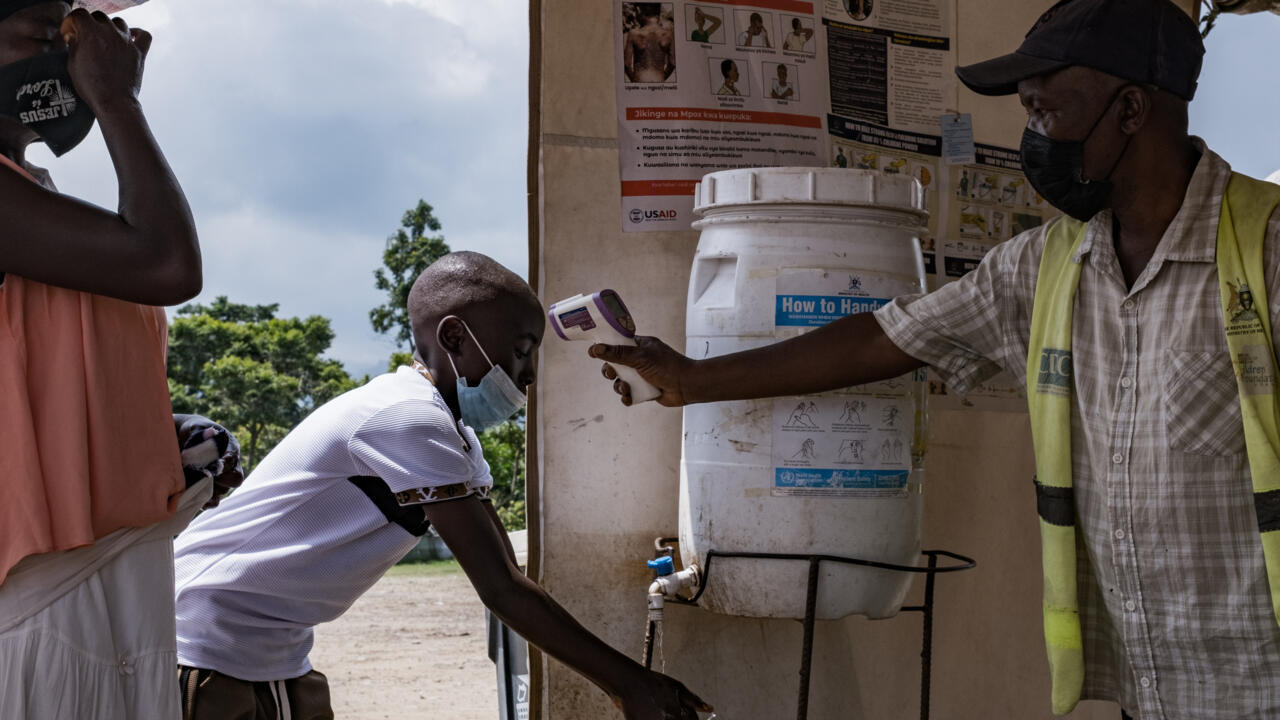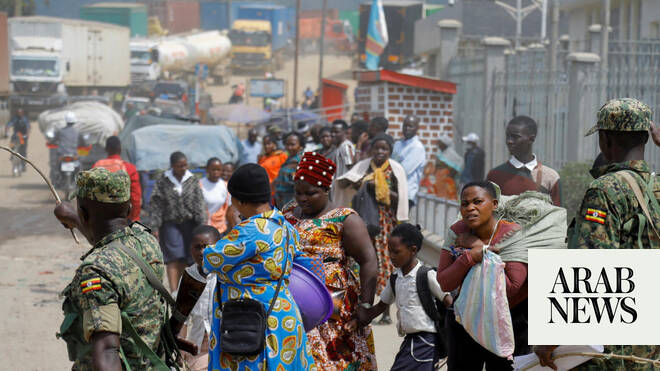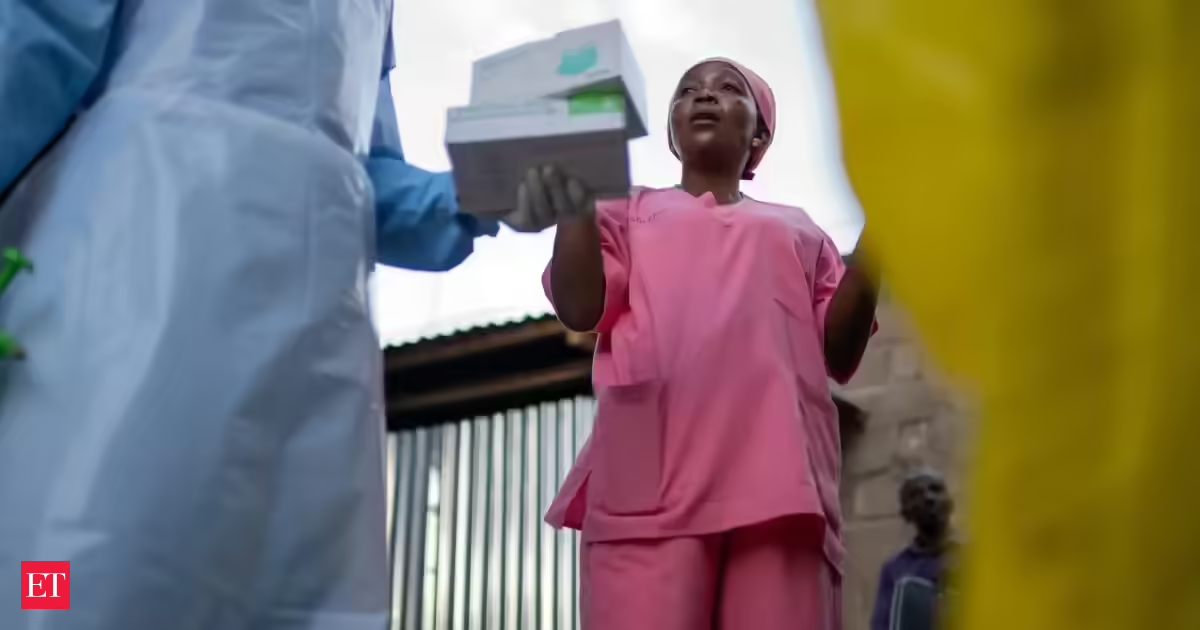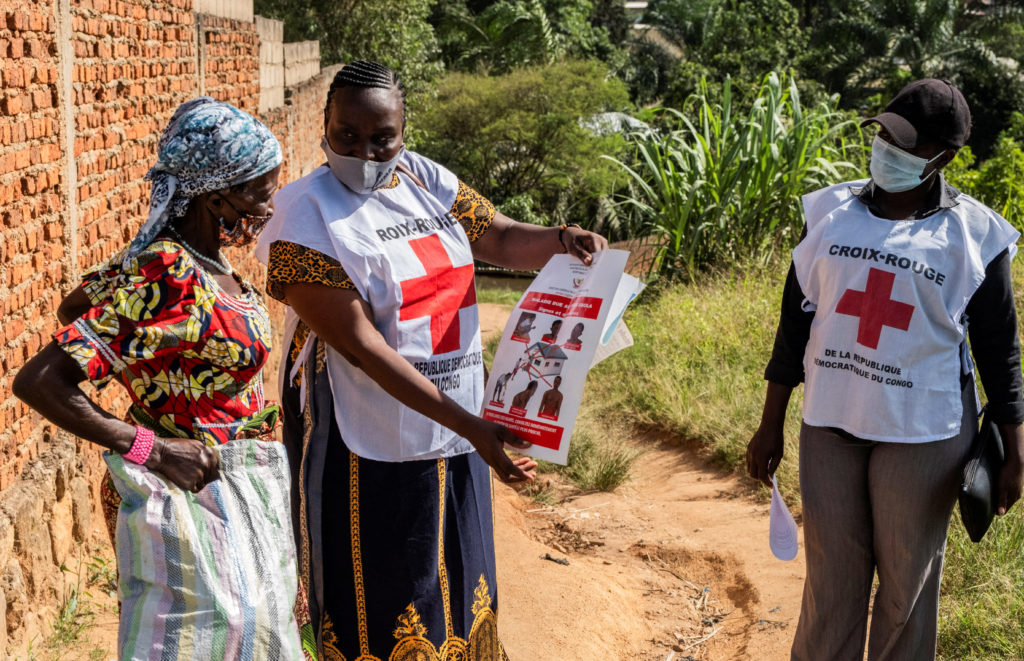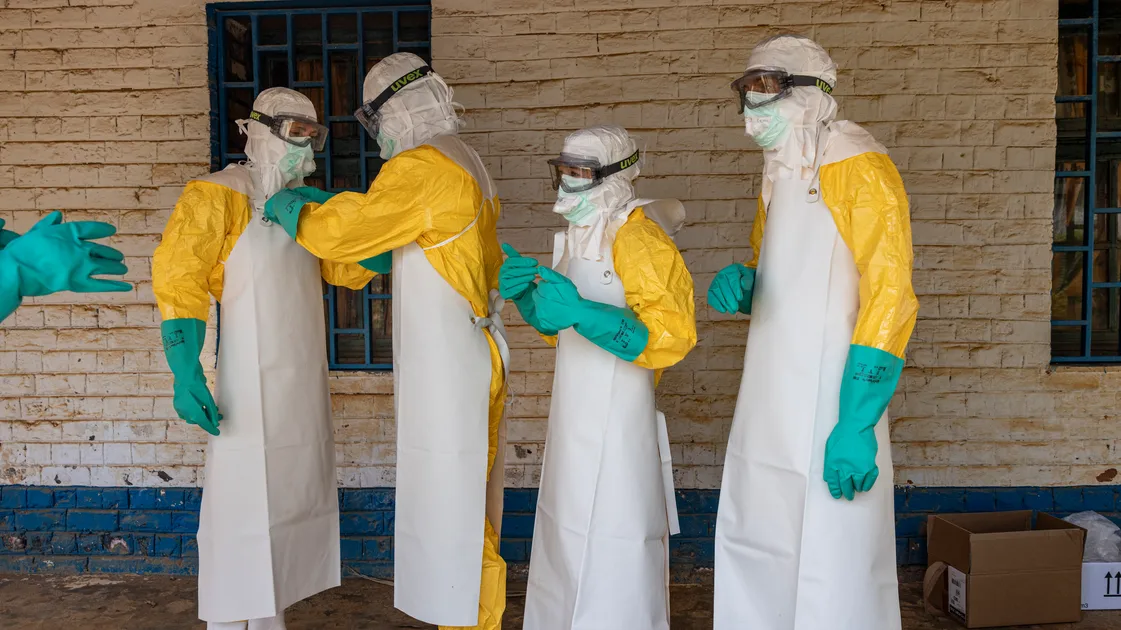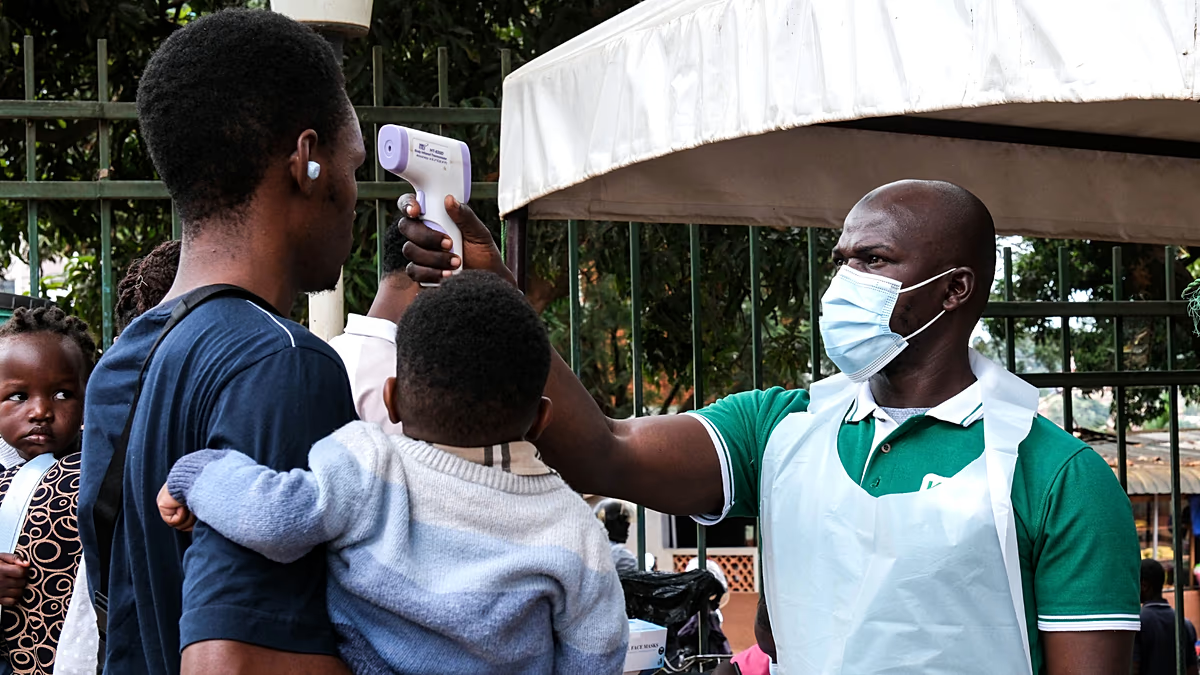
As the Ebola outbreak outpaces the response in the Democratic Republic of Congo (DRC), the World Health Organization (WHO) has gathered experts to assess potential treatments and vaccines.
The virus behind an outbreak in the country, suspected of killing more than 200 people, is less common than the strains that cause other forms of Ebola disease, which is complicating the response because there are no specific treatments or vaccines.
“This is serious, and you deserve to hear that plainly. But I also want you to know this: while there are no specific treatments for Bundibugyo, there is much we can do together to prevent the spread of this virus and save lives,” WHO Director General Dr Tedros Adhanom Ghebreyesus wrote in a letter to the people of the DRC on Thursday.
What is the Bundibugyo virus, and how does it spread?
Bundibugyo is one of the four identified orthoebolaviruses that can cause disease in humans. It is a rare strain, first identified in 2007. Based on the few outbreaks health experts have recorded, Bundibugyo appears slightly less deadly than the Zaire or Sudan virus.