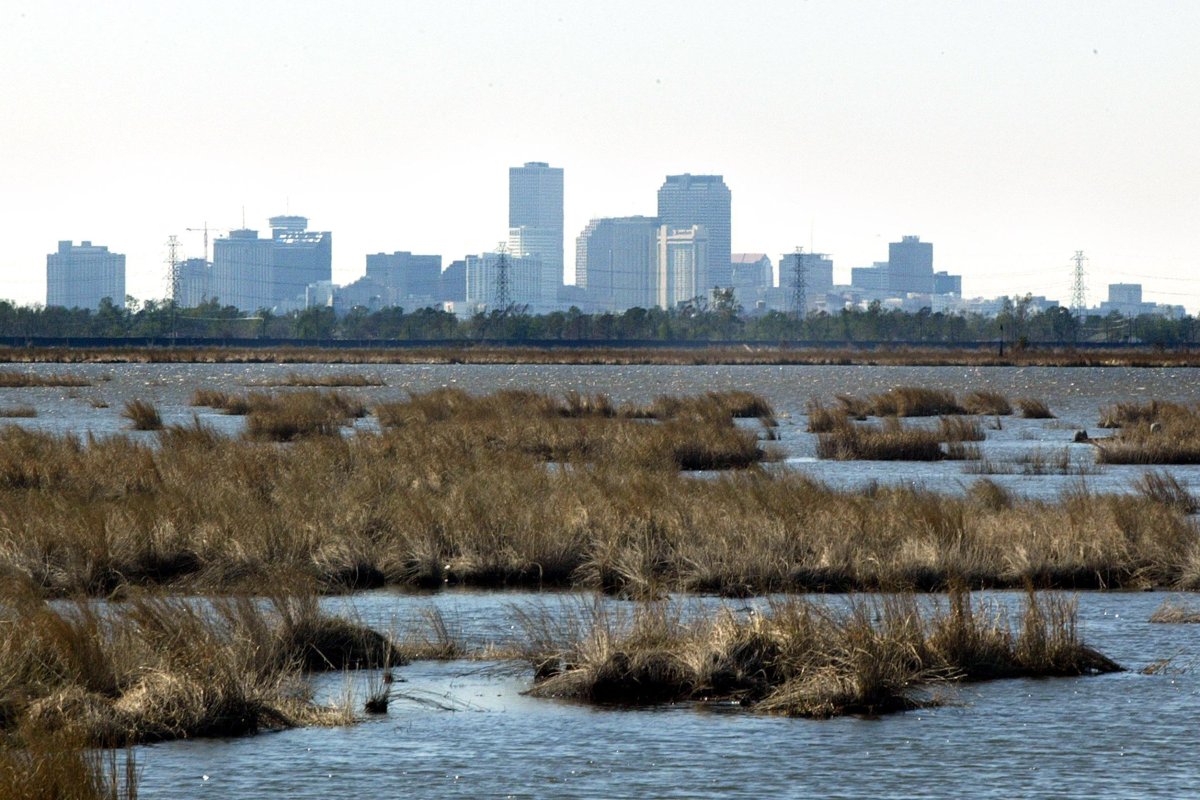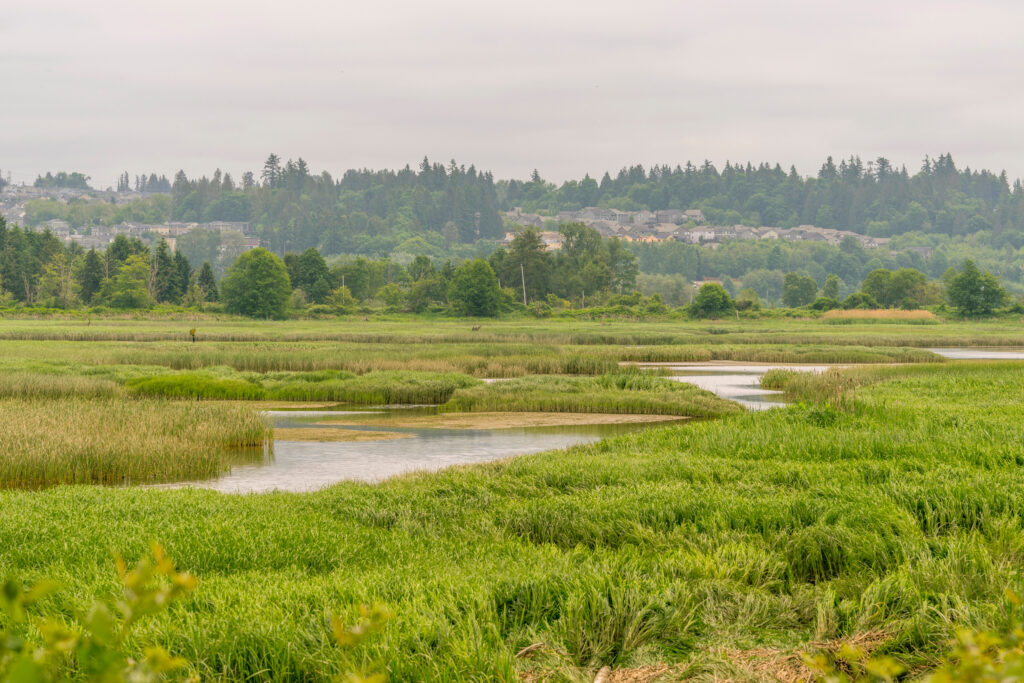
As the United States limits what can be considered a wetland, and qualify for federal conservation measures, many Washington state residents are trying to protect more of them for water management, carbon sequestration and buffering against climate-driven disasters. But the difficulty of finding them can be just as big an obstacle to preserving them as recent actions in federal courts and agencies.
The U.S. Senate’s reopening of Minnesota’s Boundary Waters Canoe Area Wilderness to precious metal mining last month reflected an ongoing trend of loosening protections on America’s wetlands. The 2023 decision in Sackett v. Environmental Protection Agency limited federal protections to wetlands with “continuous surface connections” to larger bodies of water. Then, in November, 2025, the EPA clarified that to mean wetlands that have surface water during the local “wet season” or that touch a body of water that flows year-round, stripping protections from tens of millions of acres.
“Democrat Administrations have weaponized the definition of navigable waters to seize more power from American farmers, landowners, entrepreneurs, and families,” said EPA Administrator Lee Zeldin in a press release when the agency proposed the new definition of Waters of the United States.