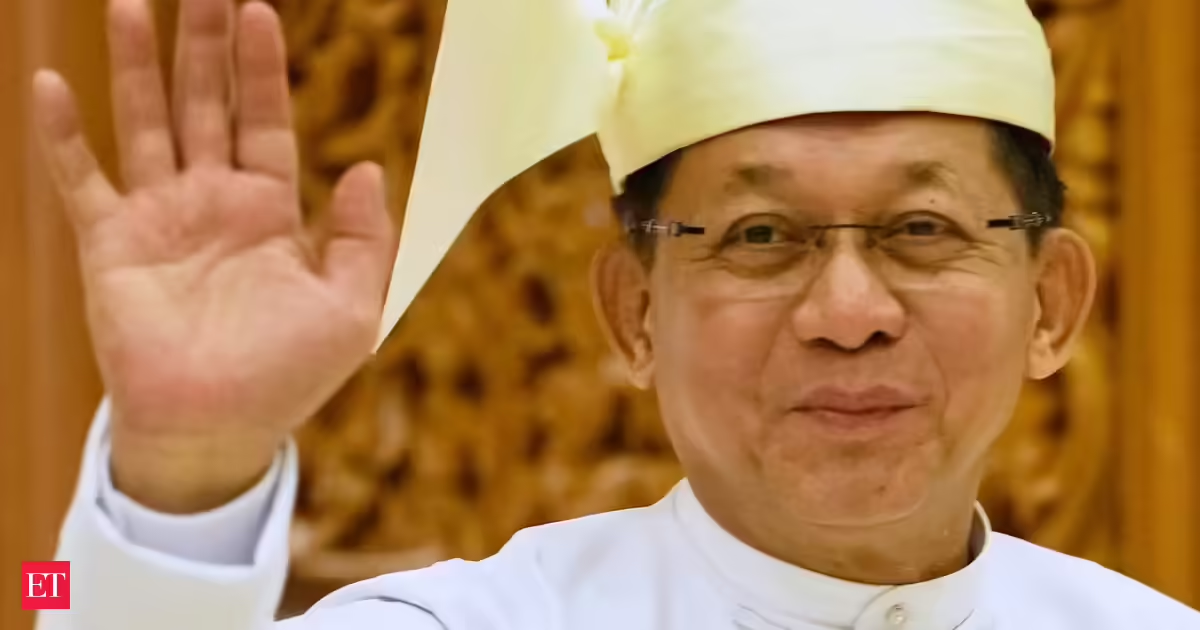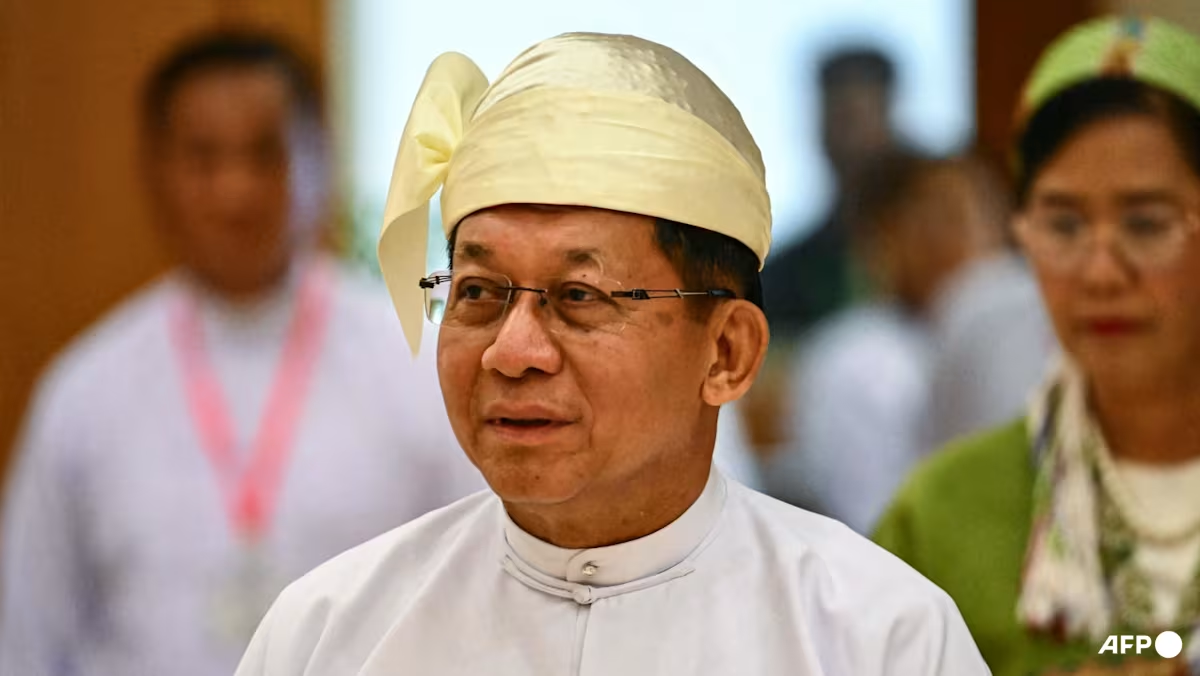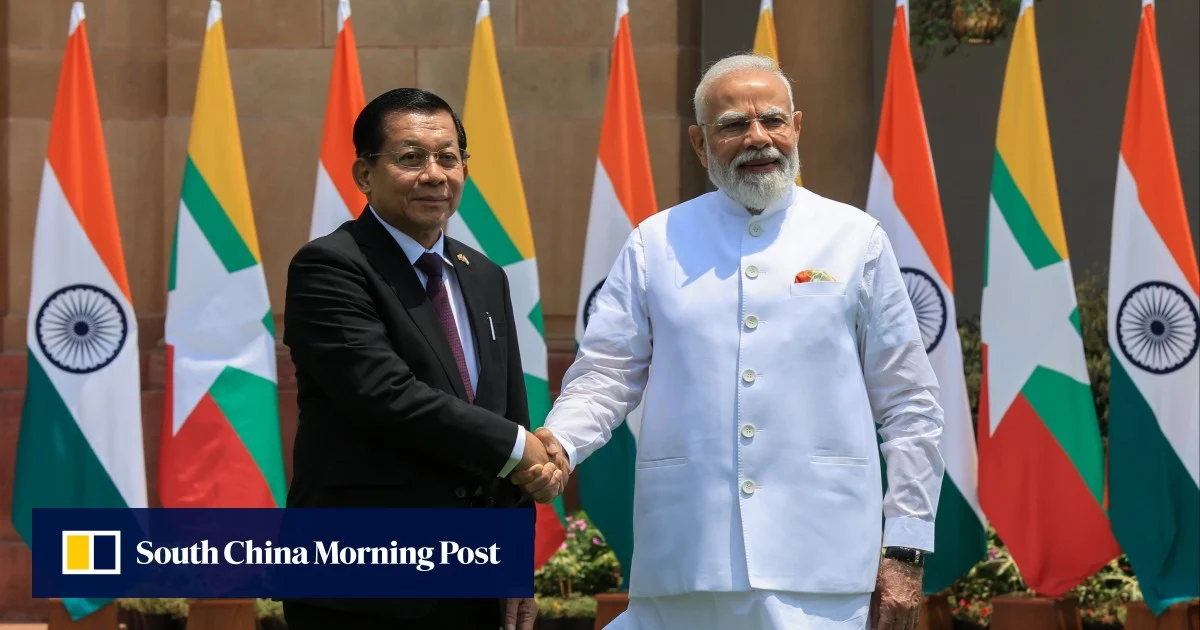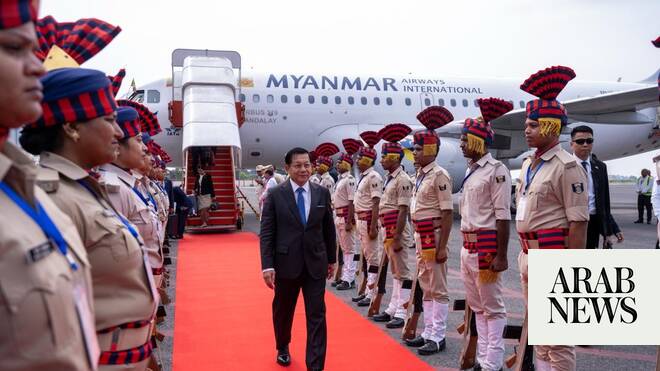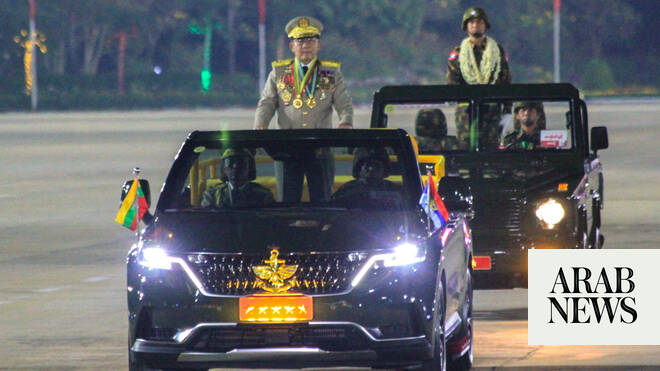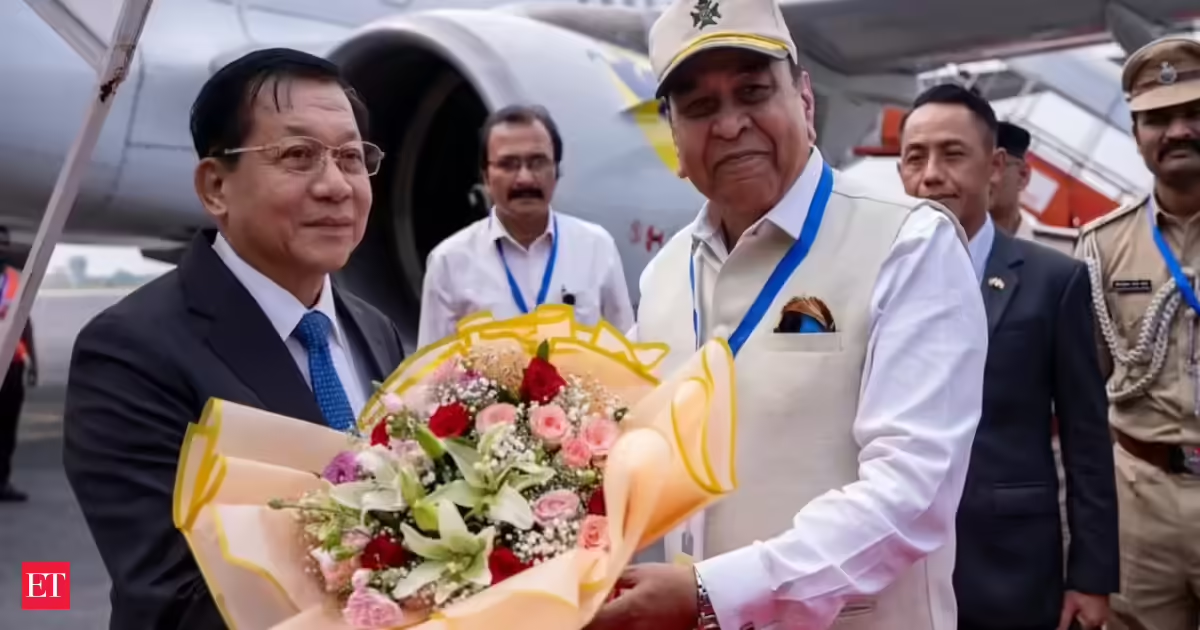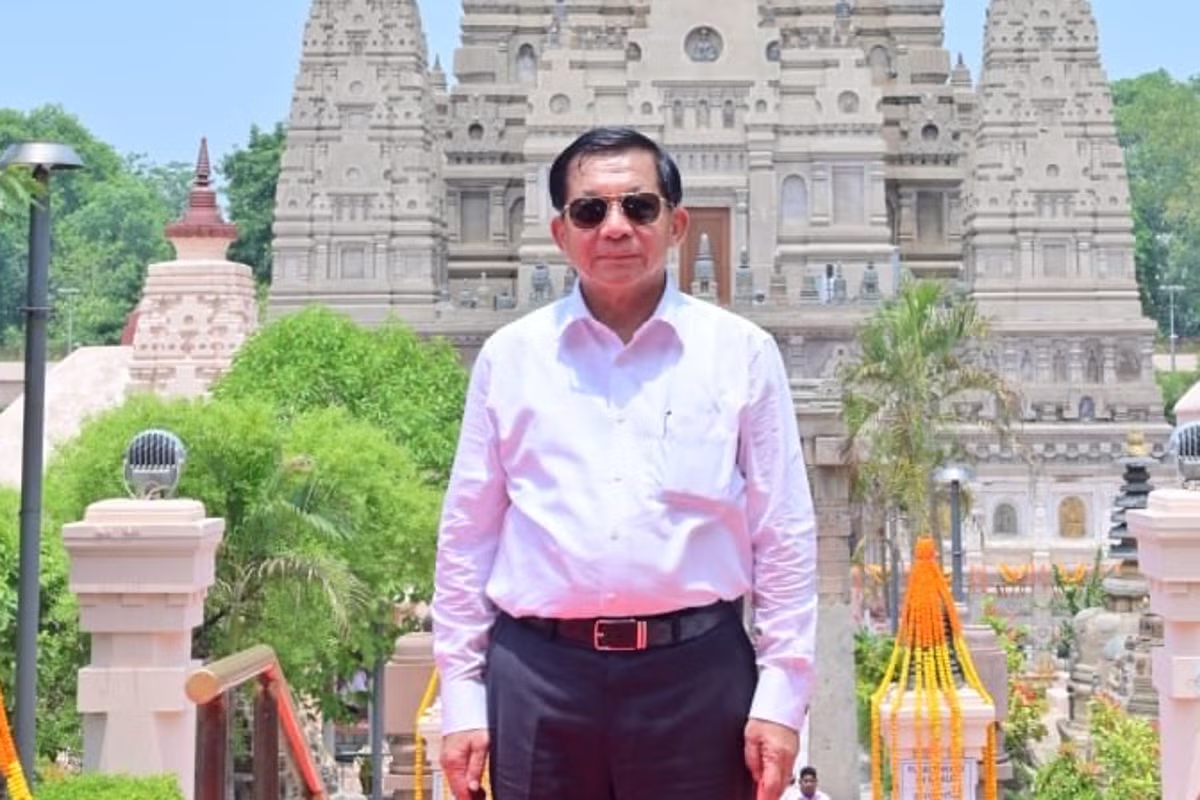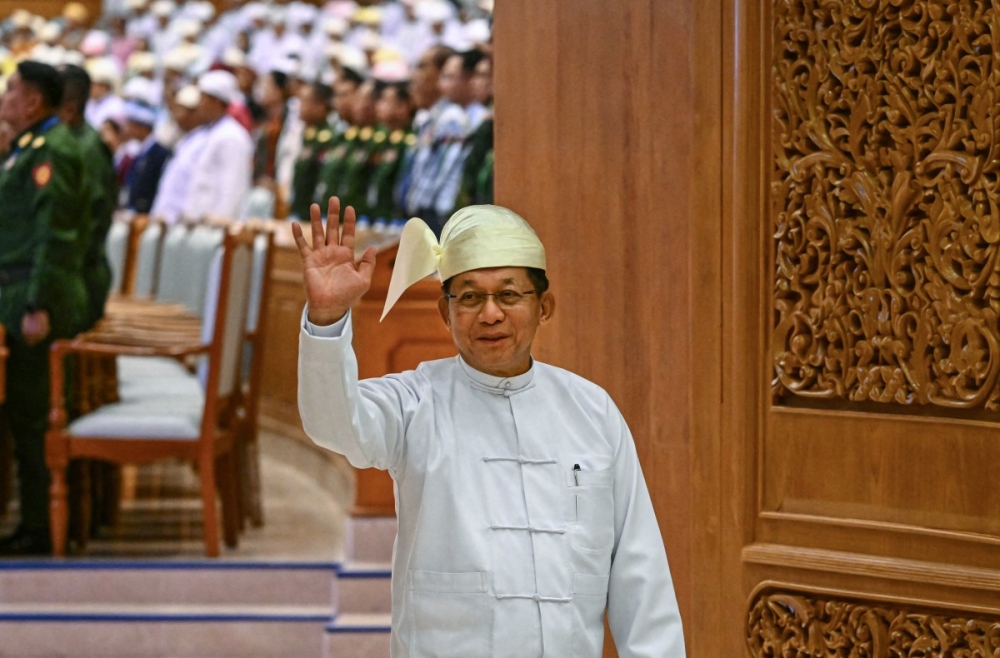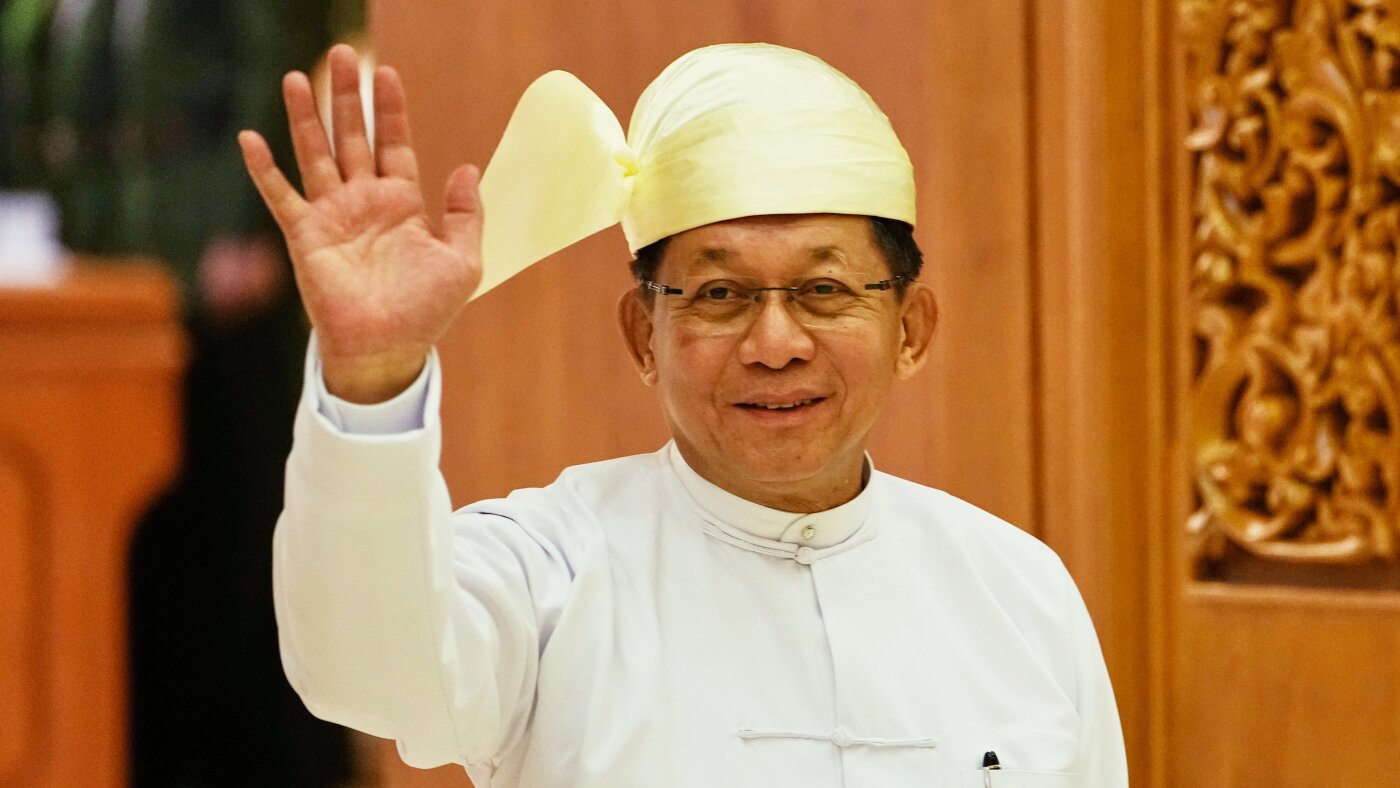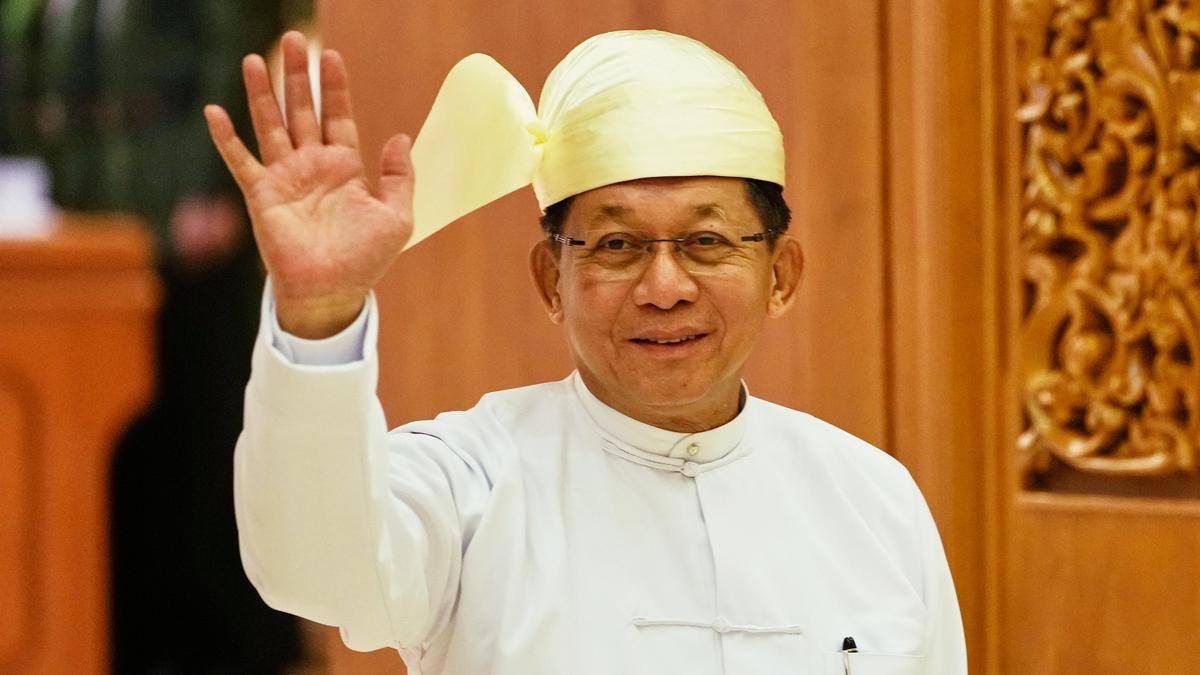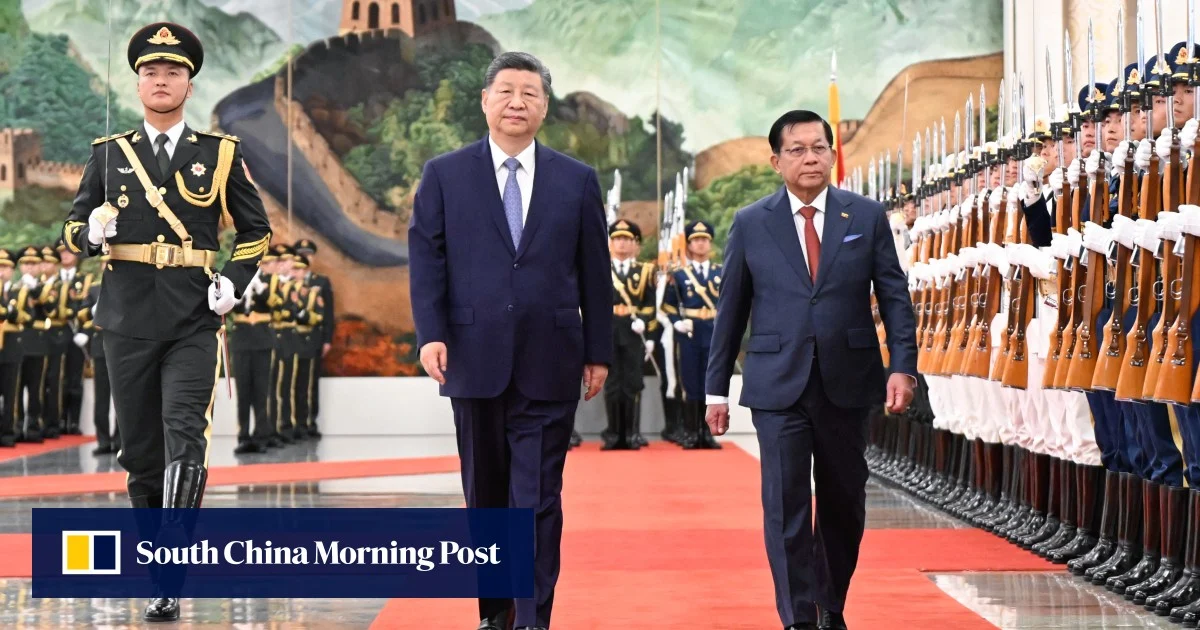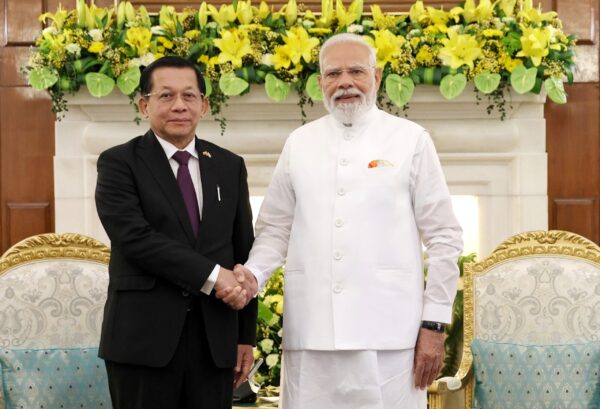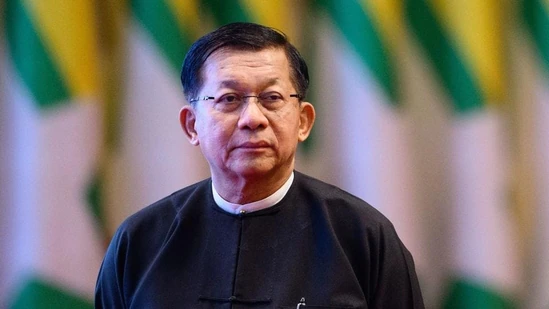
Myanmar's President Min Aung Hlaing has chosen India as his first overseas trip since assuming the presidency in April 2026. This is not merely accidental or strategic as many analysts would be tempted to read into it as a pivot, i.e. Myanmar’s President is choosing India over China. The more accurate and policy-relevant framing to this is that Min Aung Hlaing is not choosing India over China, but choosing both, simultaneously and deliberately. For India's part, the visit reflects its own calibrated and carefully managed engagement designed to secure its interests, both domestically and bilaterally. And understanding the visit through this lens of mutual calibration, rather than through the lens of strategic alignment, would produce more honest expectations.Myanmar President Min Aung Hlaing (AFP)India's engagement with Myanmar since the April 2026 transition has been active, consistent, and deliberately grounded. Even post the 2021 military coup, India sustained engagement with Myanmar's military authorities, keeping in mind that disengagement would not advance democracy in Myanmar but would affect Indian interests in border security, connectivity and certainly isolate Myanmar and push it towards China’s embrace. The recent interactions between Myanmar and India suggest evidence of calibration being more visible and active. India’s minister of state, Kirti Vardhan participated during President Min Hlaing inauguration. Following this, the Indian Navy chief visited Myanmar, the first such visit in over six years. Discussions focused on maritime security, capacity building, training exchanges, and capability enhancement. These are all part of a sustained engagement that is driven by hard strategic logic. The upcoming presidential visit should be read as a continuation and a modest elevation of this pattern.For Myanmar, the visit is best understood as opening additional lanes of diplomatic and economic breathing room with New Delhi, and not the loosening of the China anchor. From providing diplomatic and economic support, China was the first external actor to endorse the transition and sent a congratulatory message to Min Aung Hlaing within hours of his parliamentary election in April 2026. The Chinese ambassador was the first foreign envoy Jiang Xinzhi received by the new President. But what is concerning for Myanmar leaders is that China has deeply entrenched itself into Myanmar's economy and political process resulting in encroachment of Myanmar’s sovereignty. For decades, China has also deepened its relations with the EAOs, thereby navigating its dual engagement strategy to serve its own interests. Therefore, for Myanmar, India offers multiple things, a large neighbouring economy, a Buddhist civilisational connection, and a government that has maintained pragmatic engagement across every phase of Myanmar's political cycle. But either side should resist the temptation to frame this visit as an act for balancing China. India's connectivity assets run through territory China does not control and Myanmar does not govern. The visit is a working bilateral engagement driven by interest areas that are of concern to both sides. What is interesting is that the President is starting his visit from Bodh Gaya which is symbolic as Myanmar maintains deep Theravada Buddhist traditions, and a visible pilgrimage can resonate domestically, even though there have been bombing over monasteries in the past few years. In 2017 also, Min Aung Hlaing started his visit with an extended stay in Bodh Gaya. Recently, Vietnamese President To Lam also began his State visit to India with a stay in Bodh Gaya, reinforcing historical and people-to-people links between the two countries. Such pilgrimages are now a feature of what scholars have called civilisational diplomacy or Buddhist diplomacy. Now the bigger question is what can we expect from the visit. First, the most urgent bilateral issue is the management of a 1,643-kilometre border. The NIA's arrest in March 2026 of six Ukrainian nationals and one American, allegedly for training Chins and transiting drone consignments through Mizoram, confirmed that Myanmar's civil war is generating foreign fighter networks that use Indian territory as a transit corridor. The earlier discussions during the Navy chief's visit focused on enhancing regional stability and on Myanmar's stated desire for cooperation to prevent the presence of armed groups along the India-Myanmar border. The presidential meetings will almost certainly advance this agenda. Even though India is aware that these areas are not fully under control of the present government, India will likely seek stronger commitments on VBIG sanctuaries, intelligence sharing on cross-border drone and arms movements, and possibly a formal border management mechanism for Mizoram and Manipur sectors. It occurs at a moment when Myanmar's conflict economy, scam centres, narcotics, cross-border drone networks have been directly intersecting with Indian security interests and India's own northeastern states, especially Manipur, remain directly affected by displacement and insurgency from across the borders. Second, new areas of cooperation in trade can be expected. Bilateral trade reached about $2.1 billion in 2024-25, with India importing pulses from Myanmar, making India the fourth-largest trading partner of the country. The extension of the black gram and pigeon pea MoU at the inauguration locked in the pulse trade framework until 2030–31. Pharmaceutical exports, agricultural machinery, and energy cooperation including solar technology are also on the table. The Indo-Myanmar Chamber of Commerce, which signed its MoU with the Indian Chamber of International Business on inauguration day, is positioned to translate summit-level commitments into business-to-business engagement. Additionally, the visit may have announcements on expanding the rupee-kyat settlement mechanism which is already operational since January 2024 reducing dollar exposure for both sides. Third, India has consistently focussed on development cooperation to build long-term presence. India has invested approximately $1.5 billion in development cooperation in Myanmar, spanning health care, education, infrastructure, and humanitarian response, with the most recent agreement on constructing a preschool during the inauguration ceremony in April. The visit is likely to include new Small Development Projects announcements, possibly in the health and education sectors in border-adjacent states, that advances India’s long-term presence.For India, the visit is an opportunity to demonstrate that calibrated engagement works: that staying in the room, maintaining institutional ties, and investing in presence across all likely political scenarios produces more leverage and protection for Indian interests. What India can do and what this visit should advance engagement that protects the Kaladan corridor, deepens the naval and border security partnership, expands trade, maintains development presence, and keeps channels open to all of Myanmar's significant political actors: the new government, the Arakan army, the KIO, the NUG, and the ethnic civil society networks that will shape whatever political settlement eventually emerges. It is interest-driven neighbourhood management, the most durable form of foreign policy available to India in a country which has direct implications for India’s security and stability.(The views expressed are personal)This article is authored by Cchavi Vasisht, associate fellow, Chintan Research Foundation, New Delhi.
Min Aung Hlaing's India visit: Calibrated engagement and expectations
This article is authored by Cchavi Vasisht, associate fellow, Chintan Research Foundation, New Delhi.
1,107 words~5 min read