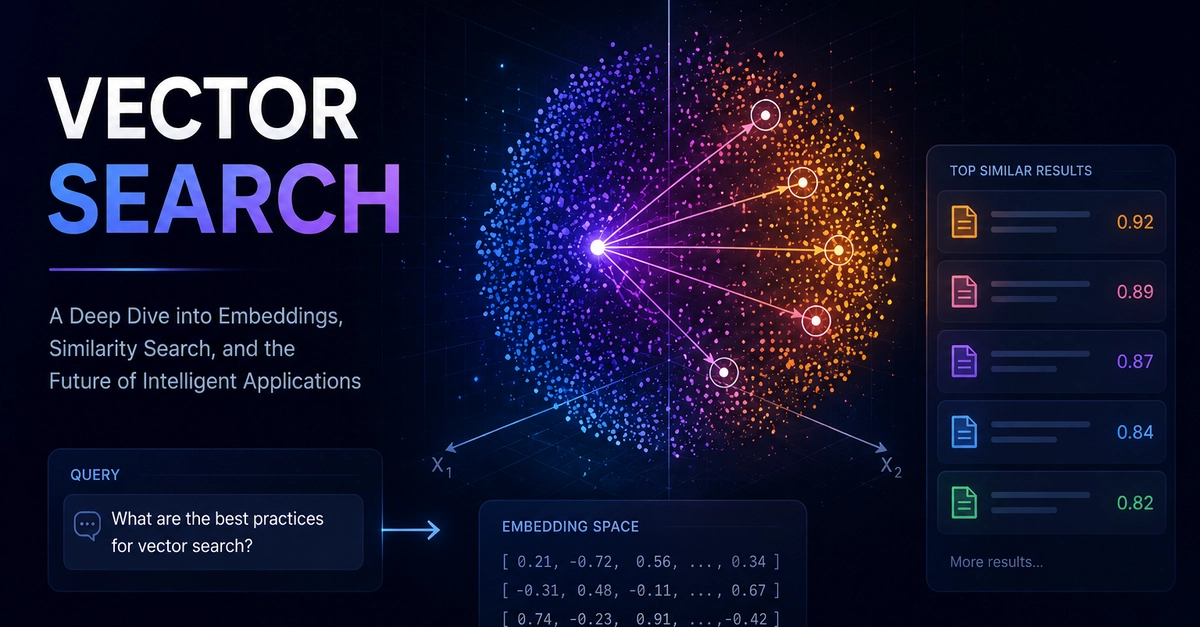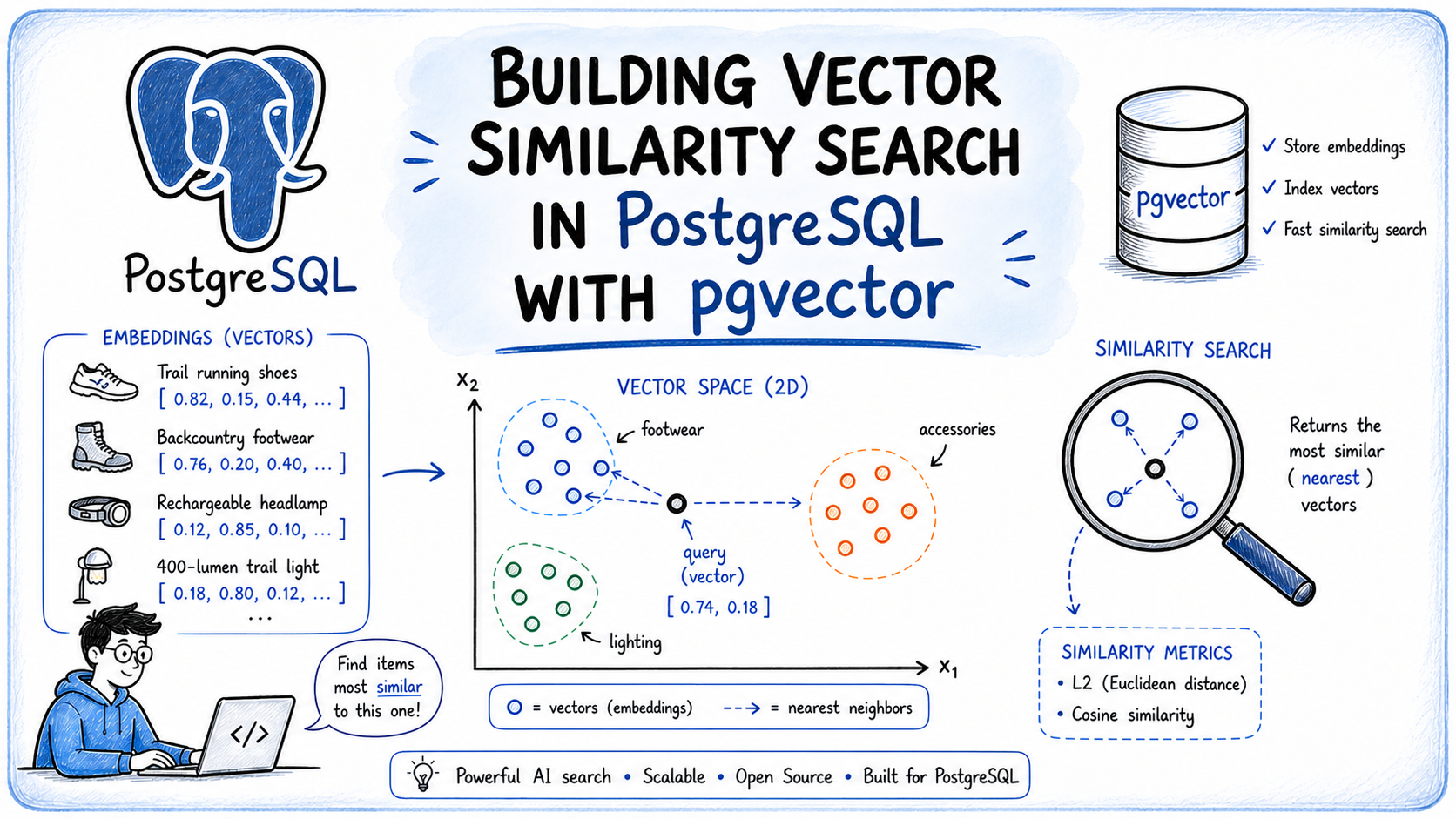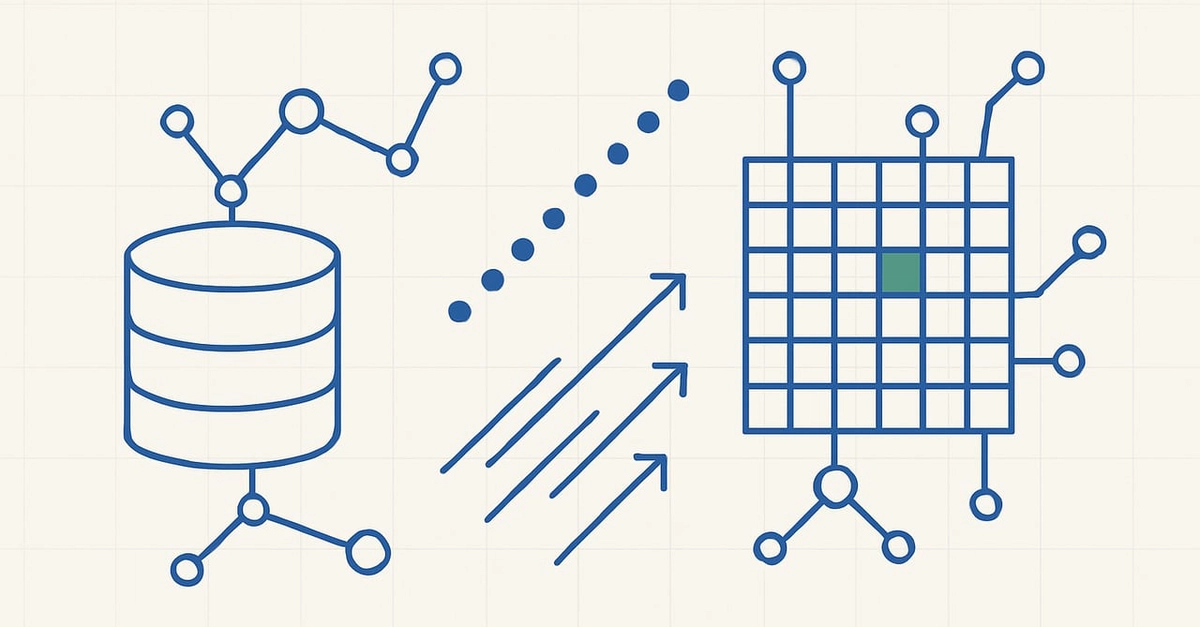
In this tutorial, we build a complete pgvector playground inside Google Colab and explore how PostgreSQL can work as a powerful vector database for modern AI applications. We start by installing PostgreSQL, compiling the pgvector extension, connecting through Psycopg, and registering vector types for smooth Python integration. Then, we create embeddings with SentenceTransformers, store them in PostgreSQL, build HNSW indexes, and run semantic search, filtered search, distance metric comparisons, half-precision storage, binary quantization, sparse vector search, hybrid retrieval, and vector aggregation. Through this workflow, we learn how pgvector supports practical retrieval-augmented generation, recommendation, similarity search, and hybrid search systems using only open-source tools.
import os
import subprocess
import sys
import time