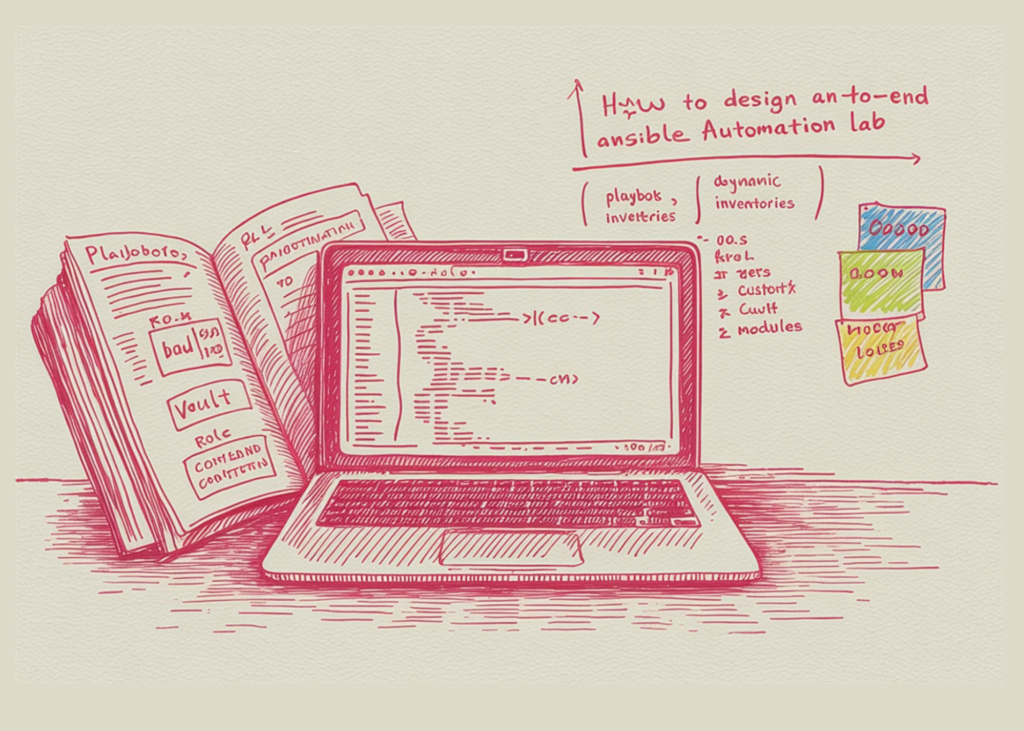
In this tutorial, we build a complete Ansible lab that runs end-to-end in Google Colab or any Linux environment. We start by installing ansible-core, setting up a local workspace, creating an Ansible configuration file, and defining both static and dynamic inventories. We then explore key Ansible concepts, including group variables, host variables, variable precedence, ad hoc commands, playbooks, loops, conditionals, registered outputs, facts, templates, custom filters, custom modules, roles, handlers, tags, dry runs, idempotency, and Ansible Vault. Since every host runs locally, we practice these concepts safely without needing SSH keys, remote servers, or cloud infrastructure.
import os, sys, subprocess, textwrap, stat
BASE = "/content/ansible_lab" if os.path.isdir("/content") else os.path.expanduser("~/ansible_lab")
os.makedirs(BASE, exist_ok=True)
ENV = os.environ.copy()