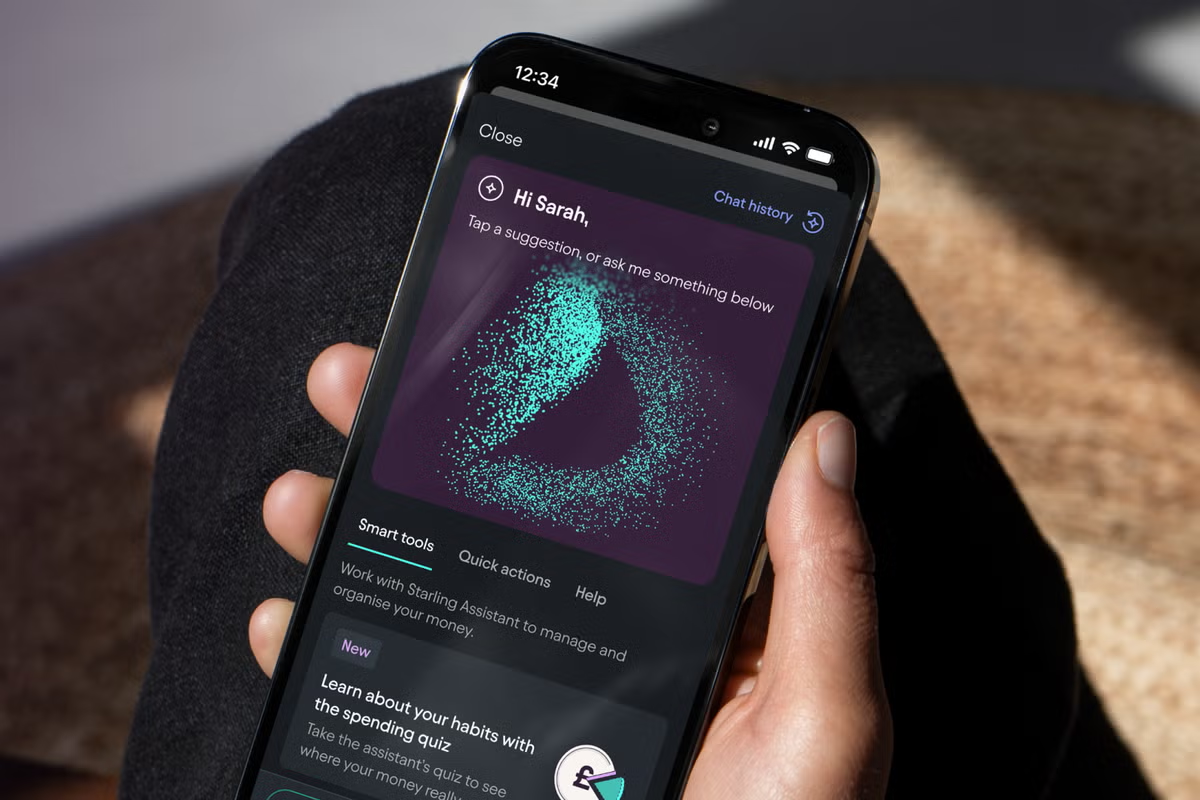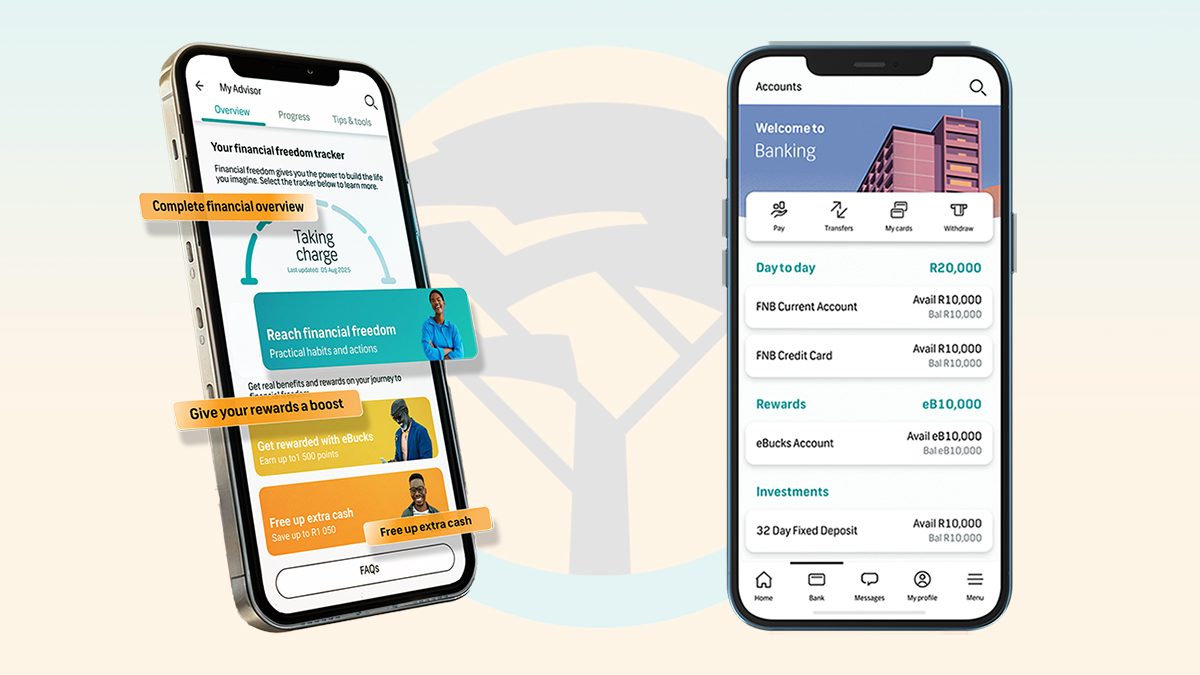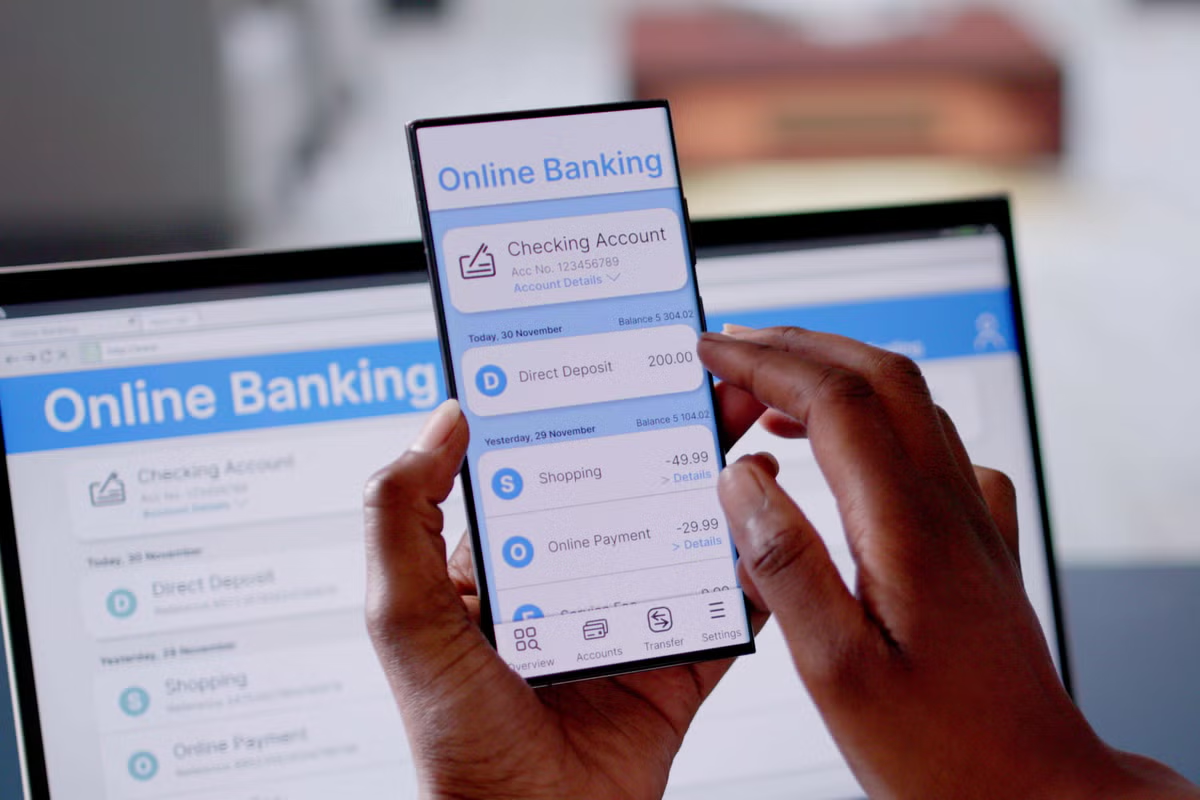
Most people just use banking apps for their day-to-day financial needs – but new research suggests such digital tools could save users thousands of pounds if used smartly.Digital helpers like budgeting alerts that warn before accounts slip into the red, features that highlight better mortgage or credit card deals, and in-app steps for tackling debt or providing timely investment information can add up to around £3,500 per household over 10 years, according to a study commissioned by Lloyds Banking Group.The figure comes from trimming unnecessary costs, improving returns, and helping people spot money risks before they become difficult to manage.The research was led by John Gathergood, a professor of financial economics at the University of Nottingham, who says the findings suggest that being smarter with the use of banking apps over the next decade could unlock around £100billion in economic value for the nation.“Most adults in the UK now use digital banking – even among the over-70s a majority are using it – and we would strongly encourage everyone to start making use of these features as they increasingly become available,” he advises.“They’ll find there’s loads of benefits, and it doesn’t need you to be a tech whiz – increasingly, the interface is becoming more natural and more easy to work with, which spreads the benefits more widely.”And Jas Singh, CEO consumer relationships at Lloyds Banking Group, adds: “If digital banking makes it easier to switch to a better mortgage deal, understand your credit position, manage debt more effectively or build savings, the benefits are not only meaningful for individuals and families but, repeated day after day, across millions of lives, they can really add up to something much bigger.”The report identifies seven areas where banking apps could either currently help customers to save or make money, or will be able to do so within the next five to 10 years.Get a free fractional share worth up to £100.Capital at risk.Terms and conditions apply.Go to websiteADVERTISEMENTGet a free fractional share worth up to £100.Capital at risk.Terms and conditions apply.Go to websiteADVERTISEMENT“This covers some of the biggest areas in people’s financial lives and shows where digital tools can make a real difference,” says Gathergood, who stresses that the savings and earnings won’t appear overnight, but will build as digital tools become smarter, more personalised and more widely used in everyday life.The seven areas where digital banking can or will make a big financial difference if used smartly are…1. Accessible investingA lot of people have savings which they keep in products like cash ISAs for long periods, says Gathergood, who points out that these people are missing out by not investing their money in diversified funds in the stock market, for example.(Alamy/PA)“Tech is going to be able to identify those individuals, and deliver them options and nudges, like ‘Have you thought about stocks and shares, or ready-made investments, which are right for your age and your risk profile?’.“It’s about making investing accessible to the much wider population.”Gathergood says banking app tech is currently “on the edge of that journey”, and adds: “Providers are starting to do that, so this one is really coming live right now.”2. Smarter debt managementGathergood says that while many people have consumer credit such as credit cards or personal loans, often they don’t manage these debts in a way that would save them money.“So you might have a credit card bill that needs to be paid off, and some money in a savings account, so you could pay down that credit card bill with the savings.“Providers are going to be able to see that, and present to the consumer the idea that if we joined up your finances better, you could save some money. It’s about a £15billion saving to be made for UK households by taking those kind of opportunities.”Providers are starting to introduce these debt financing solutions, he says.3. Mortgage switchingGathergood says most UK mortgages are short-term deals, fixed or discounted for perhaps two to five years.(Alamy/PA)But he points out many people are slow to arrange another deal when their existing one is due to finish, and says: “What tech allows us to do is look at the individual’s mortgage position, consider the potential deals, and put those in front of people when their mortgage is coming to an end.“So rather than wait for the customer to realise, it can actually put the suggestion in front of them, and that’s something which has been happening for a few years.”4. Credit access and choiceTo get hold of credit products, people need to have a credit history and a credit score, and Gathergood says there’s “quite a big problem”, mainly among the younger generation and migrants, who don’t have a credit history because they’ve never taken out any form of credit.But Gathergood says there’s other data such as making regular rent payments, for example, which isn’t entered on credit files because landlords don’t report whether tenants have paid their rent to a credit reference agency.He says: “There are new forms of data that could be shared to embellish your credit history, that historically haven’t entered into credit files. The more we can use to supplement credit files, we can build a much bigger picture of people to allow them to obtain a credit score much faster. This is a really important point for financial inclusion, and this tech is there.”5. Insurance optimisationThis is about identifying the correct insurance needed, through using transaction data to identify risks. Gathergood explains: “For example, in the transaction data we might see that someone has recently had children because they’re claiming child benefit, so it might be suggested that there’s an increased need for life insurance.”The banking app would also quantify how much home and contents insurance a person might need through transaction data, income etc. However, Gathergood says banking apps can’t do this at the moment, and it should be possible within the next five to 10 years.6. Smarter money managementGathergood explains that people might be paying high interest on an overdraft or credit card balance, for example, when they have savings elsewhere that could pay off the debt,“It’s about seeing the bigger picture and avoiding those kind of mistakes,” he says. “Apps are starting to inform people if they go into something which might penalise their credit score, like an unauthorised overdraft, and say if there’s money in their current account that could be used to pay it off.“But I think in the future we’ll see access across banks, where you’ve got savings with one provider and a credit card with another, and with smart data we can bring information from those two providers together, so that you can make the right overall choice.”Some financial apps are already bringing this in, he says.7. Financial capabilityFinancial empowerment brings data and tech together so people can make better choices, says Gathergood, who stresses: “The power is still in the hands of the individual who has to push the button to authorise the transaction. It’s right that we don’t automate our decisions with tech, because that could be dangerous.“An improvement in financial capability in the population, together with better ways of banking apps interacting with customers, can underpin about another £8billion of savings through people adopting better choices.”
How smarter use of digital banking could save you thousands of pounds
Financial experts explain how money can be saved by using banking apps to get better credit card and mortgage deals plus debt and investment advice.
1,204 words~5 min read