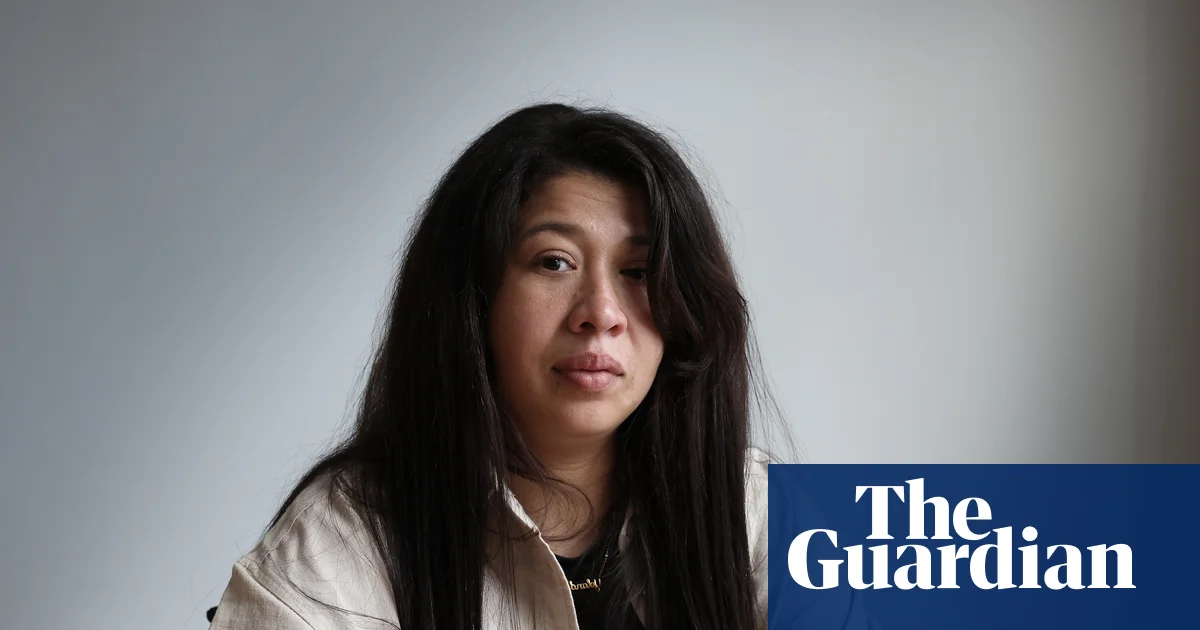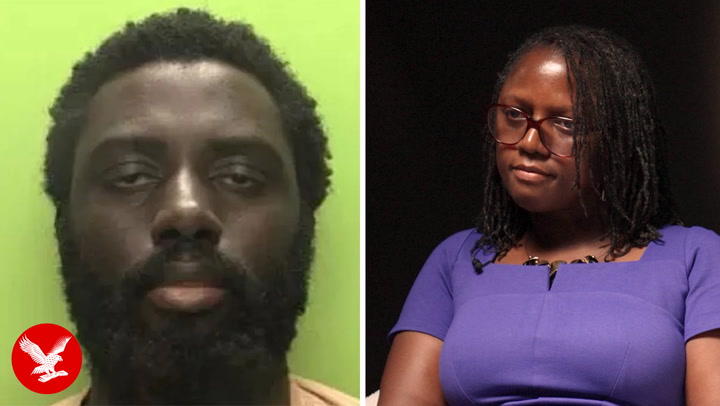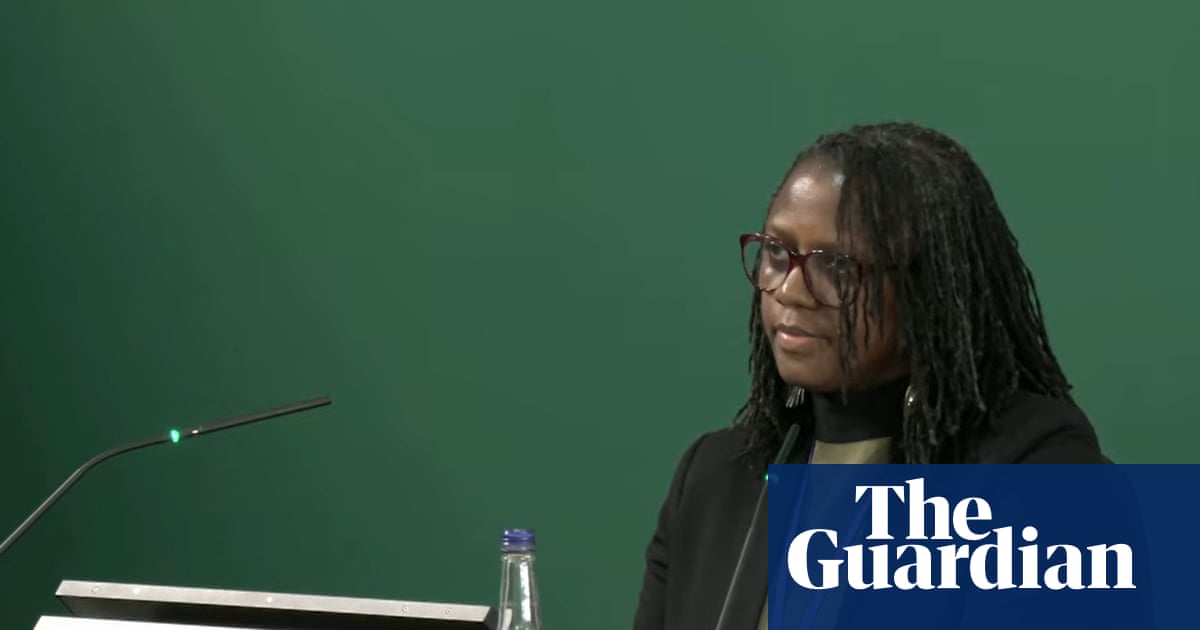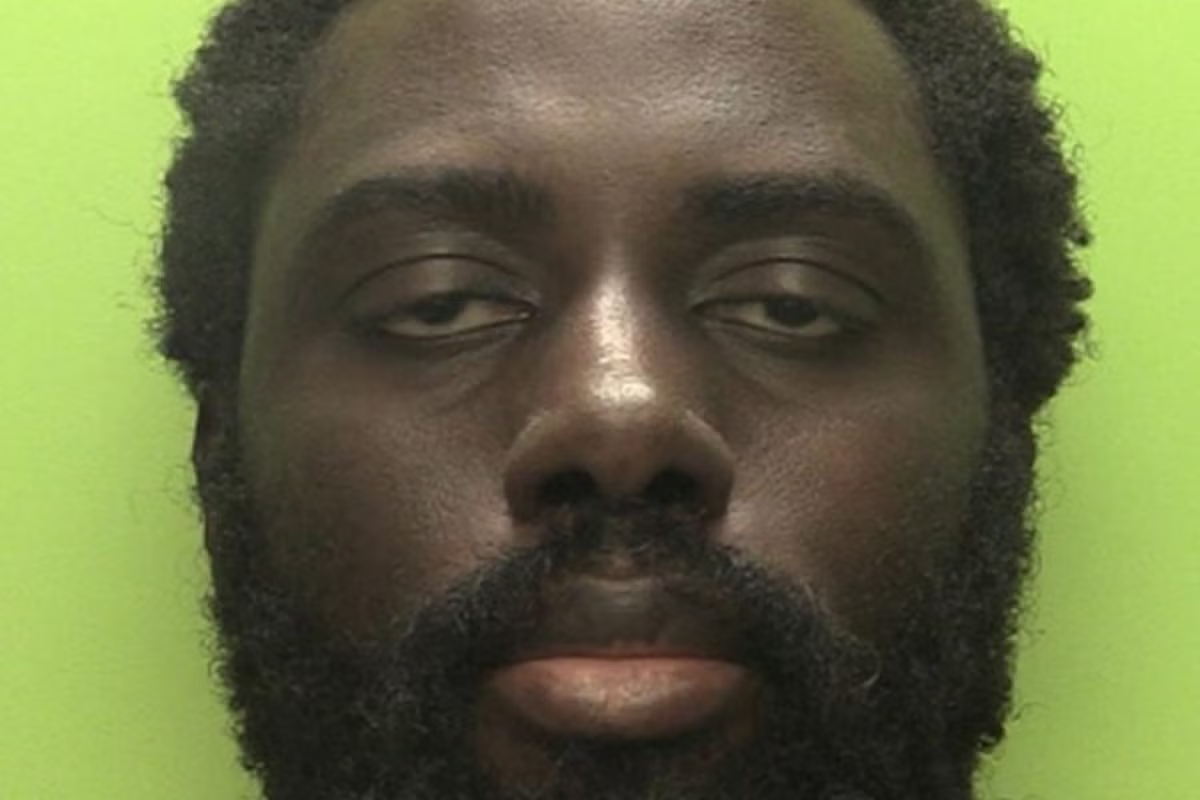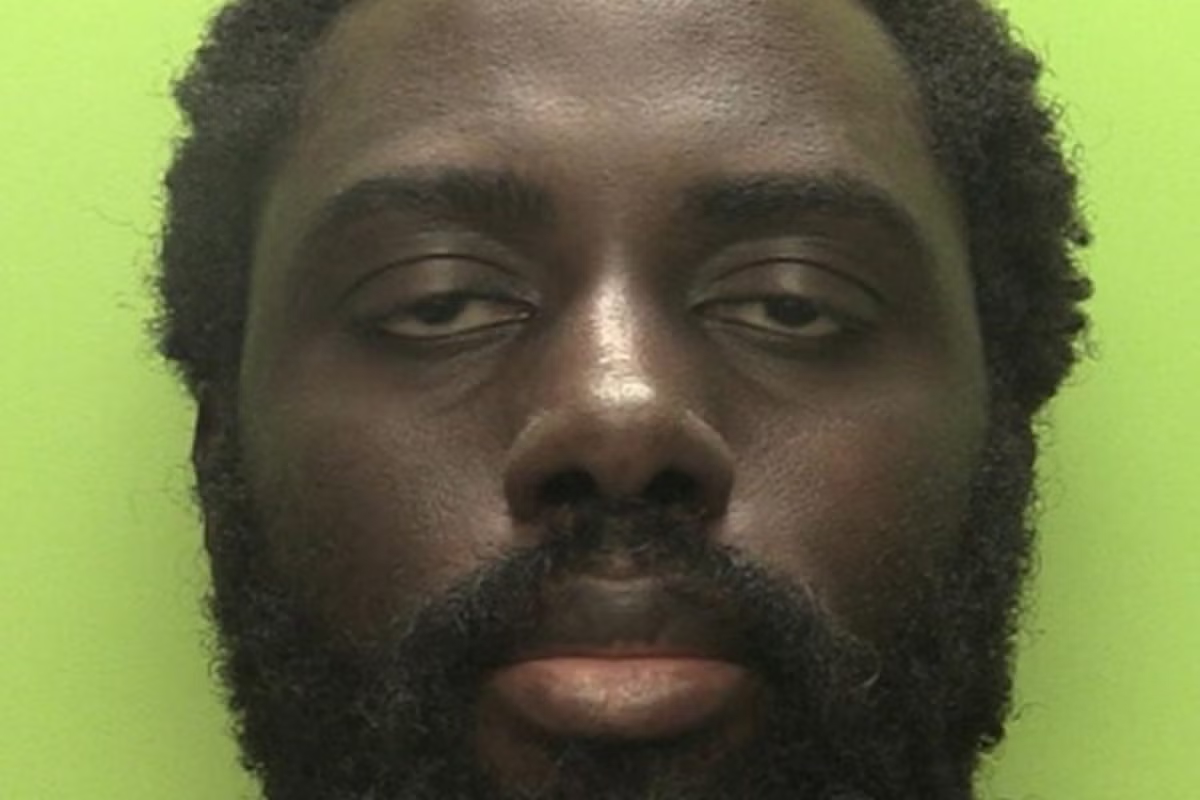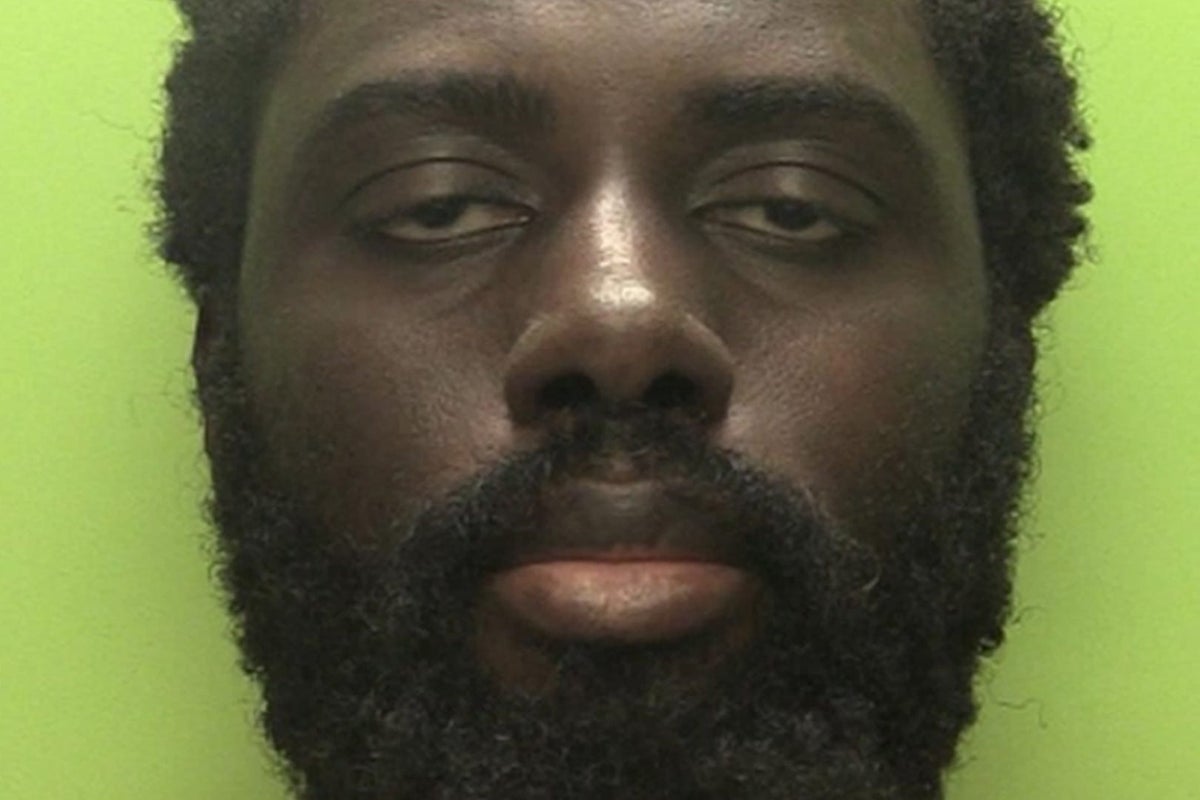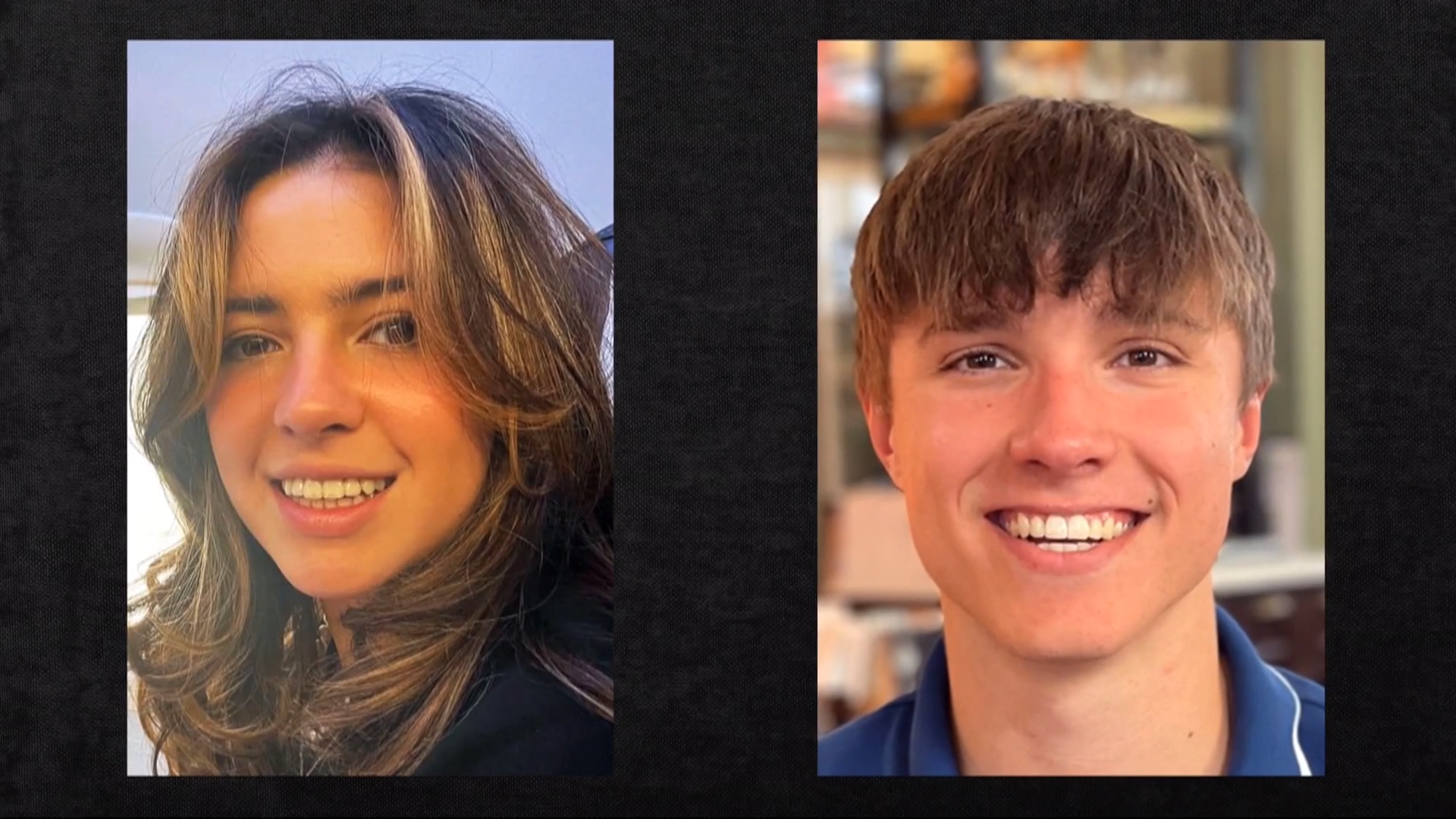
In May 2020, Celeste Calocane received a phone call that would change the course of her family’s life – and destroy the lives of dozens of others. Her son Valdo Calocane – once a quiet, studious pupil who regularly attended church – had been arrested for breaking into a neighbour's flat, wrongly believing his mother was being attacked. That woman had become so scared that she jumped out of her second-floor window and broke her spine. "I didn't believe what they were telling me,” she recalls. “I say: ‘No, that's not [Valdo]... don't tell me that. That's not my son. That's not his character.”Ms Calocane was told her son, who had not had any severe mental health concerns before, had been suffering from a psychotic episode at the time.It marked the start of Calocane's mental health demise, which resulted in a string of run-ins with police and violent episodes, throwing him into a cycle of admission and discharge at his local mental health unit. It was also the start of a terrifying new chapter for Ms Calocane, whose life became dominated by trying to get help for her son – and living in fear of the next phone call.In June 2023, that call finally came. Calocane, equipped with a rucksack of weapons, had killed three people – history student Barnaby Webber, aspiring medic Grace O'Malley-Kumar, both 19, and caretaker Ian Coates, 65 – during knife attacks in Nottingham. He then stole Mr Coates’ van and ploughed into three other people – Wayne Birkett, Sharon Miller, and Marcin Gawronski – leaving them seriously injured. The attacks devastated the city and shocked the nation. Counterterror police were deployed, though it was never declared a terror incident.Calocane later pleaded guilty to manslaughter on the basis of diminished responsibility as a result of his paranoid schizophrenia – a condition diagnosed after his arrest in 2020. He is currently detained under an indefinite hospital order at high-security Ashworth High Secure mental health hospital in Liverpool. Nottinghamshire Healthcare Foundation Trust discharged Valdo Calocane in September 2022 (Nottinghamshire Police)At his sentencing, Mr Justice Turner said the triple killer had been “governed by paranoid delusions” and he was satisfied with psychiatrists’ unanimous view that, if it were not for his schizophrenia, Calocane would not have committed those dreadful crimes.A public inquiry, ordered by Sir Keir Starmer, was launched. The inquiry, due to finish with public evidence hearings next week, will examine whether the attacks were preventable after it emerged there were multiple failings in Calocane’s care by Nottinghamshire Healthcare NHS Foundation Trust before the attack took place. Two independent reports were also carried out into NHS failings, with one finding the care and treatment available to Calocane before the attacks “was not always sufficient to meet his needs” – prompting health officials to admit it was “clear the system got it wrong”. Another damning report by the health watchdog, the Care Quality Commission, said people under the care of the trust “struggled to access the care they needed when they needed it, putting themselves and potentially members of the public at risk of harm.”‘A gaping hole’Calocane, a university student, had been under the care of local mental health services and had repeatedly suffered mental health crises, leading him to be admitted four times to mental health hospitals in Nottingham, including Highbury Hospital, and hospitals run by the Priory Group and Cygnet Healthcare, between 2020 and 2022. But following each admission, he was discharged back to a community team. During that time, he stopped taking his medication and attending appointments. Eventually, in September 2022, he was discharged into the care of his GP without a risk assessment or follow-up from mental health services and despite concerns he was at risk of violent behaviour. The inquiry later heard Calocane was discharged because the community team “could not find him”. Ian Coates, Barnaby Webber and Grace O’Malley-Kumar were killed in Colocane’s attacks (Nottinghamshire Police/PA) (PA Media)Speaking exclusively for the first time since the inquiry was launched, Ms Calocane and her younger son, Elias Calocane, told The Independent they believe the government must accept responsibility for the systemic failings which allowed Calocane to slip through the net and failed to prevent the devastating killings on 13 June.“I've heard people say Valdo, or people like Valdo, fall through the cracks,” Elias, a graduate from Cambridge University, said. “But I think the system itself is a gaping hole. I think you're fortunate if you don't fall through.”Ms Calocane said she believed people with severe mental illness, such as her son, are not getting the right treatment but are “calling the service every day for help, and then they're not getting that help.”“The sorrow is so deep, my sorrow for those people,” she said. Calocane, who from the age of 16 lived in Haverfordwest, Pembrokeshire, first developed anxiety and paranoia in 2020, after he moved to Nottingham to study mechanical engineering at university. Doctors originally put it down to a combination of stress, sleep deprivation and isolation during the Covid lockdown. But, shortly after he was arrested in May 2020, he was diagnosed with psychosis and months later, paranoid schizophrenia, a condition that can cause people to experience paranoid delusions, hear voices or see things that others do not. ‘No system at all’In the months leading up to the Nottingham attacks, Calocane’s mental health seriously deteriorated, and he began to withdraw from his family.After her son was first detained in hospital, Ms Calocane said she had hoped he would get the treatment he needed. But he was discharged a month later into the care of the community-based, early intervention in psychosis team. Ms Calocane claims there was “no system at all” to help her son and said her repeated warnings to clinicians that her son was “not doing well” went unheeded. She said she was assured by doctors that he was fine because he wasn’t in an “imminent crisis” and was “stable”.Celeste Calocane, was working as an intensive care nurse in Wales in 2020 (The Independent)Those moments of stability, however, didn’t last. Calocane stopped taking his medication, resulting in several more psychotic episodes. During this time, a damning NHS report found services did not properly assess the risk Calocane presented to himself and others and did not effectively consult with his family, who were kept in the dark about his condition. Elias, 30, described the clinicians treating his brother as “firefighting” in a system built to react to patients in crisis, stabilise them and discharge them – rather than to prevent things getting worse, leaving the family feeling “hopeless”.“The system did exactly what it's supposed to do in this case – it's firefighting, really. It doesn't really prevent fires. It reacts when the fire is there. But it doesn't prevent patients from getting worse.“So every time you're flipping the coin – is it gonna be a monumental tragedy or is it gonna be something that's relatively less bad but still bad?“You just get this build-up of crisis, until eventually something unimaginable happens.” Eventually, the unimaginable did happen. The inquiry heard that, after carrying out fatal stabbings, Calocane called his brother Elias and said it was the last time he would speak to him. Elias asked his brother if he was going to do something stupid and he responded that “it is already done”, the inquiry heard.When asked by the barristers why he did not call the police at that point, Elias said he had thought his brother had harmed himself, not others. The majority of patients with schizophrenia do not commit violent acts and a 2022 study from Oxford University suggested that the overall risk is low. Guidance from the UK mental health charity, Mind, states people with schizophrenia are more likely to be victims of a crime or harm themselves than others. Elias Calocane has called for the government to address systemic failings in mental healthcare (The Independent)‘It needs to stop’The family said the “systemic failings” in his case were just as devastating as those of the individual doctors and nurses and stem from inadequate funding for mental health services.Ms Calocane added: “This is beyond a personal failure. This is a systemic failure that has been going on for too long and it's destroying lives, and it needs to stop.”Some 1.8 million patients in England are waiting to access community mental health care services, while the number of beds in mental health hospitals fell from 23,515 in 2010 to 17,789 in 2024, leaving many patients without access to vital inpatient care.The proportion of overall NHS funding allocated to mental health for 2026-27 will also decrease to 8.4 per cent from 8.68 per cent in 2025-26 – the third consecutive annual drop.Between 2013 and 2023, there were more than 392 homicides by mental health patients, according to a freedom of information request by campaign group A Hundred Families. If the government does not change the tide on mental health funding, Ms Calocane said there was not “a shadow of a doubt” that more devastating deaths would occur.She said: “The government needs to sit down and check their priorities because mental health can go on to affect other lives if something goes wrong... like in Valdo’s case.“What happened to Valdo – it didn't just change my life. It changed seven other families, including us.”‘When will we learn a lesson?’The Calocanes said they are hopeful the Nottingham inquiry, which is set to publish a final report in Spring 2027, will bring about change. However, they said lessons should have been learned after the Ritchie inquiry, launched into the similar case of Christopher Clunis, who fatally stabbed Johnathan Zito in 1992. After that probe, assertive outreach teams – specialist psychosis teams based in the community – were launched under the Labour government in 1999, to manage patients who engage poorly with services and repeatedly relapse. But only around 30 per cent of the country is understood to have such a team, and there wasn’t one in place in Calocane’s area at the time of his attacks. Had Calocane been under one of these teams, his family believes he may never have deteriorated to the point of killing because earlier intervention and working more closely with teams he knew may have meant he would have engaged better with services.Elias said: “Someone, like Valdo – he was deeply paranoid about the services' involvement. The services who are trying to help him, he thought, were trying to harm him. One, two years down the line, his illness had progressed so much and he had this unshakable belief about the system. One thing that is said commonly with illnesses such as schizophrenia, if you treat it early, the earlier the better.” Celeste and Elias Calocane warn the mental health system is under resourced (The Independent)Ms Calocane added: “It [an assertive outreach team] would have changed the course. Probably, I wouldn't be sitting here talking to you today.“I've had enough of thinking lessons are gonna be learned. When will we learn a lesson? Do we need another three decades to learn? We haven't got time for that.”As for their son and brother, they remember him as the person he was before he got ill.Elias said: “A lot of people will only see Valdo as what he did, and it's completely understandable, given how devastating this has been for everyone involved – the bereaved, the survivors... lives have been changed forever, right?“I don't know how to explain, to people who might not be familiar with it, how devastating an illness like schizophrenia is, how much it does change a person, or how much it can change a person if untreated.”His mother added: “As I tell people, I've raised three wonderful kids – brilliant, moral and kind – with respect. Just the only difference, one of them went on to develop paranoid schizophrenia.” She added: “They're human beings with a severe mental health condition... They just need someone to understand what they need. What their therapeutic need is, is to help them.”Families' responseThe Independent approached the victims' families and survivors for comment on the issues raised around the NHS’s failings. David and Emma Webber, Barnaby’s parents, said in a statement: “While we recognise the Calocane family have themselves spoken about failures in mental health care, we do not share all of the views or evidence presented on their behalf during the inquiry.“As Barney's parents, the central issue for us remains the extensive and entirely avoidable systemic failures across multiple agencies that allowed these killings to happen. That is where our focus continues to lie.“We remain disappointed that certain questions around engagement, decision-making, and accountability have not been fully addressed during the inquiry process.”Valdo Calocane’s mother Celeste said the ‘system is broken’ evidence to the inquiry (PA Media)Grace’s father, Dr Sanjoy Kumar, said there had been systemic failures in Calocane’s case, but said he did not believe the issue was underfunding. He told The Independent: “Almost all the psychiatrists failed to do their duty adequately. “This was not because of underfunding – this was because mental health workers who came into contact with him didn't do their jobs.”He said he believed Calocane should have been sectioned, that staff should have checked he was taking his medication and that he should not have been discharged.Calocane’s mother and brother faced claims during the inquiry from barristers for the victims’ families that they did not communicate properly with doctors over Calocane’s risk of carrying out violence, which they say was reflected in text messages.Dr Kumar told The Independent that Calocane should have had more support from his family, pointing out, as heard in the inquiry, that Ms Calocane only visited her son less than a handful of times in the three years before the attacks.Asked about this in the inquiry, Ms Calocane said one of those years was during the Covid pandemic and that, in the months and years that followed, Calocane wanted to see his family less and less.Grace’s father also criticised Elias for failing to send on messages from Calocane, sent the night before the attack, to the police or crisis teams.During the inquiry, both Elias and Ms Calocane said they thought the main risk for Calocane was suicide, rather than harming others, but Dr Kumar suggested there was no evidence of potential self-harm. He told The Independent: “It’s all very good to blame a mental health system but not when that system also relies on the family being an integral part of the cure - this would be hypocritical.”If you are experiencing feelings of distress, or are struggling to cope, you can speak to the Samaritans, in confidence, on 116 123 (UK and ROI), email jo@samaritans.org, or visit the Samaritans website to find details of your nearest branch.
‘We tried to get help for my son. Then he killed three people’
Exclusive: Three years on from the devastating attacks in Nottingham by Valdo Calocane, a public inquiry is examining the failings that may have prevented that fateful day. The triple killer’s mother and brother tell Rebecca Thomas how they are urging politicians to look at the ‘systemic failings’ in mental health care – warning that the ‘decimation’ of funding for services is destroying lives
2,452 words~11 min read