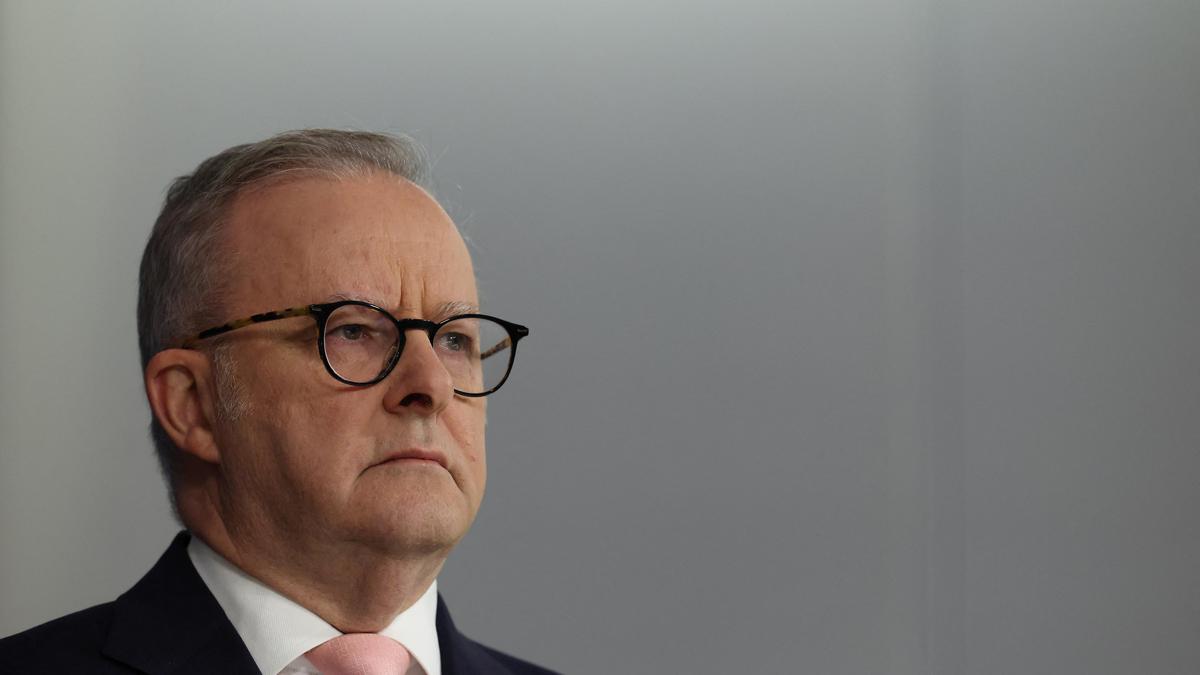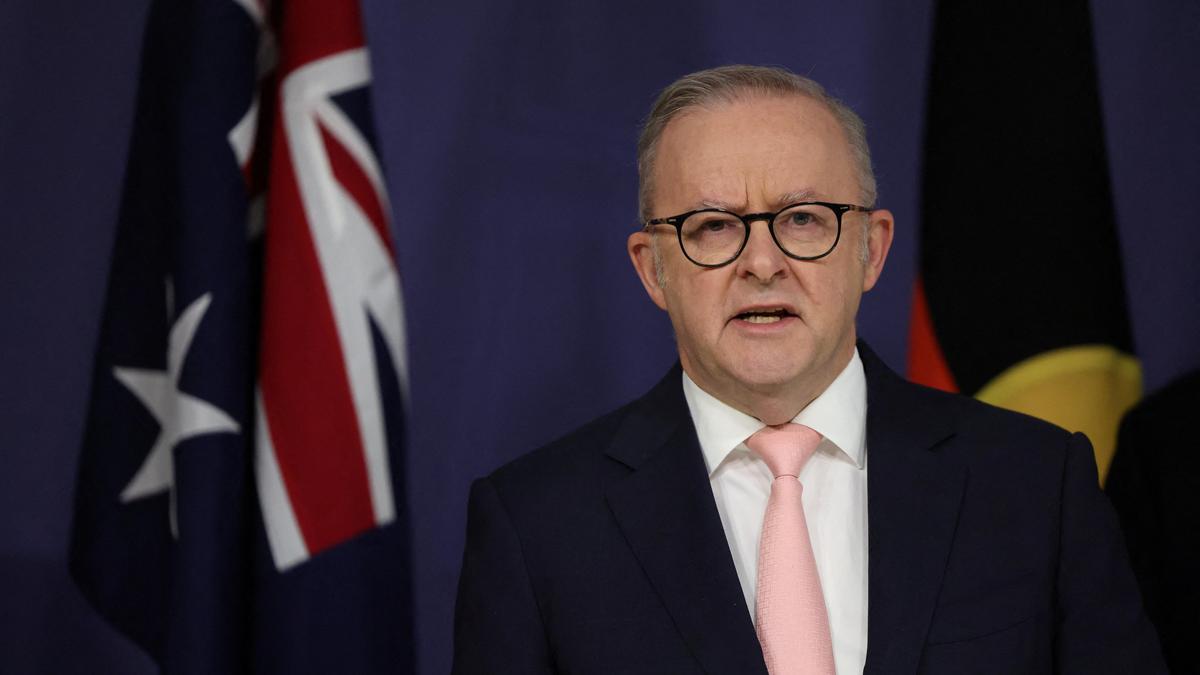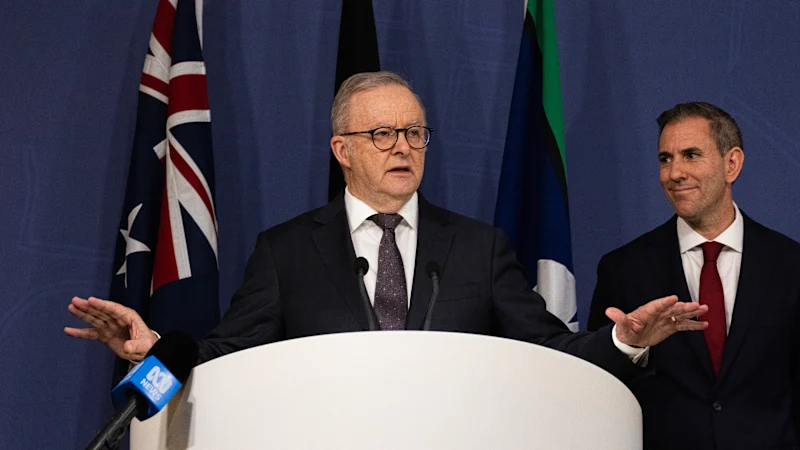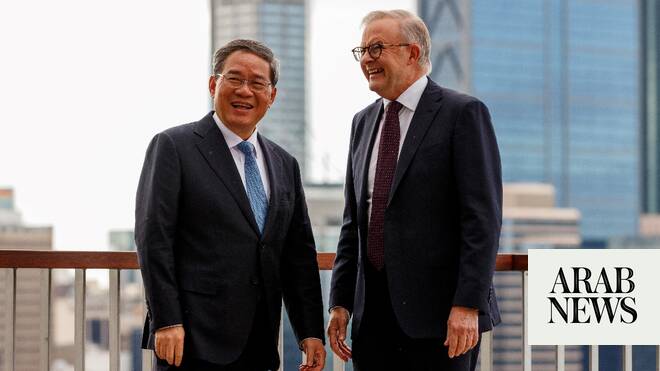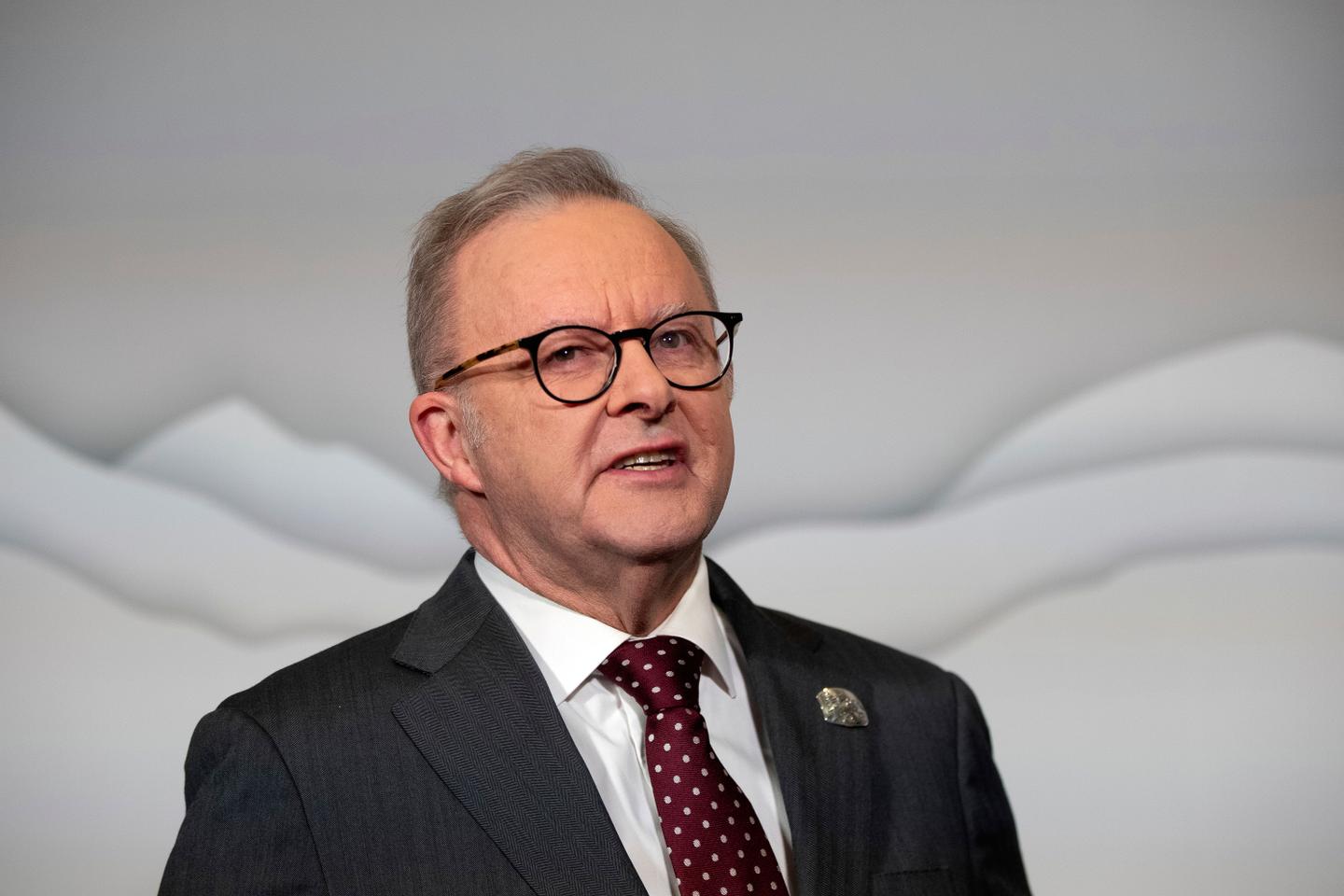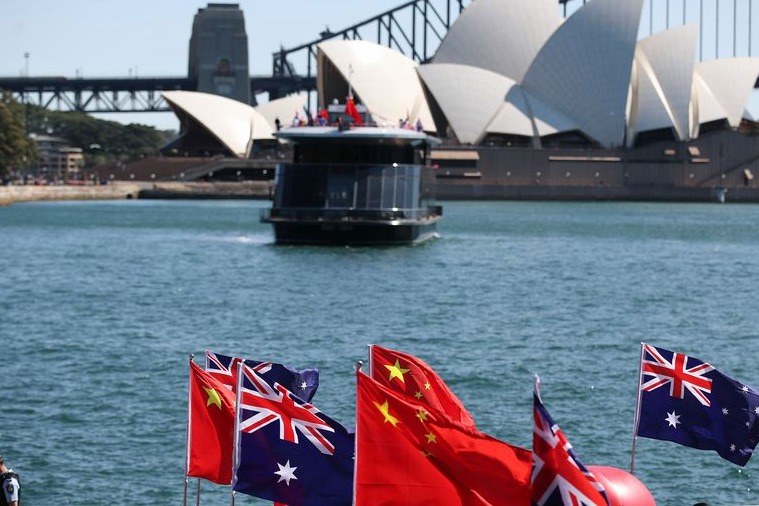
Australia-China relations reached a low point during COVID-19, when the Liberal Party's Scott Morrison was prime minister (2018-2022). But Anthony Albanese, the Labor Party prime minister who defeated Morrison in 2022, has been much more positive in promoting good relations between the two countries.
Albanese, who visited China in July last year and had a successful meeting with President Xi Jinping, has encouraged trade, educational and cultural relations and overall people-to-people relations. The atmosphere is certainly much brighter and more optimistic than it was.
However, the role of national security is too strong in the relationship and has long diminished mutual trust.
There is a school of thought that believes mutual trust doesn't matter in a bilateral relationship. Nevertheless, a relationship with mutual trust is stronger, better and more durable than one without, and I would like to see such a relationship between Australia and China.
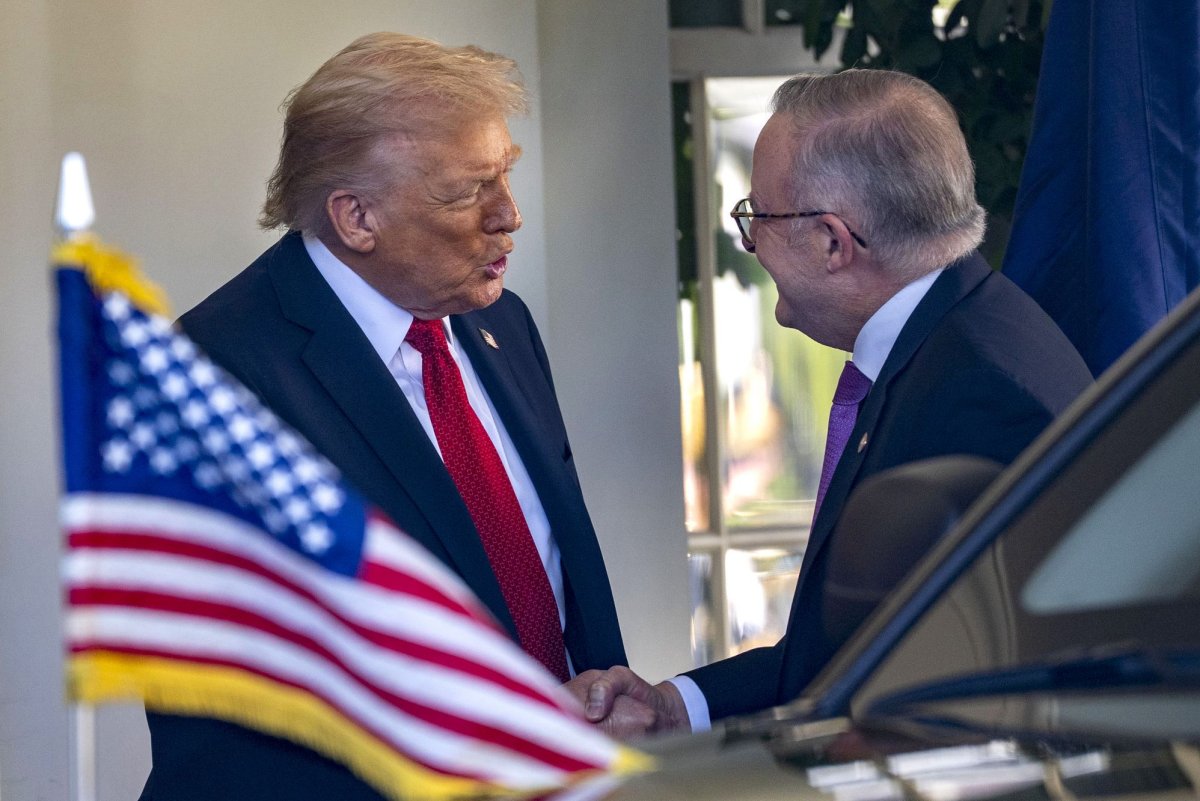
The fact is that many in Australia still regard China as a threat to their country's security. Under the AUKUS (Australia-United Kingdom-United States) security partnership agreement, signed in 2021, Australia agreed to buy high-class nuclear-powered submarines at the cost of up to A$368 billion ($263.6 billion) over the next three decades or so. And it is not even certain that they will be built. In my view, Australia mistakenly chooses to overrely on the UK and the US, unwisely prioritizing trust in the US to the point of sacrificing its own national sovereignty.