Rising curtailment pressure in central Vietnam, a long-running tariff dispute affecting 173 renewable energy projects, and a transmission investment gap that must grow fivefold to meet government targets are testing developer and lender confidence in one of Southeast Asia’s fastest-growing solar markets.
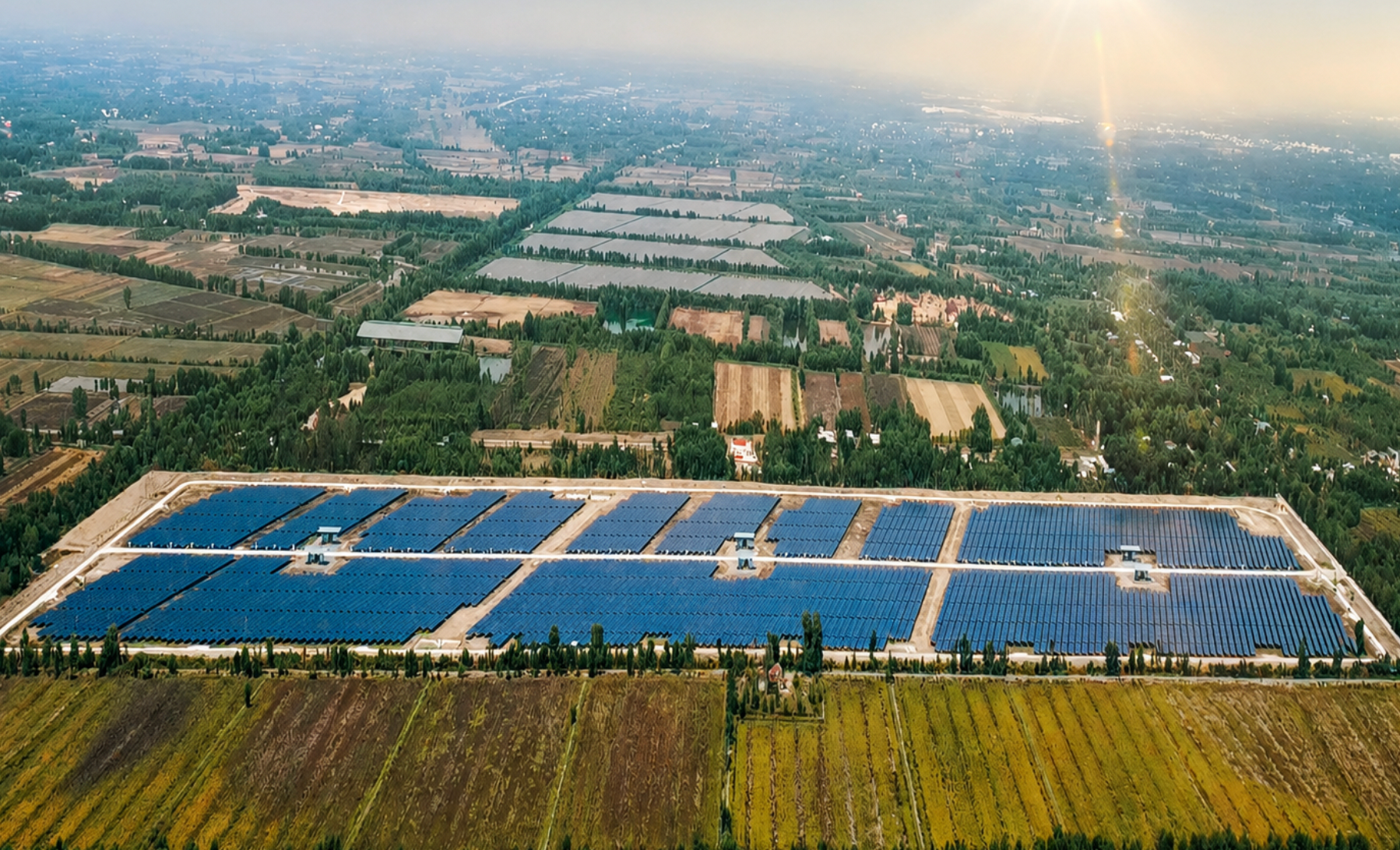
Vietnam’s solar sector has expanded rapidly under the revised Power Development Plan VIII, adopted in April 2025, which set a solar capacity target of 46 GW to 73 GW by 2030, up from an earlier government target of 12,836 MW. BloombergNEF forecasts the country reaching 39 GW to 43 GW of cumulative solar capacity by 2030, close to the government’s base-case target but well short of the high case.
Grid constraints
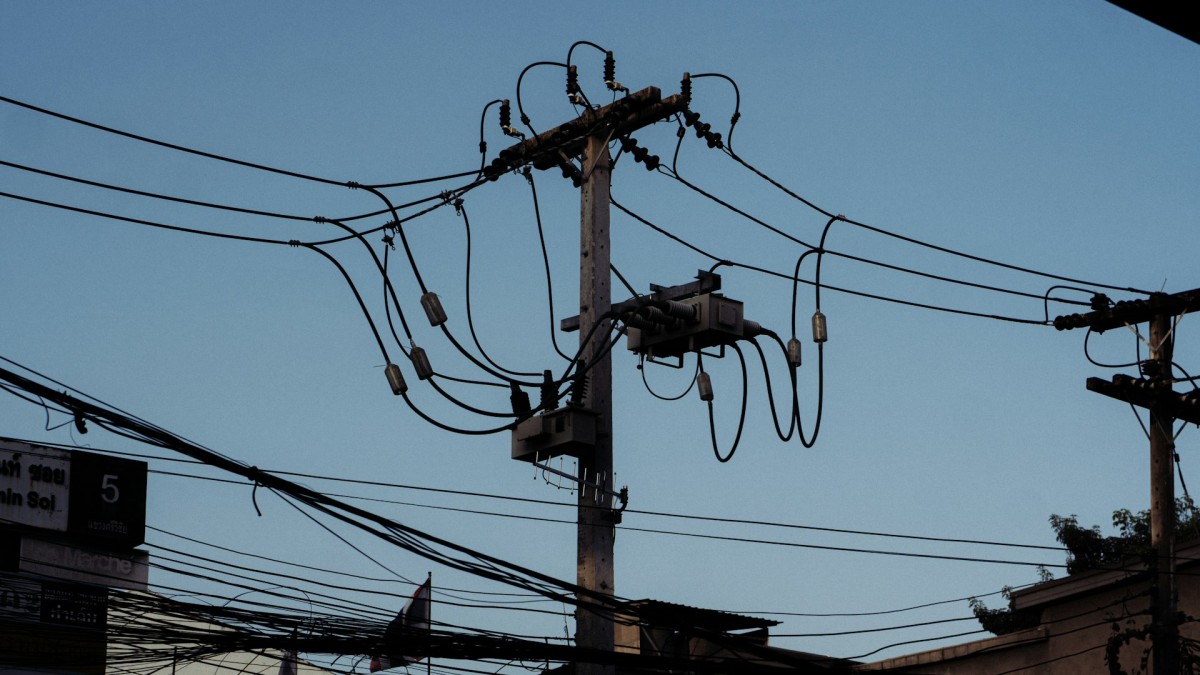
Grid infrastructure has not kept pace with generation. Capacity factors for solar in central Vietnam – the region where generation has most severely outrun evacuation capacity – deteriorated between the first quarters of 2025 and 2026, consistent with curtailment or grid constraint pressures.
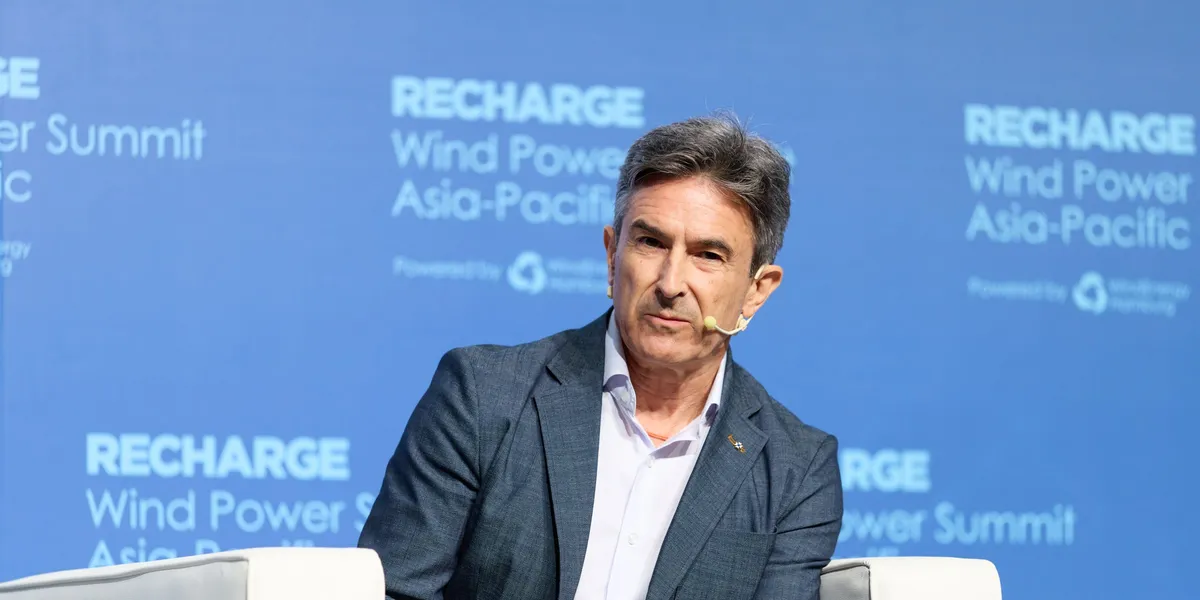
“From Ember’s report on Vietnam, we calculated the project return to be 6.1% IRR for solar utility and 7.3% for solar with battery,” said Dinita Setyawati, senior energy analyst for Asia at Ember. “We are not sure (what) the reduced rate is going to be, but ultimately, the revenue expected from solar and wind project could be around 10% to 12% for projects considered bankable.”