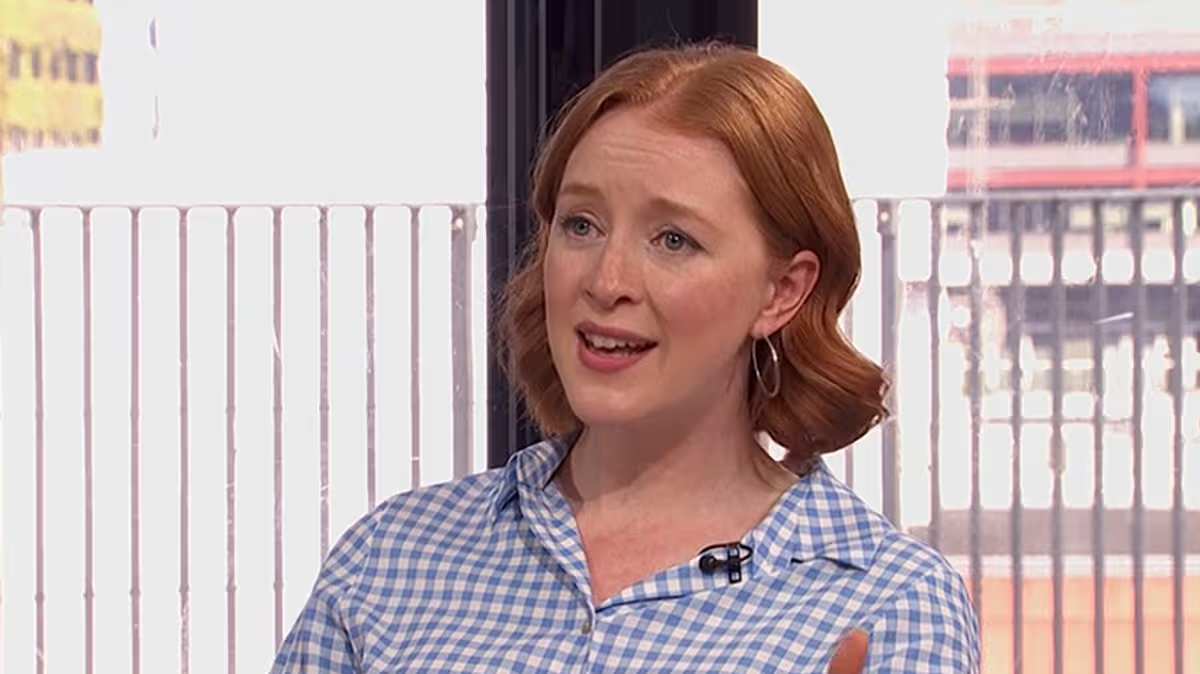
NewsHealthHealthThe BBC doctor urged people not to let ‘guilt’ stop them from getting help07:31, 29 May 2026Millions of unpaid carers work tirelessly to care for another person across the UK which can be to the detriment of their own physical, mental and emotional health if they aren’t taking enough breaks.On BBC’s Morning Live, Dr Kasim Ahmed warned many carers are reluctant to take a break or recognise that they need one because of the guilt they feel leaving the person they care for behind. However, getting enough rest is vital for carers to continue their difficult work. Dr Kas explained it can be like putting on an oxygen mask in a falling plane.He shared on Morning Live: “Right at the beginning of the plane (ride) you have the safety announcement. One of the things it says is if the oxygen masks fall down, what you need to be doing is putting on your own oxygen first before you help anyone else. If you've got your family nearby sometimes, ‘actually I just want to put their oxygen on first’ but if you’ve not got oxygen going into your brain, you're not going to be able to put their mask on properly.“You're both at risk and it's exactly the same here when it comes to being a carer and needing to take a break.”Dr Kas highlighted some different signs of carer’s fatigue that could signal to carers they need to a break to ‘put their oxygen mask on’. He said: “You potentially become more irritable, more angry in situations, feel helpless, you can feel lonely.“These are all different symptoms. So you won't have necessarily all to be together. One or two, could be a sign.”Fatigued carers may become more withdrawn, depressed and anxious with heightening feelings of guilt around doing things they enjoy, such as spending time with friends or doing their own hobbies.If the fatigue continues, it can even manifest in physical symptoms. Dr Kas highlighted the following as signs:Changes in sleep patternChanges in appetitePhysical strain or injuries especially if the care you provide involves manually moving a personHeadachesBloatingDr Kas said: “Those are signs that actually, something might not be right. You are experiencing fatigue and therefore, you might need to get some more support.”Article continues belowFatigue may even affect your behaviour and personal life, leaving you more stressed and angry over smaller things. This can affect relationships in your life including with the person you care for.Carers taking a break may be able to get help from a number of respite services, although this can differ depending on where they live.Respite care can vary from someone coming in to help with certain tasks to daycare centres and hospice for longer periods of care. If you want to arrange respite care, Dr Kas recommended going to your GP first who should be able to point you towards the right support and groups that can help you.Choose Daily Mirror as a 'Preferred Source' on Google News for quick access to the news you value.HealthBBCPeriods
Dr Kas warns of ‘internal symptoms’ for carers
The BBC doctor urged people not to let ‘guilt’ stop them from getting help
502 words~2 min read