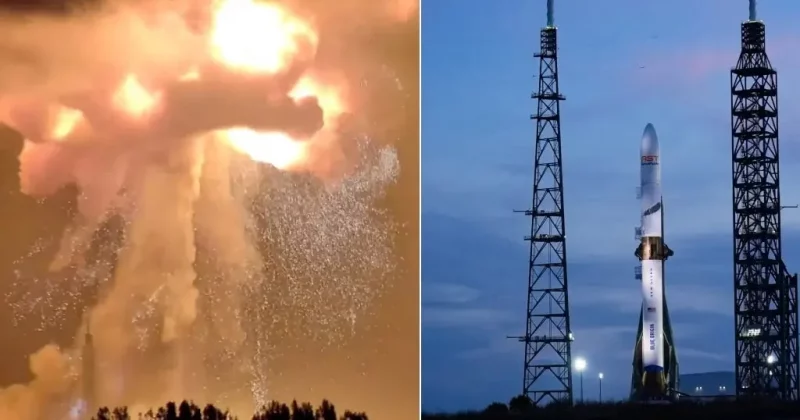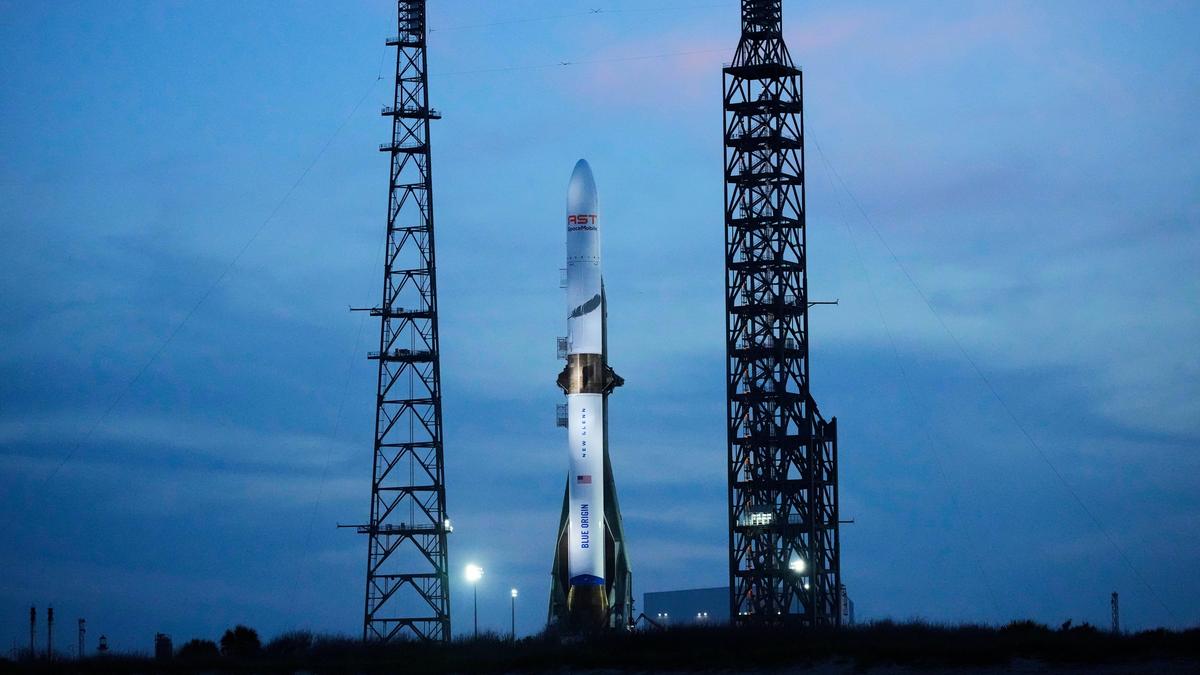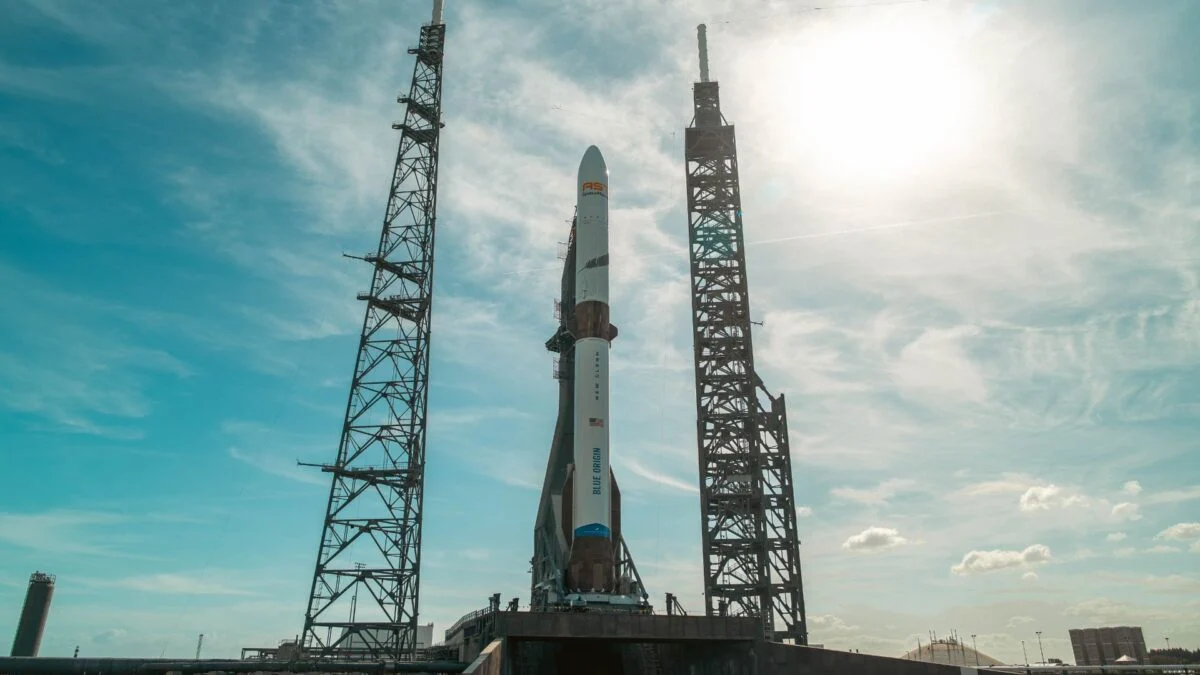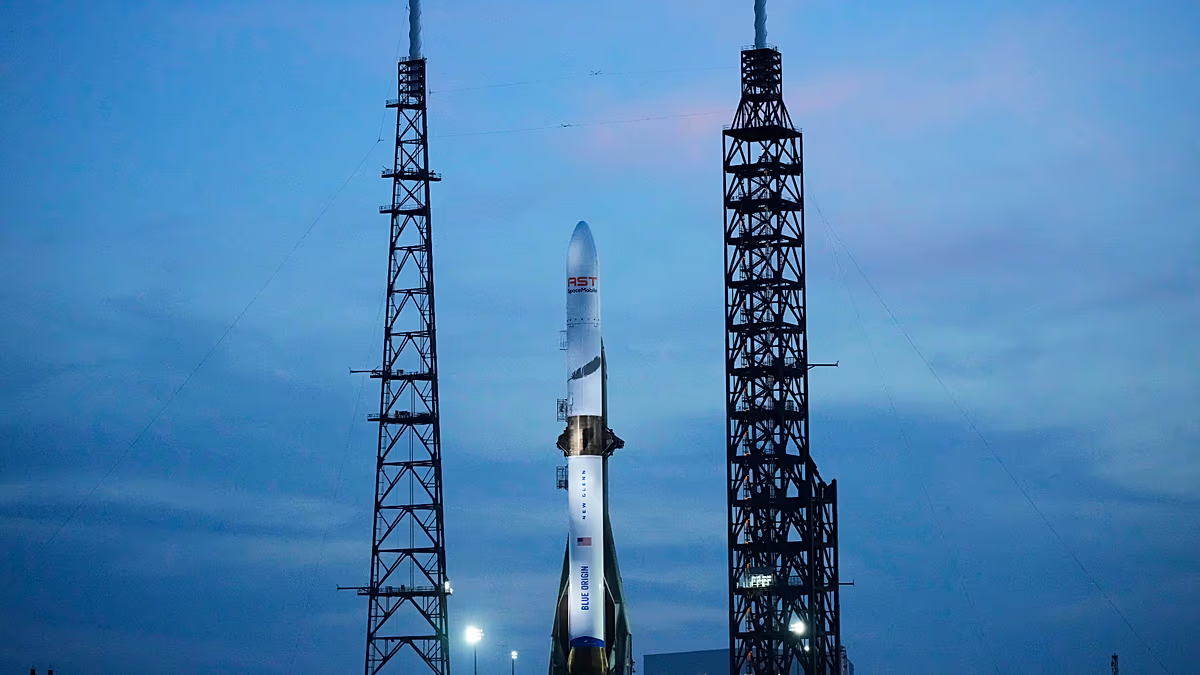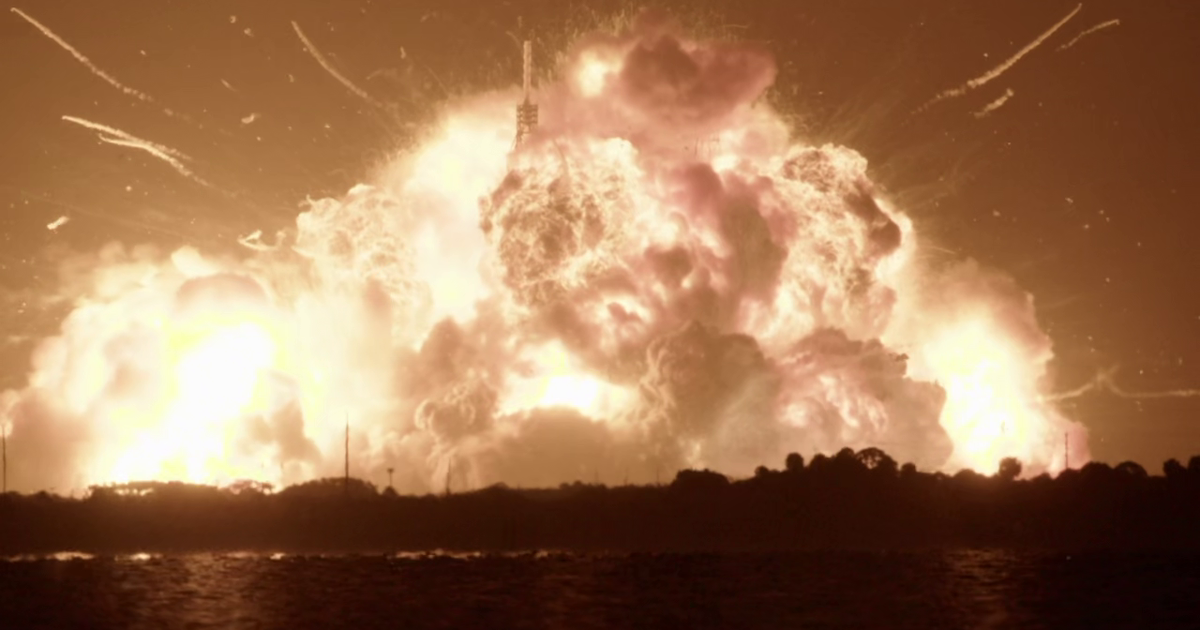
TL;DRBlue Origin’s New Glenn rocket exploded during a static fire test at Cape Canaveral on 28 May, destroying the vehicle, the erector-gantry, and a lightning tower at its only launch pad. The incident threatens Amazon’s satellite deployment deadline and comes one day after NASA awarded Blue Origin a $188 million Moon Base contract.
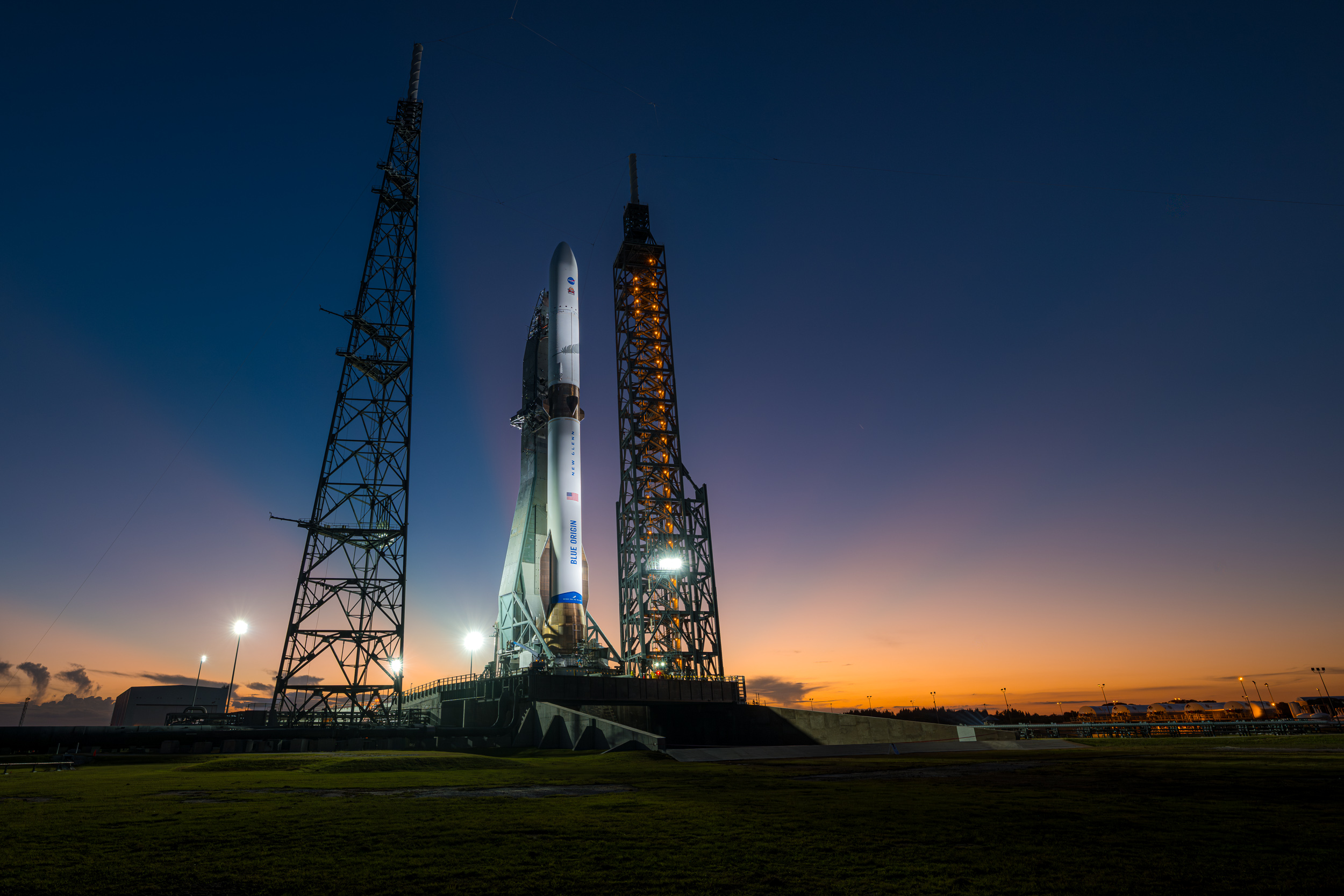
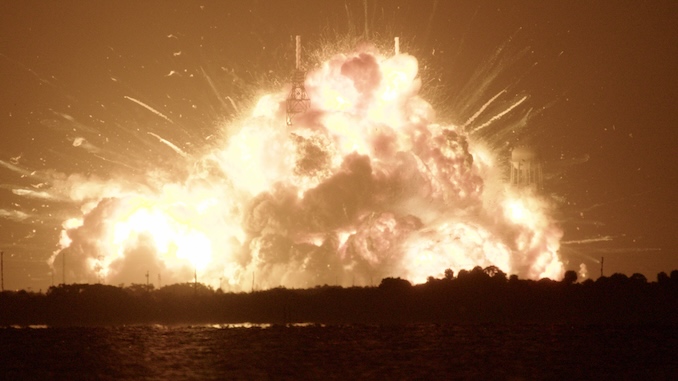
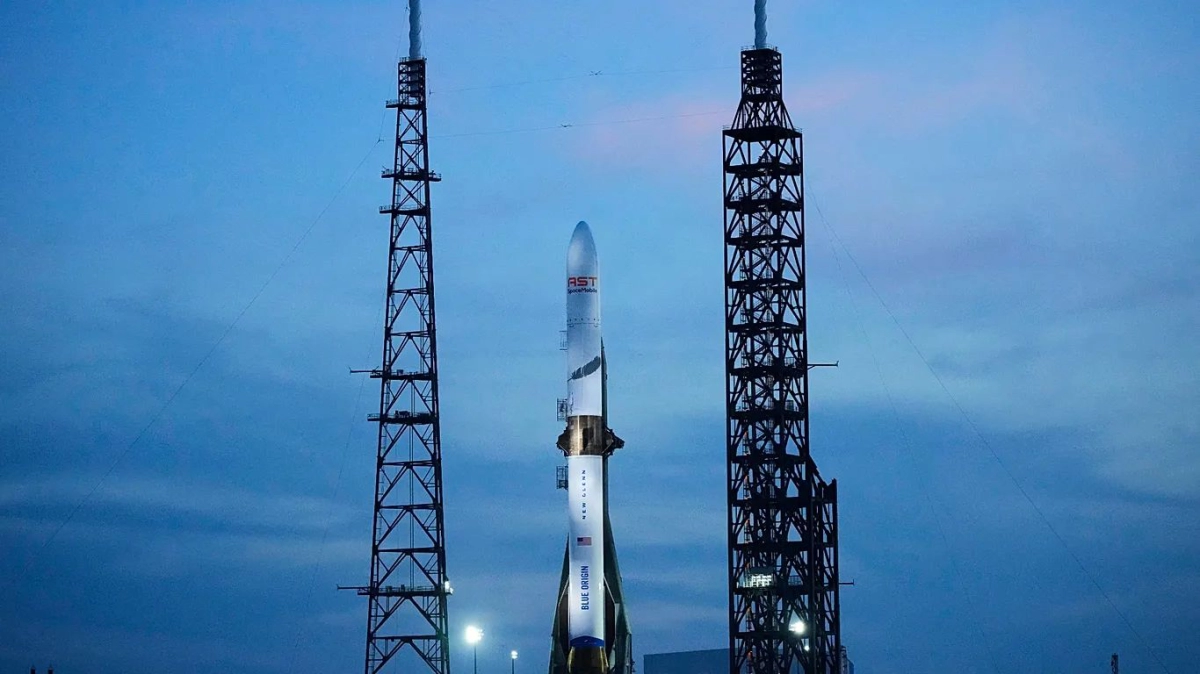
Blue Origin’s New Glenn rocket exploded during a static fire test at Cape Canaveral Space Force Station on Thursday night, sending a fireball into the sky and destroying the vehicle along with critical launch pad infrastructure. The explosion occurred at approximately 9pm EDT as engineers were counting down to a brief test firing of the rocket’s seven BE-4 methane-fuelled engines. The rocket was fully loaded with methane fuel and liquid oxygen when it detonated.
All personnel were accounted for and safe. Jeff Bezos posted on X shortly after the incident, saying it was too early to know the root cause but that the company would rebuild whatever needs rebuilding. Blue Origin described the event only as an “anomaly.”
The pad is gone
The 💜 of EU techThe latest rumblings from the EU tech scene, a story from our wise ol' founder Boris, and some questionable AI art. It's free, every week, in your inbox. Sign up now!The damage extends well beyond the rocket itself. As the smoke cleared, the erector-gantry used to move New Glenn from its hangar to the pad and raise it to vertical was no longer visible. One of two lightning towers had toppled. The explosion is one of the largest rocket failures in US history, and the first on-pad detonation at the Cape since a SpaceX Falcon 9 blew up on nearby pad 40 on 1 September 2016.