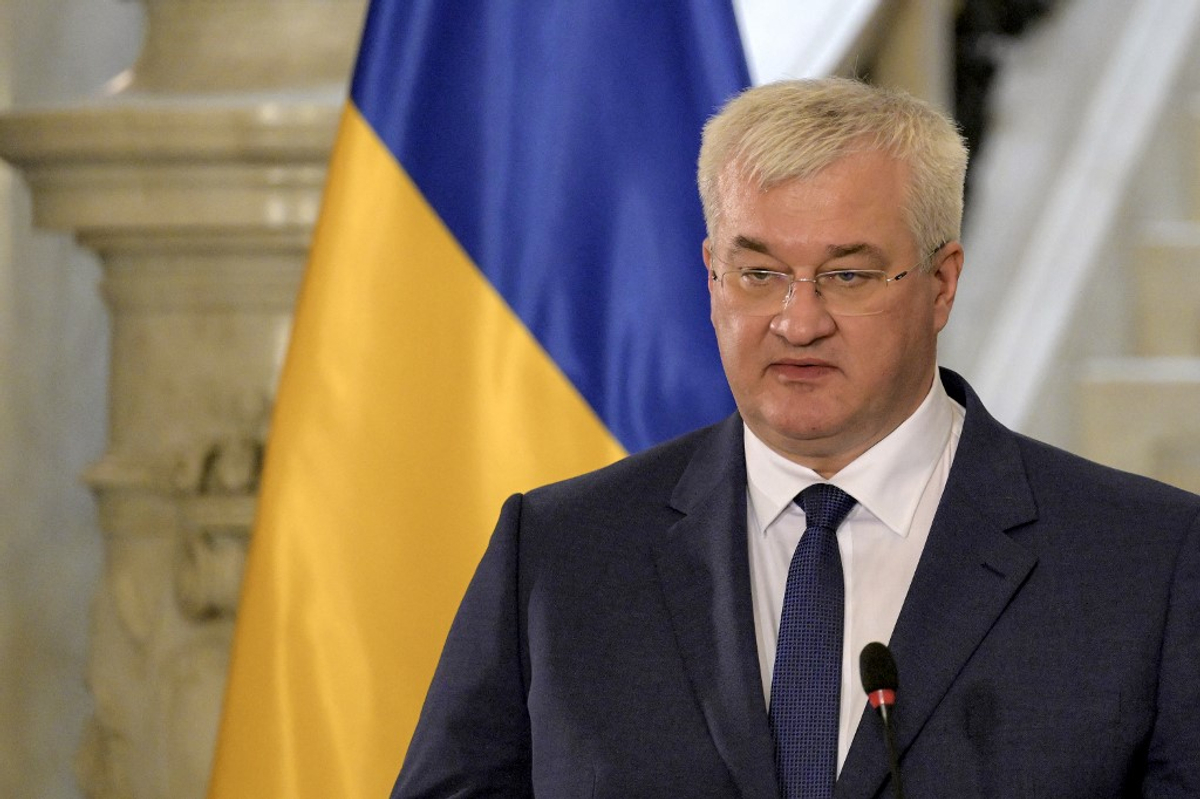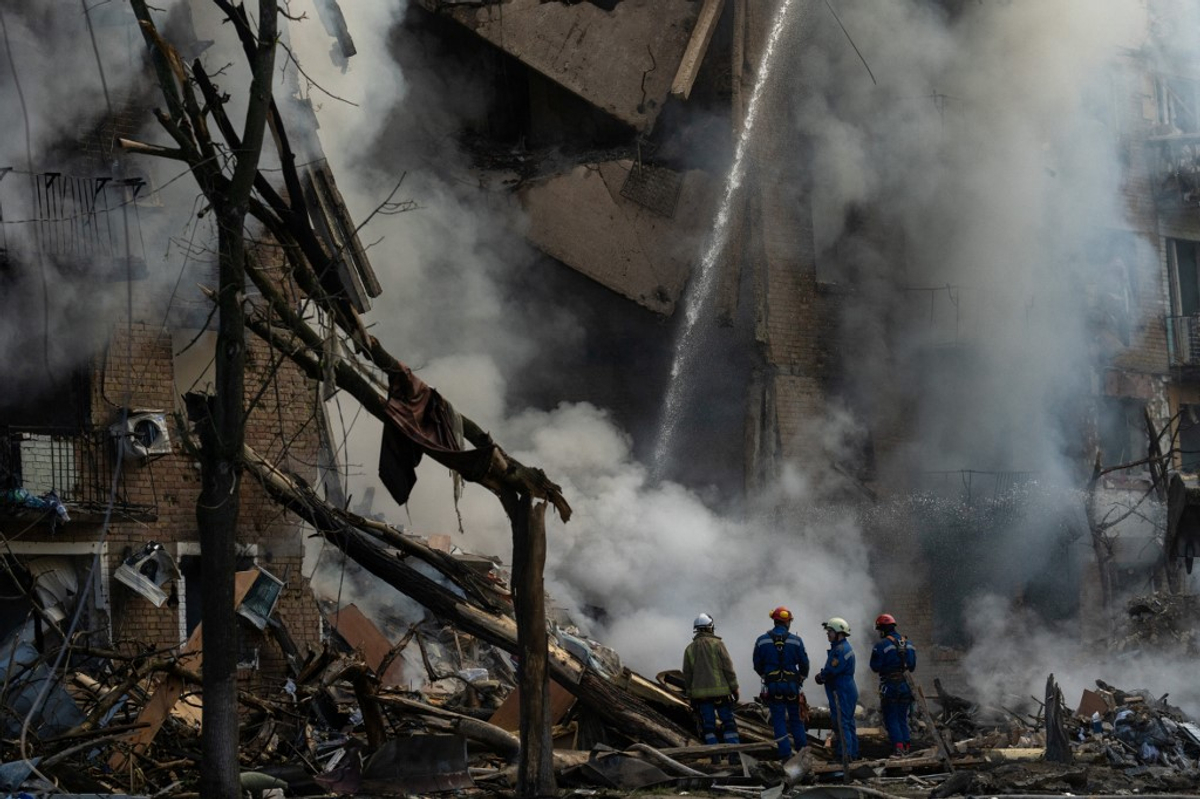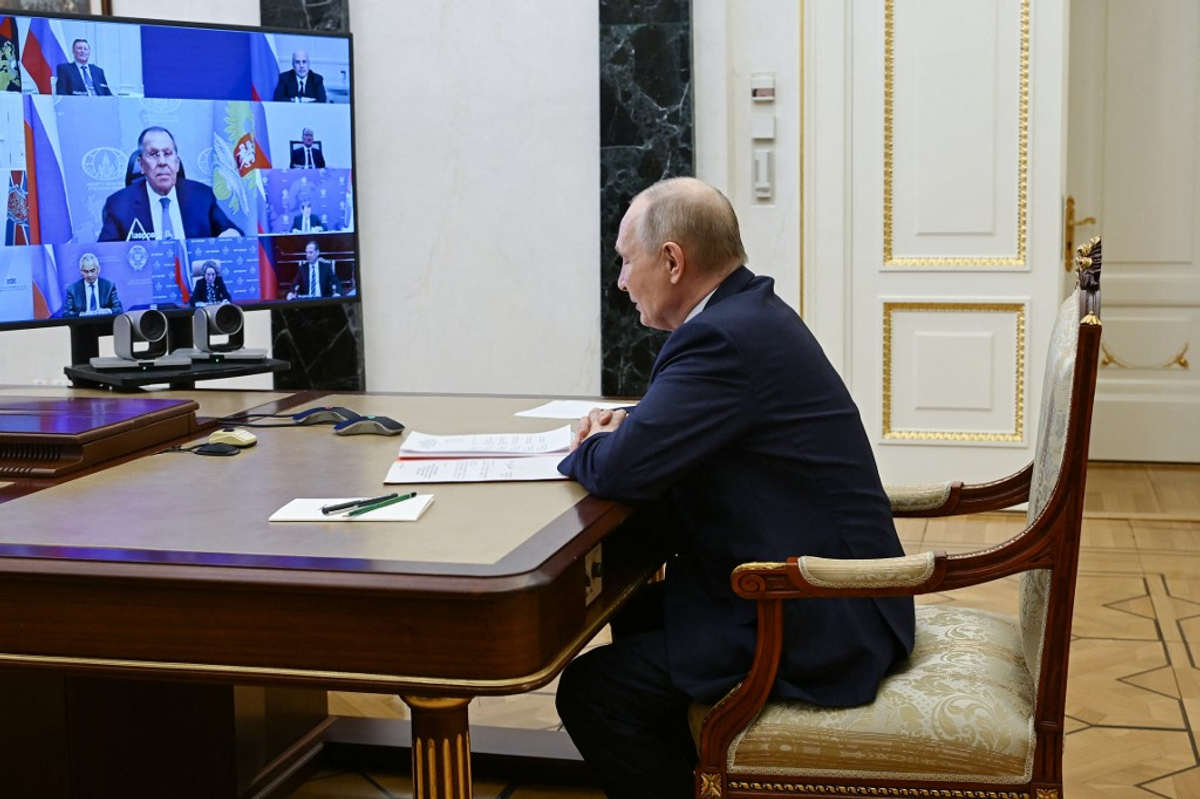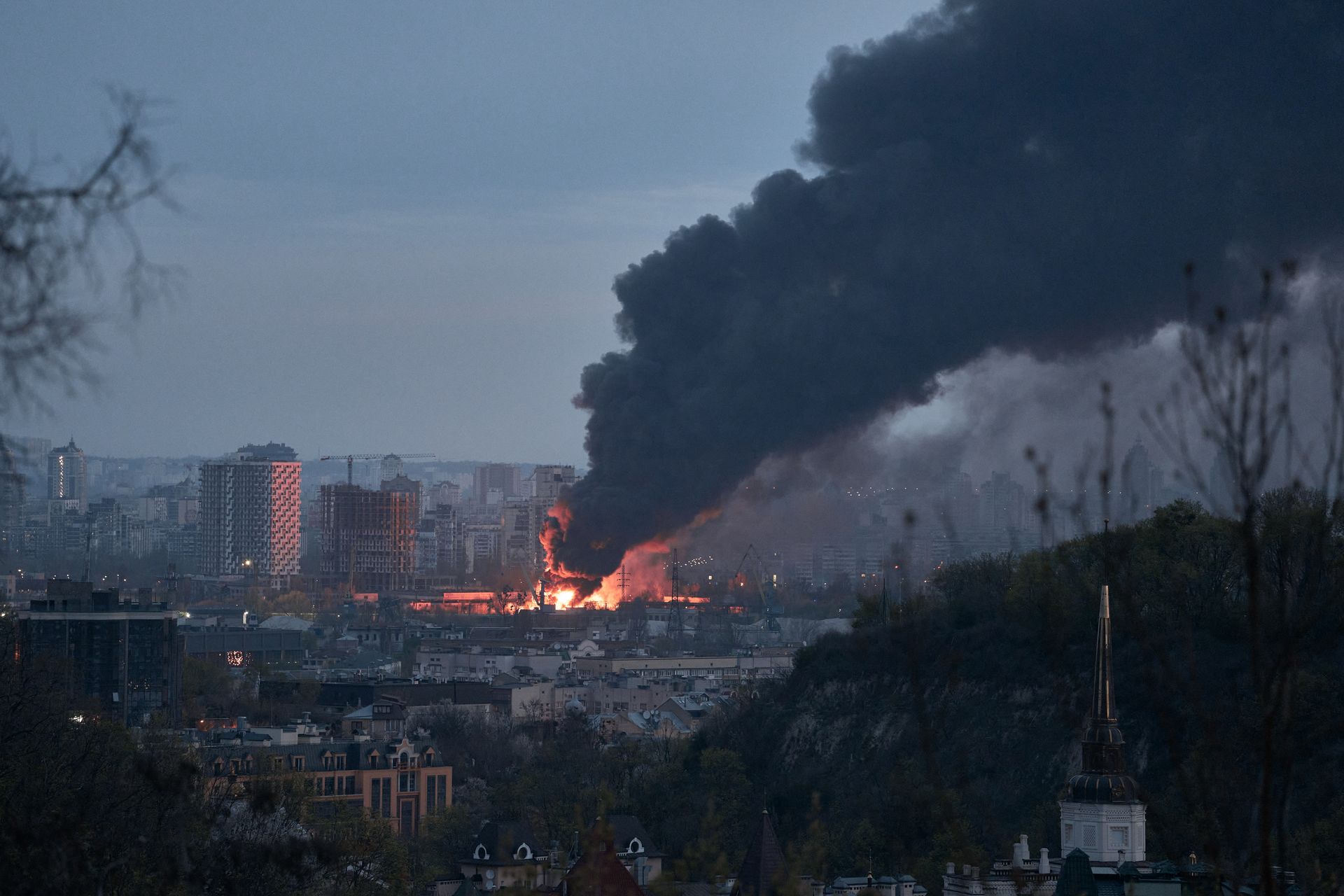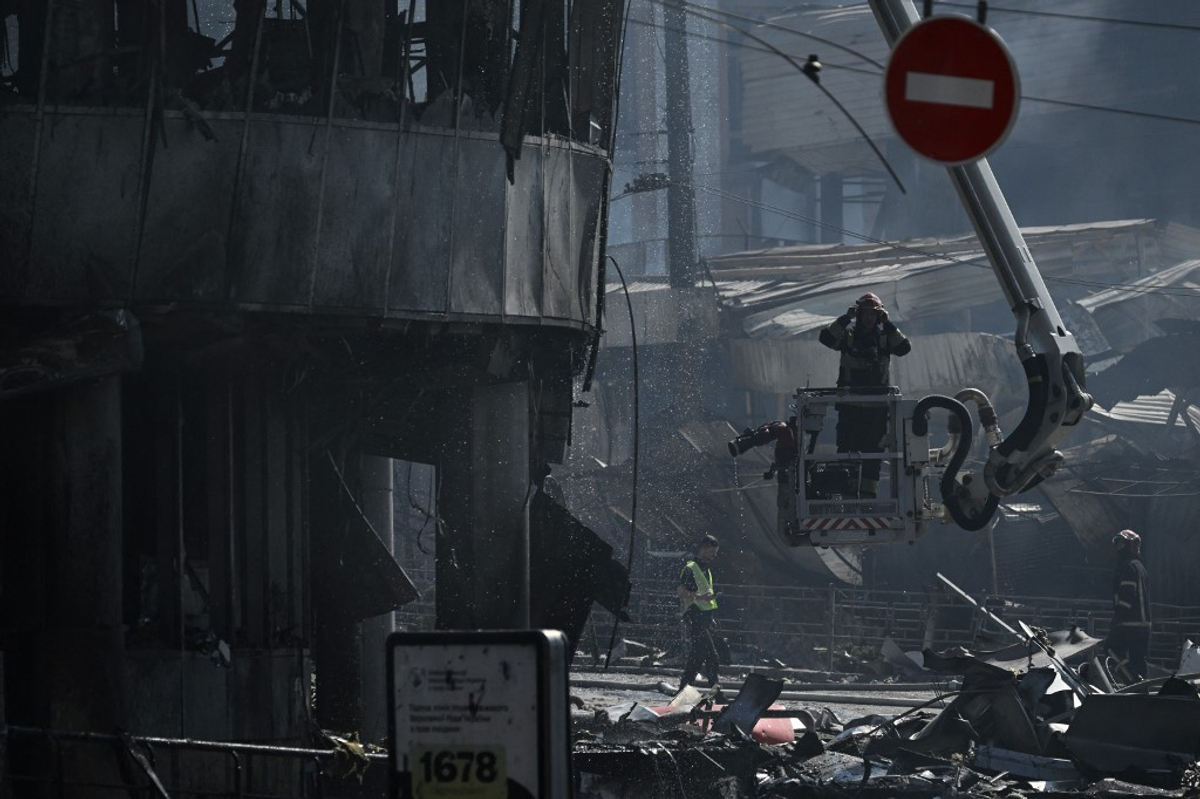
Following the massive combined attack on Kyiv on the night of May 24, Russia effectively signaled the possibility of a new wave of strikes against the Ukrainian capital. Moscow urged foreign nationals to leave the city immediately and advised residents to stay away from administrative and military facilities. Ukraine’s Foreign Minister, Andrii Sybiha, responded swiftly, stressing that the threats were intended solely to intimidate the Western diplomatic corps and that such blatant political blackmail would not achieve the Kremlin’s objectives.
That assessment soon proved accurate.
Despite Moscow’s apparent attempt to sow fear and uncertainty, European diplomatic missions in Kyiv displayed a united front and firmly rejected the provocation. The French Embassy described Russia’s calls to evacuate the capital as entirely unacceptable and “incompatible with Russia’s international obligations.”
“Above all, these demands demonstrate how rapidly Russia’s war of aggression is approaching a dead end,” the embassy said.
The Polish Embassy likewise confirmed that it would continue operating in Ukraine, while Poland’s Foreign Ministry issued a strongly worded statement warning that any attack on diplomatic missions would be viewed as a deliberate act of hostility, carrying consequences under international law and further discrediting Russia’s status as a permanent member of the UN Security Council.