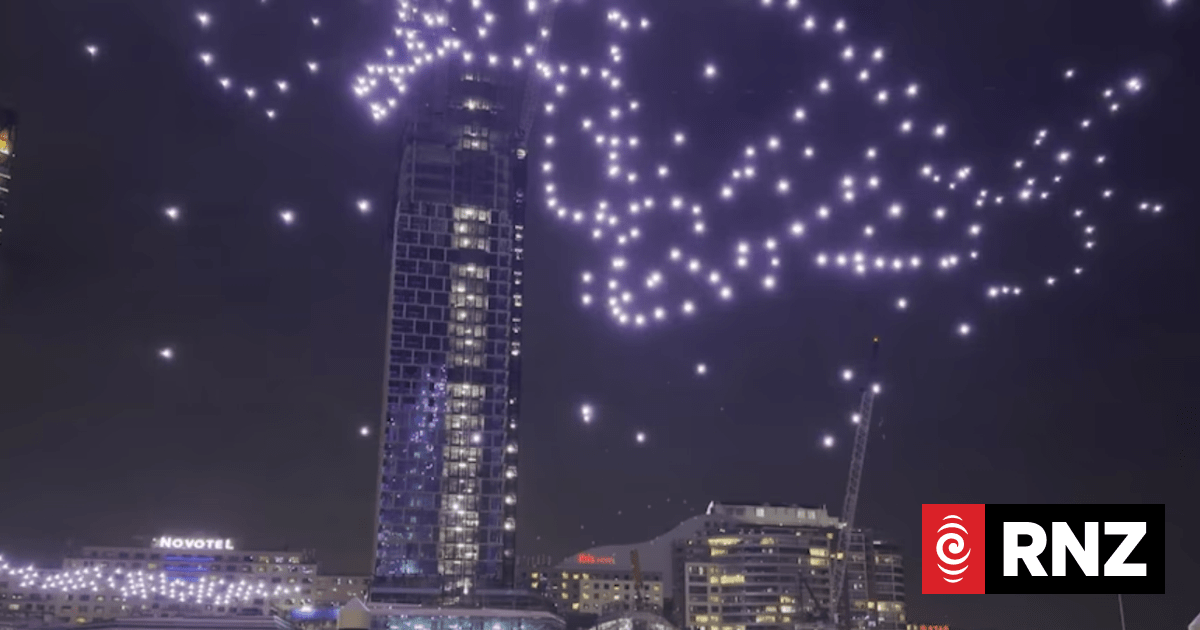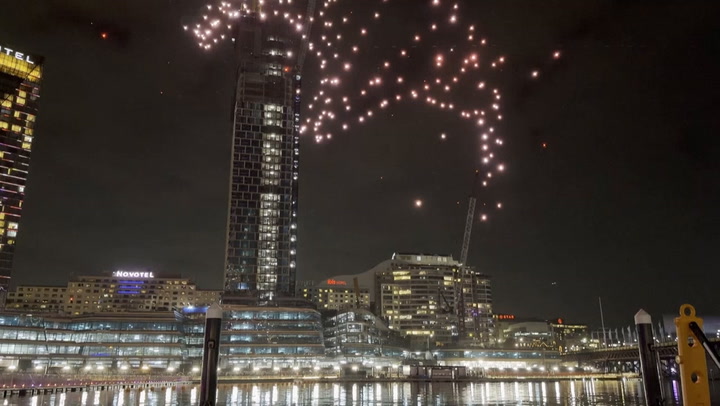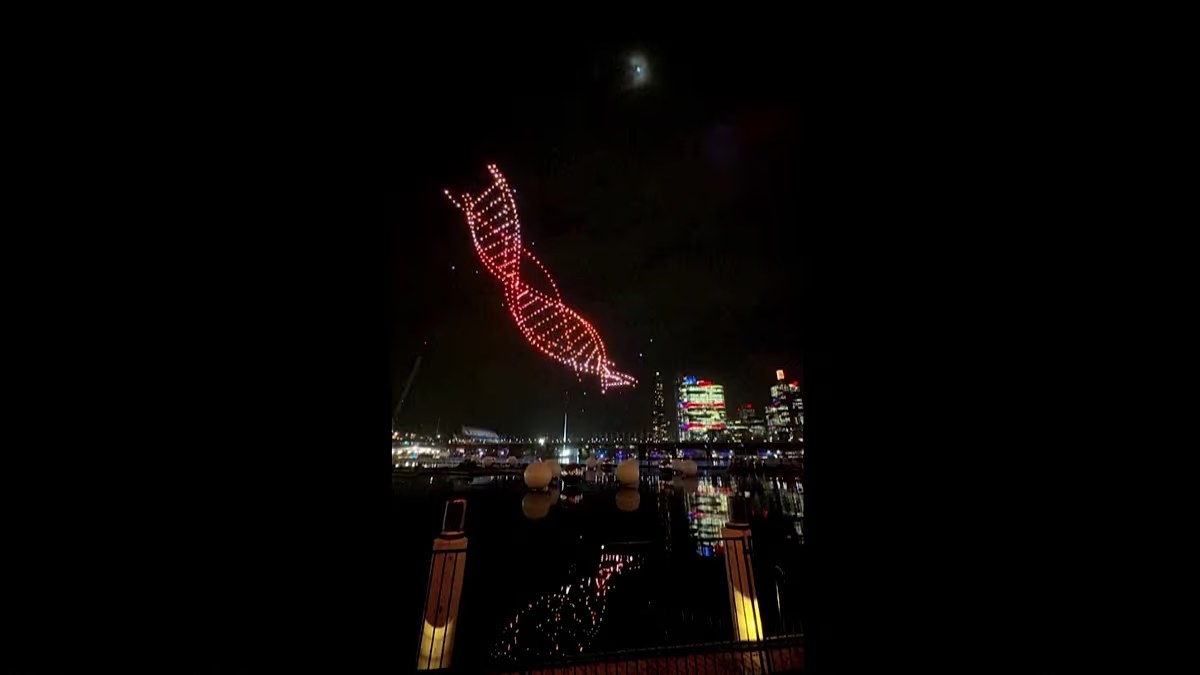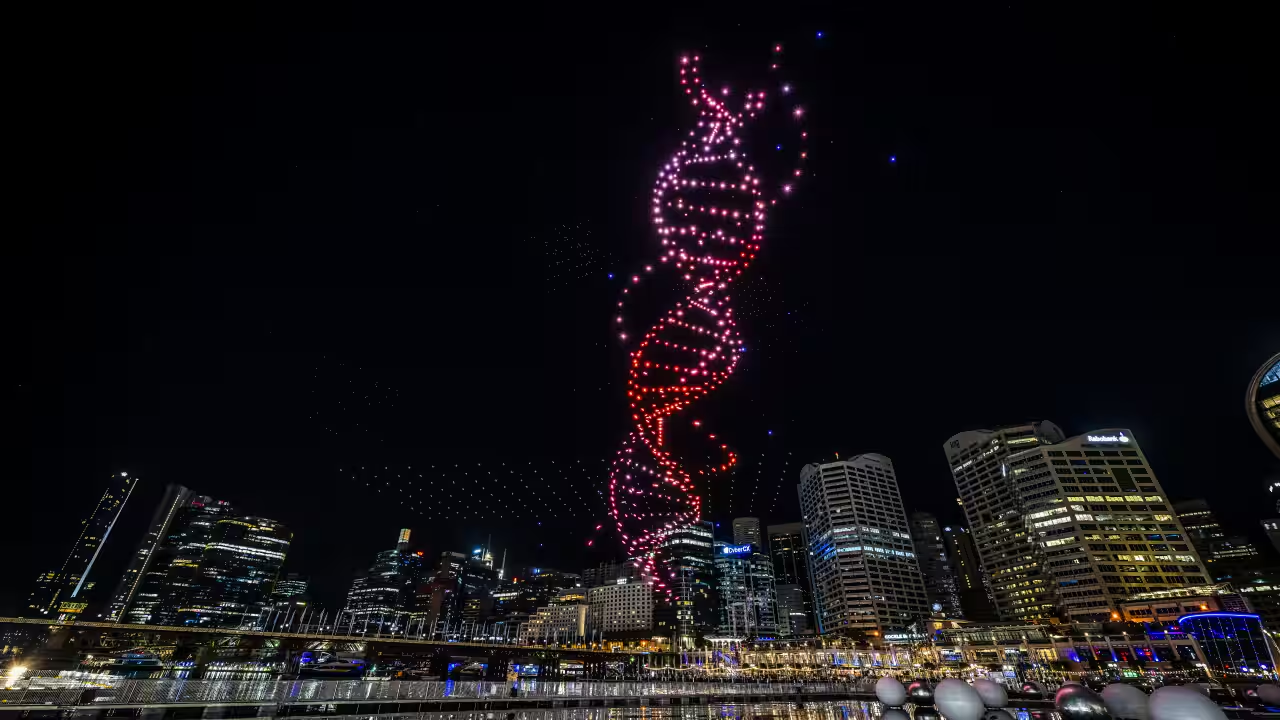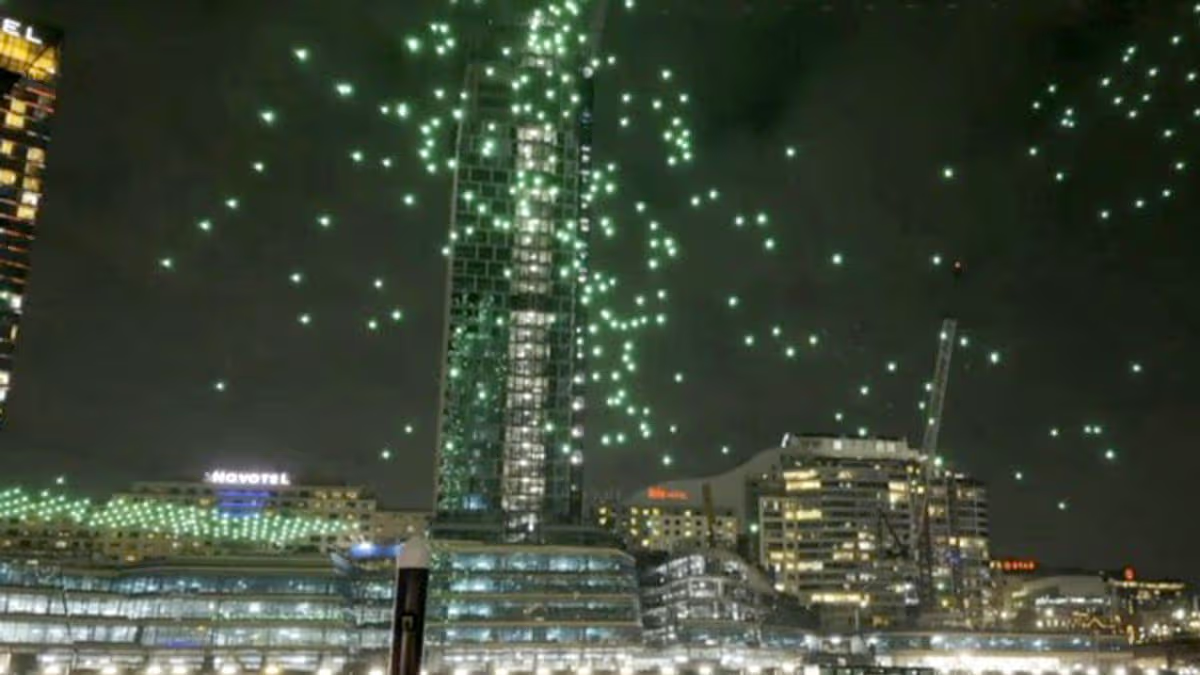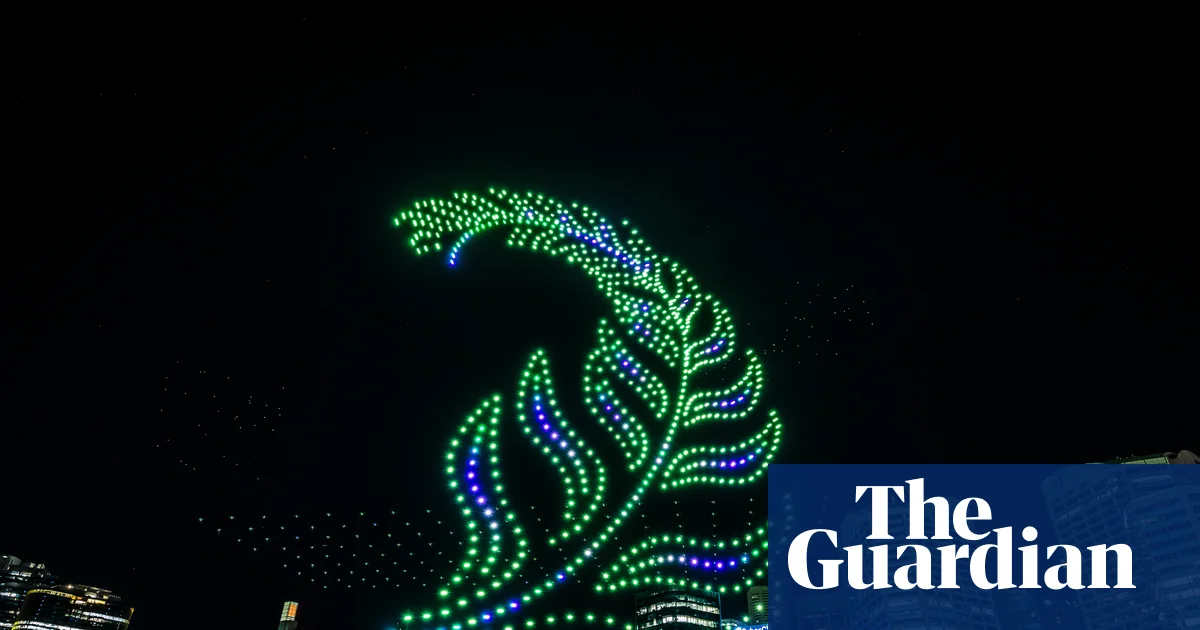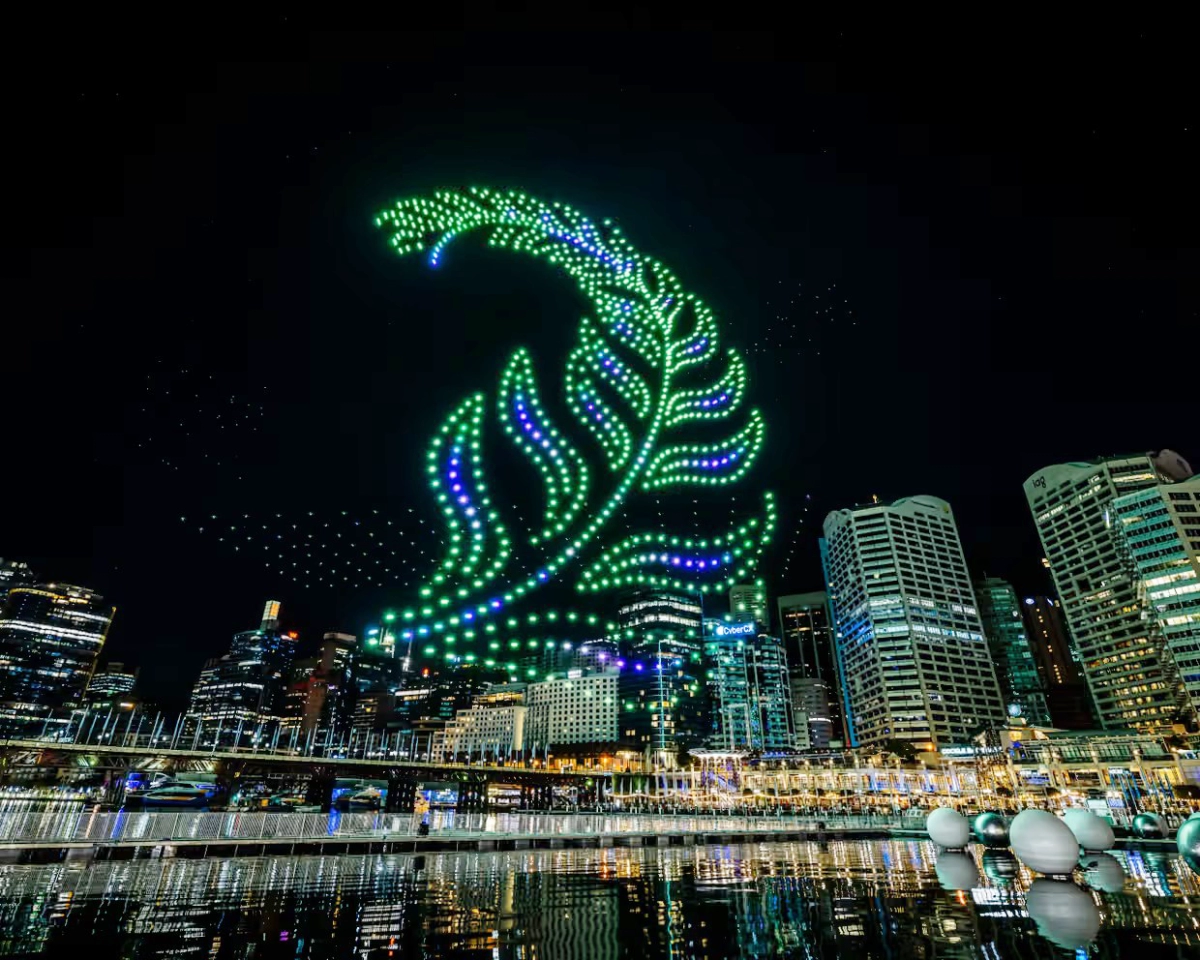
Eighty-nine aircraft dropped out of formation simultaneously and hit the water. Not one or two going rogue — the entire affected subset of the fleet triggered failsafe landing at the same moment. If you've ever worked on distributed systems under a shared degraded resource, you already recognise this failure pattern.
According to a 9News report, drone operator SKYMAGIC confirmed the cause: "an unforeseen change in the radio frequency (RF) environment occurring after take-off." That RF anomaly degraded positional accuracy across a portion of the fleet, triggering automatic failsafe landing procedures across all affected units simultaneously. Organisers cancelled the 7:30pm and 9:30pm shows on the same night, plus both sessions on Tuesday and Wednesday, pending a full technical and safety review with relevant government agencies. This happened at Vivid Sydney, one of the country's largest public festivals, drawing roughly 3 million visitors across its run.
The failure chain, technically
Drone light shows operate on tightly choreographed RF communication between a ground control station and each individual aircraft. Each drone maintains its choreography position using a combination of GPS fix and telemetry from that ground link. When the RF environment degrades, the GPS fix becomes unreliable. The aircraft can't confirm its position. The programmed response kicks in: land immediately, wherever you are.